ビジネス運営における「見えないAI」の台頭
執筆者:アマンダ・ジェイコブ

⟦embed:keyTakeaways⟧
Not all AI comes with a chatbot.
In fact, the most transformative AI tools in 2025 aren’t the ones with interfaces or avatars. They’re the ones you never see — embedded deep in the systems your teams already use. No splash screens. No branding. Just better results.
This is the quiet rise of invisible AI. And it’s quietly changing how businesses operate.
Why Flashy AI Gets the Headlines (But Quiet AI Gets the Wins)
There’s a reason conversational AI dominates the media. It feels human. It’s visual. It demos well. But most decision-makers aren’t looking for AI that talks. They’re looking for AI that works — reliably, repeatably, and without babysitting.
That kind of AI doesn’t need to be noticed. It needs to be trusted.
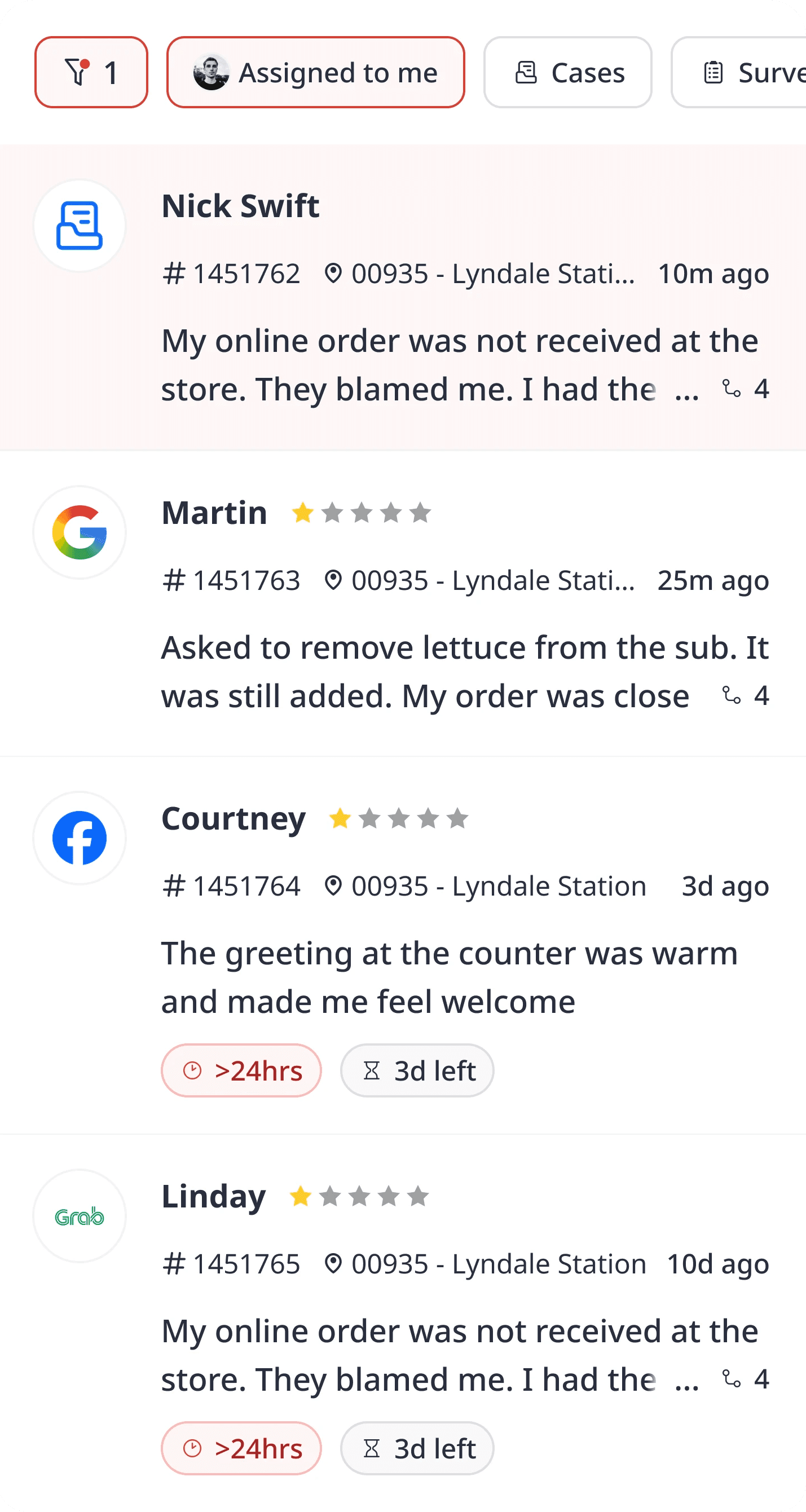
Invisible AI doesn’t announce itself. It just routes a customer complaint to the right team without delay. It rewrites a messy SQL query behind the scenes so your dashboard loads correctly. It tags your feedback by urgency before a human ever sees it.
These aren’t flashy features. But they’re the difference between operational drag and operational leverage.
What Invisible AI Looks Like in the Wild
In multi-location brands, invisible AI shows up in places like:
Voice ordering flows that auto-correct for accents and background noise
Hiring tools that silently optimize interview schedules based on location demand
Semantic layers that rewrite AI-generated queries to match business logic
Review systems that triage feedback and trigger recovery workflows
In each case, the AI is present — but it’s not the focus. The experience is. That’s what makes it scalable.
⟦embed:bnRockieAnswer⟧
Quiet AI Compounds
One of the most overlooked strengths of invisible AI is that it compounds over time. A five-second gain per order doesn’t sound like much — until it happens 10,000 times per day across 300 stores. A 1% bump in response accuracy may seem small — until it shaves hours off customer support.
And the best part? These tools don’t add another screen. They reduce them.
Invisible AI works best when it augments existing systems instead of replacing them. It lives in your POS, your CRM, your HR stack — adapting behind the scenes while teams operate as usual.
From Interface to Infrastructure
This shift reflects a deeper truth: AI’s most valuable role in modern business isn’t as an interface. It’s as infrastructure.
You can bolt AI onto an existing workflow and hope it helps. Or you can build it into the foundation and watch it scale. The latter is where companies are now heading — especially in sectors with repeatable processes, high volume, and narrow margins.
QSRs, retail chains, logistics firms, and healthcare networks are increasingly turning to AI that looks boring on the surface but delivers quietly under pressure.
The Trust Curve
For AI to go invisible, it first has to be trusted.
That trust comes from showing up — consistently, accurately, and transparently. It comes from proving that a system knows what “active customer” or “net revenue” actually means inside your org. And it comes from never breaking the workflow your teams depend on.
When that happens, something interesting occurs: AI stops being “the new thing.” It becomes the expected thing.
Not because it’s obvious. But because it works.
Invisible AI in Business Operations: FAQ
What is invisible AI?
Invisible AI is artificial intelligence built into the systems your teams already use, working in the background without its own interface. It might route a complaint to the right team, tag feedback by urgency or fix a query so a dashboard loads correctly. You notice the better results more than the AI itself.
How is invisible AI different from a chatbot?
A chatbot is something people talk to directly, so it's visible and demos well. Invisible AI sits inside your existing tools and quietly improves how they work. Most decision-makers care more about AI that works reliably without babysitting than about AI that talks.
What are examples of invisible AI in restaurants and multi-location brands?
Common examples include voice ordering that corrects for accents and background noise, hiring tools that set interview schedules around each location's demand and review systems that triage feedback and trigger recovery workflows. In each case, the guest or employee experience is the focus. The AI simply makes it run better.
Why do small AI improvements matter so much at scale?
Small gains compound when they repeat across thousands of orders and hundreds of stores. A few seconds saved per order adds up quickly at that volume. Because invisible AI often removes screens instead of adding them, the time it saves goes back to your teams.
How do businesses build trust in AI tools?
Trust comes from AI that performs consistently, accurately and transparently over time. It needs to understand what your own terms mean inside your organization and never break the workflows your teams depend on. Once it proves that, AI stops feeling new and becomes something your team simply expects to work.
 AIエージェントが、貴店の全店舗におけるすべてのお客様対応を年中無休・24時間体制で自動化します。


" transform="translate(3.219 19.212)" width="152.45224485148515px"/><path d="M 0 11.619 C 7.071 11.39 33.491 21.738 40.35 21.268 C 38.499 18.19 37.116 14.915 35.507 11.625 C 33.7 7.867 32.587 3.926 31.702 0" fill="transparent" height="21.28391189647101px" id="I9fuJaf7q" stroke-dasharray="" stroke-linecap="round" stroke-linejoin="round" stroke-width="4.97" stroke="rgb(0, 0, 0)" transform="translate(139.727 55.754)" width="40.34950693069311px"/></svg>)