Not Just Listening—Responding: How Fast CX Wins Drive Retention at the Store Level
Written By: Amanda Jacob

⟦embed:keyTakeaways⟧
Customer Feedback Isn’t a Report—It’s a Moment
In 2025, the brands winning customer loyalty aren’t just collecting feedback—they’re responding to it fast, personally, and at the local level.
The myth that “someone from corporate is watching” no longer builds trust. Customers want action where the experience happened. A slow or impersonal response feels like a brush-off—and they’re not afraid to take their business (and story) elsewhere.
In fact, a Bain & Company study found that customers who had a complaint handled in under 24 hours were 30% more likely to return than those who didn’t complain at all.
So why are so many multi-location brands still struggling to close the loop?
The Response Gap: When Listening Isn’t Enough
It’s not hard to collect feedback anymore. Most brands have surveys, review alerts, or social listening in place. The real breakdown is in the response workflow—who sees it, how fast they respond, and what happens after.
Here’s where the gap shows up:
Reviews go unanswered for days (or weeks)
Survey data sits in dashboards, but never reaches stores
Store-level teams lack permission or training to reply
Customers feel ignored—and never come back
Listening without action creates friction. And friction at the store level becomes churn.
Fast Response = Fast Trust
Speed is a signal. When a brand responds quickly to a complaint or review, it tells the customer: You matter. We’re here. We care.
Take JetBlue, a brand known for its rapid-fire customer response on social media. During a storm-related flight delay, one customer tweeted a complaint. Within 10 minutes, JetBlue replied, offered updates, and even issued a voucher. The result? A viral thread praising their service—and a retained customer who could’ve easily churned.
Or look at Chick-fil-A, which uses real-time feedback from in-store surveys and reviews to route issues directly to local operators. Their system allows managers to reach out to dissatisfied guests within hours, often before the customer even leaves the area. This responsiveness has contributed to Chick-fil-A’s consistently highest CSAT scores in the industry, year after year.
The thread is clear: fast feedback response at the store level drives retention, NPS, and revenue.
⟦embed:bnAlfieQuiz⟧
Domino’s: A CX Comeback Story
In the late 2000s, Domino’s faced a brand crisis. Negative reviews poured in about everything from crust quality to delivery delays. Instead of hiding from the criticism, Domino’s leaned in—publicly. They launched the “Pizza Turnaround” campaign, owned their flaws, and rebuilt the product based on real-time customer feedback.
More importantly, they implemented systems to surface reviews and complaints to local franchisees instantly. Locations began replying faster, addressing issues, and restoring customer trust.
The result? A stock price increase of over 5,000% from 2010 to 2020, much of it attributed to brand rebuild and CX innovation.
Real-Time Recovery Drives Repeat Revenue
Momos data shows a direct link between fast response and customer retention. For one multi-location restaurant group:
Reviews responded to within 24 hours had a 33% higher chance of driving a return visit
Stores that closed the loop on complaints saw +18% lift in loyalty program sign-ups
Responding with a personalized message vs. a templated one increased review revision rates by 2.3x
These aren’t soft metrics. They’re revenue drivers hiding in your inbox.
Why Fast CX Needs Local Empowerment
To move fast, you need to move decisions closer to the customer. That means empowering local store managers—not just HQ—with the tools and authority to:
View incoming feedback in real time
Respond publicly (for reviews) and privately (for surveys)
Escalate serious issues to regional or corporate when needed
Track resolution impact over time
Feedback should never have to climb five floors of hierarchy before action happens. The longer it takes, the less it matters.
The Tech Stack Behind Speed
Here’s how modern brands are responding fast—without overwhelming store teams:
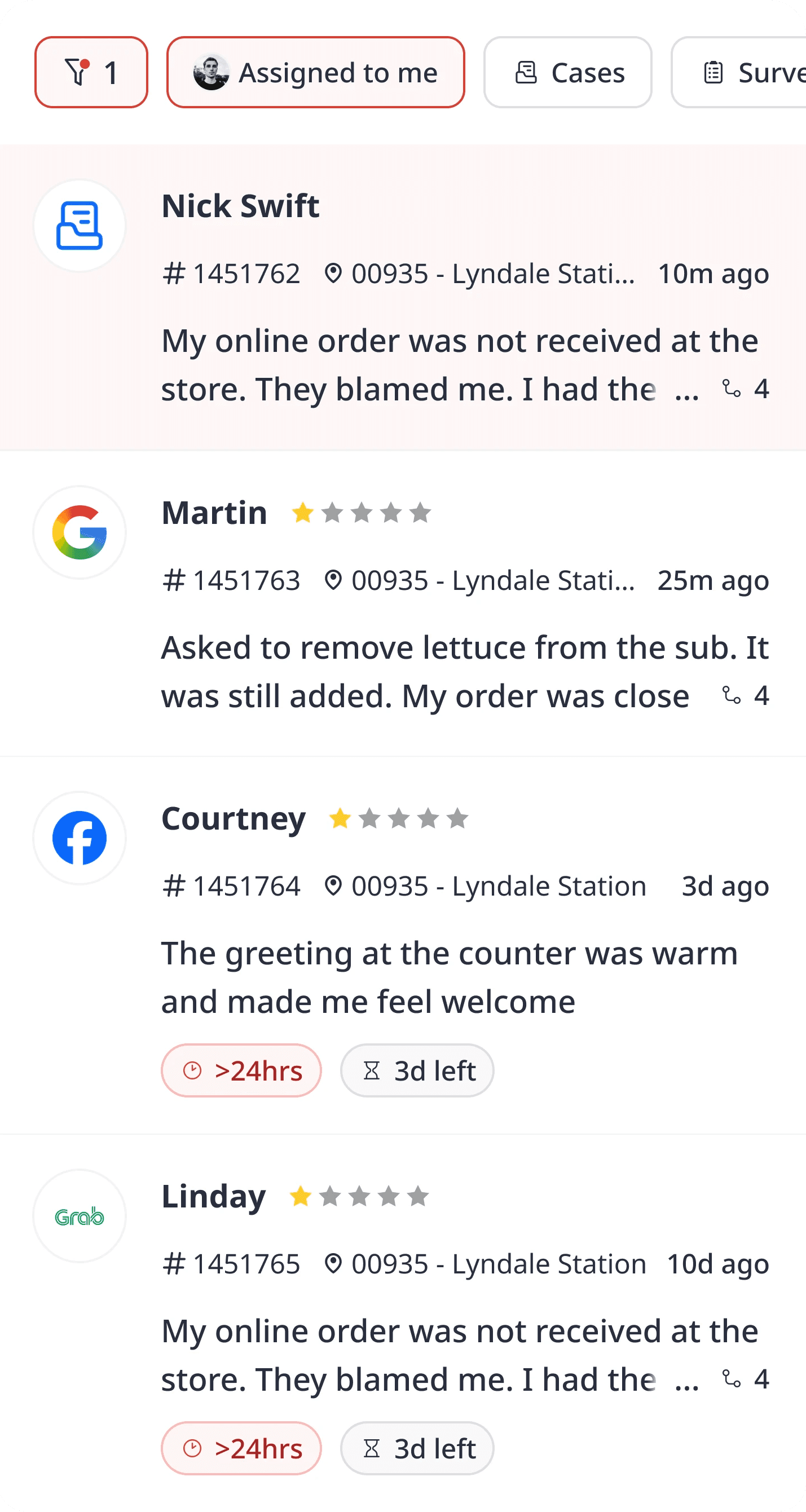
Centralized CX Hubs to route feedback by location, issue type, and urgency
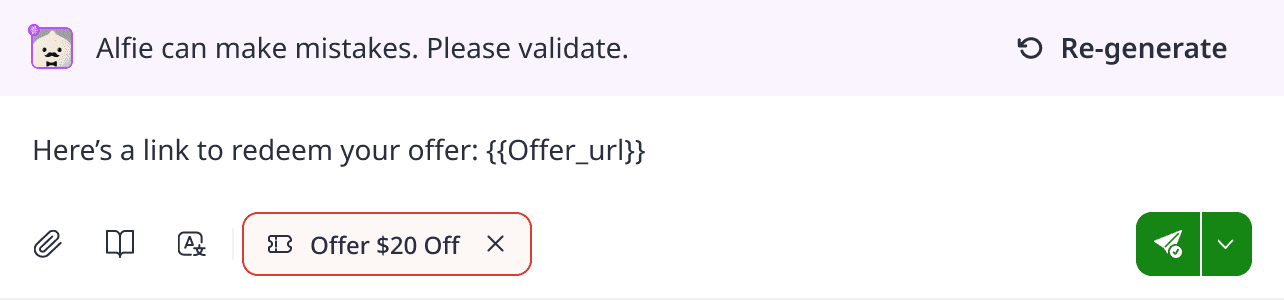
AI-generated reply suggestions that adapt to tone and topic
Mobile manager tools so GMs can reply from their phones in under 2 minutes
Escalation workflows that route serious complaints to the right department
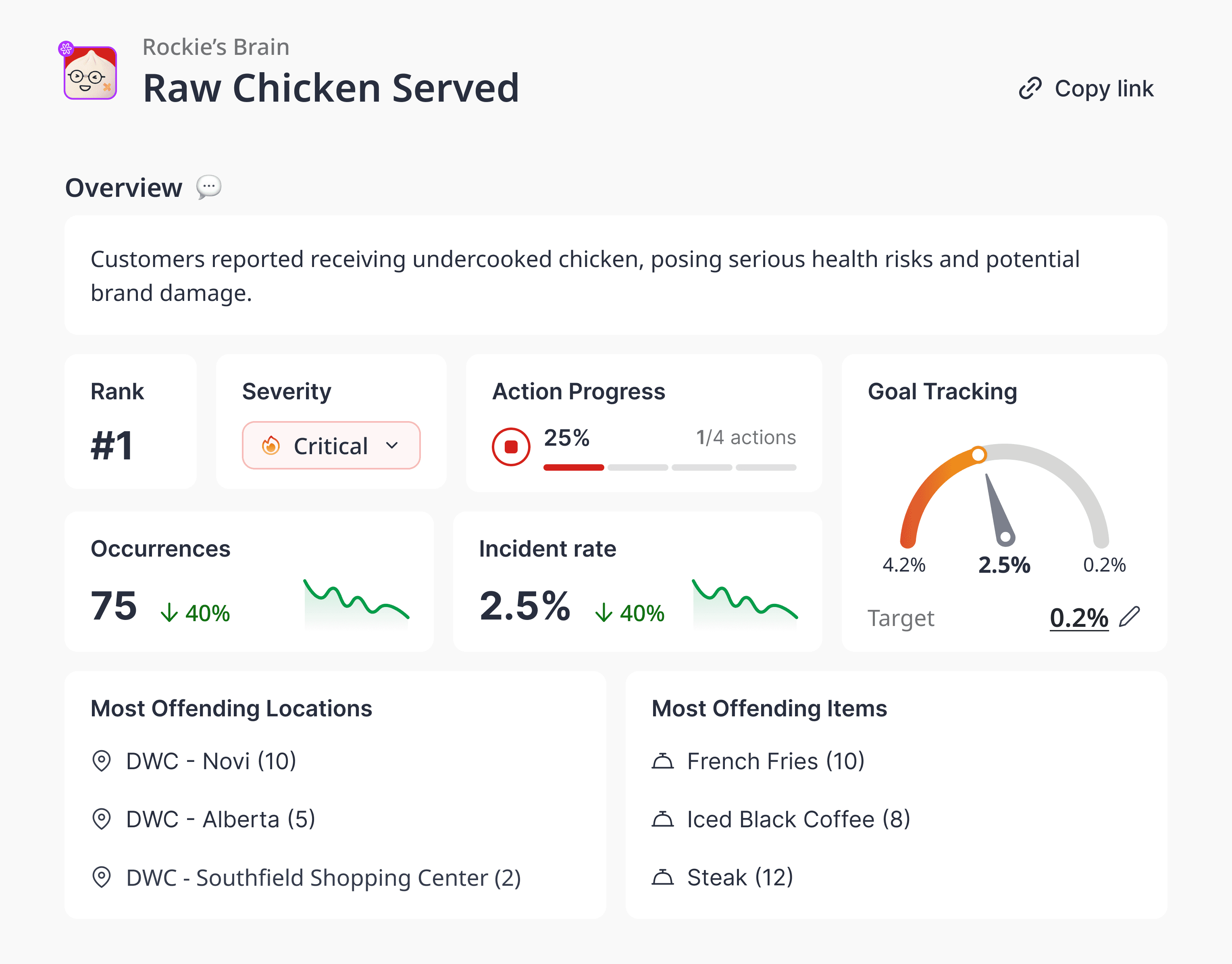
Closed-loop reporting that connects replies to actual customer return rates
Momos customers use our CX platform to manage all of this in one place—making it easy for even non-technical staff to respond quickly and confidently.
Customers Don’t Just Want to Be Heard—They Want a Response
Let’s be real: feedback forms, NPS surveys, and star ratings aren’t new. But customers are tired of talking into a void. They expect acknowledgment, not automation. Action, not just analysis.
And when they get it? Loyalty spikes.
Even when the original experience was negative, a fast and human reply makes them more likely to return than if everything had gone smoothly the first time.
That’s the paradox of CX: your biggest opportunity isn’t perfection—it’s recovery.
What You Can Do Today
If you want to turn CX speed into a competitive advantage, start here:
Map Your Current Response Times
Look at how long it takes—from review submission to response—across all your channels. Chances are, some locations are weeks behind.Create a Standard Response Framework
Give teams a flexible but consistent way to respond that matches your brand tone and empowers them to act.Automate the Repetitive Stuff
Use tools that highlight urgent feedback, suggest replies, and escalate high-risk issues.Measure Outcomes, Not Just Replies
Track how response speed correlates with return visits, revised reviews, or issue resolution.Celebrate Fast Recoveries
Highlight store teams who turn negative experiences into positive ones. Reward speed and sincerity.
Retention Starts with a Reply
In an era where customers have more choices and louder voices than ever, silence is deadly. But speed? Speed is loyalty. Speed is respect. Speed is revenue.
So don’t just listen. Respond—and do it like you mean it.
Join Over 20,000 Locations Worldwide
Fast Customer Feedback Response: FAQ
Why does response speed matter for customer retention?
A quick reply tells guests they matter and that someone is acting on their experience. Slow or impersonal responses feel like a brush-off, and unhappy guests are quick to take their business elsewhere. Handled fast and personally, a complaint can even leave a guest more likely to return than if nothing had gone wrong.
How quickly should a restaurant respond to a negative review?
Aim to respond within 24 hours, and sooner for serious complaints. The longer a review sits, the less your reply matters to the guest and to people reading it later. Mapping your current response times by location is a good first step, since some stores may be far behind others.
Who should respond to customer feedback in a multi-location restaurant brand?
Store managers are usually best placed to respond, because guests want action where the experience happened. Give them real-time access to feedback, brand-approved reply guidelines and the authority to respond publicly to reviews and privately to surveys. Keep a clear path to escalate serious issues to regional or corporate teams.
How can store teams respond quickly without getting overwhelmed?
A central hub that routes feedback by location, issue type and urgency keeps the workload manageable. AI-suggested replies and mobile tools let managers answer from their phones in minutes, while escalation workflows send serious complaints to the right department. Momos brings these pieces together on one platform so even non-technical staff can respond with confidence.
How do I measure whether faster feedback responses are working?
Track outcomes alongside reply counts. Look at how response speed relates to return visits, revised reviews, loyalty sign-ups and issues resolved at each store. Closed-loop reporting that connects replies to guest behavior shows which locations and habits are paying off.

 AI agents automate all guest interactions, 24/7, across all locations of your restaurant.


" transform="translate(3.219 19.212)" width="152.45224485148515px"/><path d="M 0 11.619 C 7.071 11.39 33.491 21.738 40.35 21.268 C 38.499 18.19 37.116 14.915 35.507 11.625 C 33.7 7.867 32.587 3.926 31.702 0" fill="transparent" height="21.28391189647101px" id="I9fuJaf7q" stroke-dasharray="" stroke-linecap="round" stroke-linejoin="round" stroke-width="4.97" stroke="rgb(0, 0, 0)" transform="translate(139.727 55.754)" width="40.34950693069311px"/></svg>)