すべてのAIが優秀なAIとは限りません
執筆者:アマンダ・ジェイコブ
⟦embed:keyTakeaways⟧
AI isn’t automatically valuable.
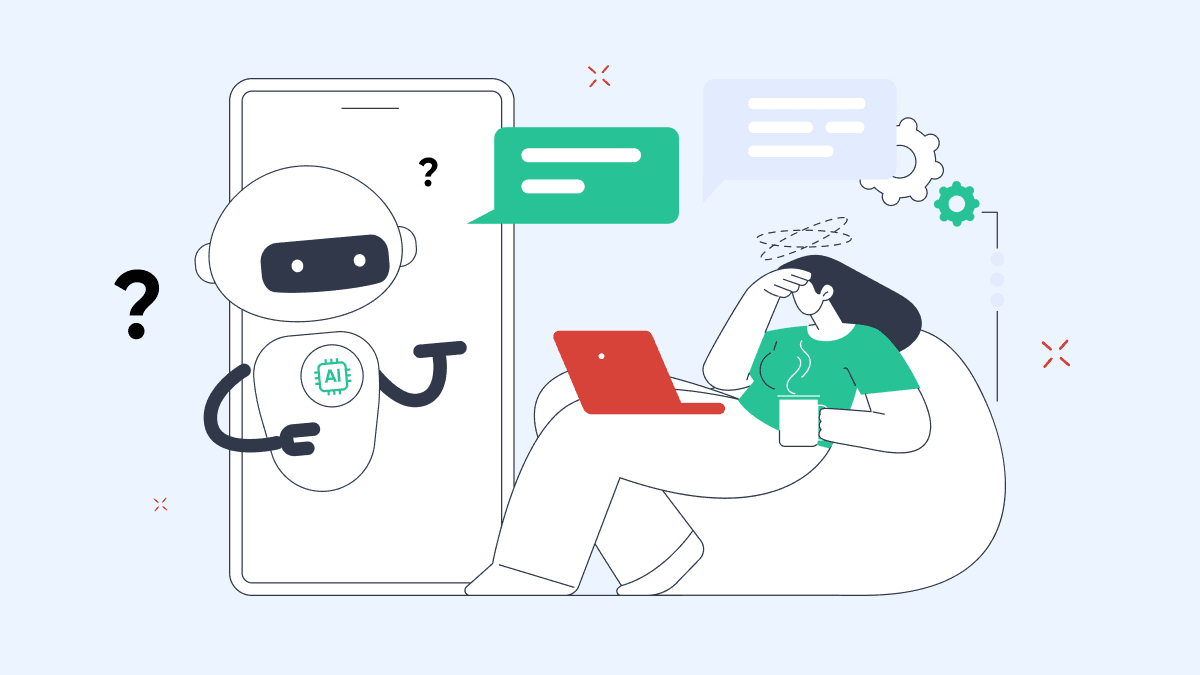
The fact that something uses artificial intelligence doesn’t mean it will deliver better results for your business. In reality, most AI tools fall into two categories: those that create real impact and those that create more noise.
The difference comes down to intent, design, and execution.
Let’s break it down.
What Makes “Good AI” in Business?
1. It saves time and money.
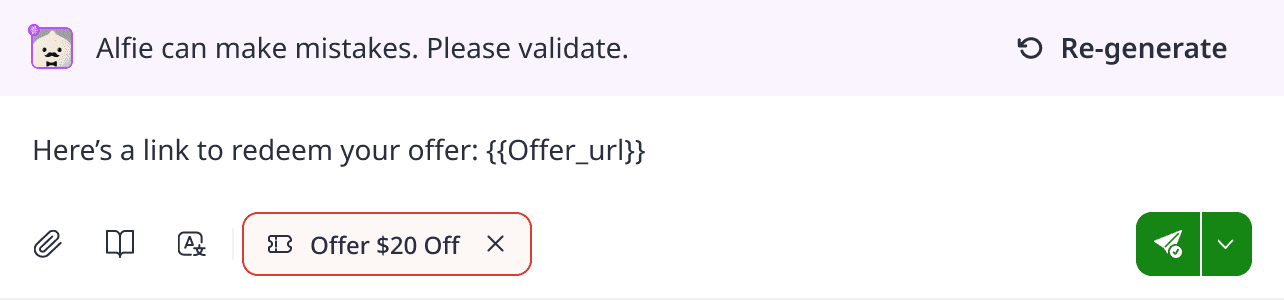
Good AI automates repetitive tasks and reduces manual work — without needing constant supervision. For example, a good AI review response tool will handle 80% of your incoming feedback, freeing up your team to focus on high-priority customer issues.
2. It drives measurable outcomes.
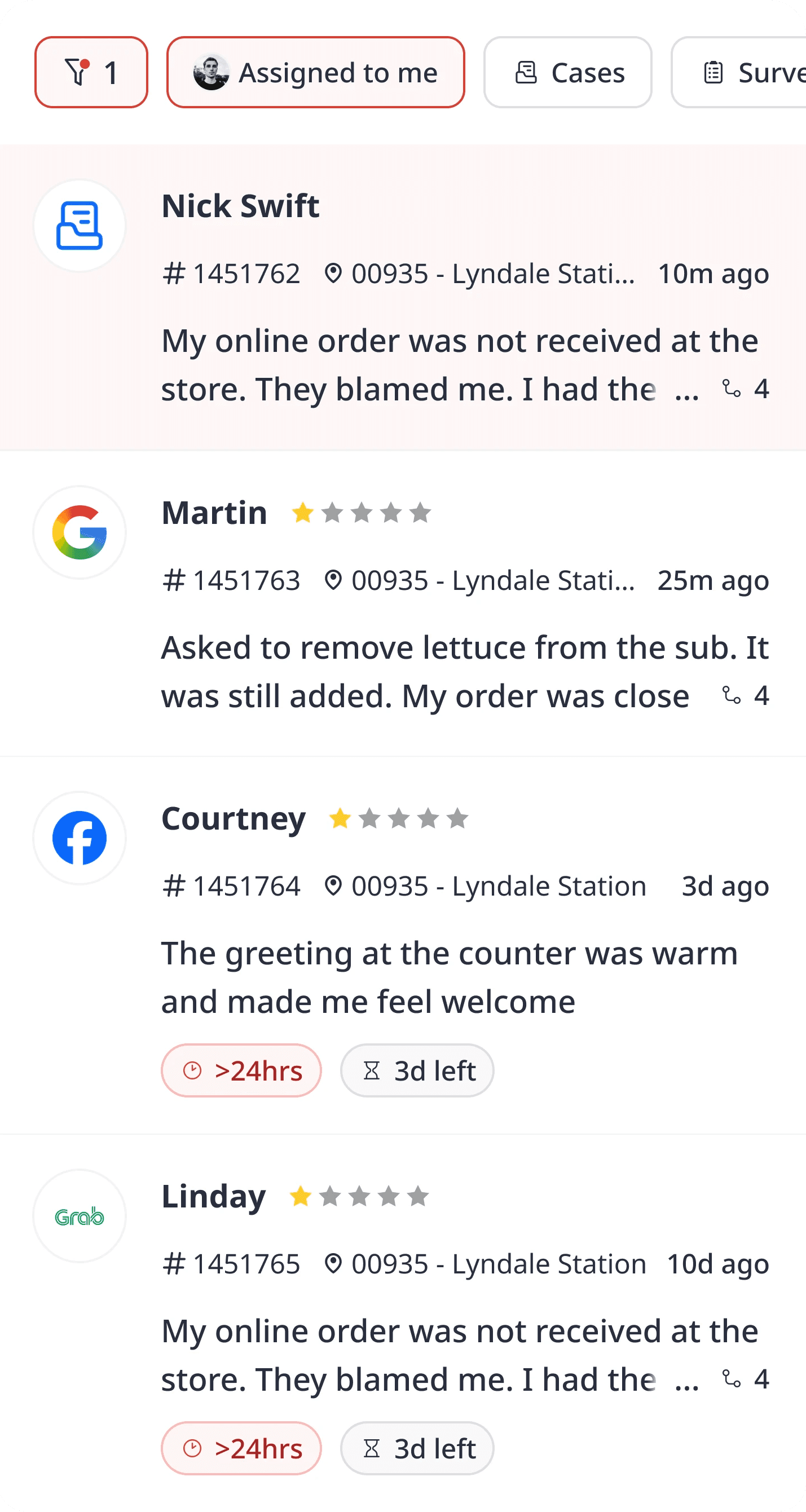
Whether it’s higher CSAT scores, faster ticket resolution, or increased upsell rates, good AI ties directly to performance metrics you already care about.
3. It integrates with your systems.
If your AI can’t access customer history, inventory, or sales data, it’s guessing. Good AI works with your stack, not around it.
4. It gets better over time.
The best AI tools are self-learning. That means fewer rules to manage and smarter suggestions as usage grows.
What Bad AI Looks Like
1. It creates more work than it saves.
If your team has to constantly review or re-do what AI creates, it’s not helping. It’s slowing you down.
2. It makes inaccurate or tone-deaf decisions.
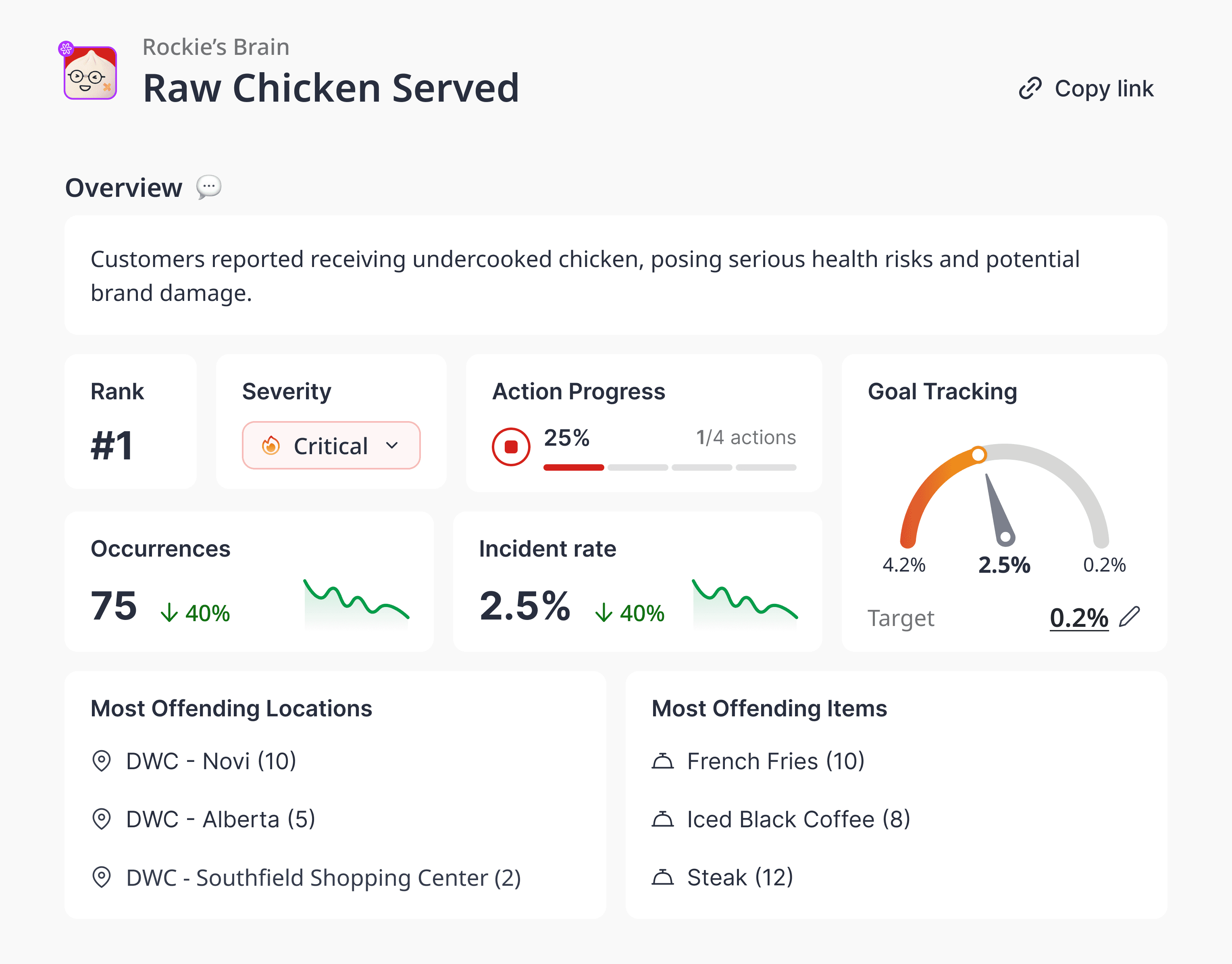
Bad AI lacks context. It might suggest irrelevant upsells, respond inappropriately to reviews, or misinterpret customer sentiment.
3. It’s a black box.
If you can’t understand how it works or what it's doing, you can’t trust it. And if your frontline team doesn’t trust it, they won’t use it.
4. It doesn’t adapt.
Static rule-based AI doesn’t improve over time. You end up having to manually retrain it or abandon it altogether.
⟦embed:bnDuo⟧
Real-World Example: Voice AI in Drive-Thrus
Good AI: Tools like Presto and SoundHound consistently outperform humans in speed, accuracy, and upsell rate. They pull in order history, customize menus by time of day, and learn with every transaction.
Bad AI: Generic voice assistants with no contextual awareness often mishear customers, make mistakes, and increase frustration — especially if they can’t escalate to a human.
How to Choose the Right AI
Ask yourself:
Does this reduce workload or just shift it around?
Can I tie this tool to a clear outcome (speed, revenue, retention, accuracy)?
Will my team actually use it — and trust it?
Does it plug into the tools we already use?
If the answer to most of those is yes, you’re likely looking at a solid AI investment.
The Bottom Line
AI isn’t good or bad on its own. It’s about what it enables.
Look past the hype. Focus on systems that make your operations faster, smarter, and more profitable.
Because the businesses that thrive in the AI era will be the ones who use it to do what they already do — only better.
Choosing Good AI: FAQ
How can I tell if an AI tool is good for my business?
Good AI saves time and money, ties to outcomes you already track, works with your existing systems and improves over time. If a tool meets those tests, it's likely worth the investment. If it creates extra work or can't explain what it's doing, it probably isn't.
What are the signs of bad AI in a restaurant?
Bad AI creates more work than it saves, because your team keeps checking or redoing its output. It lacks context, so it might suggest irrelevant upsells or misread a guest's sentiment. It's also often a black box that doesn't adapt, which makes staff stop trusting and using it.
What questions should I ask before buying an AI tool?
Ask whether it reduces your workload or just moves it around, and whether you can tie it to a clear outcome like speed, revenue, retention or accuracy. Check that it plugs into the tools you already use. Finally, consider whether your team will actually trust it and use it day to day.
Why does AI need to integrate with my other systems?
Without access to customer history, inventory or sales data, AI is guessing. Integration gives it the context to make accurate, relevant decisions, such as replying to a review with the right details. It also means the tool fits into how your team already works.
Does voice AI work in restaurant drive-thrus?
It can, when it's built for the job. Well-designed drive-thru voice AI pulls in order history, adjusts menus by time of day and learns from every transaction. Generic voice assistants without that context tend to mishear guests and cause frustration, especially when they can't hand off to a person.
 AIエージェントが、貴店の全店舗におけるすべてのお客様対応を年中無休・24時間体制で自動化します。


" transform="translate(3.219 19.212)" width="152.45224485148515px"/><path d="M 0 11.619 C 7.071 11.39 33.491 21.738 40.35 21.268 C 38.499 18.19 37.116 14.915 35.507 11.625 C 33.7 7.867 32.587 3.926 31.702 0" fill="transparent" height="21.28391189647101px" id="I9fuJaf7q" stroke-dasharray="" stroke-linecap="round" stroke-linejoin="round" stroke-width="4.97" stroke="rgb(0, 0, 0)" transform="translate(139.727 55.754)" width="40.34950693069311px"/></svg>)