12 Best AI For Restaurants For 2026
Written By: Vincent Nguyen
8 out of 10 restaurant executives are doubling down on AI investment in 2026, and they have every reason to.
In only three years, AI has completely transformed the way we work. That’s an impact no restaurant owner can afford to ignore.
AI is undoubtedly a powerful and transformative restaurant technology. Still, restaurateurs must apply it to the right use cases to fully realize its potential.
So, in this article, we’re going to:
Share statistics from Deloitte’s AI in Restaurants report and propose an AI investment strategy for your restaurant
Recommend the best AI-powered platforms/software for each category, with detailed reviews on features and pricing
Best practices I recommend when it comes to AI implementation in restaurants
Let’s dive right in!
The state of AI in restaurants
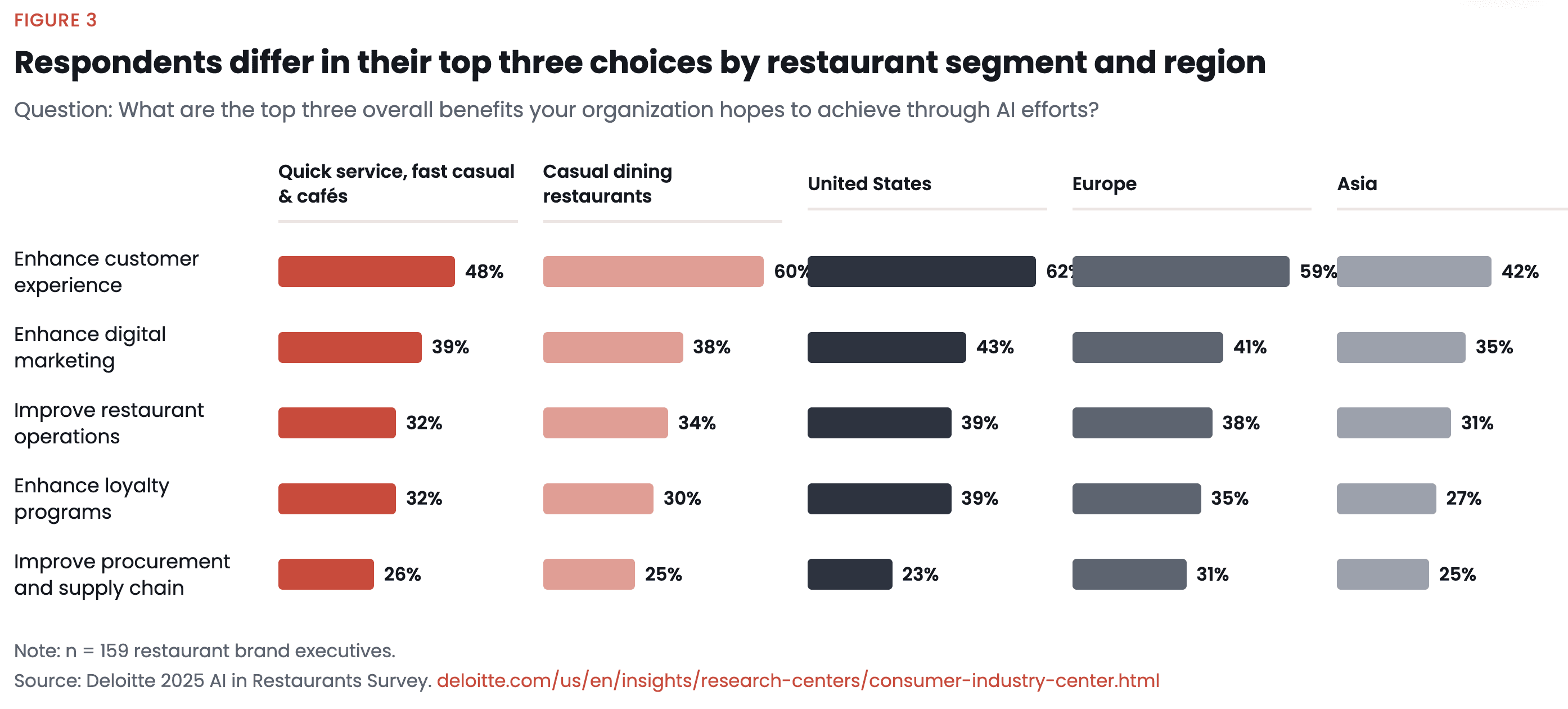
The Deloitte 2025 AI in Restaurants Survey interviewed 150 restaurant brand executives about the state of AI in the restaurant industry. Several key insights stand out from this report:
Restaurants are already seeing results from AI: AI agents are heavily used for customer service and inventory management are widely adopted and already generating economic value.
Investment is concentrated in high-impact, scalable AI technologies. The most common focus areas include Conversational AI (chatbots), Machine Learning, and Intelligent Automation.
Identifying the right use cases and managing risks are the top challenges. Other barriers to AI deployment include limited technical talent, regulatory compliance concerns, and insufficient governance frameworks.
Most feel underprepared for AI adoption. Across all brands, most respondents say their organizations lack readiness in strategy, operations, technology infrastructure, and other enablers; Asia stands out as the most AI-ready region.
In other words, AI is already making a big impact on how restaurants operate.
Core strengths of AI that restaurant operators should consider
AI is not a magic bullet that solves your problems.
A smart operator is one who knows where AI is best at and then applies it in a way that maximizes that capability.
We can see two major strengths of AI over human intelligence:
AI has incredibly strong pattern recognition at scale: AI can spot trends across thousands of data points that no human could manually review, across locations, shifts, suppliers, and time periods simultaneously.
AI never sleeps: AI never clocks out. It watches every interaction in real-time, 24/7.
That’s why restaurant owners should identify the high-volume, repetitive, and always-on tasks in their restaurants to hand off to AI.
12 Areas Where Restaurants Are Investing In AI
Here are some of the best ways restaurants are embedding AI into their daily operations:
1. AI For Customer Support
Customer support is the very first area impacted by AI, and it’s easy to see why.
High volume, repetitive queries: A large share of support tickets involve the same handful of issues, which makes them ideal for automation.
24/7 availability pressure: Customers expect instant help around the clock, which is expensive for staff but trivial for AI.
Structured workflows: Many support interactions follow predictable paths (diagnose → resolve → confirm), which AI can navigate reliably.
In fact, we believe that AI and LLMs’ strength of large-scale data processing shines through the most in this area.
There are 3 main use cases:
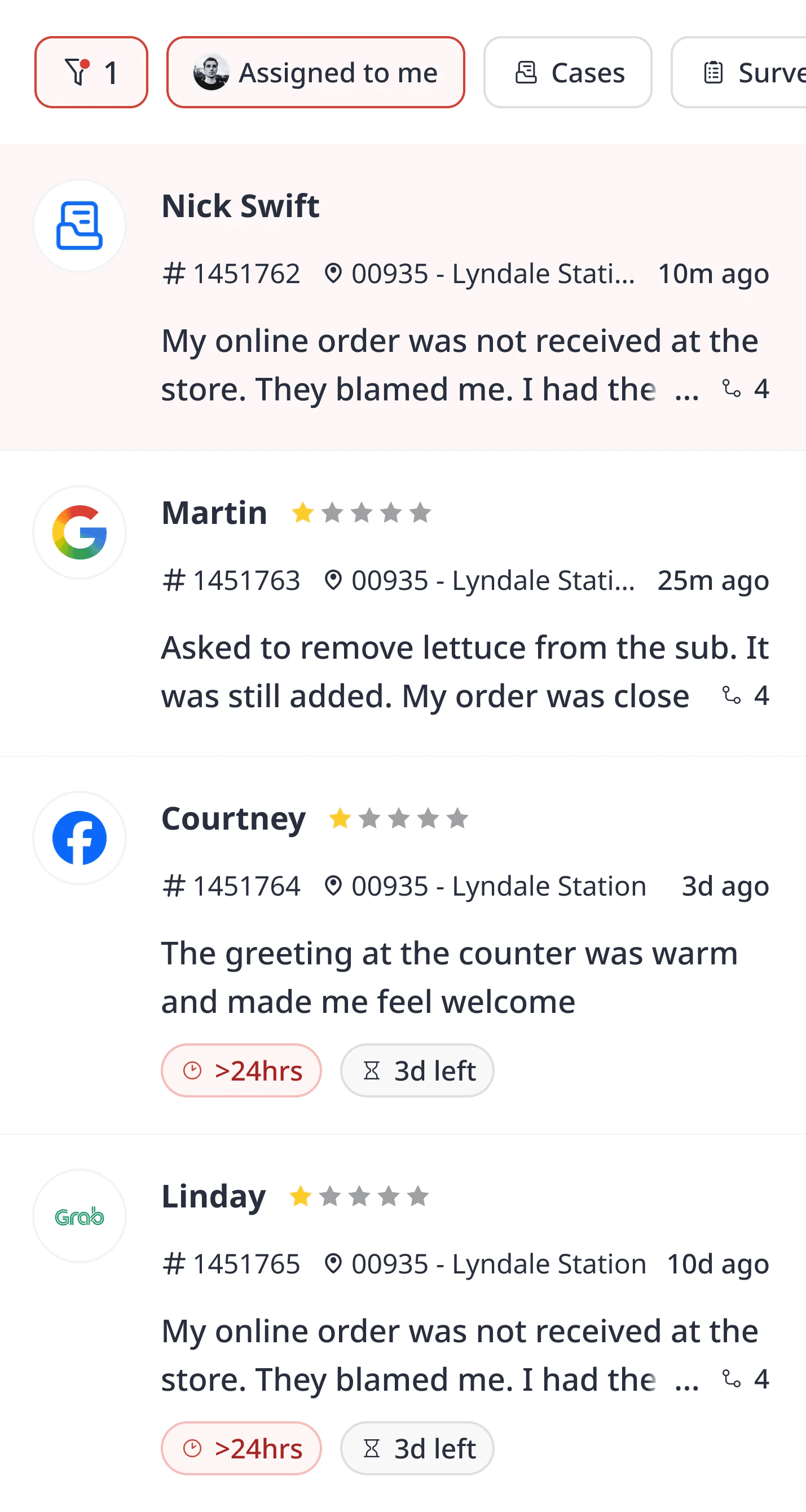
Automated review response: Restaurants can quickly generate thoughtful, consistent responses to customer feedback across multiple review sites.
Sentiment analysis: AI tools can easily assess the tone of each review to determine whether it’s positive, negative, or neutral, helping restaurants prioritize urgent issues and tailor the right responses.
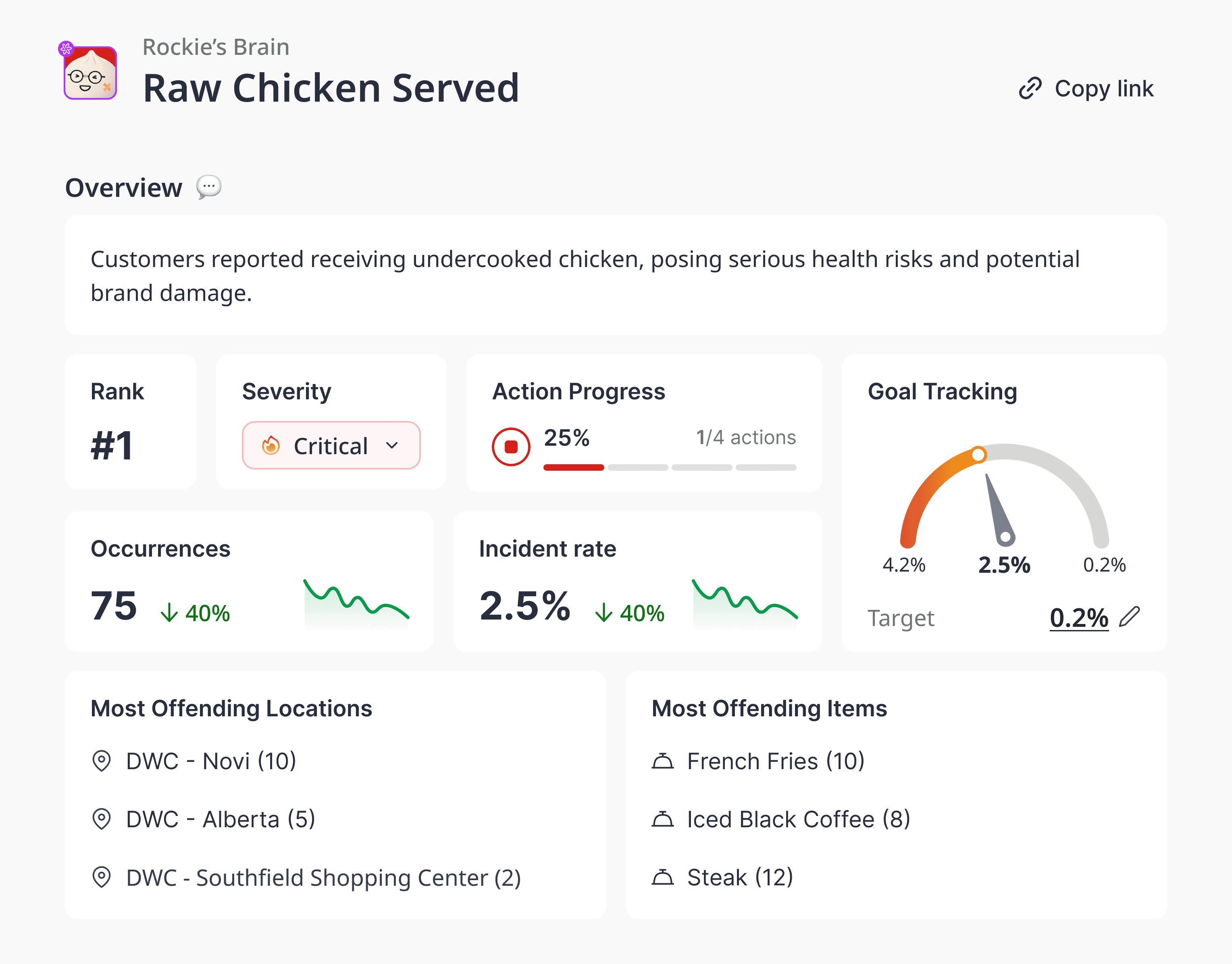
Trend Detection: AI can extract insights from the reviews to help improve your operations, from table service to food quality.
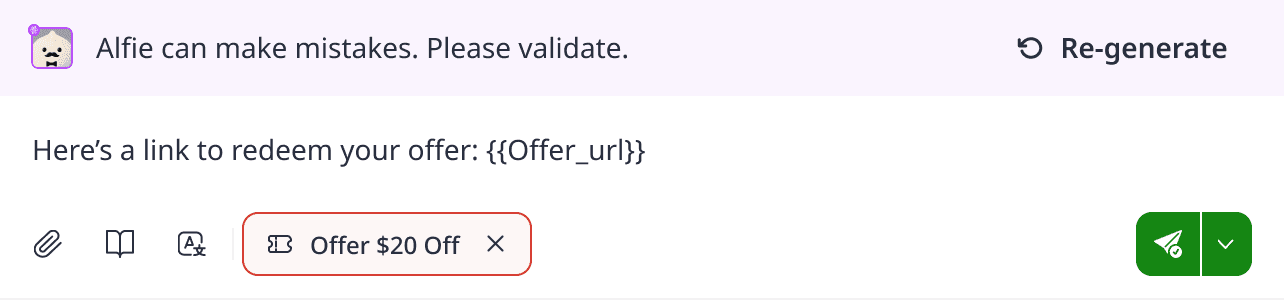
For example, here is Momos' AI Review Manager in action:
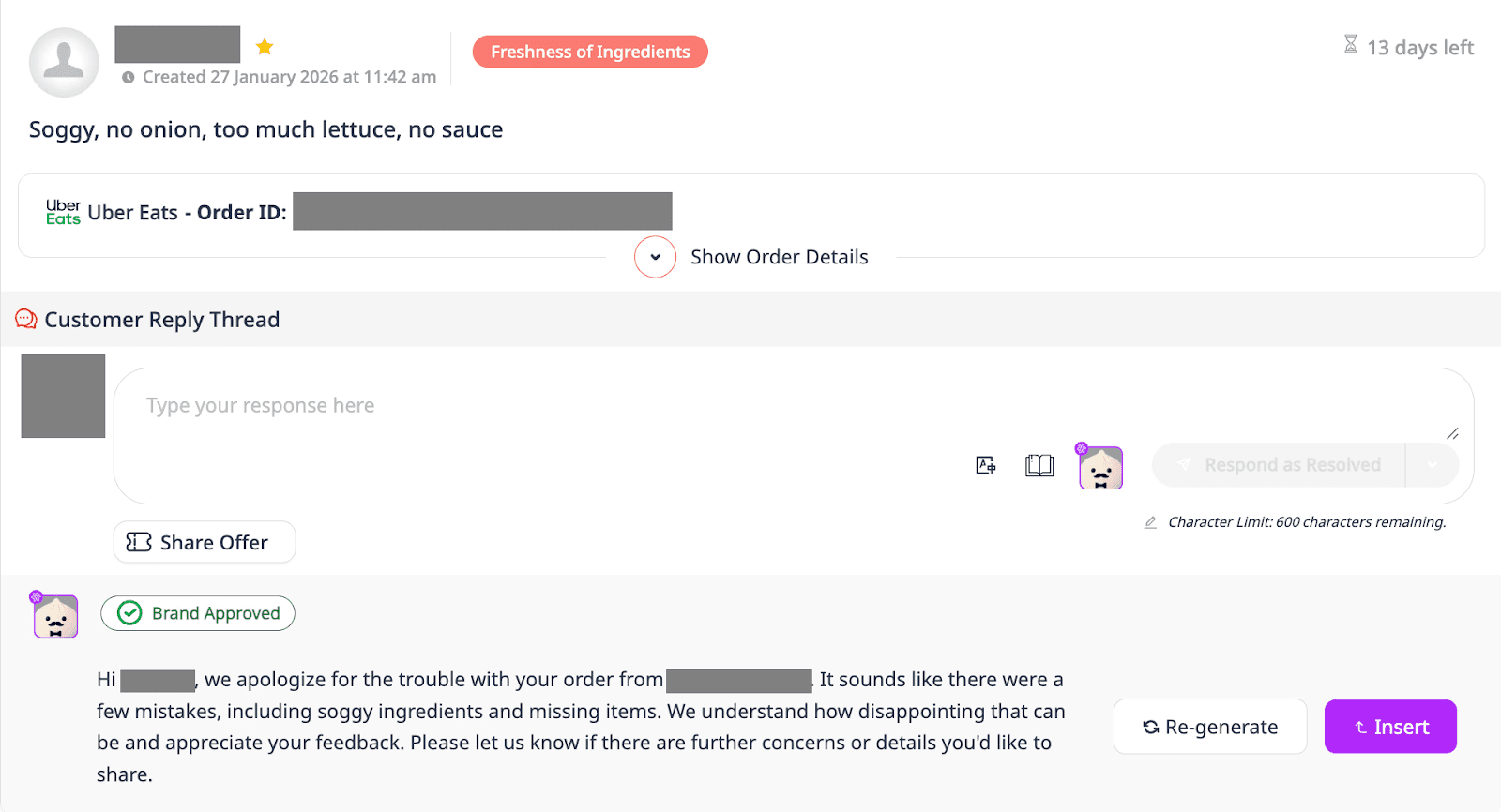
Here's how it works:
Customer leaves a review
AI instantly reads and categorizes what type of review it is
AI drafts a response that is on-brand, empathetic, taking into account the entire guest journey
Human agents don't have to do anything. They are only involved when the issue escalates.
What's great about AI is that it surfaces operational insights i.e. it shows you exactly what area needs improvement and attention.
You know, guests complain for a reason. If the majority of the negative reviews focuses on a specific area (food, staff attitude, etc.), there's probably something wrong with it.
That's why good AI for customer support must not only collects but also analyzes reviews.
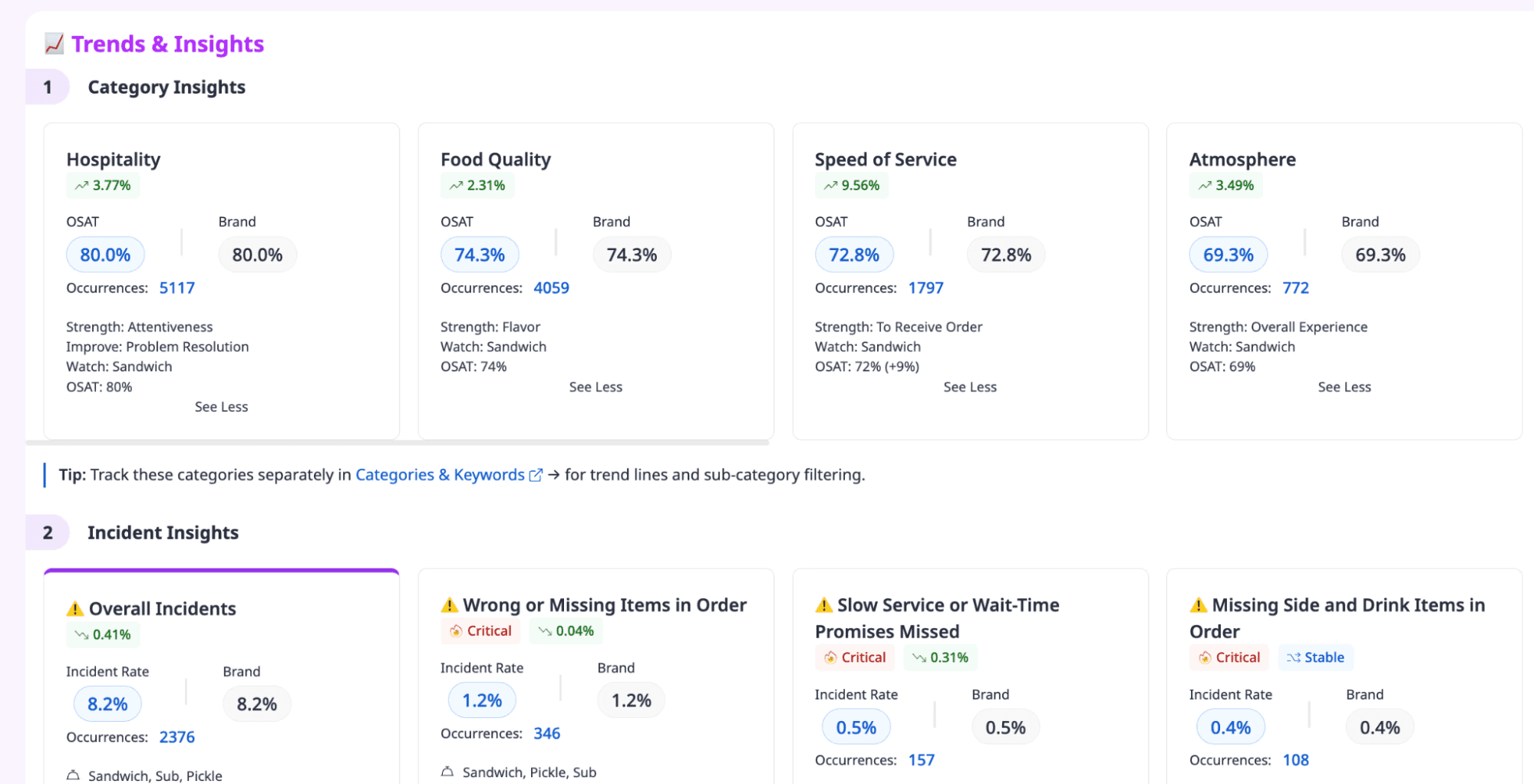
For example, in this screenshot, you can see the clear OSAT of a demo restaurant broken down by a wide variety of categories, along with major incidents that each location is having:
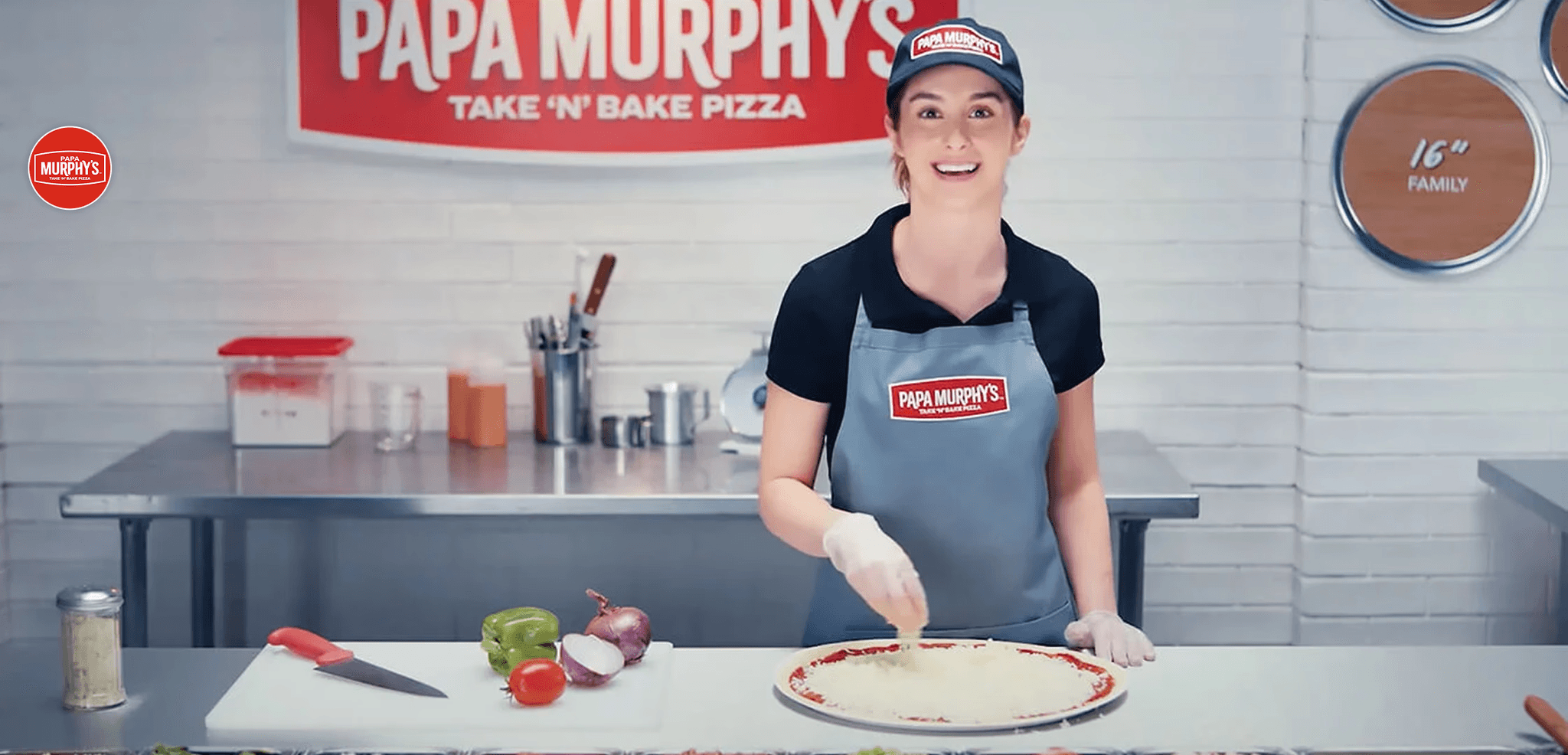
Papa Murphy's, one of the largest take-and-bake pizza chains in North America, wants to keep track of customer sentiment across their massive franchise network. With Momos, they successfully centralized review monitoring across every location — surfacing patterns, flagging underperforming stores, and enabling managers to respond faster than ever before.

2. Restaurant Marketing
Marketing is another field where AI is making waves.
Here are several ways in which you can use AI in the marketing process:
Image production
This is the most popular use case of Generative AI so far in restaurant marketing. Teams are using tools like ChatGPT, Gemini, Midjourney, Nano Banana, etc. to produce images and videos for their marketing campaigns.
For example, here’s the prompt to create an ultra-realistic, cinematic close-up of a gourmet burger:
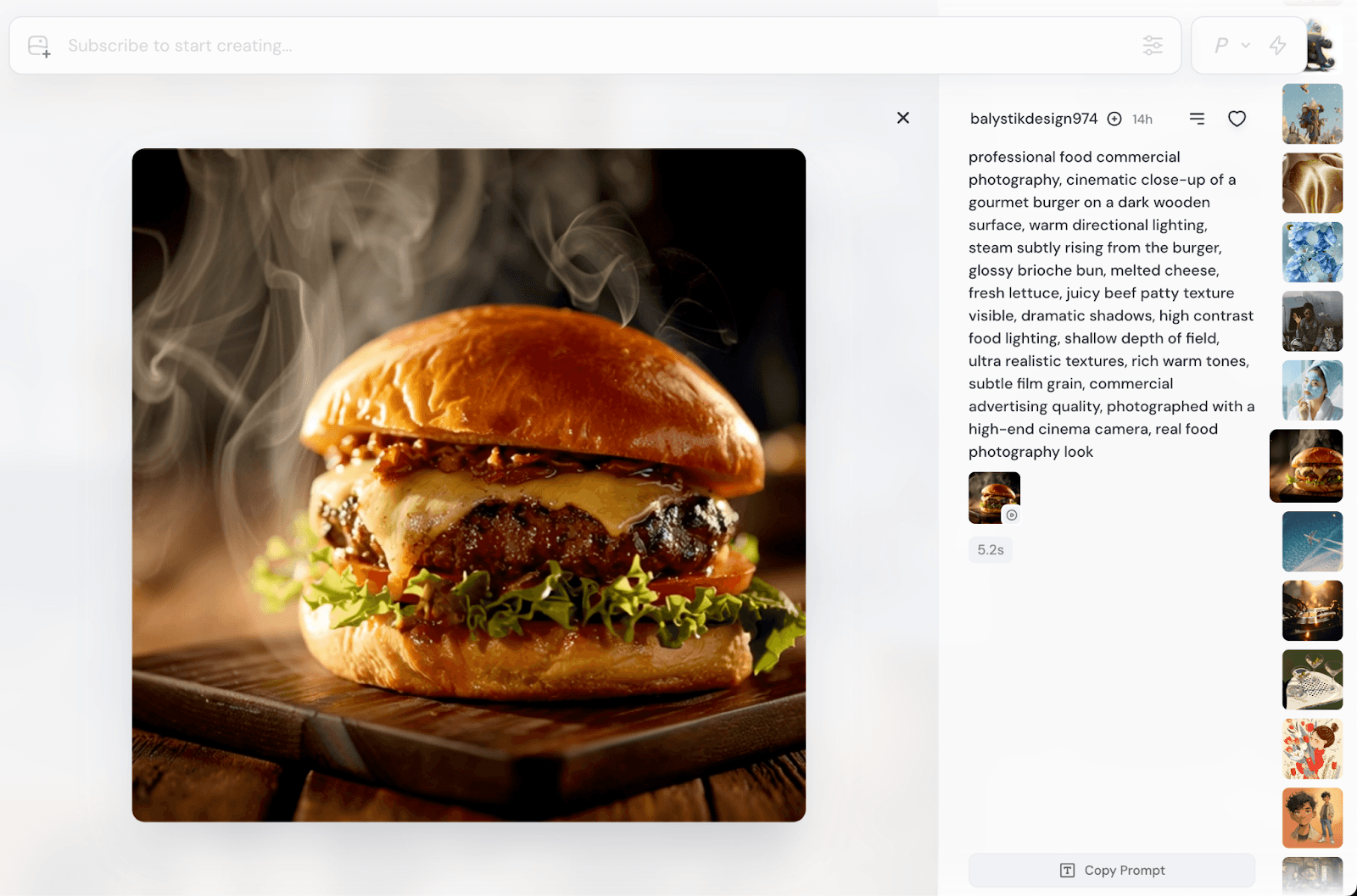
Of course, you should use AI with caution. There always needs to be a human touch in all marketing materials you release to the public. AI can’t incorporate brand guidelines into its design very well, so make sure to take that into consideration.
AI Segmentation and Automation
Restaurants collect massive amounts of data (POS, reservations, feedback, birthdays, visit frequency), but most of it sits unused.
With AI, you can digest that data and segment guests based on:
Visit frequency
Average spend
Menu preferences
Satisfaction levels
Time since last visit
Channel behavior (email vs SMS responsiveness)
After that, the Marketing team can launch highly specific marketing campaigns for each segment:
Champions → Reward loyalty, increase spend
Regulars → Encourage one more visit per month
Churn-risk guests → Win back before they disappear
Dissatisfied guests → Repair the relationship quickly
3. Inventory Optimization
Inventory management is always one of the biggest challenges for any restaurant operator.
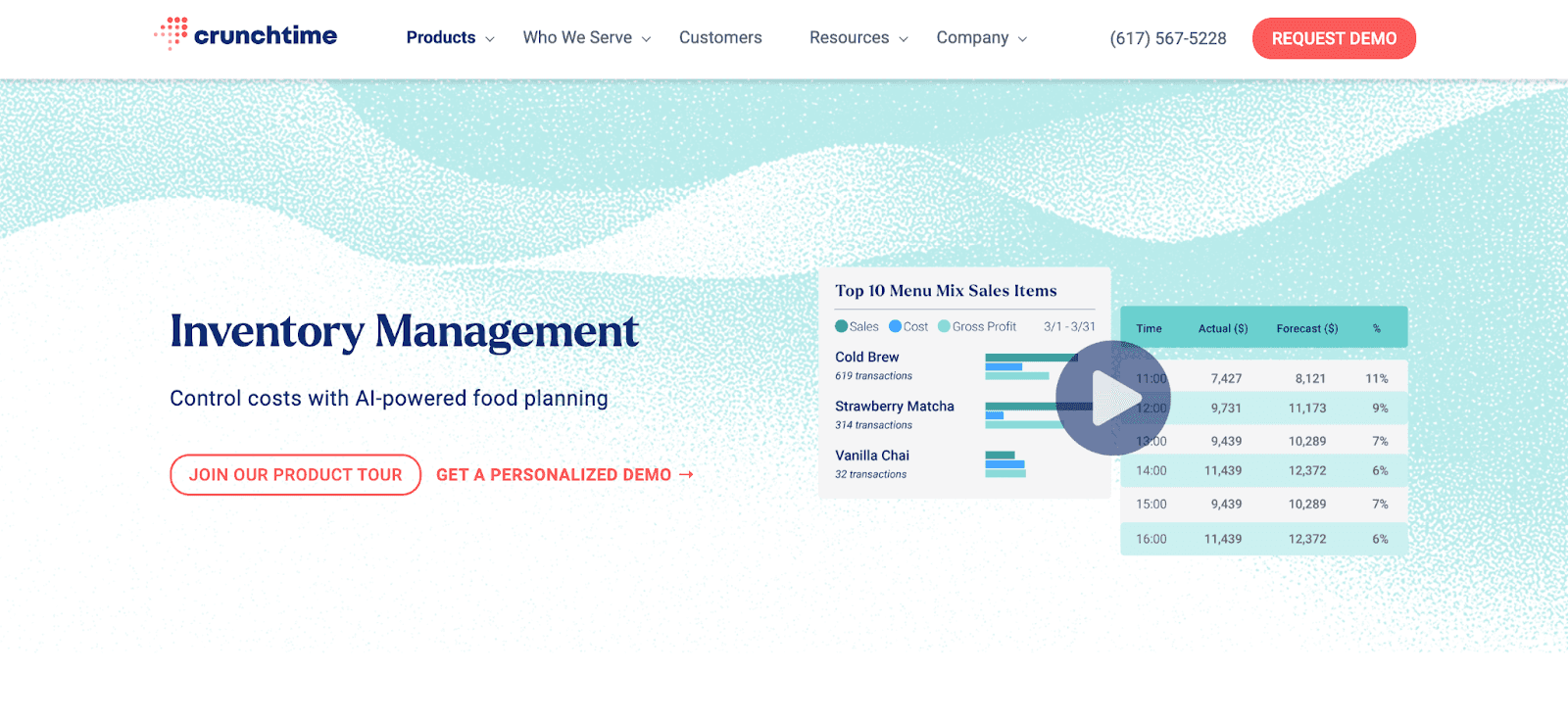
Food costs account for up to 30-35% of revenue for multi-unit restaurants. When planning does not align with operational reality, that cost quickly eats into the bottom line.
AI can provide the real-time information you need to understand your on-hand inventory and stay ahead of your costs.
Here are some major features that a good AI for restaurant inventory management should have:
AI-powered inventory forecasting
Suggested ordering
Suggested prep throughout the day
4. Operational Insights
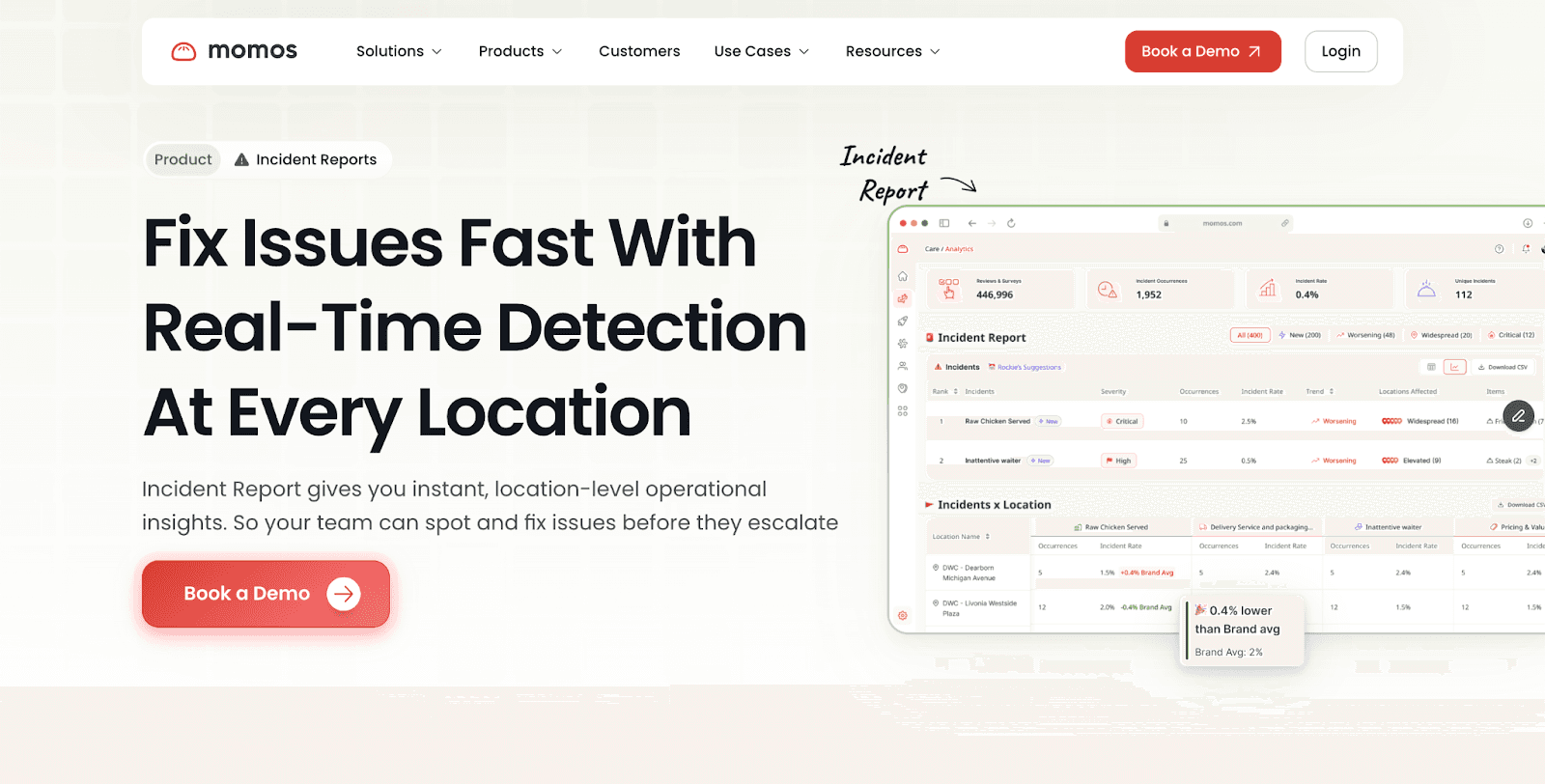
AI can surface patterns and anomalies of your restaurant operations for you to make informed decisions.
Key features include:
Anomaly Detection: Automatically flags unusual drops in sales, rising food costs, labor overruns, or sudden review score declines.
Root Cause Analysis: Connects data across POS, labor, inventory, and guest feedback to explain why something is happening, not just that it happened.
Shift & Location Benchmarking: Compares performance across managers, dayparts, and stores to identify operational gaps.
5. Employee Scheduling & Training
Many local restaurants manage employee scheduling in Excel and rely on experienced staff to train new members.
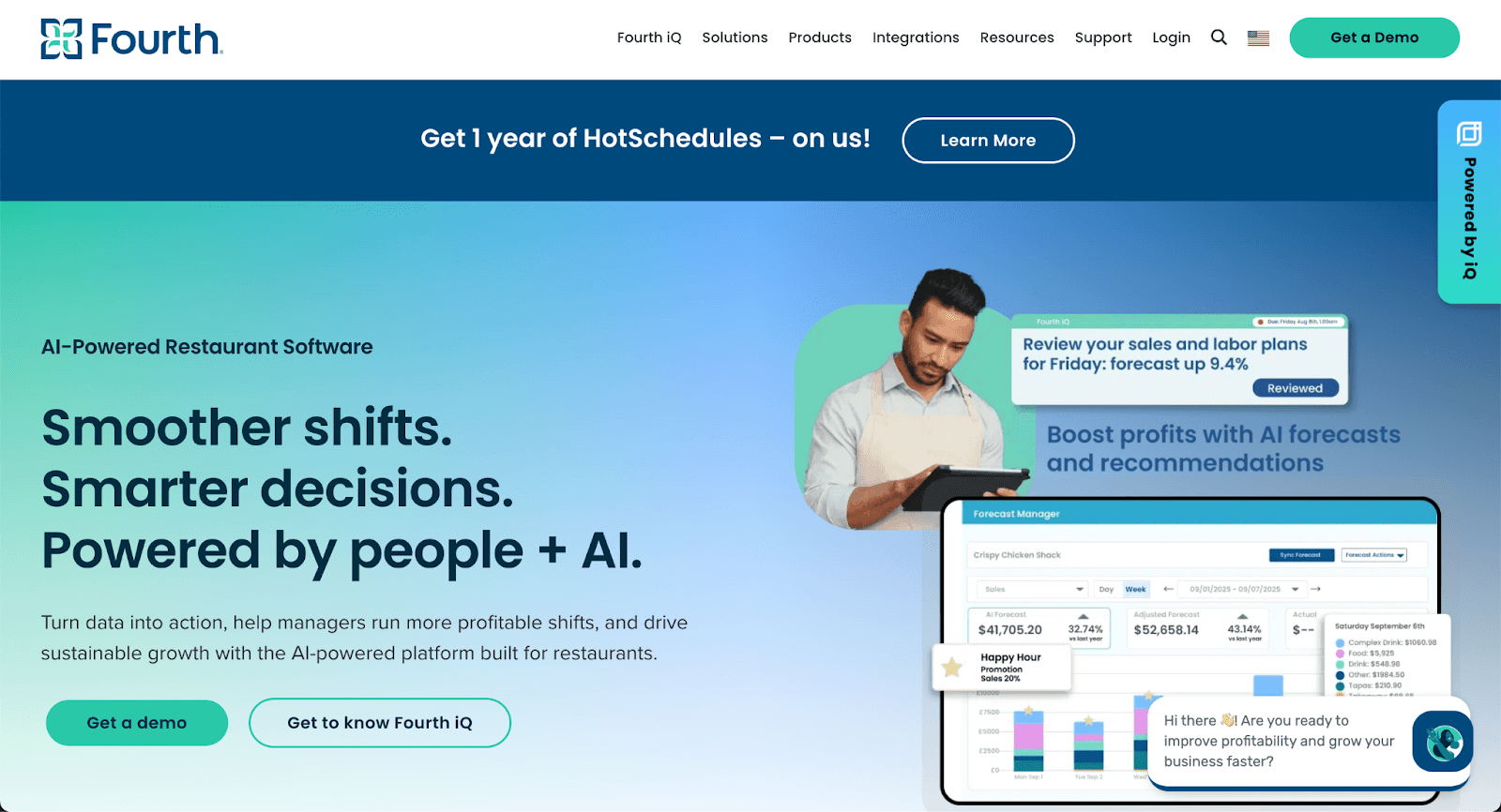
As they scale, it’s important to have a system that can handle the increased volume. Of course, that’s where AI comes in:
Smart staff forecasting per shift based on historical data analysis
Automatic schedule builder based on demand
Real-time labor cost tracking
Personalized employee training based on role and performance
6. Phone Answering & Voice Ordering
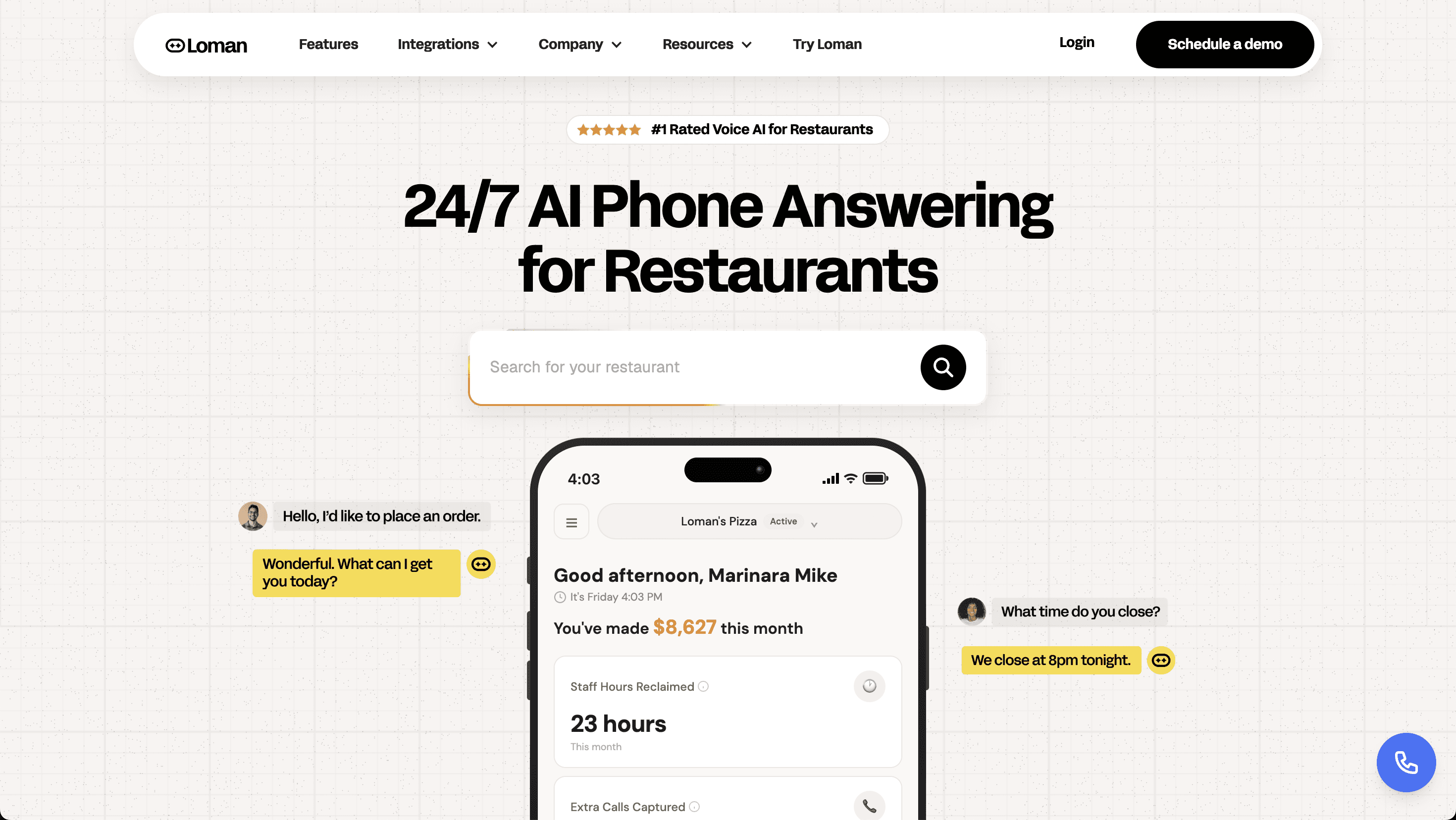
There are AI voice agents with incredibly realistic tones to help you handle phone calls during peak hours. They come with all the benefits of an AI-powered service:
24/7 AI Call Handling
Automated reservation & order taking
Smart call routing if the case is too complex
Call insights & analytics
7. Compliance & Payroll
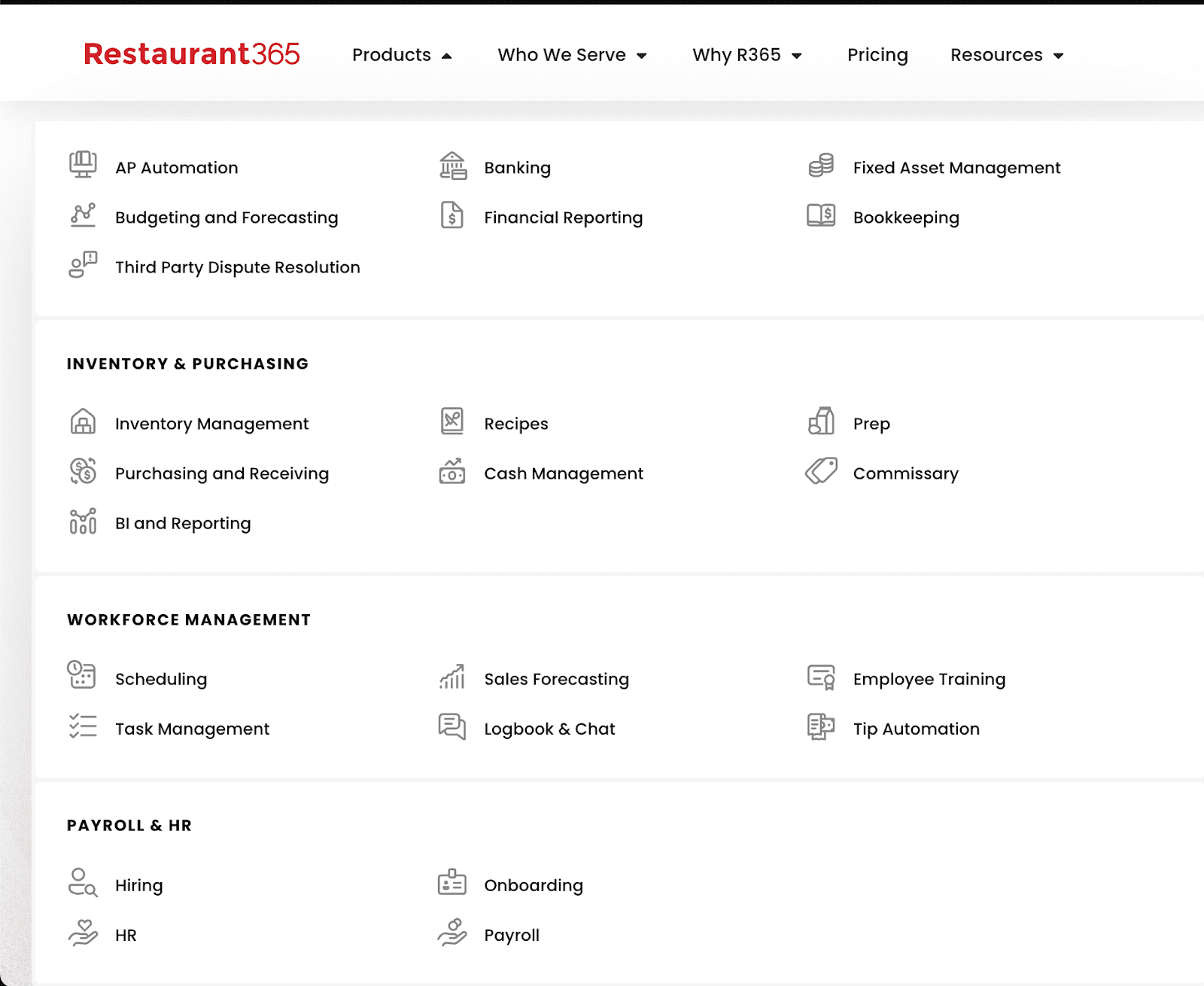
For HR tasks, most HR platforms do the job well. However, I highly recommend that you go with a restaurant-specific platform. Some restaurant management systems come with built-in payroll features.
8. Loyalty Programs
As competition increases, relying on punch cards as a loyalty program is no longer enough.
Here’s how AI can help you build a more targeted loyalty program to increase repeat visits:
Segment guests based on their engagement
Personalize rewards
Trigger automated campaign based on events such as birthdays, 30 days since last visit, spending milestones, etc..
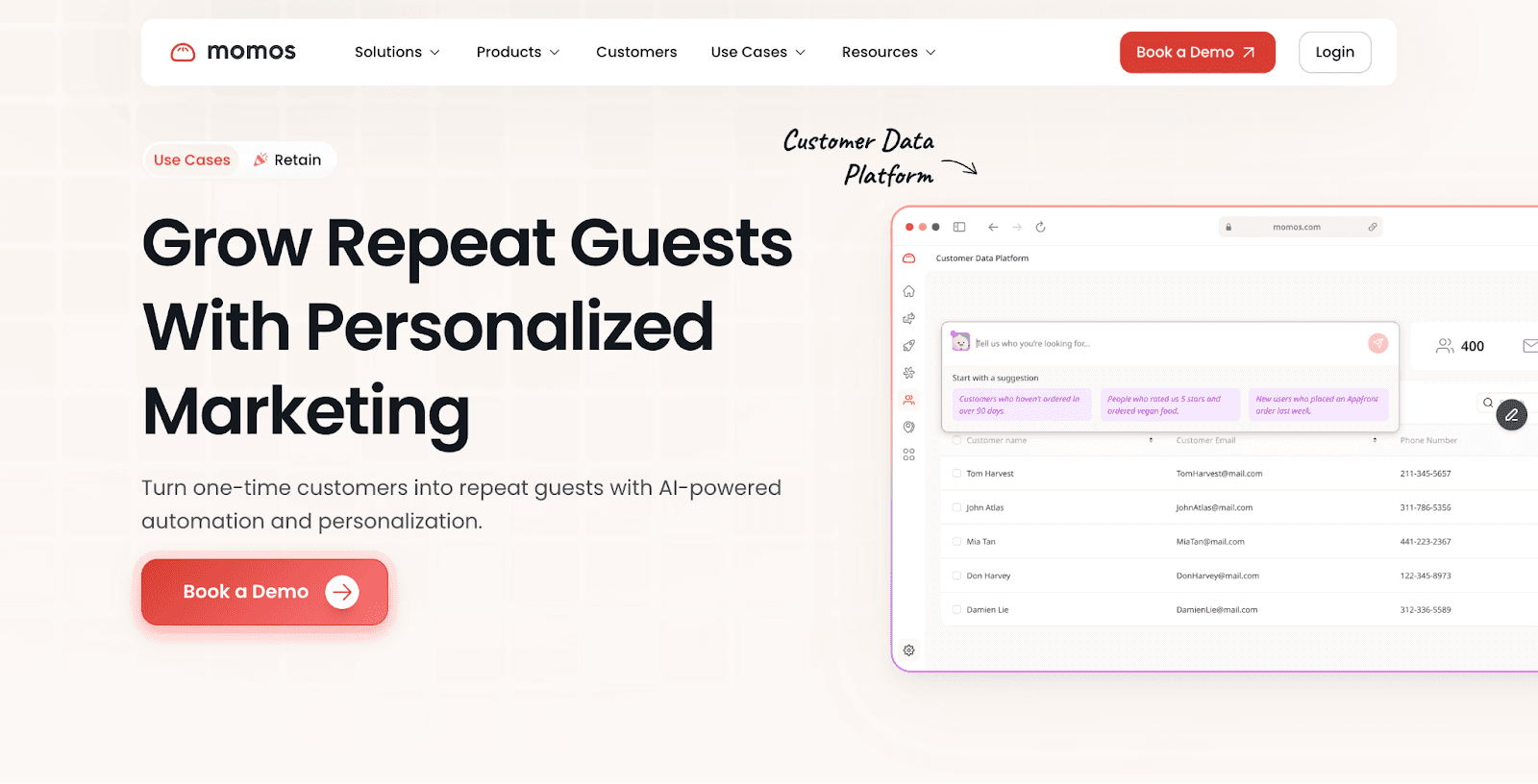
- Consolidate guest feedback from all sources
- Analyze sentiment to segment guests
- Automate workflows to trigger personalized offers based on key actions like purchases or birthdays
- Send timely promotions via email and SMS without the manual work
- Make data-driven decisions to boost guest lifetime value and ROI
9. Menu Optimization
AI-powered menu optimization platforms connect directly to your POS and continuously analyze:
Sales mix (what sells the most)
Contribution margin (what makes the most profit)
Item performance by daypart
Modifier and combo behavior
Seasonal trends and demand shifts
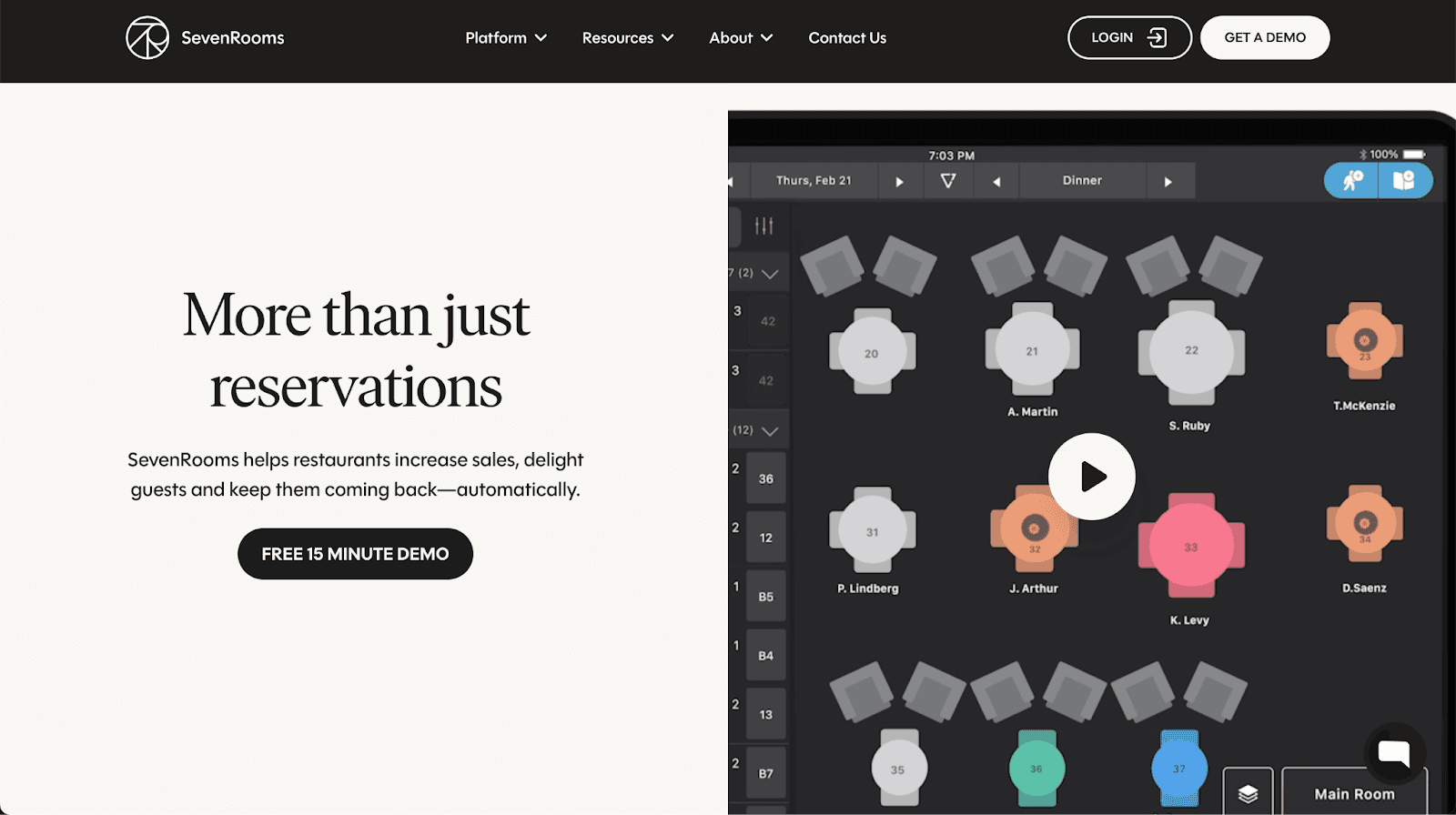
10. Table Management
Here are the features of a good software for table management:
Smart seating optimization
Waitlist prediction
Service pacing control to prevent kitchen overload or front-of-house bottlenecks.
Turn-time forecasting
AI For Restaurants FAQ
1. How can restaurants get started with AI?
For most restaurants, the easiest place to start is with a task that takes up a lot of staff time or regularly gets missed. Common starting points include:
AI phone answering and reservations
Review responses and guest feedback analysis
Personalized marketing campaigns
Demand forecasting and table management
Repetitive administrative tasks
Restaurants do not need to implement AI across every part of the business at once. Starting with one clear use case makes it easier to measure the value before expanding to other areas.
2. How can AI help restaurants manage phone reservations?
AI phone systems can answer restaurant calls 24/7 and handle many of the questions that would normally require a host or manager. Depending on the system, the AI can take reservations, process cancellations, answer common questions, and collect guest information.
When a request is more complicated, the system can transfer the call to a staff member. This means restaurants can reduce missed calls without taking the human element out of guest service.
3. What restaurant tasks can AI automate?
AI can help with a wide range of restaurant tasks, from guest communication to back-office operations. Some common examples include:
Phone calls and reservation requests
Online review responses
Guest feedback collection and analysis
Personalized marketing
Demand forecasting
Inventory management
Staff scheduling
Restaurant performance analysis
The biggest opportunity usually comes from tasks that are repetitive, time-consuming, or difficult for staff to handle consistently.
4. What is the difference between AI and restaurant automation software?
The main difference is how the technology makes decisions. Traditional automation follows rules that a restaurant sets in advance, while AI can analyze information, recognize patterns, and generate responses or predictions.
For example, an automated system might send every guest a follow-up email two hours after their visit. An AI system could look at the guest's history and feedback to determine what type of message would be most relevant.
Many restaurant technology platforms now combine AI and traditional automation, so the two are not necessarily separate solutions.
5. Can AI replace restaurant employees?
In most restaurant use cases, AI is designed to support employees rather than replace them. AI can take care of repetitive work such as answering routine calls, analyzing reviews, and processing large amounts of customer data.
This gives restaurant teams more time to focus on the parts of hospitality that require a human touch.
6. What should restaurants consider before implementing AI?
Restaurants should look beyond the AI itself and consider how well the technology fits into their existing operations. Important factors include:
The problem the AI is actually solving
Integration with existing restaurant systems
Whether the solution is built specifically for restaurants
How much human oversight the AI requires
Data security and privacy
The expected impact on revenue, costs, or staff time
How the restaurant will measure success
The best AI implementation is usually not the one with the most features. It is the one that solves a real operational problem and delivers measurable value.
 AI agents automate all guest interactions, 24/7, across all locations of your restaurant.


" transform="translate(3.219 19.212)" width="152.45224485148515px"/><path d="M 0 11.619 C 7.071 11.39 33.491 21.738 40.35 21.268 C 38.499 18.19 37.116 14.915 35.507 11.625 C 33.7 7.867 32.587 3.926 31.702 0" fill="transparent" height="21.28391189647101px" id="I9fuJaf7q" stroke-dasharray="" stroke-linecap="round" stroke-linejoin="round" stroke-width="4.97" stroke="rgb(0, 0, 0)" transform="translate(139.727 55.754)" width="40.34950693069311px"/></svg>)