How To Respond To Customer Feedback? A Practical Guide
Written By: Vincent Nguyen
Customer feedback is powerful when you have a brick-and-mortar local business.
They boost your rankings on Google Map Pack, which helps with local SEO.
They establish trust in your customers long before they step into your store.
They help you identify which part of your operations is doing well and which needs extra attention.
It’s important to treat customer feedback as a “gift” from your customers. They took the time to share what they think about your business. You get to see your business through their eyes. That brief glimpse can completely change the course of the guest relationship. The direction it takes depends on how you handle the situation.
In this article, we will share with you:
How to handle positive/negative reviews gracefully and professionally
What to keep in mind when responding to guest feedback
What technologies you can use to better manage your reviews
How you can encourage your customers to leave more feedback
Let's dive right in!
Why Do You Need Customer Feedbacks?
Your reputation directly affects whether people walk through your door or walk past it. The data makes this hard to ignore:
| Stat | Insight | Source |
|---|---|---|
| 92% of food consumers | read online reviews before deciding where to eat | ElectroIQ |
| 5–9% revenue increase | from just a one-star increase on a review platform | Harvard Business School |
| 35% higher return rate | for restaurants that respond to reviews | MarketingLTB |
| 68% of diners | more likely to leave a review if the owner personally responds | MarketingLTB |
| 73% of diners | will choose a competitor if a restaurant doesn't respond to messages | Sprout Social |
| 61% of unhappy customers | will return if their issue is resolved quickly | Semrush |
| Only 5% of businesses | respond to reviews — despite 89% of consumers expecting one | WiserReview |
| 46% of diners | check Google reviews first, ahead of Yelp, TripAdvisor, and OpenTable | Spokk |
There are three types of reviews: positive, negative, and fake reviews. Let’s explore how to handle each type.
How To Respond To Positive Customer Feedback
Who wouldn’t like a 5-star review? When you receive a positive review, really take the time to craft a response while your guest is still so happy with the experience:
Respond within 24-48 hours: Timely responses signal that you're attentive.
Use their name if it's available: Personalization turns a generic thank-you into a genuine moment.
Reference something specific they mentioned: For example, if they loved the pasta, mention it back. It shows you actually read it.
Apologize if something wasn't right: Even positive reviews may come with some small complaints. Catching and addressing those micro-complaints publicly shows a level of care that most restaurants completely miss.
Invite them back: A simple "we can't wait to see you again" closes the loop and nudges a return visit.
Explore further: 12 Best AI Tools to Respond to Reviews
How To Respond To Negative Reviews?
Nobody likes negative reviews, and, unfortunately, negative reviews are only left when your guests are really dissatisfied. So, it’s critical that you handle it quickly and gracefully.
This is a good example of how to handle negative reviews for your restaurants:
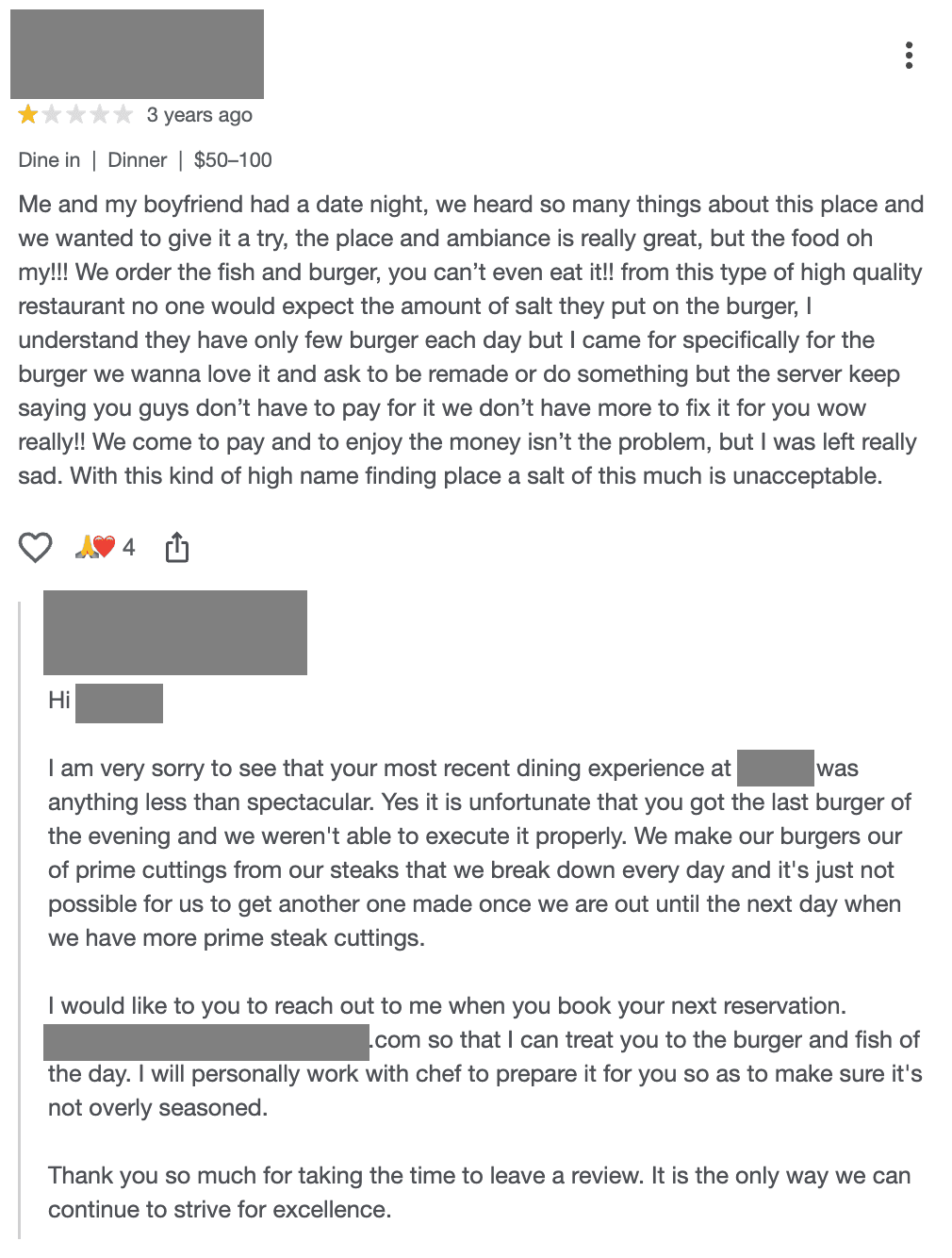
Here’s the full process of responding to negative reviews:
How To Respond To Unfair Reviews?
Fake reviews are more than frustrating, but it’s important to stay calm. Here is how to handle them:
Stay composed in your public response. Even if the review is completely fabricated, a defensive response makes you look worse than the review itself. Keep it short, professional, and factual. Something like "we have no record of this visit but would love to connect directly to understand more" is enough. It signals to future readers that you take feedback seriously without validating a false claim.Never get into a public argument. The more you engage, the more visible the review becomes. Say your piece once, cleanly, and move on.
Report it for removal. Every major platform has a process for flagging reviews that violate their content policies. Grounds for removal typically include reviews from someone who never visited, competitor attacks, reviews with hate speech or irrelevant content, and reviews posted for the wrong business. On Google, use the flag icon next to the review. On Yelp and TripAdvisor, you can use their dedicated reporting tools.
Follow up if the platform doesn't act. A single flag often isn't enough. If your report is initially rejected, appeal it with more context. Document the review, explain why it violates policy, and escalate if needed. Platforms do remove fake reviews, it just sometimes takes persistence.
Document patterns. If you suspect a coordinated attack, such as multiple fake reviews appearing in a short window, keep records.
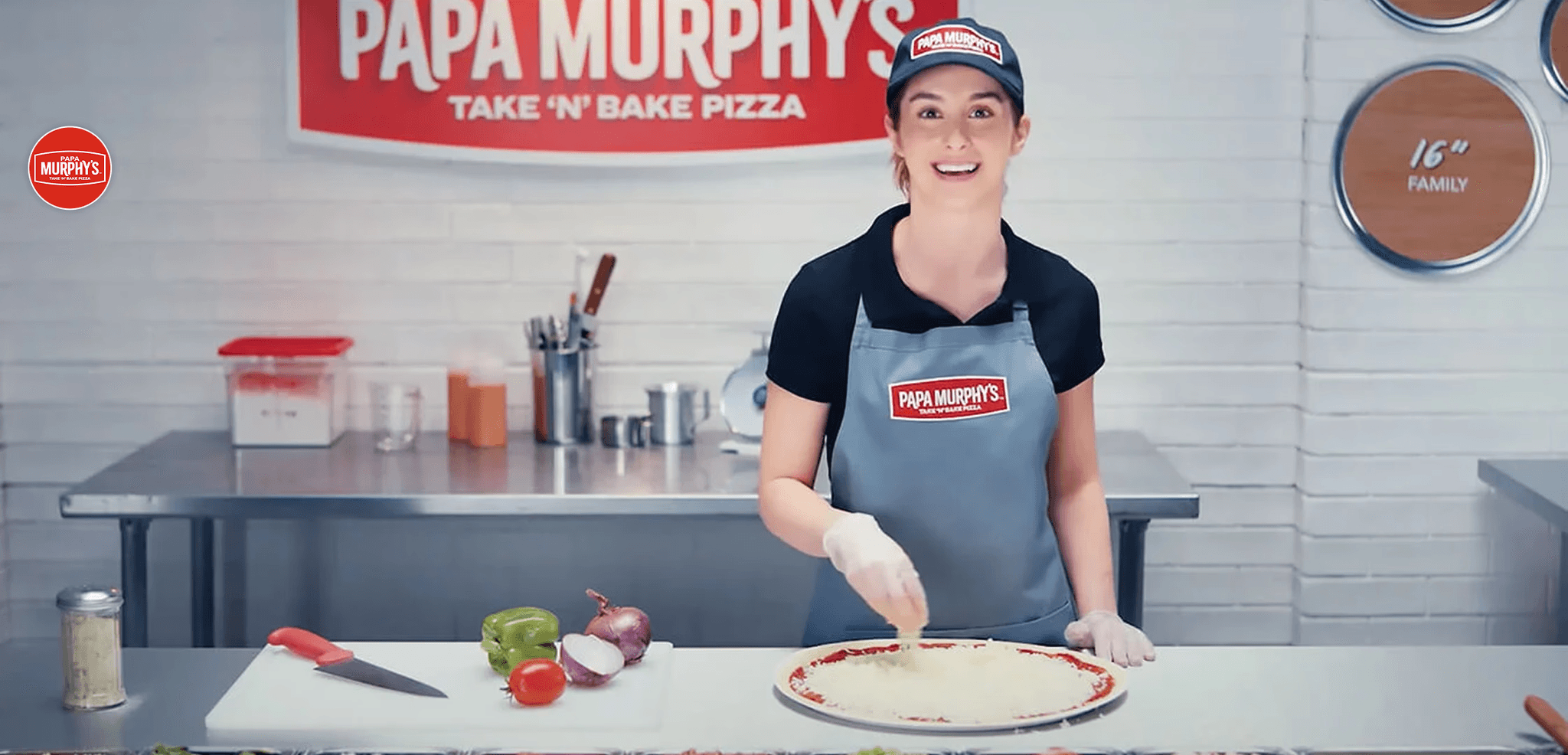
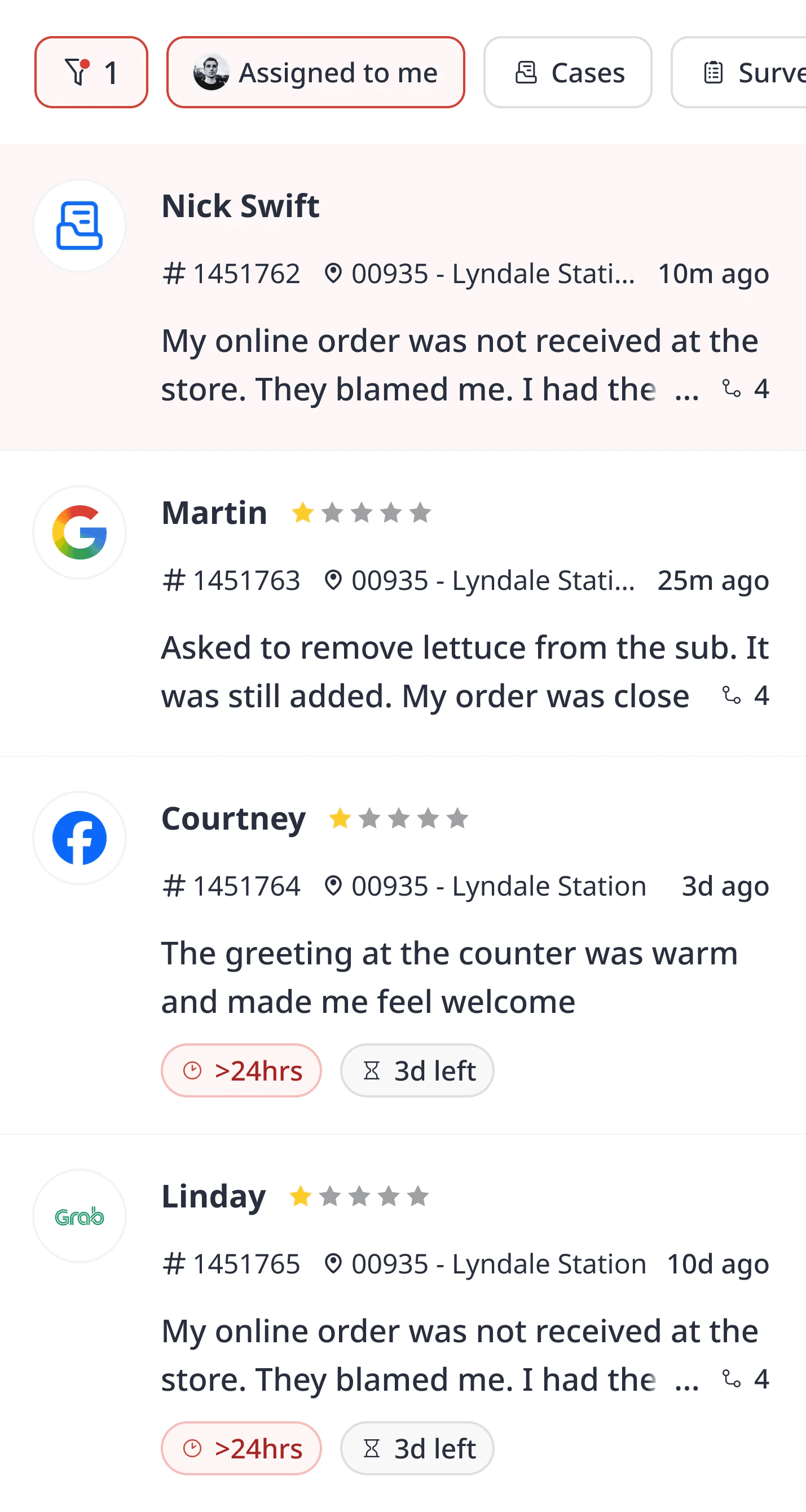
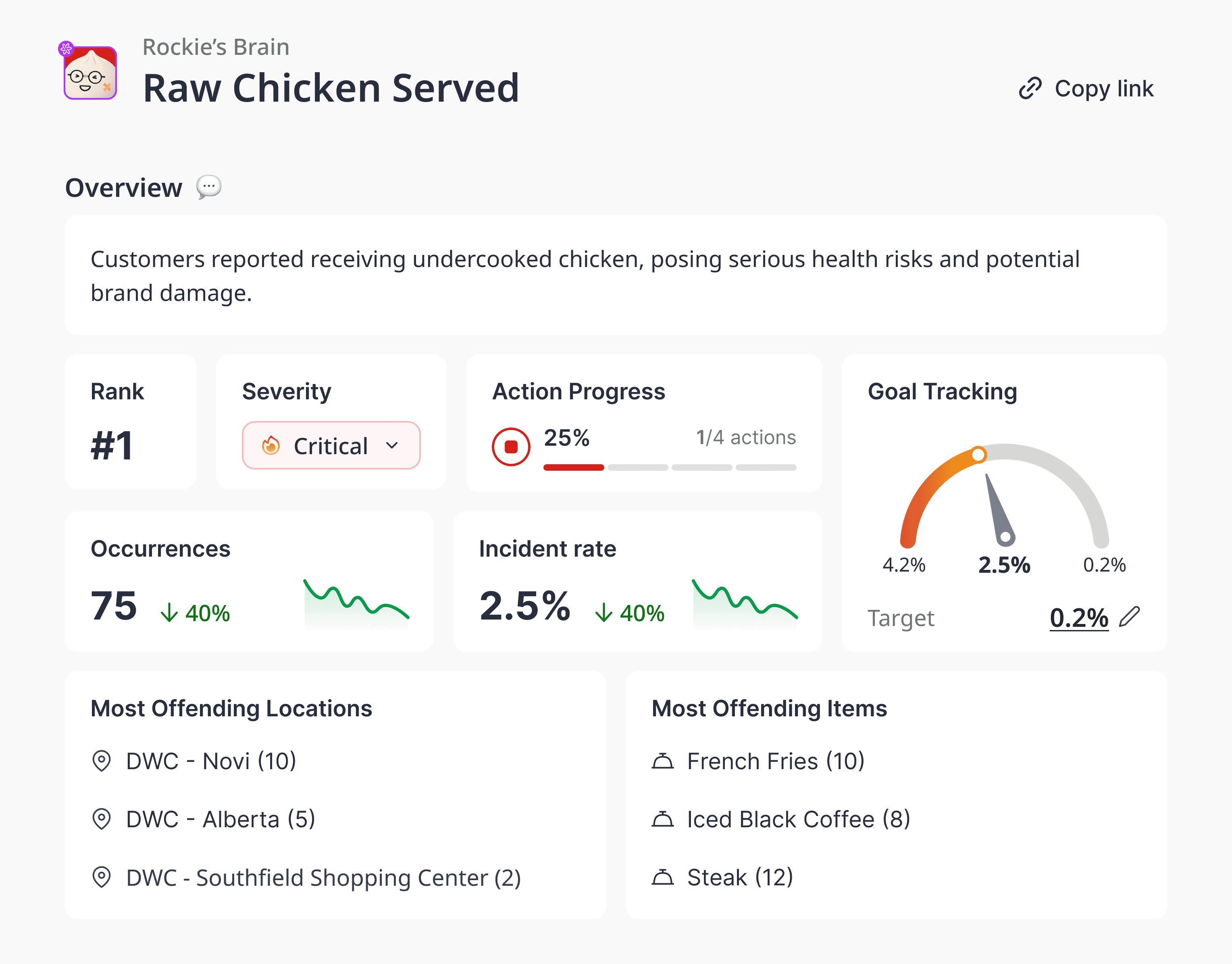
Papa Murphy's, one of the largest take-and-bake pizza chains in North America, wants to keep track of customer sentiment across their massive franchise network. With Momos, they successfully centralized review monitoring across every location — surfacing patterns, flagging underperforming stores, and enabling managers to respond faster than ever before.

How To Ask For Feedback From Customers?
Most customers only leave reviews when they're really happy or really unhappy. To get reviews, you need to be proactive. And you must do it in the right place, at the right time.
Usually, the best time to ask for feedback is:
Right after the meal (table touchpoint): When staff notice a happy table (clean plates, compliments), they can say: "Glad you enjoyed everything. Would you mind leaving a quick review? It really helps us."
QR code on the receipt or table: Print a QR code on receipts or table cards that links directly to your review page. This is best used when customers are waiting for the bill or just finished eating.
Immediately after payment: Train cashiers or servers to ask right after a smooth checkout: "Everything good today? We'd love a quick review if you have a second."
Post-visit SMS (within 1–2 hours): If you collect phone numbers (reservations, WiFi login), send: "Thanks for dining with us tonight! How was everything?" and include a direct review link.
Reservation follow-up (same day): For bookings, send an automated message after their reservation time ends asking for feedback while the experience is still fresh.
You can also use a restaurant survey software to build surveys and integrate with your techstack.
Explore further: 50+ Restaurant Survey Questions To Collect Guest Feedback
Key Metrics and KPIs For Restaurant Reputation
You can't manage what you don't measure. Here are some of good KPIs that show how good the reputation of your restaurant is:
Want to manage all of your restaurant reputation metrics? Momos AI review manager can help you consolidate and surface all insights in one dashboard.
Explore further: 42 Best Restaurant Performance Metrics
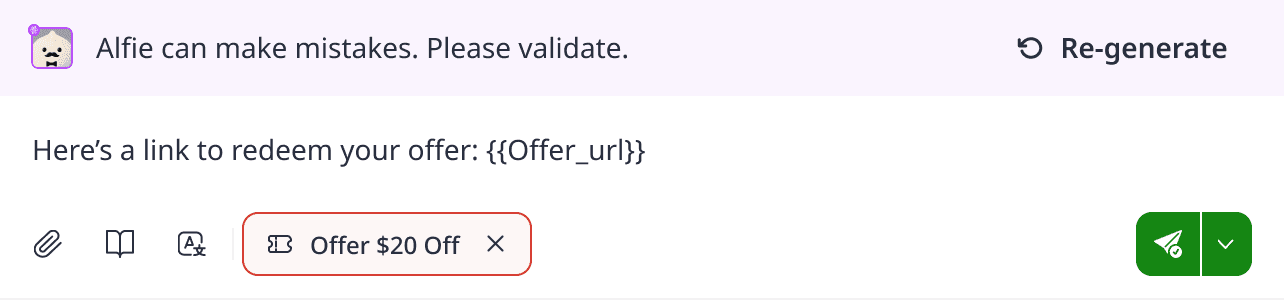
 AI agents automate all guest interactions, 24/7, across all locations of your restaurant.


" transform="translate(3.219 19.212)" width="152.45224485148515px"/><path d="M 0 11.619 C 7.071 11.39 33.491 21.738 40.35 21.268 C 38.499 18.19 37.116 14.915 35.507 11.625 C 33.7 7.867 32.587 3.926 31.702 0" fill="transparent" height="21.28391189647101px" id="I9fuJaf7q" stroke-dasharray="" stroke-linecap="round" stroke-linejoin="round" stroke-width="4.97" stroke="rgb(0, 0, 0)" transform="translate(139.727 55.754)" width="40.34950693069311px"/></svg>)