How To Improve Restaurant Efficiency?
Written By: Vincent Nguyen
Margins in the F&B industry are notoriously thin. You know that.
If you're a restaurant owner or franchise manager, a big part of your job is to optimize restaurant operations to improve consistency and control costs. It's crucial that you have a framework to base your decisions on.
And we're going to share with you that framework in this article.
3 Principles To Improve Restaurant Operations
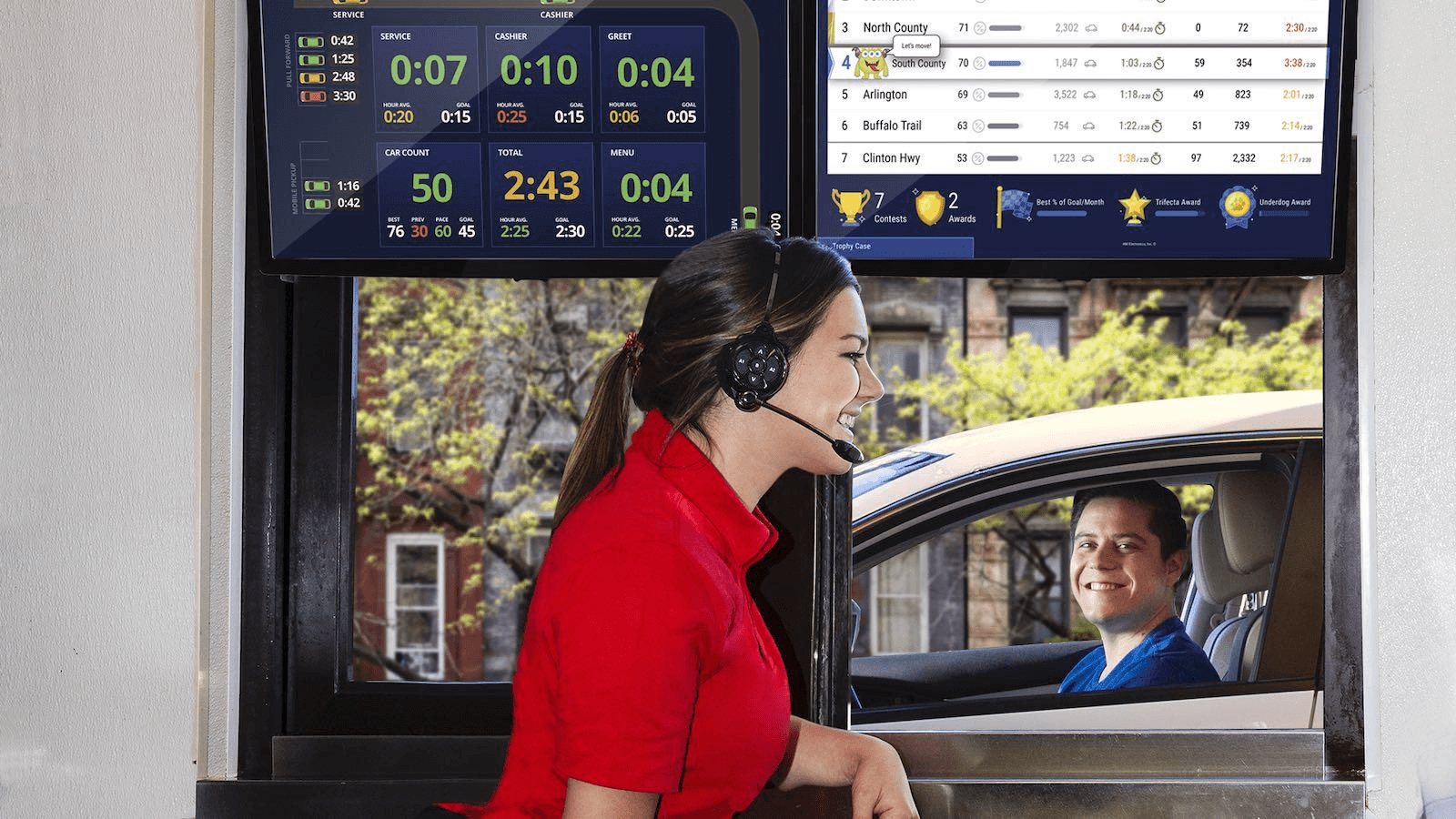
At its core, to improve restaurant efficiency is to standardize everything and remove the variables.
Standardization before scale: The biggest restaurant chains rely on a hyper-standardized system. Every process is broken into clear, repeatable steps. Training is simplified so a new hire can become productive as fast as possible. That's exactly what McDonald's did: they turned cooking into an assembly line, so that a burger in Tokyo should taste identical to one in New York.
Throughput over perfection: Large chains think in terms of flow rather than individual orders. They reduce decision-making time with limited menus and combos, design kitchens for movement efficiency, and obsessively track orders per hour, ticket time, and revenue per square meter. Starbucks and Chipotle accept "good enough" quality if it massively increases speed and consistency.
Centralize decisions, decentralize execution: At scale, chaos kills efficiency, so restaurant chains must centralize the thinking. HQ controls the menu, suppliers, pricing, and marketing, while individual locations focus purely on execution, local staffing, and day-to-day ops. Yum! Brands runs a global system where franchisees execute a pre-defined playbook. The less each location has to "figure out" how to do something, the faster and more efficient it becomes.
11 Tips To Improve Restaurant Efficiency
Here are our 11 tips to improve your restaurant efficiency:
1. Create detailed SOPs for every core task
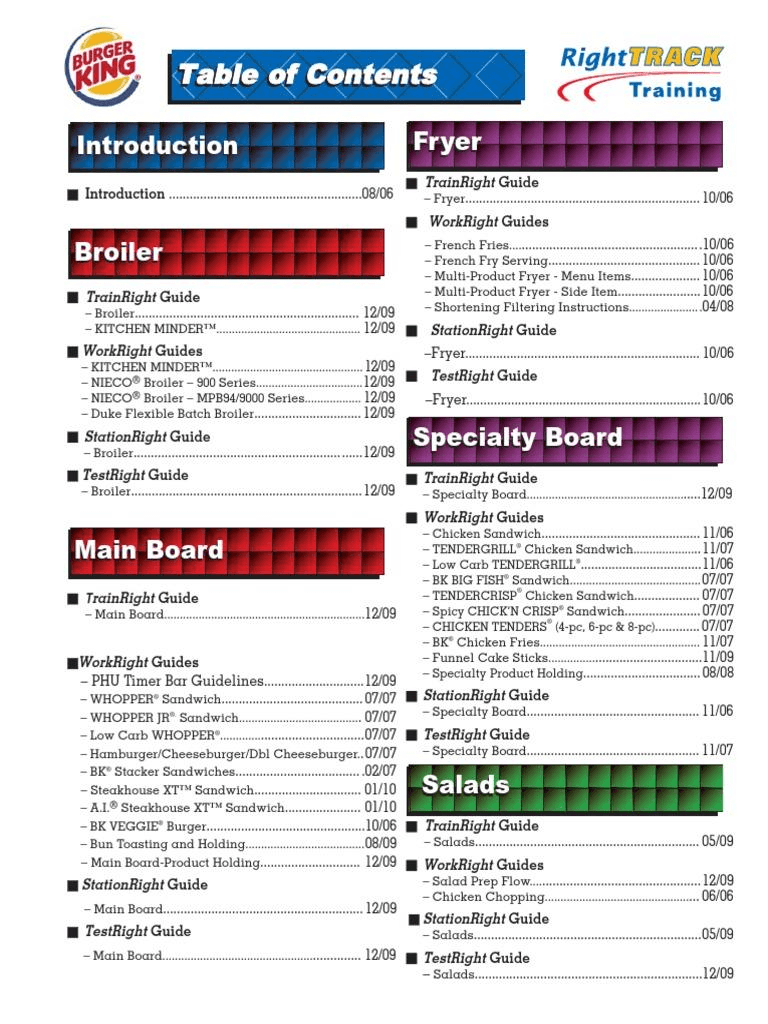
SOP (Standard Operating Procedure) is the lifesave of all service-based businesses.
You'd need SOPs for specific tasks, but you also need SOP for documentation, which is literally a document on how to document so all documentation looks identical and you can't tell who wrote it or that it was written by someone else.
For starters, you'd want to have an SOP template with:
Title: The name of the SOP
Purpose: Why this exists
When to use: Trigger (e.g., “Start of morning shift”)
Who is responsible: Role, not person
Step-by-step actions (numbered, with actionable description of what to do)
Checklist version (for execution)
Photos/videos (this is CRUCIAL in restaurants)
To document restaurant SOP, you can use Google Drive/Notion if you're still early and casual. However, as your restaurant grows, you'd love to have a dedicated system to manage your SOP.
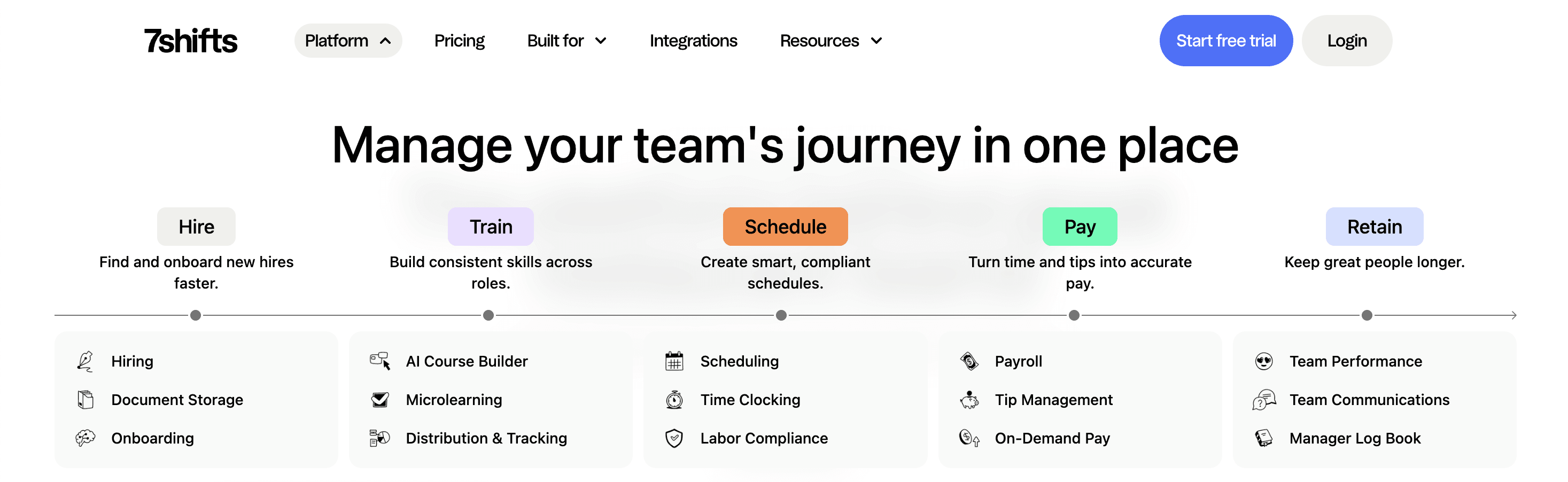
For team management, we highly recommend 7shifts. It is a cloud-based restaurant team management and scheduling platform, designed specifically for restaurants to handle day-to-day workforce operations like scheduling, time tracking, payroll, and staff communication in a single app. It’s widely used by independent restaurants and multi-location brands across North America.
2. Optimize your menu
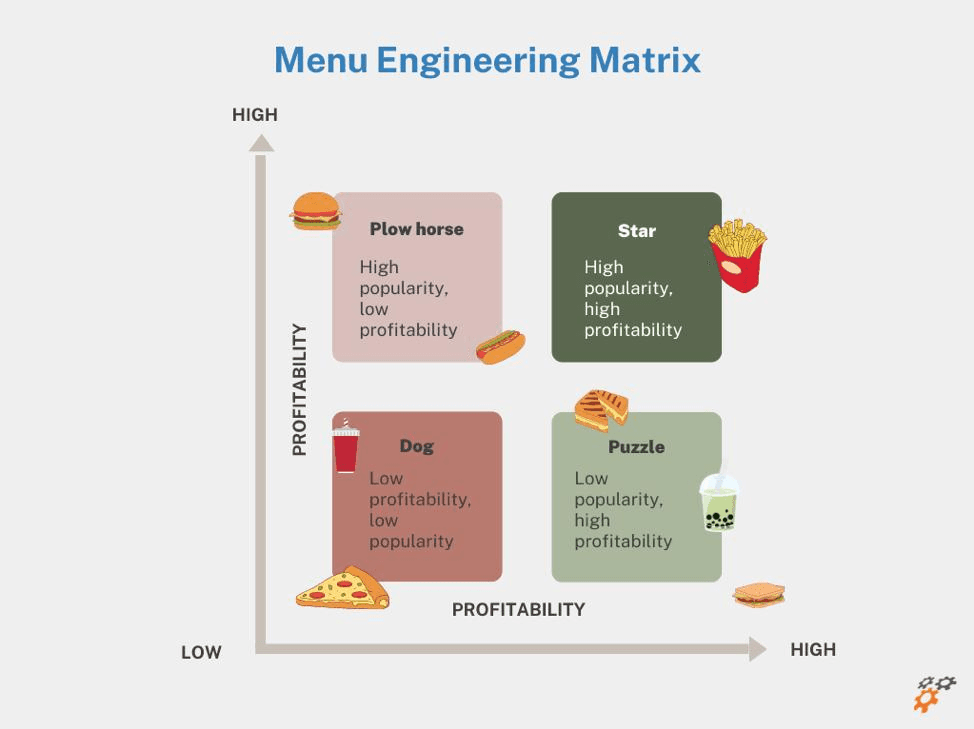
Not all items on your menu are born equal.
High-performing chains design menus for speed, consistency, and margin control.
Make it a habit to review menu performance regularly using sales data and customer feedback. Look at both popularity and margin, not just one or the other. A dish can be a crowd favorite and still be dragging down your bottom line.
You can use the matrix above to do Menu Engineering. It maps every item on your menu across two dimensions:
X-axis (horizontal): Profitability → how much money you make per item
Y-axis (vertical): Popularity → how often it sells
From that, you have 4 types of items:
Stars (high profit, high popularity): these are your best items. Feature them, keep them fast and consistent, never run out, and push volume through them
Plow Horses (low profit, high popularity): these items sell well but have weak margins. The goal is to raise prices slightly over time, reduce cost/portion, and bundle it with high-margin add-ons
Puzzles (high profit, low popularity): these have good margins but low sales. You can try improving naming, placement, and have staff recommend them to increase orders
Dogs (low profit, low popularity): these items don’t sell and don’t make money. Just remove or redesign to reduce waste and complexity.
3. Streamline Inventory Management
Food waste is a direct hit to your bottom line. According to ReFed, food service companies generated 35 million tons of food waste in 2025 alone, and that costs them $260+ billion.
Of course, most of it is preventable with the right systems in place.
Start by implementing an inventory management system that tracks stock levels in near real time, automates purchase orders, and flags items approaching expiration before they become a problem. From there, build a culture of waste awareness across your team:
Train staff on proper food handling, storage, and preparation techniques
Monitor customer plate waste to identify dishes that are consistently left unfinished
Regularly review supplier performance on quality, reliability, and pricing, and don't hesitate to renegotiate terms when the numbers don't add up
You should leverage technology. Top software options vary based on your restaurant's size and current technology stack:
Best for Toast POS Users: xtraCHEF by Toast offers native integration with Toast systems, invoice scanning, and automated recipe costing.
Best for Single-Location & Mobile Reordering: MarketMan starts around $199/month and is celebrated for its mobile-first design and easy-to-use vendor ordering.
Best for Bar & High-Volume Inventory: MarginEdge starts at $330/location/month and stands out for its robust invoice processing and recipe analysis.
4. Enhance Customer Experience
Guests today have more options than ever. Search engines, delivery apps, and online ordering have made it effortless for customers to switch their option. That means the experience you deliver inside (and outside) your four walls has never mattered more.
The foundation is still great service: fast, reliable, and consistent. But the operators pulling ahead are going a step further by personalizing the experience using data they already have.
That's exactly what Momos' Rockie is built for.
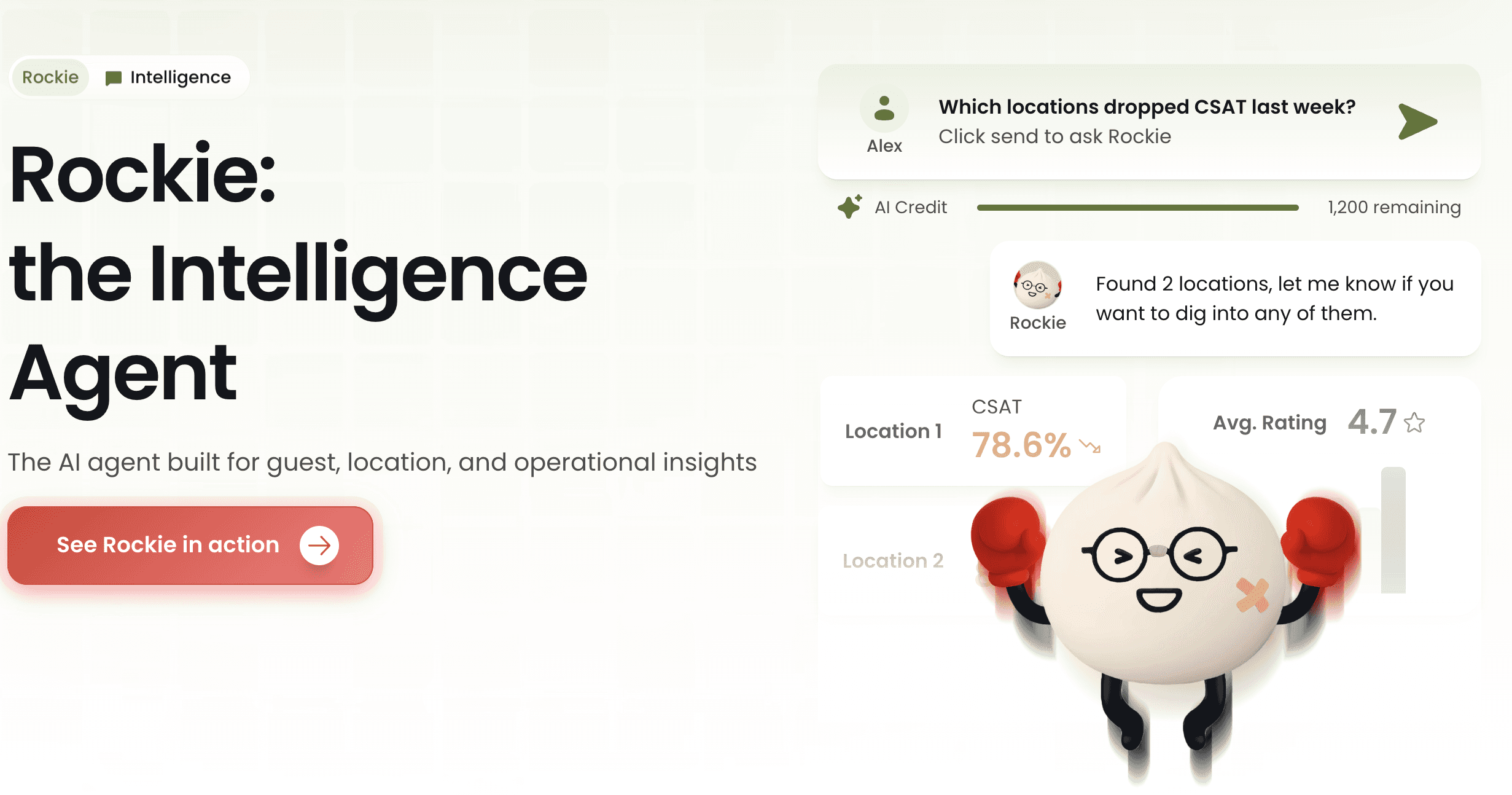
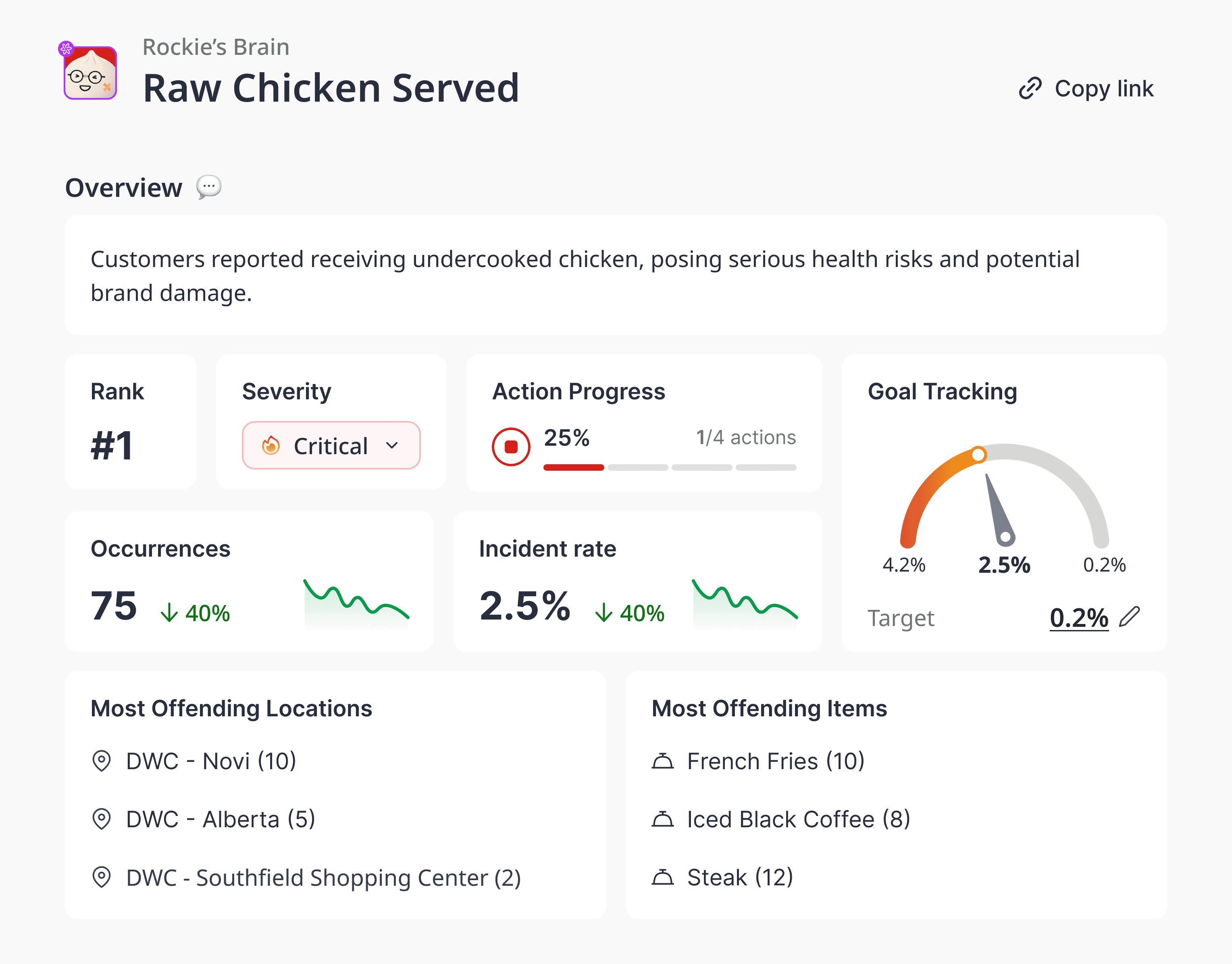
Rockie is purpose-built for restaurant operators who need to stay on top of guest sentiment, location performance, and operational health.
Here's what Rockie does:
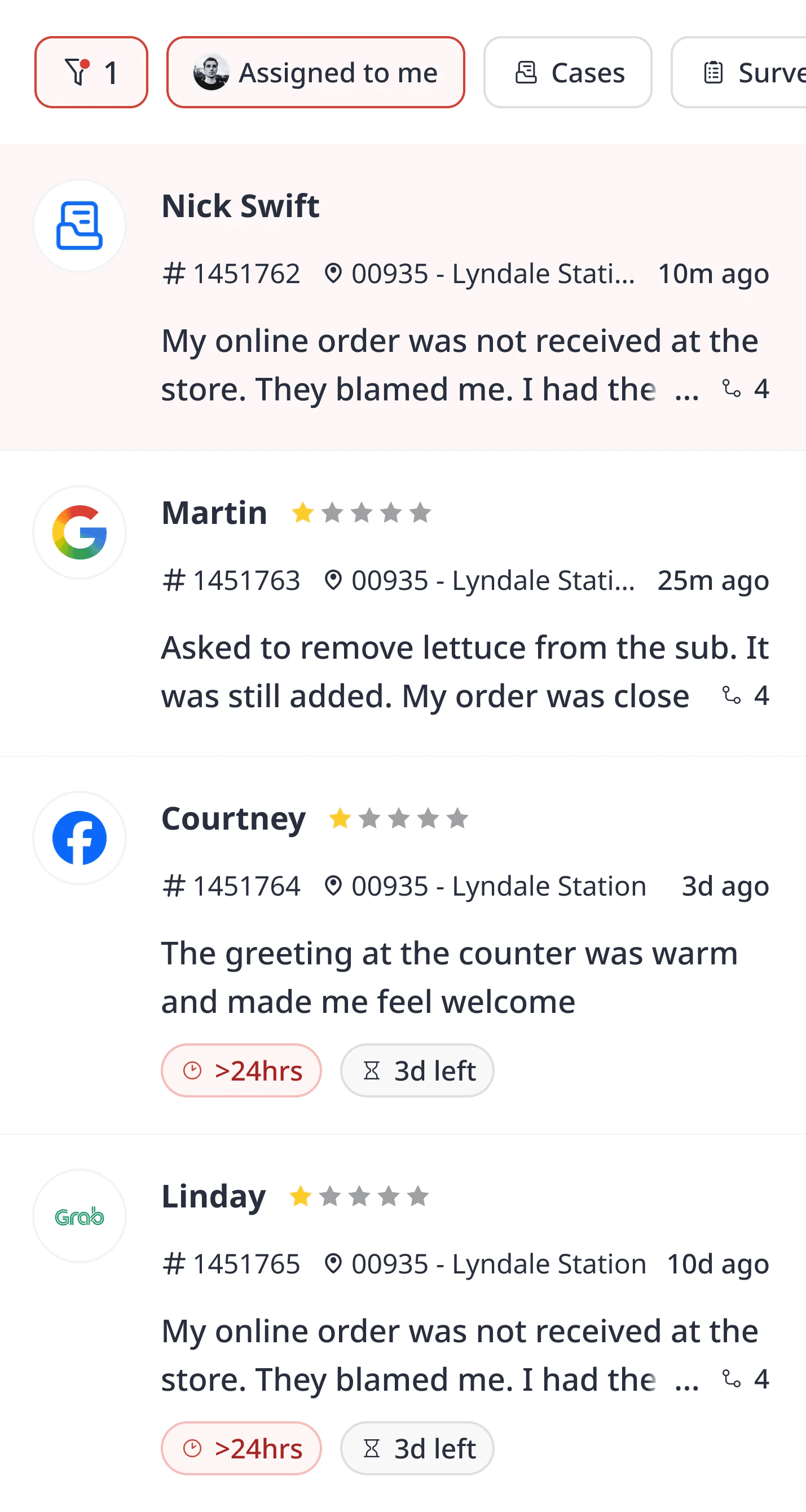
Identifies which locations dropped CSAT, why it happened, and what to do about it, with root cause analysis across every data source, automatically
Benchmarks every location against brand standards and against each other, so HQ always knows where to focus
Surfaces guest sentiment patterns before they become reputation problems
Delivers personalized operator reports straight to your phone, every day or week
Connects every insight to a clear next step
5. Leverage technology
The operational visibility gap between high-performing restaurant groups and the rest is increasingly a technology gap.
The operators who can see across locations, pull real-time data, and act on it quickly are the ones making faster, smarter decisions.
Invest in restaurant management software that connects your siloed operations (sales, inventory, accounting, payroll) into a single source of truth. Industry-specific platforms built for F&B will save you significant configuration time and come with features like table layout management and reservation tracking out of the box.
6. Ensure Consistent Quality and Safety
Consistency is what turns first-time guests into regulars. In multi-location operations, it's also one of the hardest things to maintain at scale, which is exactly why it needs to be systematized rather than left to individual judgment.
Start by building food safety protocols that are specific to your kitchen. Generic checklists only go so far. Think through your actual ingredients, equipment, and risk areas, and design your protocols around those realities. Then pair them with training that's ongoing, not just a one-time onboarding box to check. Your team should be regularly refreshed on:
Food safety and handling standards
Quality control at every stage of service
Customer service expectations and how they connect to your brand
Cleanliness and hygiene are worth treating as brand standards. You guests notice everything, from the dining room to the restrooms to how your kitchen looks during an open-kitchen service. Keep your standards current as regulations evolve, and help your team understand the reasoning behind each practice.
When people know the why, they follow through far more reliably.
7. Invest in Financial Management and Cost Control
Profitability in restaurants is rarely a revenue problem. More often, it's a cost management problem.
The operators building durable margins are the ones who know their numbers well and check in on them consistently.
Start with a financial plan that's grounded in your actual business goals, then revisit it regularly as real results come in. Ingredient costs shift, market conditions change, and last quarter's assumptions won't always hold. The metrics every operator should have a close eye on:
Food and labor cost percentages
Revenue per seat
Item-level profit margins
Don't keep these numbers siloed in your finance function. When your floor managers understand how specific decisions affect profitability, they make smarter calls in the moment. And when supply chain disruptions hit, having real-time financial visibility means you're responding quickly rather than finding out weeks later when it's already cost you.
8. Improve Marketing and Community Engagement
Growth matters, but not at the expense of the customers who already love you.
The best restaurant marketing strategies do both at once: bring in new guests while making your regulars feel even more valued.
Loyalty programs, targeted promotions, and trend-driven menu additions are all solid tools. Just watch them carefully. Heavy discounts applied too broadly can eat into margins quickly, especially when they're going to guests who would have come in anyway. A few things worth building into your marketing approach:
A clear, consistent brand identity that reflects your concept and values
Messaging that stays coherent across social media, your website, local ads, and the in-person experience
Regular reviews of campaign performance and their impact on margins, not just traffic
Community engagement is one of the most underrated growth levers in this industry. Showing up at local events, partnering with neighboring businesses, and sponsoring community organizations builds trust and visibility that paid advertising simply can't replicate. It also gives your regulars something to feel proud about when they tell their friends where they like to eat.
9. Adapt to Industry Trends
The restaurant industry moves fast. Customer preferences shift, new technologies emerge, and what felt fresh two years ago can feel outdated today. Staying ahead means making trend awareness part of your regular rhythm, not something you revisit once a year.
Read trade publications, get to industry events when you can, and pay close attention to what your own guests are telling you through their feedback and ordering behavior. Your restaurant management software should also be surfacing demand signals worth acting on.
When something new comes along, the key is being selective. Not every fad needs a menu change. Before committing, ask whether it genuinely fits your brand and your guests. That said, some shifts have moved well past trend territory into baseline expectation:
Plant-based and vegetarian options
Flexible dietary accommodation
Sustainable and locally sourced ingredients
The restaurants that last aren't just the ones that keep up. They're the ones that innovate with intention, finding ways to bring something new to their guests while staying true to what made people love them in the first place.
10. Use one source of truth for data
In multi-location restaurant operations, data fragmentation is one of the quietest profit killers. When your inventory lives in one system, your sales in another, and your labor costs in a spreadsheet someone updates manually on Fridays, you're not operating on facts. You're operating on lag.
The fix isn't more data. It's centralized data. When every location feeds into a single platform, your whole team is working from the same numbers at the same time. That means:
Consistent reporting across managers, operators, and finance
Faster identification of opportunities across your portfolio
Cleaner benchmarking between locations
Decisions made on what's actually happening right now, not what happened last week
The operators who scale successfully treat their data infrastructure the same way they treat their supply chain: as something that needs to be reliable, consistent, and built to grow with them. Pick a platform that integrates your POS, inventory, labor, and guest feedback, and make it the single place your team goes to understand how the business is performing.
11. Run experiments centrally, roll out globally
One of the biggest advantages of running multiple locations is something most operators are still sitting on: the ability to test before you commit.
Instead of rolling it out everywhere at once, you can pilot it in one or two locations, measure the results, and make an informed call before it touches your whole network.
The key is having a structured approach to how you test. A few principles that work well in practice:
Designate specific locations as test sites based on guest demographics, volume, or market type
Define what success looks like before the experiment starts, not after
Run tests long enough to get past novelty effects and see real behavioral patterns
Document everything centrally so learnings are accessible to the whole organization, not just the location that ran the pilot
When something works, you roll it out with confidence. When results point in a different direction, you've gathered valuable insight before making a wider commitment. This is how the best multi-location operators stay innovative while protecting their brand.
 AI agents automate all guest interactions, 24/7, across all locations of your restaurant.


" transform="translate(3.219 19.212)" width="152.45224485148515px"/><path d="M 0 11.619 C 7.071 11.39 33.491 21.738 40.35 21.268 C 38.499 18.19 37.116 14.915 35.507 11.625 C 33.7 7.867 32.587 3.926 31.702 0" fill="transparent" height="21.28391189647101px" id="I9fuJaf7q" stroke-dasharray="" stroke-linecap="round" stroke-linejoin="round" stroke-width="4.97" stroke="rgb(0, 0, 0)" transform="translate(139.727 55.754)" width="40.34950693069311px"/></svg>)