Connect your stack
Integrate your data sources, brand standards, and locations.

Written By: Vincent Nguyen
Running a restaurant has never been easy. But, in today's market, it can feel like navigating a maze of delivery apps, social media profiles, and shifting culinary trends.
Rising costs, fierce competition, and rapidly changing customer expectations all demand attention at once, with profit margins leaving little room for error.
To thrive under that pressure, restaurant owners and managers must constantly assess their operations, hunting for ways to cut waste and boost efficiency while finding new ways to keep guests coming back.
Here are 10 tips to help your restaurant perform at its best.
At its core, to improve restaurant operations is to do three things:
Keep a firm grip on costs: Food waste, overstaffing, and last-minute supply orders are the most common profit eaters. To control costs, you can use real-time inventory tracking, demand-based scheduling, and proactive supplier negotiation to reduce unnecessary spending.
Remove friction from every step of service: Slow tickets, ordering mistakes, and clunky payment processes hurt both revenue and the guest experience. Integrated POS systems, tableside ordering, and efficient kitchen workflows cut down on errors and free staff to focus on guests.
Turn feedback into action: Sales data, guest reviews, staff input all point to something fixable. Which menu items are underperforming? Where do service complaints repeat? Restaurants that treat this information as a regular operational input.
Most customers only leave reviews when they're really happy or really unhappy. To get reviews, you need to be proactive. And you must do it in the right place, at the right time.
Usually, the best time to ask for feedback is:
You can't fix what you can't see. Start by mapping out exactly where your restaurant is performing well and where it's falling short, through internal KPI reviews, an external auditor, or both.
Identify the specific bottlenecks driving up costs or slowing service, whether that's long ticket times, inventory gaps, or inconsistent prep. Then prioritize fixes by impact, not urgency.
Explore further: 12 Best Restaurant Management Software
AI adoption in restaurants is accelerating, and for good reason. The technology brings two capabilities that no human team can match at scale.
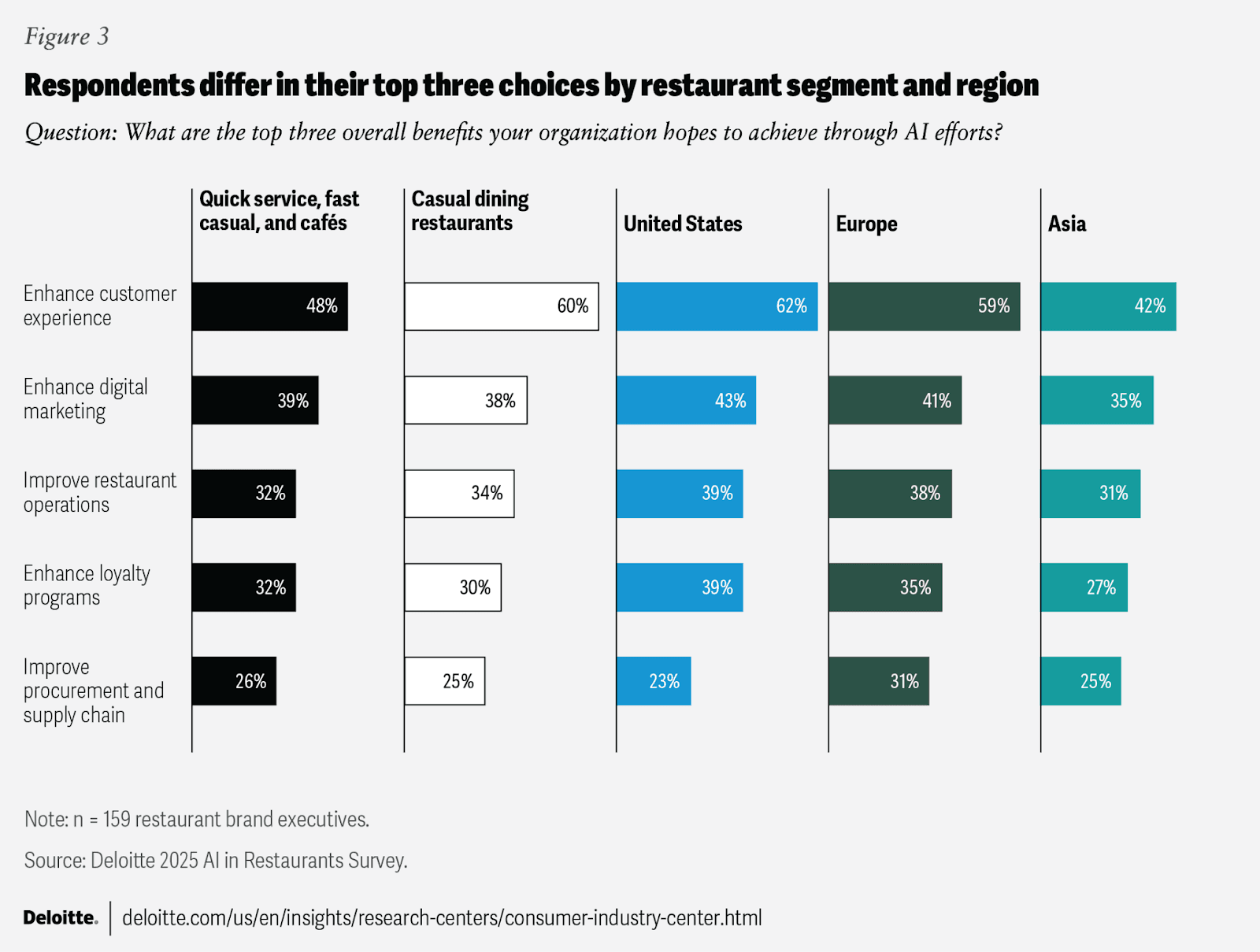
That's why the smartest operators identify the high-volume, repetitive, always-on tasks in their restaurant and hand them off to AI. That's where it wins, and where the ROI is highest.
Finding skilled workers is getting harder. 54% of food service and hospitality managers said so in a 2023 Axonify survey. Build clear hiring and onboarding processes to attract and keep top talent.
Consistent training raises service quality and reduces costly turnover. Tools like 7Shifts make it easier to manage scheduling, communication, and team performance from one place.
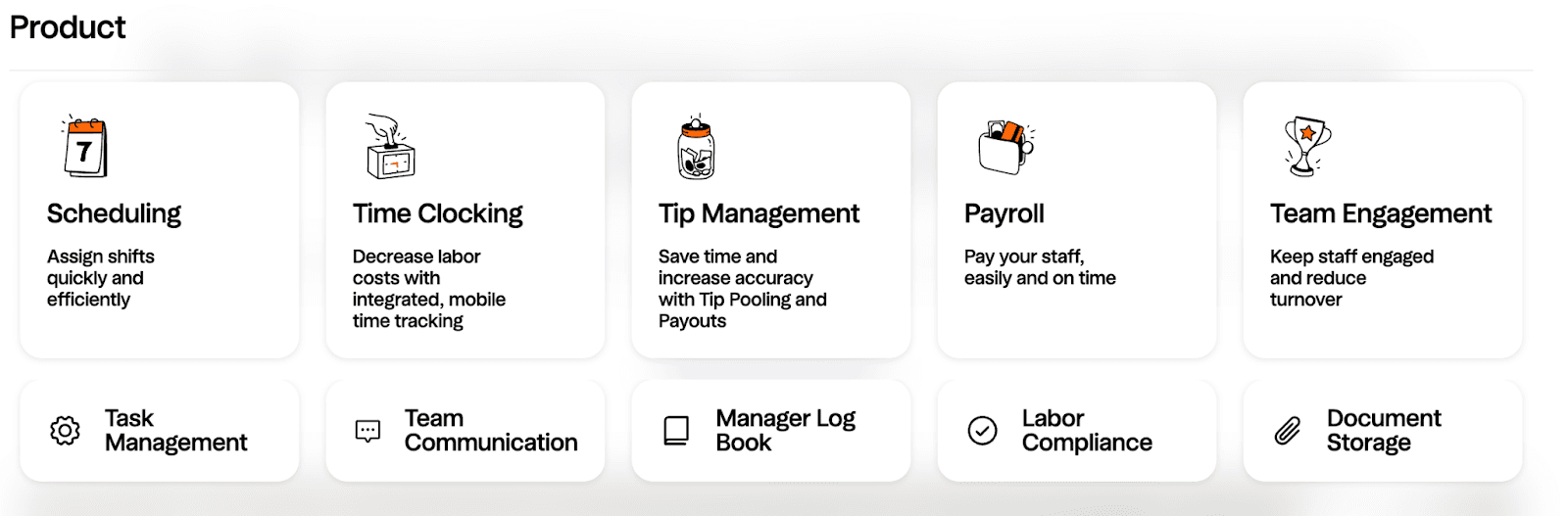
Overstaffing and understaffing are both expensive. Use scheduling tools that forecast demand and align shift coverage with actual business volume.
Proactive labor planning helps you maintain service quality without inflating payroll, one of the biggest cost centers in any restaurant.
Food service companies generated 13 million tons of food waste in 2022, according to ReFed. A real-time inventory system that auto-reorders stock and flags items nearing expiration helps prevent spoilage before it hits your margins.
Train staff on proper handling, storage, and prep, and monitor plate waste to understand which dishes guests aren't finishing. That data drives better portion and menu decisions.
Don't treat supplier relationships as fixed. Regularly evaluate performance across quality, reliability, and price, and renegotiate terms when the numbers don't add up.
Strong supplier relationships give you leverage when supply chain disruptions hit and help protect your margins over the long term.
Slow tickets, ordering mistakes, and clunky payment processes hurt both revenue and the guest experience. Integrated POS systems, tableside ordering, and efficient kitchen workflows cut errors and free staff to focus on guests.
The same applies digitally. A poor website or missing delivery integration loses customers before they even walk through the door.
Your menu should work as hard as your staff. Use sales data and guest feedback to identify what's popular, what's profitable, and what's neither.
Cut underperformers, balance variety against kitchen efficiency, and rotate in seasonal and local ingredients to keep things fresh and costs in check.
Restaurant management software that integrates sales, inventory, accounting, and payroll gives you a single operational source of truth. The right stack eliminates blind spots and speeds up decision-making.
Here are the core technology categories worth evaluating for your restaurant:
Explore further: Best Restaurant Technologies: The Complete Guide
Consistency in food safety, hygiene, and service quality protects your guests, your staff, and your reputation. Design protocols around your specific ingredients, equipment, and risks, then train regularly to stay compliant.
Standards that aren't revisited become outdated. Schedule periodic reviews to keep them effective and in line with current regulations.
Food cost percentage, labor cost percentage, revenue per seat, and item-level margins should be tracked consistently, not just reviewed at month-end. Waiting too long to spot a problem means losing money you didn't have to lose.
Use financial software to surface real-time insights and act early, especially during supply shortages when slow decisions can translate directly into lost revenue.
Local SEO helps your restaurant show up when nearby customers search for exactly what you offer. When someone looks up "best Japanese buffet in San Jose," your business can appear right when they're deciding where to eat.
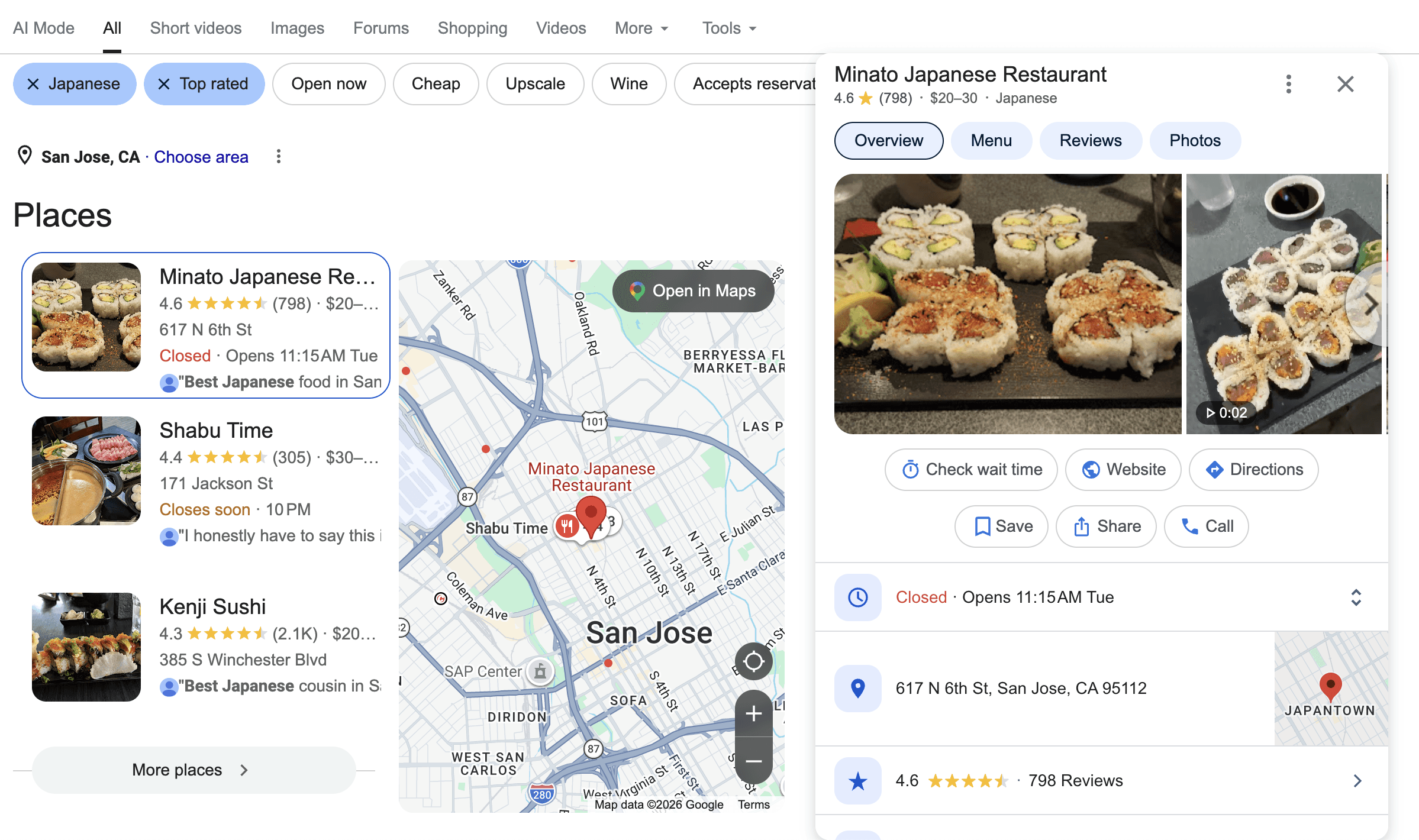
A strong online presence means more foot traffic, more calls, and more reservations from your local area, all by showing up in the right place at the right moment.
Pair that with loyalty programs, local sponsorships, and consistent brand messaging across every touchpoint to retain regulars while attracting new guests.
Explore further: Local SEO for Restaurants: The Complete Guide
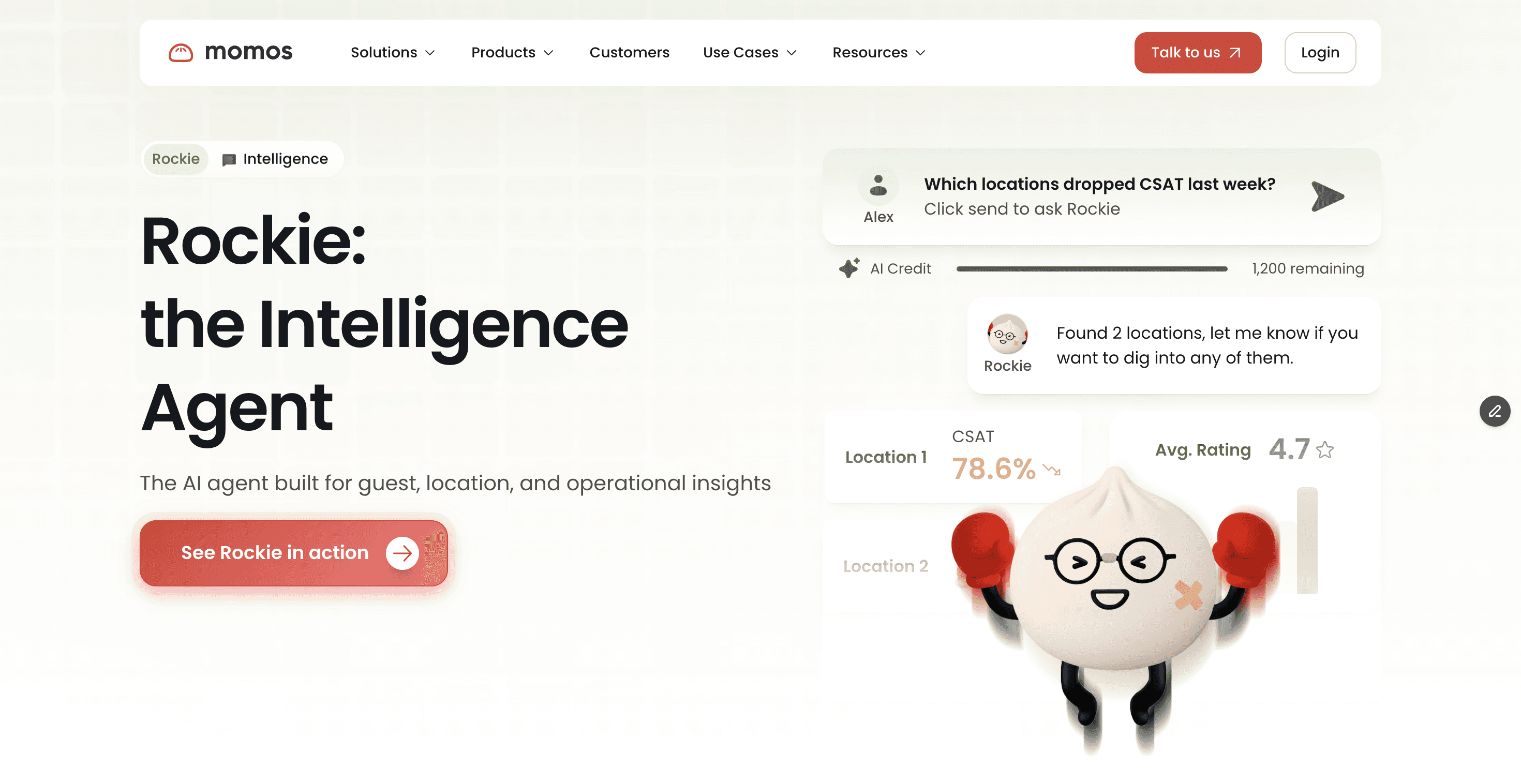
Momos is an AI-powered guest experience platform built exclusively for restaurants. It has helped leading enterprise brands like Burger King, Papa Murphy's, and Shake Shack scale their operations across 30,000+ locations worldwide.
Its AI agent is called Rockie — The Intelligence Agent.
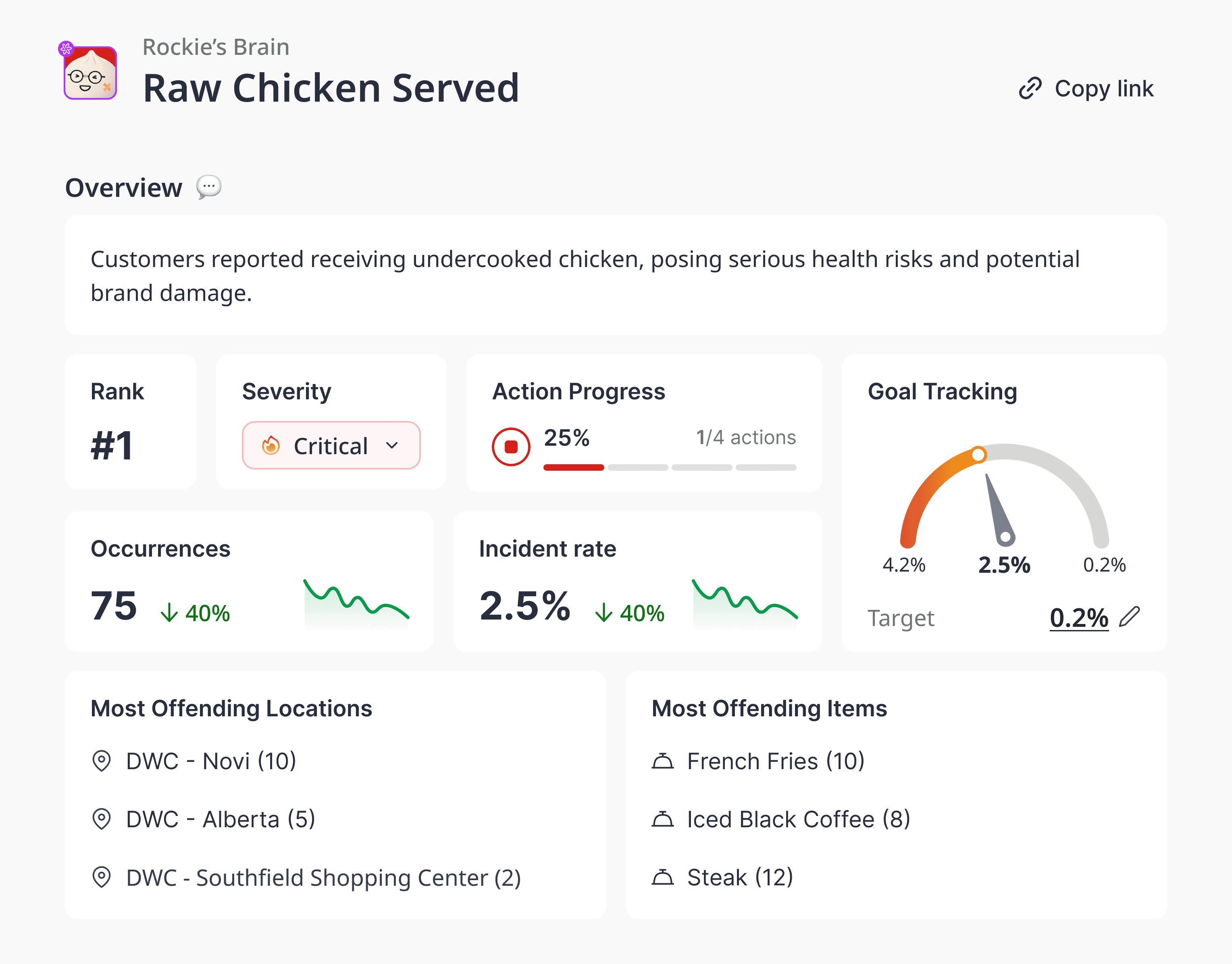
Rockie is purpose-built for restaurant operators who need to stay on top of guest sentiment, location performance, and operational health — without spending hours digging through dashboards.
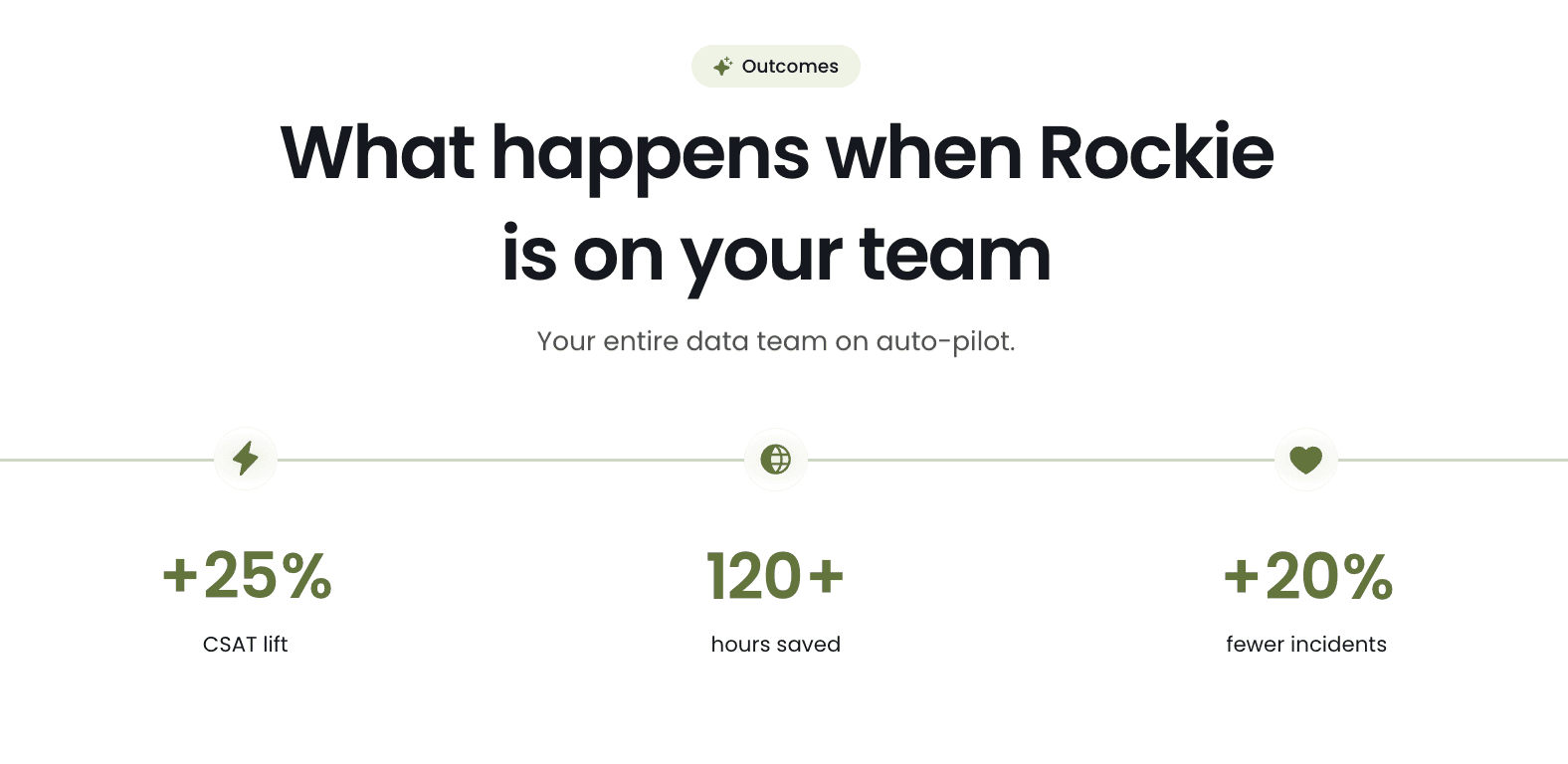
Here's what Rockie does:
Identifies which locations dropped CSAT, why it happened, and what to do about it — with root cause analysis across every data source, automatically
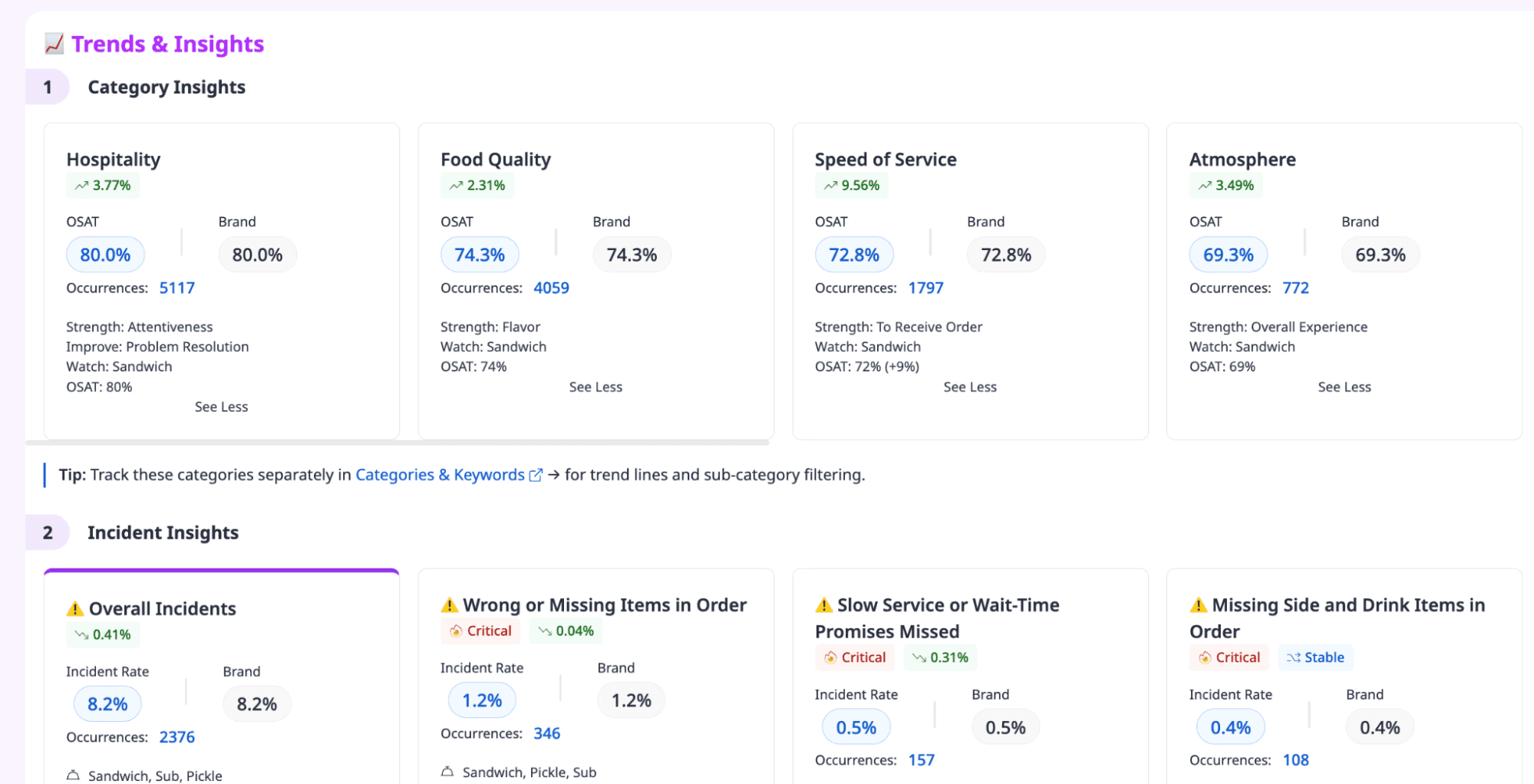
Benchmarks every location against brand standards and against each other, so HQ always knows where to focus
Surfaces guest sentiment patterns before they become reputation problems — catching issues at the signal stage, not the review stage
Delivers personalized operator reports straight to your phone, every day or week, so intelligence travels with you instead of sitting in a tab
Connects every insight to a clear next step — specific to the location, specific to the issue
Rockie plugs into your full stack — POS, CDP, loyalty platforms, and review channels — and goes live in days, not months. No SQL. No BI tools. No data team required.
The more data Rockie sees, the sharper it gets. Every week of operation makes its intelligence more accurate, with Momos continuously monitoring and refining in the background.
Integrate your data sources, brand standards, and locations.
We connect every data source, map your location structure, and calibrate Rockie's benchmarks and thresholds. Rockie learns what good looks like for your brand.
Review Rockie's first intelligence pass and sign off. Your team stays in control. Rockie just does the work.
Every week of data makes Rockie's intelligence sharper. Our team monitors and refines continuously. Rockie improves without you doing a thing.
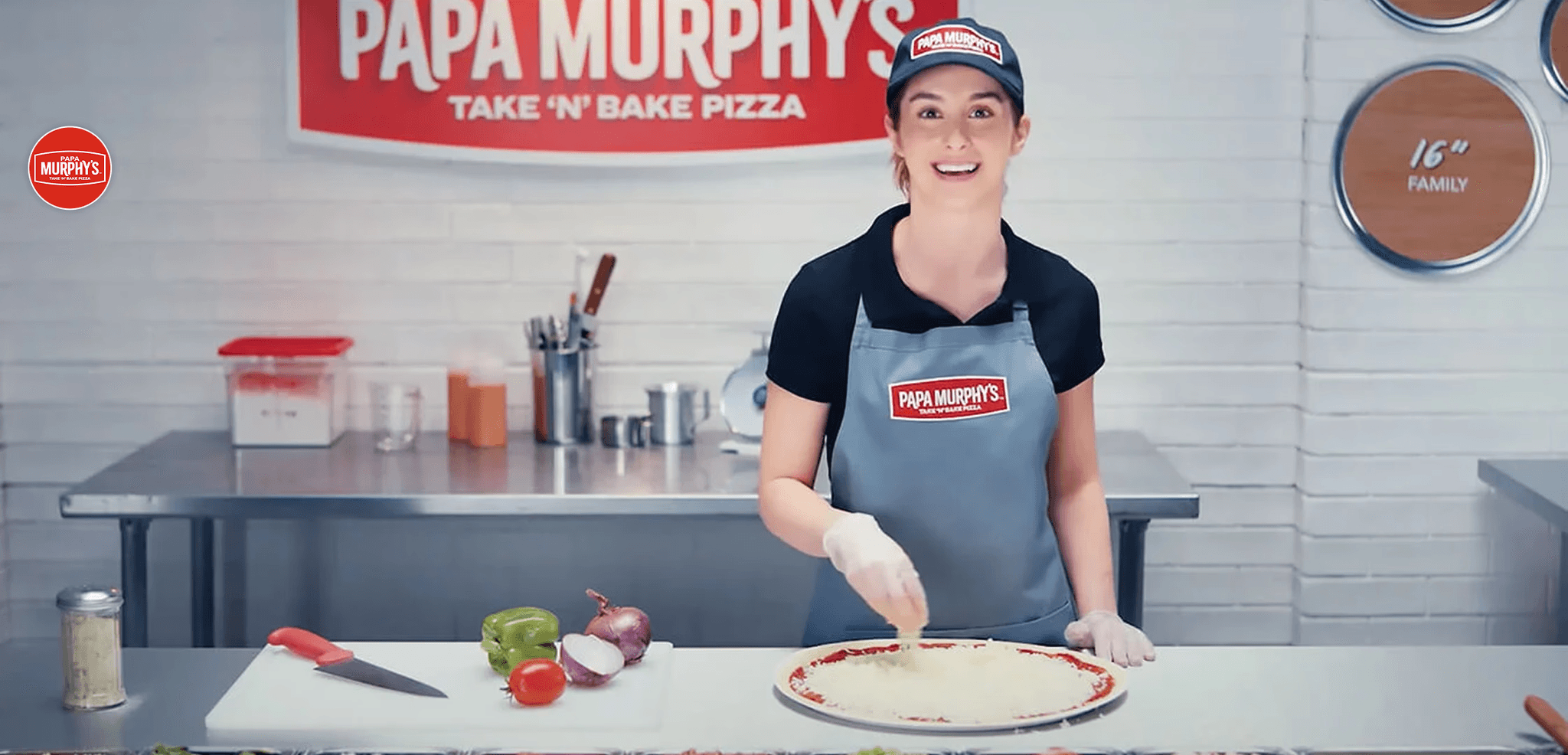
Papa Murphy's, one of the largest take-and-bake pizza chains in North America, wants to keep track of customer sentiment across their massive franchise network. With Momos, they successfully centralized review monitoring across every location — surfacing patterns, flagging underperforming stores, and enabling managers to respond faster than ever before.

 AI agents automate all guest interactions, 24/7, across all locations of your restaurant.


" transform="translate(3.219 19.212)" width="152.45224485148515px"/><path d="M 0 11.619 C 7.071 11.39 33.491 21.738 40.35 21.268 C 38.499 18.19 37.116 14.915 35.507 11.625 C 33.7 7.867 32.587 3.926 31.702 0" fill="transparent" height="21.28391189647101px" id="I9fuJaf7q" stroke-dasharray="" stroke-linecap="round" stroke-linejoin="round" stroke-width="4.97" stroke="rgb(0, 0, 0)" transform="translate(139.727 55.754)" width="40.34950693069311px"/></svg>)