12 Essential Restaurant Technologies For Operators and Managers (2026)
Written By: Vincent Nguyen

Technology is meant to extend our capabilities. With a well-chosen tech stack, restaurant operators can improve all aspects of their business.
Just a decade ago, restaurants operated primarily on paper tickets and manual processes. Who could have guessed that in just a few years, SaaS (software-as-a-service) solutions would empower so many restaurants to transform their business?
It’s rare to find a business without some form of technology embedded into its process in 2026. And with the advent of AI, this trend surely will only accelerate.
If you’re a restaurateur looking to modernize your operations, I’ve got a list of technology recommendations for you.
In this article, you’ll find:
12 types of restaurant tech that all restaurants can benefit from
Software recommendations for each category
A practical guide on how to implement these technologies seamlessly into your operations
Let’s dive right in!
How Has Technology Changed Restaurants?
Here’s a quick Then vs Now table to show you how technology has significantly changed the way restaurants operate:
| ← Then | Now → |
|---|---|
| Paper tickets & handwritten orders sent to the kitchen | Digital orders sent instantly via POS & Kitchen Display Systems (KDS) |
| Cash registers with basic sales tracking | Cloud-based POS with real-time reporting & analytics |
| Phone-only reservations | Online reservations via OpenTable, Resy & more |
| Walk-in and dine-in focused revenue only | Multi-channel: dine-in, delivery, curbside & online ordering |
| Limited customer data collection | Detailed guest data, CRM & loyalty tracking |
| Manual inventory counts | Automated inventory & supply chain management |
| Cash and card payments only | Contactless, Apple Pay, QR payments & BNPL |
| Word-of-mouth marketing | Digital marketing, online reviews & reputation management on platforms like Momos or Yelp |
Types Of Restaurant Technologies
Generally, there are 12 major types of restaurant technologies covering the end-to-end restaurant operations:
1. Point of Sale (POS) System
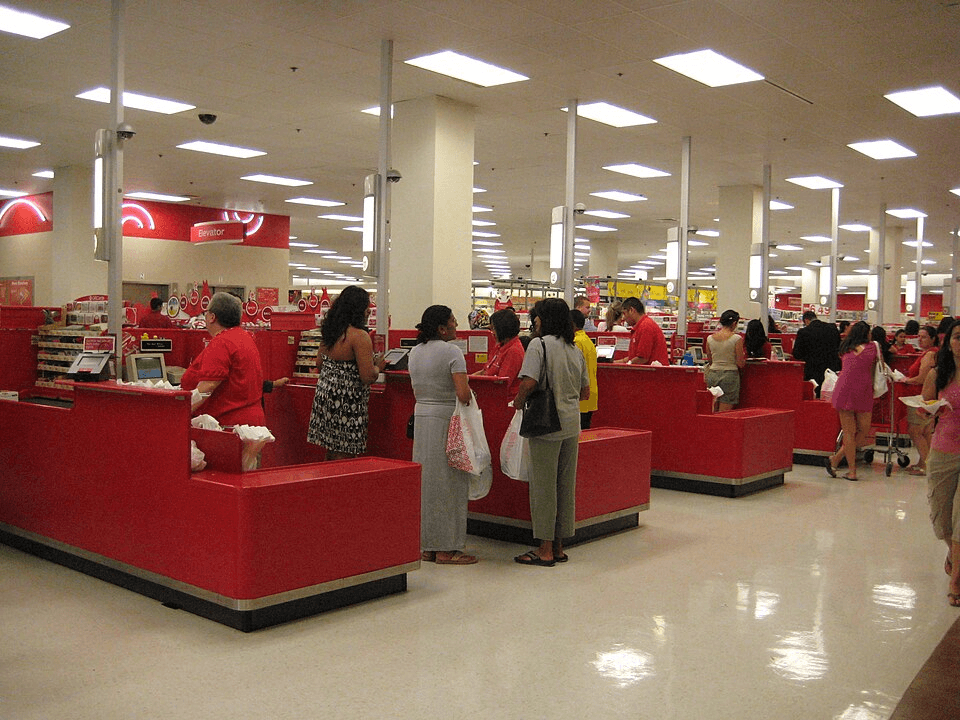
A POS system is a combination of hardware and software that enables businesses to accept payments, track sales, manage inventory, and more from a single platform.
You can think of it as the central hub where a customer completes a purchase and your business processes the transaction. Treated well, that data becomes the spine of menu engineering, labor productivity, cash control, and the financials you'll hand an investor or acquirer.
A good restaurant operator should think of POS system as so much than just a "cash register", but as a wealth of data that they can leverage to improve restaurant operations.
Most modern POS systems include:
A touchscreen/device to ring up sales
Payment processing (via hardware like card readers, or through contactless payments like Tap to Pay on iPhone or Android)
POS software for managing inventory, sales, reporting, and customer data
Optional accessories like barcode scanners, receipt printers, and cash drawers
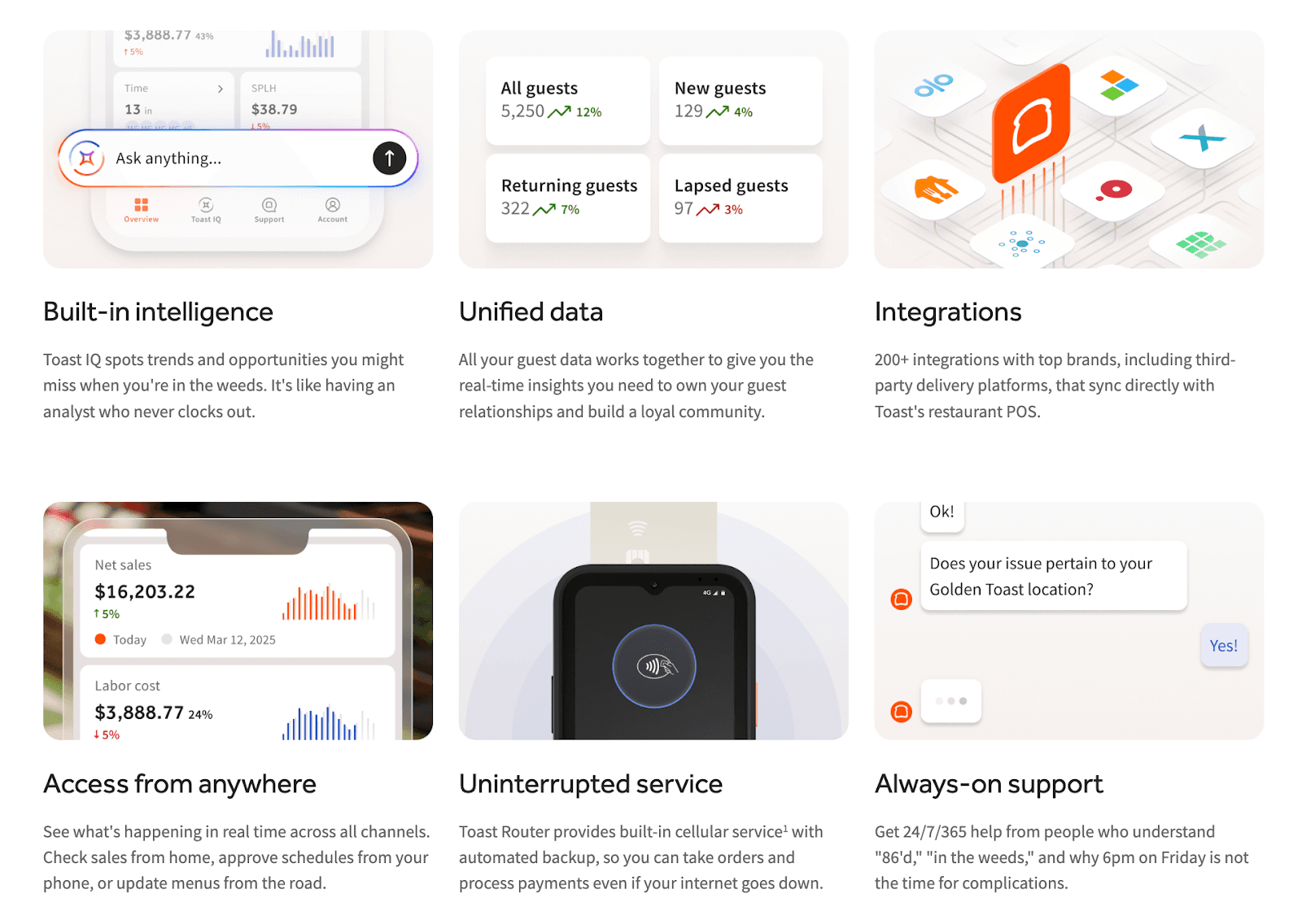
Here are our 4 solid POS recommendations for restaurant chains and multi-location operators:
Toast: The restaurant-specific default, with deep coursing, modifiers, KDS, and online ordering. Best for full-service and growing multi-unit groups. From $69/month per terminal.
Lightspeed Restaurant: Best for data-driven chains, with centralized menus, roll-up reporting, and cross-site comparisons. From $69/month.
Revel Systems: iPad-based POS for chains and franchises, with centralized menu management, loyalty/CRM, drive-thru mode, and an open API. Around $99/month per terminal.
Square for Restaurants: The most accessible option, with a free plan, no contracts, and same-day setup. Best for smaller or newer locations.
2. Online Ordering & Delivery Platforms
Online ordering and delivery platforms expand your restaurant’s reach beyond the neighborhood.
Even before the COVID-19 pandemic, third-party restaurant delivery apps like Uber Eats, DoorDash, Seamless, Postmates were already rising in popularity.
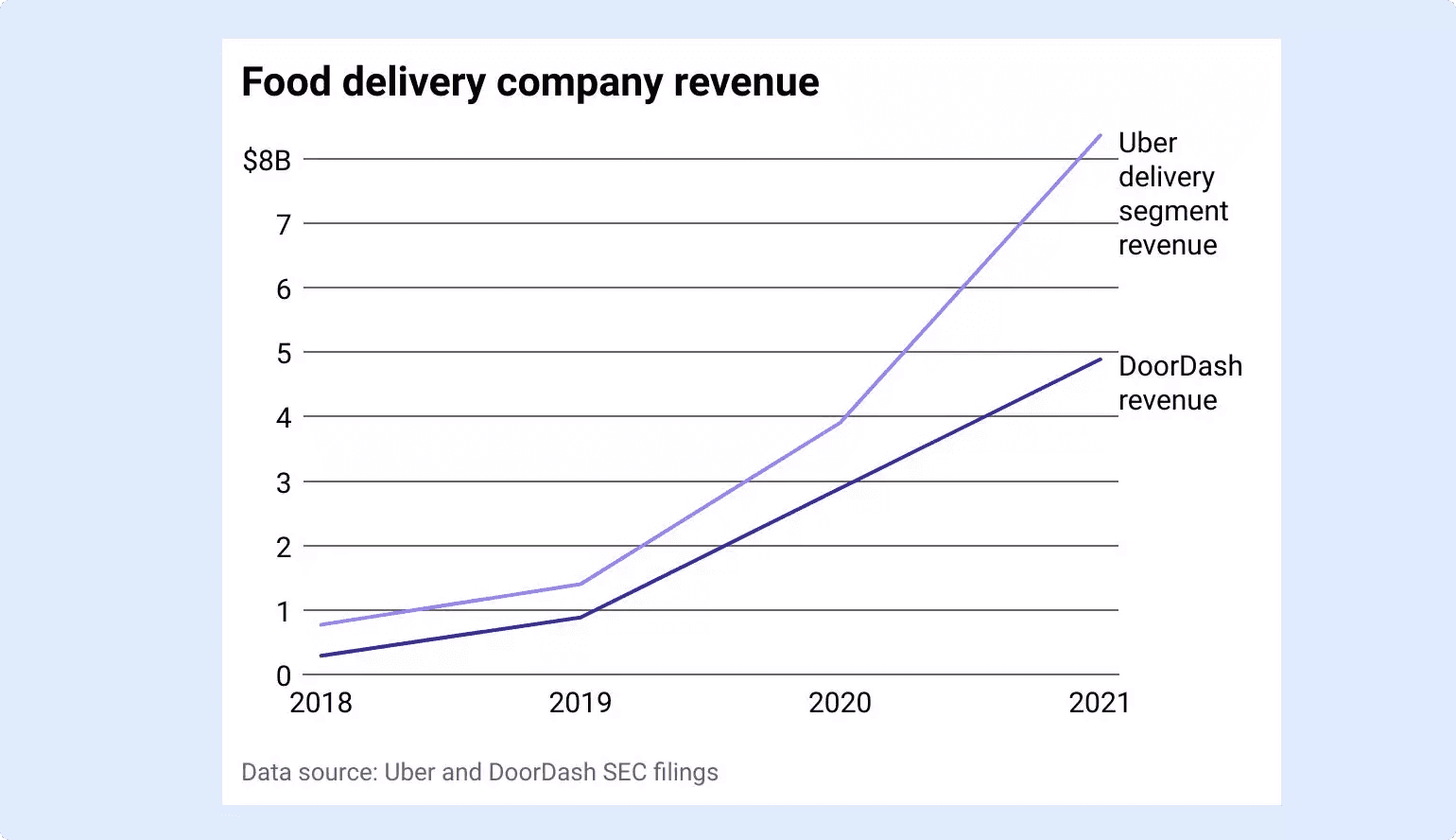
During and after COVID, they all saw exponential growth. From 2019 to 2020, DoorDash’s revenue rose from $885 million to $2.88 billion (225.3% growth).
There are many restaurant delivery services to choose from. When choosing one, you should consider these factors:
Availability in your area: You should choose a popular delivery service in your region.
Fees and profit margins: One of the biggest drawbacks to third-party delivery apps is their tremendous fees and commissions. Some platforms can charge up to 30% of the total order. For restaurants with slim margins, these high fees can mean making no profit (or worse, losing money).
Guest relationships: When you use third-party delivery apps (like DoorDash, Uber Eats, or Grab), they collect a lot of customer data, like name, email, and phone number. You (the restaurant) usually don’t get full access to that data. It’s important that you unify guest feedback from these platforms to surface insights.
Some of the major popular online ordering platforms include:
DoorDash: They're the largest US food delivery platform
UberEats: Global delivery tied to the Uber app
Popmenu: Restaurant website and commission-free ordering through your own branded site.
Caviar: DoorDash-owned service focused on upscale, premium restaurants.
Grubhub: Early delivery marketplace, strong in the Northeast and major metros.
Postmates: Now merged into UberEats, running on Uber's infrastructure.
3. Kitchen Display Systems (KDS)
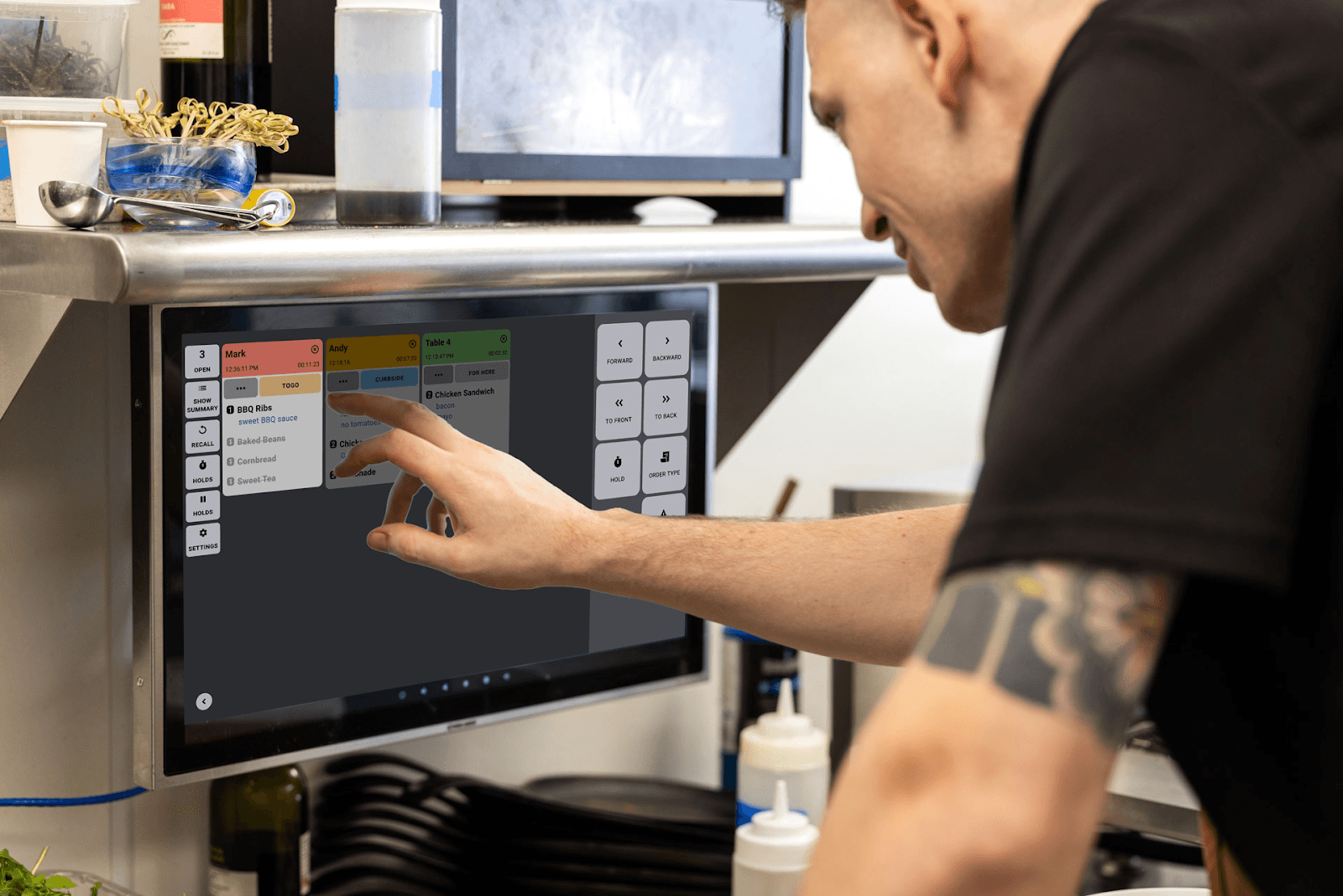
A kitchen display system (KDS) replaces traditional order tickets in a restaurant's kitchen. Rather than writing the order on paper tickets, the KDS automatically displays the order on a screen in the kitchen after it has been entered into the POS system.
The KDS helps kitchen staff quickly identify upcoming orders and understand what’s coming down the line at a glance.
A typical flow in a KDS looks like this:
The order is placed in the POS or received automatically from online ordering.
The order instantly appears on the kitchen display screens.
Kitchen staff prepare the food based on the items and instructions shown.
The system tracks the order status from new to in progress to ready.
Staff mark the order as complete when finished.
The system records performance data for reporting and improvement.

Some of our recommended KDS:
Toast KDS: Great choice if you already use Toast POS. Offers real-time order syncing, clear station views, customizable layouts, and strong performance tracking.
Square KDS: Best for small cafés, food trucks, or low-volume restaurants using Square POS. Easy to set up, cloud-based, and cost-effective, though it lacks advanced routing for complex kitchens.
Fresh KDS: A standalone, lightweight KDS that integrates with multiple POS systems. Useful if you want a flexible display that works across platforms without expensive hardware.
4. Restaurant Inventory & Supply Chain Tech
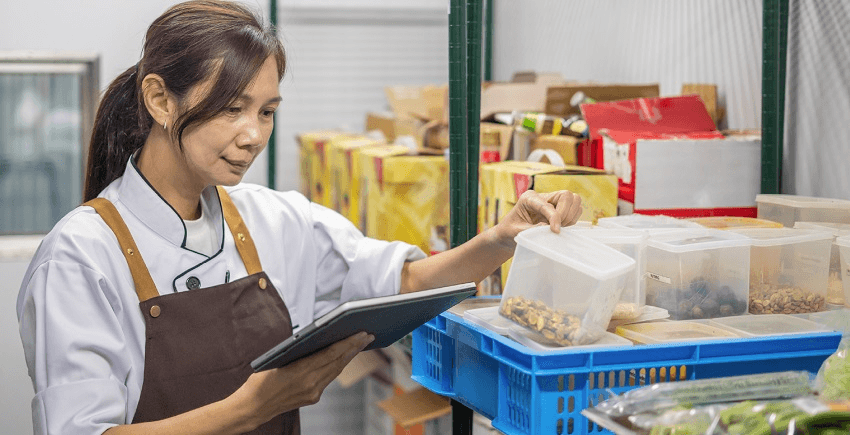
Restaurant inventory management software protects your margins by showing you what you have in stock, what you’re wasting, when you need to reorder, and even alerts you to pricing changes for goods.
Here are some good inventory & supply chain tech built for restaurants that we recommend:
MarketMan: Best overall restaurant inventory management software.
Lightspeed Restaurant: Easiest to use POS-built inventory.
xtraCHEF by Toast: Best for rebates.
Crunchtime: Best for overall cost control.
Yellow Dog: Best for catering businesses and pour-limited bars.
MarginEdge: Best for smaller restaurants.
5. Reputation Management & Guest Experience Management Technology
For restaurants, reputation is their lifeblood, and sometimes their revenue. A solid reputation and guest experience does wonders for their revenue, because word-of-mouth is so powerful for keeping your restaurant busy and booked.
Good restaurant reputation management means:
Tracking what people say about your brand across social media, review sites, press, and forums
Promoting positive and credible information while counterbalancing negative content
Addressing criticism in a timely, transparent, and constructive manner
Aligning your service with that reputation, consistently
A good reputation management technology should be able to achieve those 4 things. Here are several recommendations:
Momos (Best for multi-location restaurants)
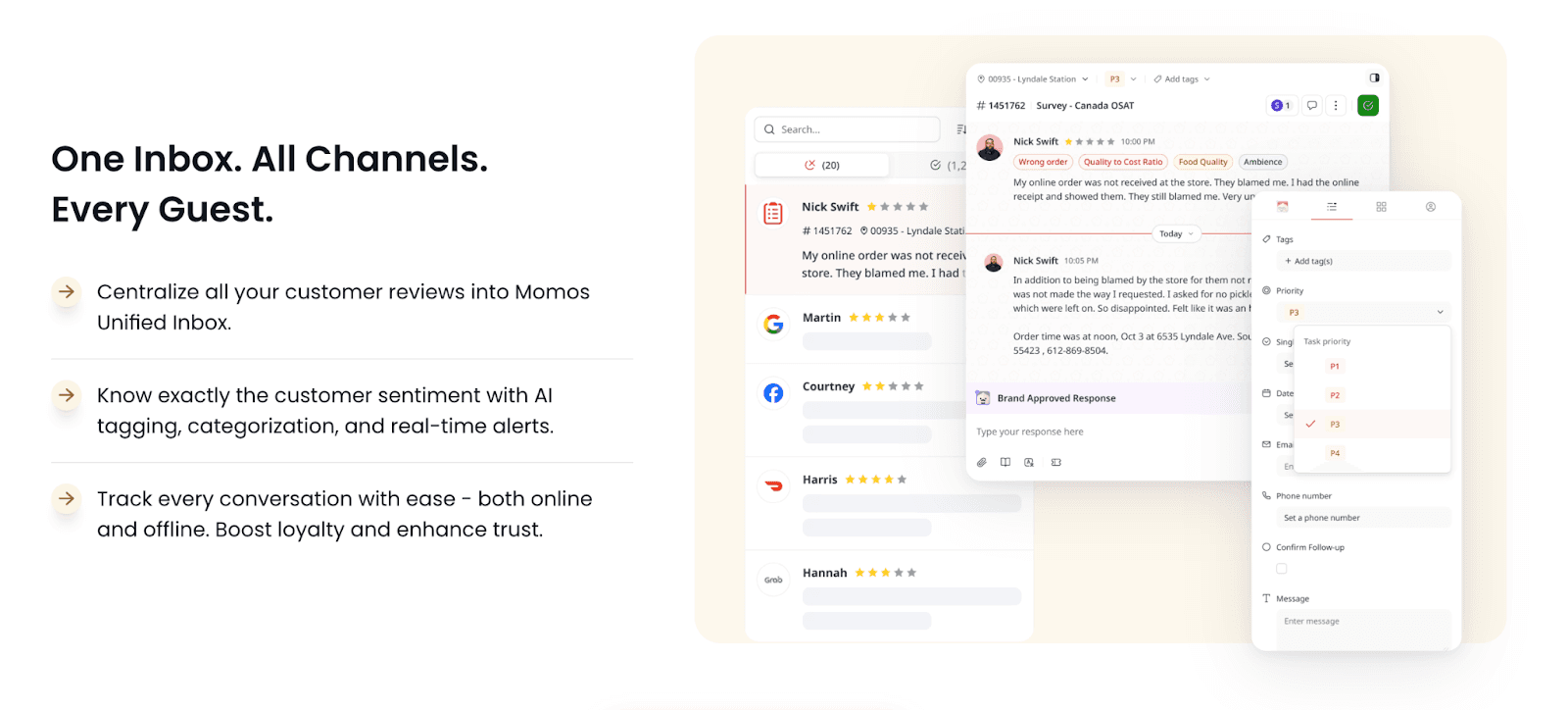
Momos brings reviews, surveys, social feedback, and other guest feedback into one Unified Inbox. Its AI can analyze sentiment, identify recurring issues, and generate personalized, brand-approved responses at scale.Birdeye (Best for multi-location reputation management)
Birdeye provides a centralized platform for monitoring reviews across 200+ sites, generating new reviews, responding with AI, and analyzing customer sentiment.Yext (Best for reputation + local search)
Yext combines review monitoring and AI-powered responses with listings management. It monitors reviews across 80+ platforms and provides sentiment analysis.
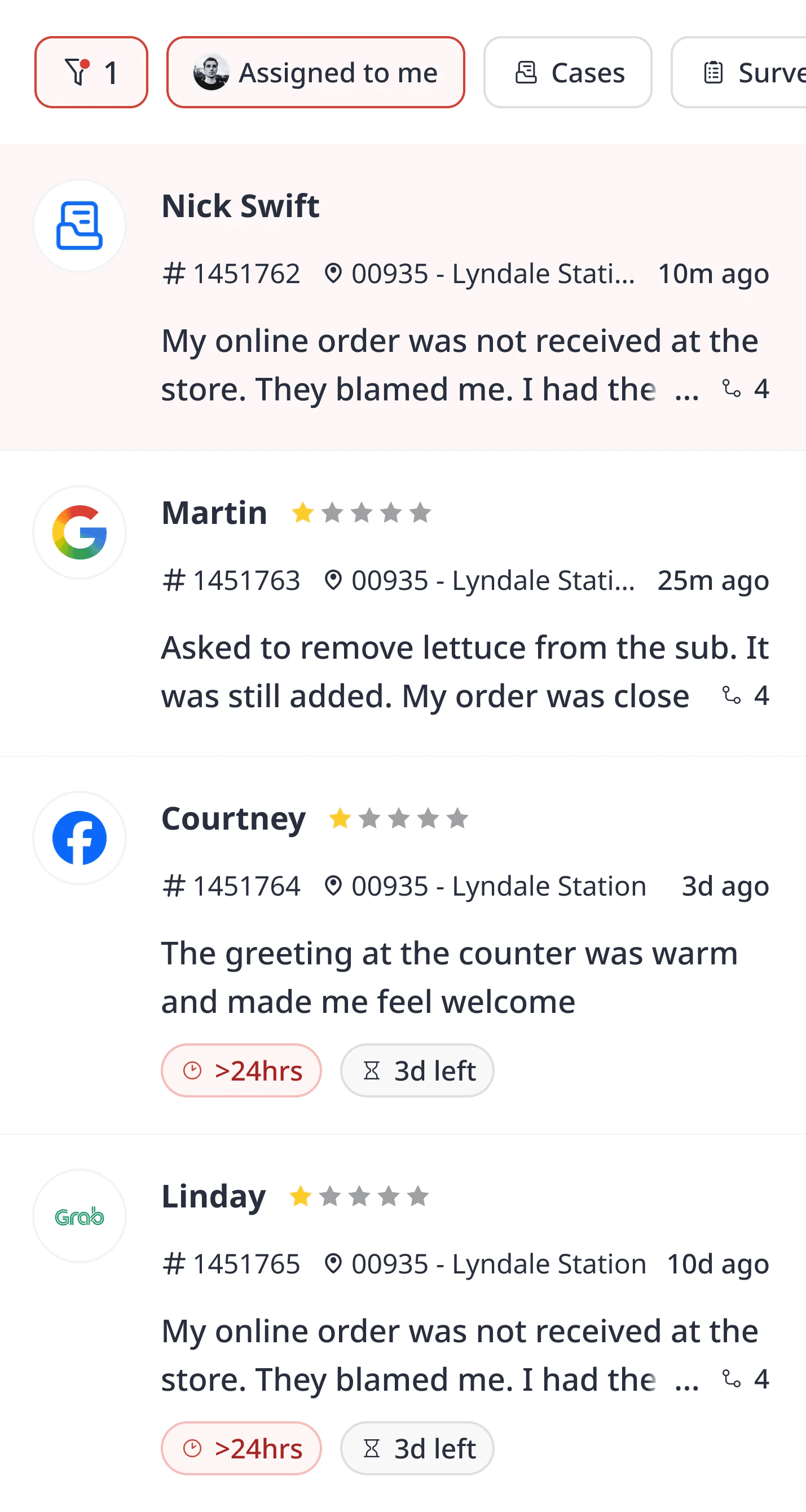
Here's a little bit of sneak peek into Momos. It consolidates all reviews, app-store feedback, social media, email, surveys, and POS/3PD platforms across every location in one Unified Inbox. As you can see here, all reviews from Surveys, Yelp, Instagram, and Google are unified into one Inbox for your team to work on.
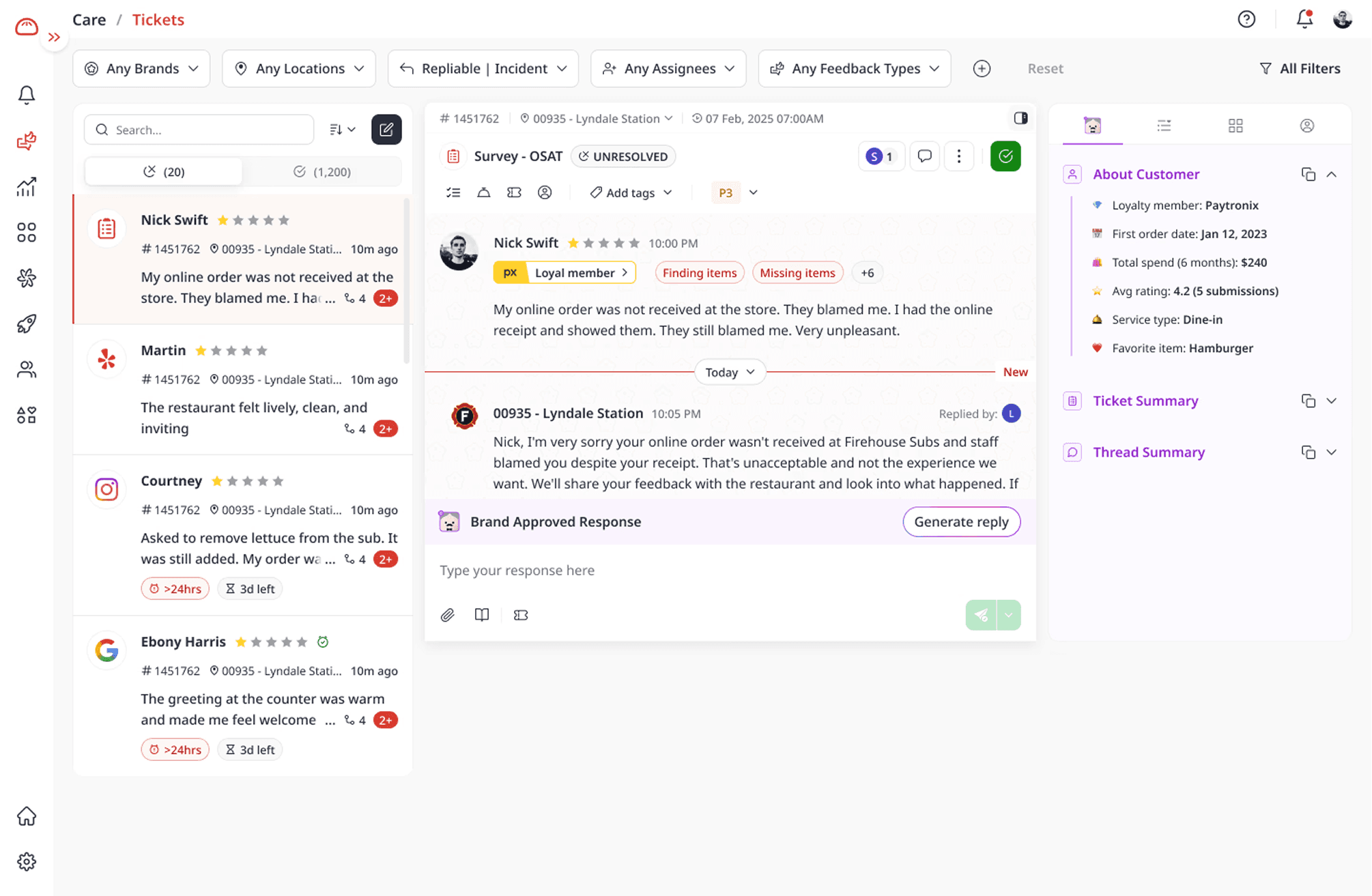
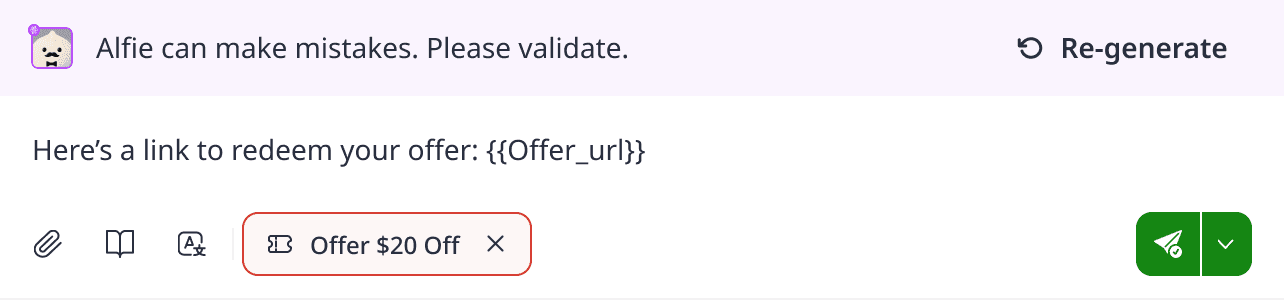
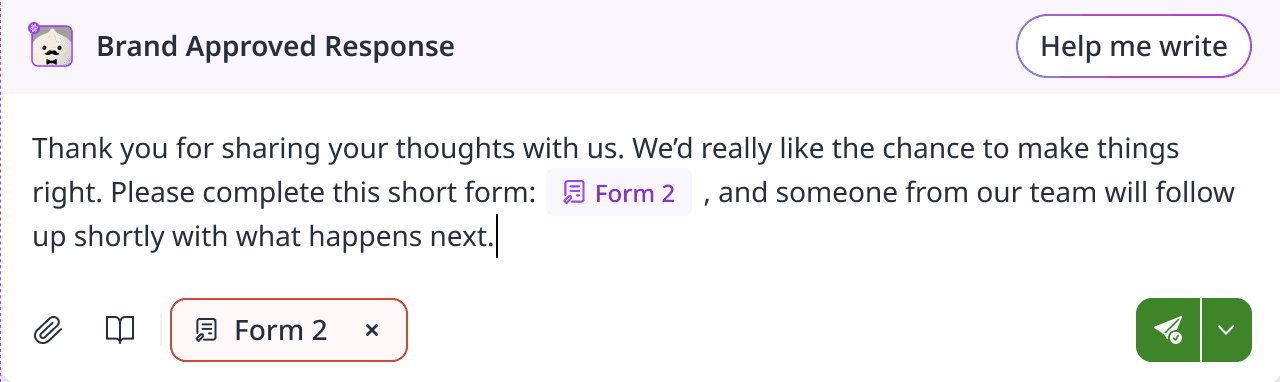
After that, Alfie, the AI agent for Customer Support, steps in and writes an instant, on-brand, personalized response, so you never leave a review unanswered.
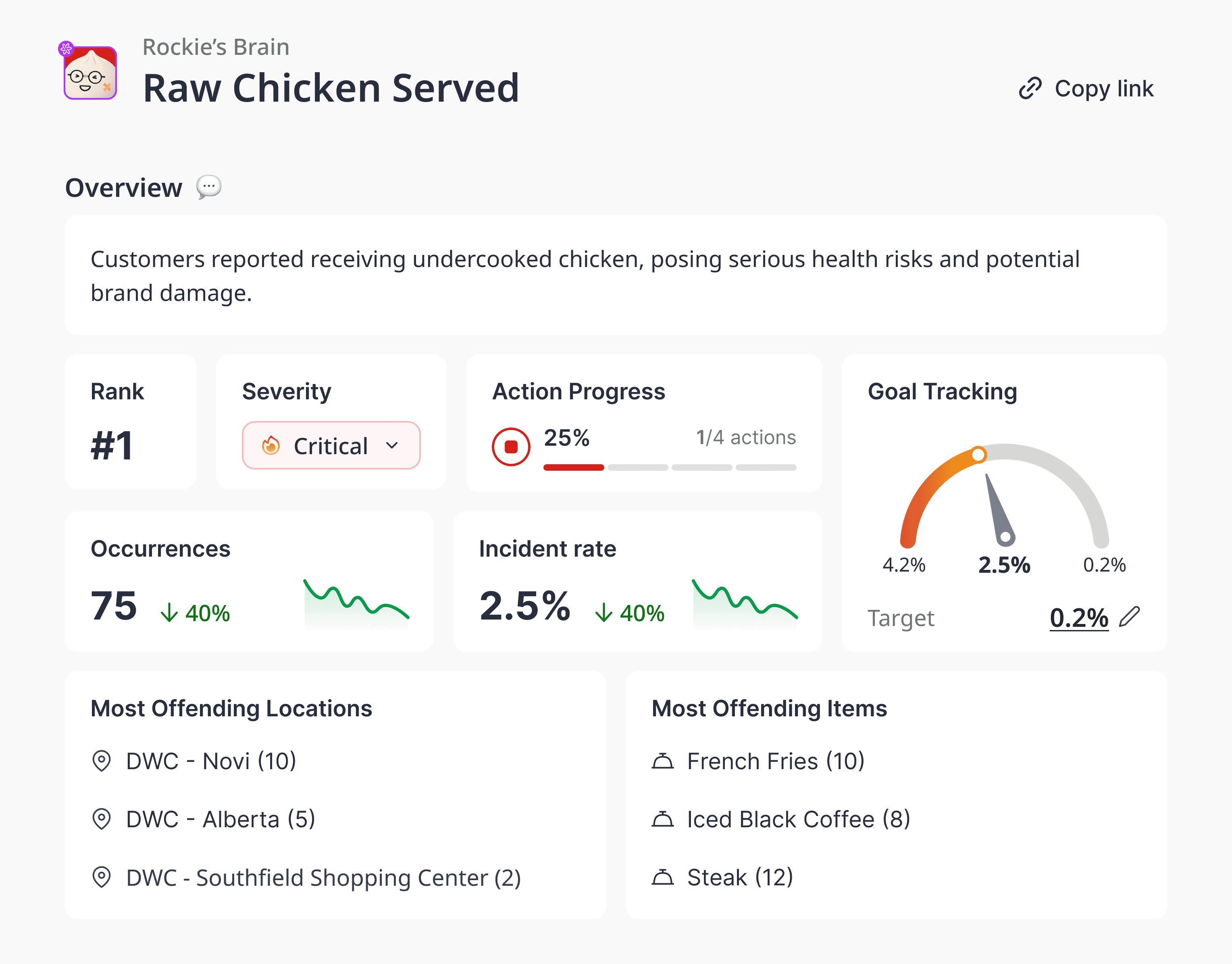
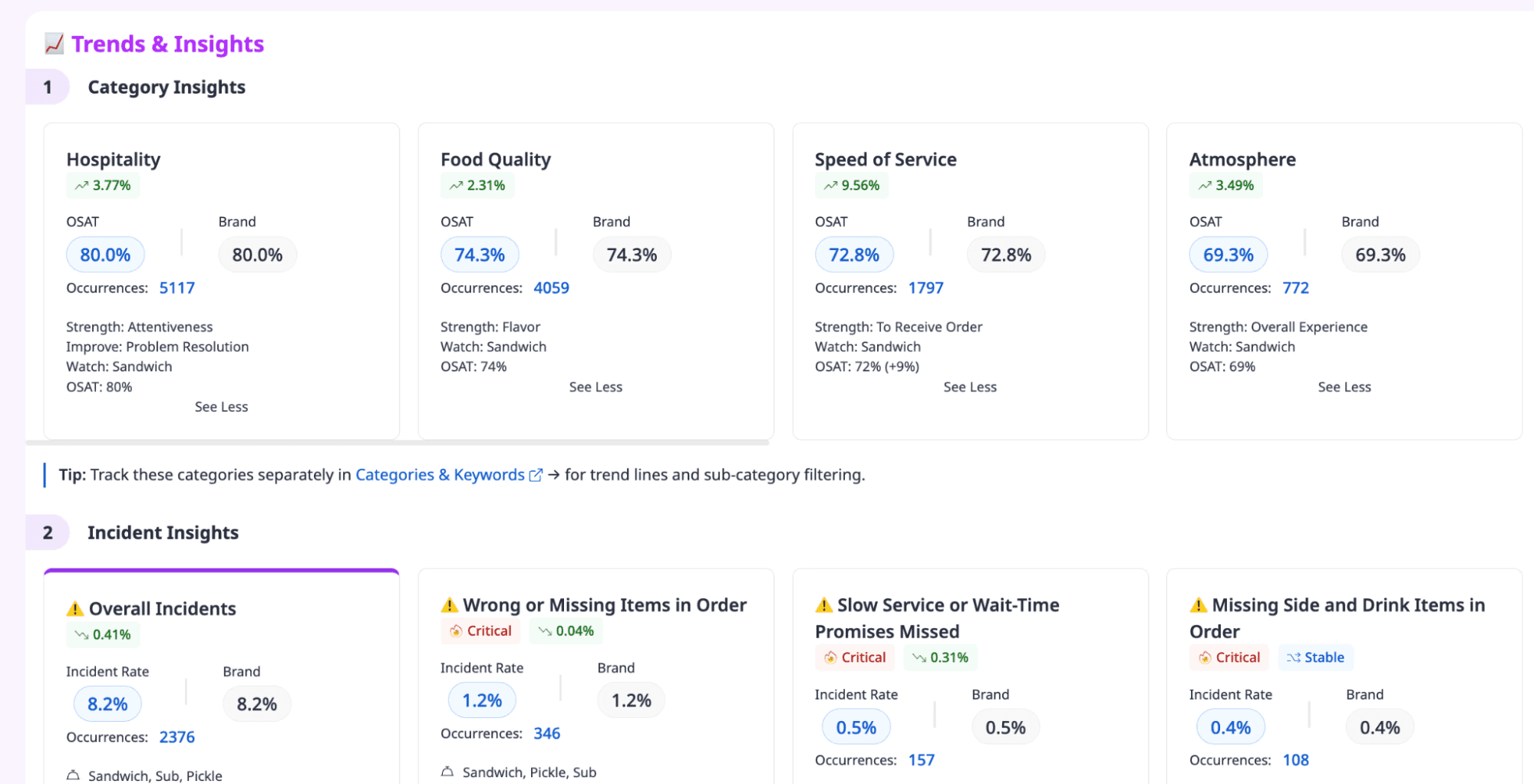
Finally, Momos gives you a dashboard that shows you the operational excellence across every store. Dive as deep as you want. In the Analytics section, you can view:
What drives positive and negative reviews
Where incidents happen most
How often they happen
How customer satisfaction shifts over time
For example, this view shows a demo restaurant's OSAT broken down by category, alongside the major incidents at each location.
With these insights, you can:
Fix issues before they spread across locations
Build better strategies to improve guest experience, keep customers happy, and grow revenue
Give your Marketing team the direction to tailor campaigns that earn loyalty
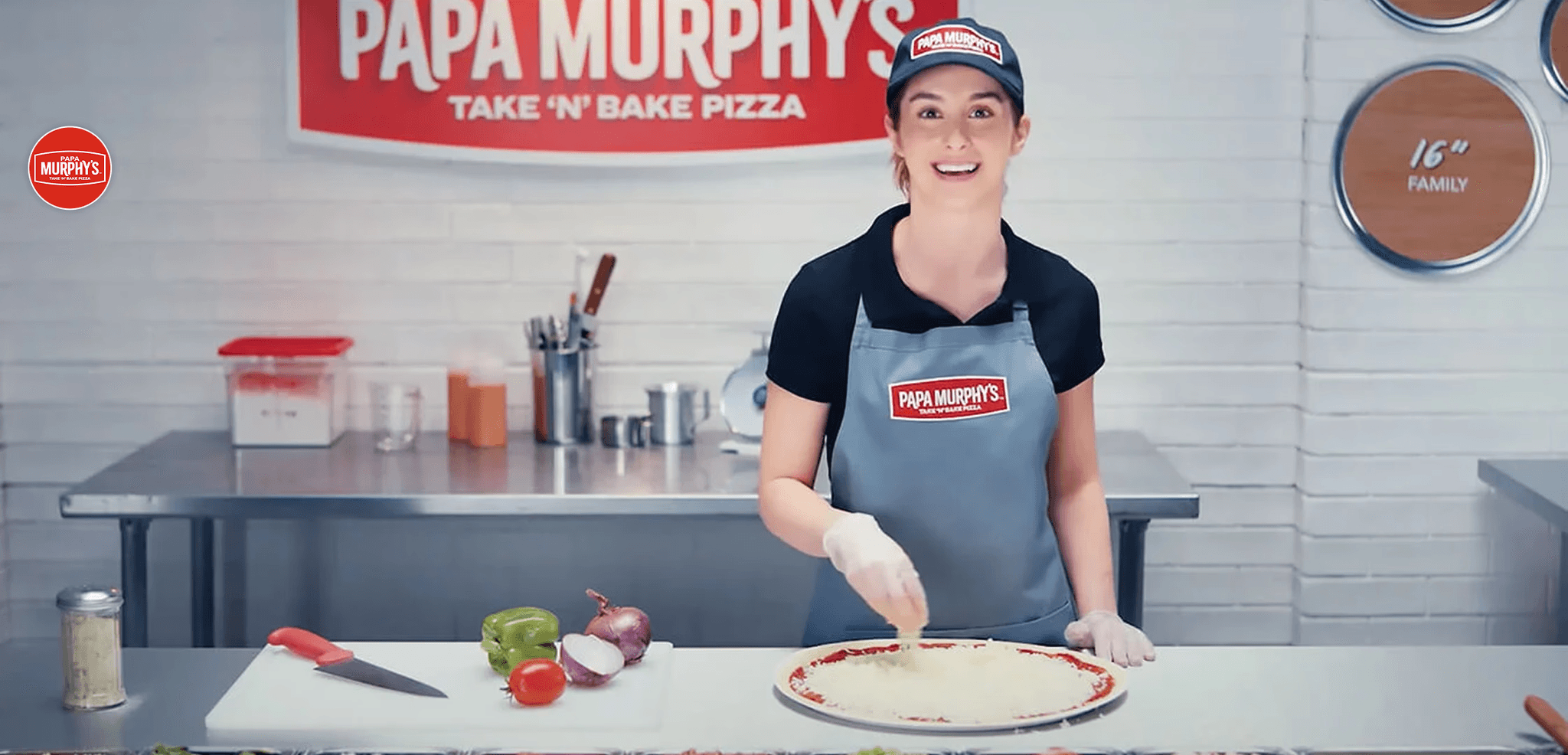
Papa Murphy's, one of the largest take-and-bake pizza chains in North America, wants to keep track of customer sentiment across their massive franchise network. With Momos, they successfully centralized review monitoring across every location — surfacing patterns, flagging underperforming stores, and enabling managers to respond faster than ever before.

6. Reservation & Table Management Systems
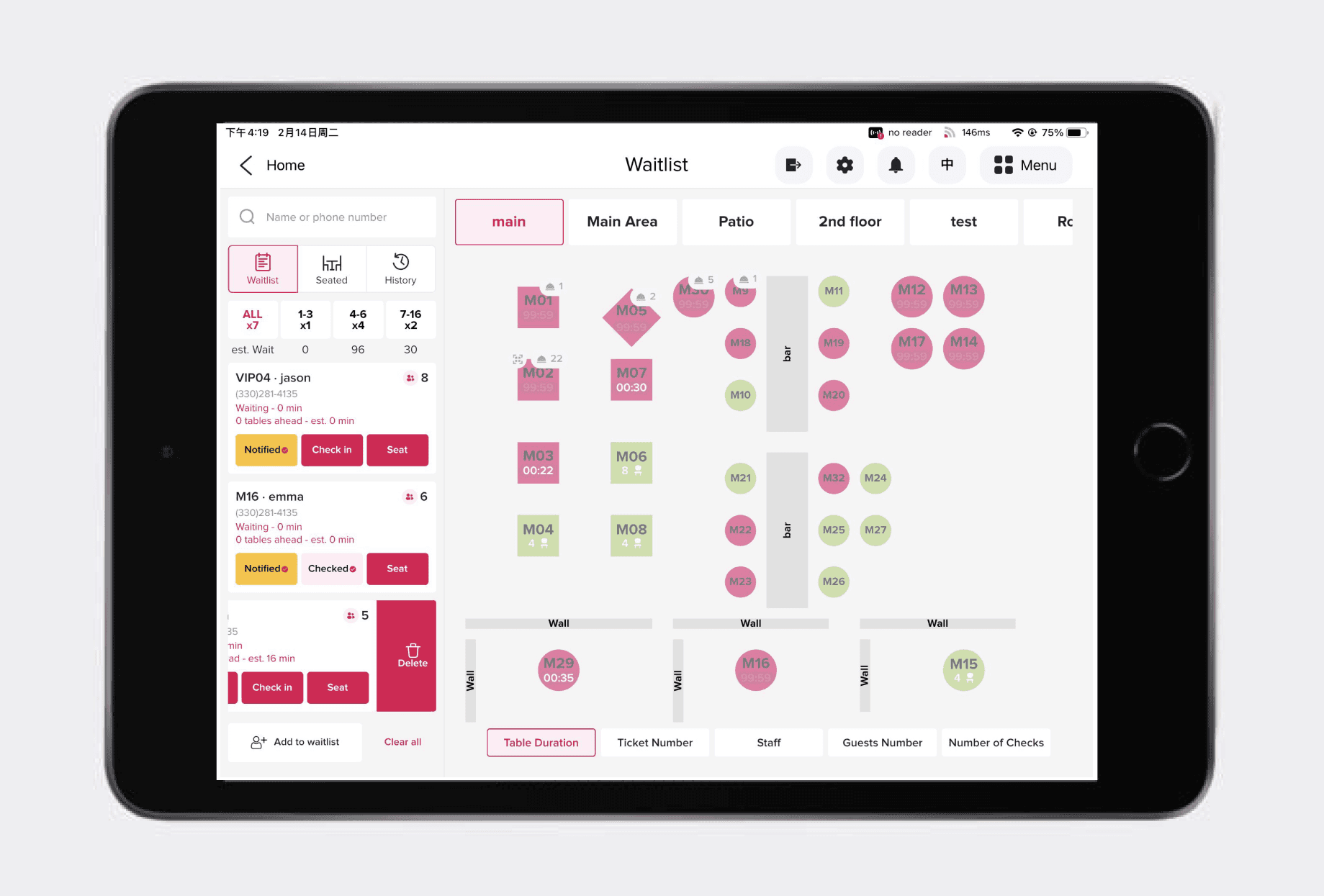
Restaurant reservation systems help you manage bookings and maximize how efficiently you use your tables.
Some of the best restaurant booking apps are:
Resy: a household name among high-end and trendy restaurants. Its sleek design, real-time availability, and powerful data analytics make it a favored choice for restaurateurs.
OpenTable: OpenTable remains one of the most trusted and widely used reservation platforms globally. It also comes with marketing tools, loyalty programs, and in-depth customer data analytics.
Yelp Guest Manager: Yelp allows restaurants to manage reservations while offering marketing advantages through Yelp’s established network.
7. Customer Relationship & Loyalty Tech
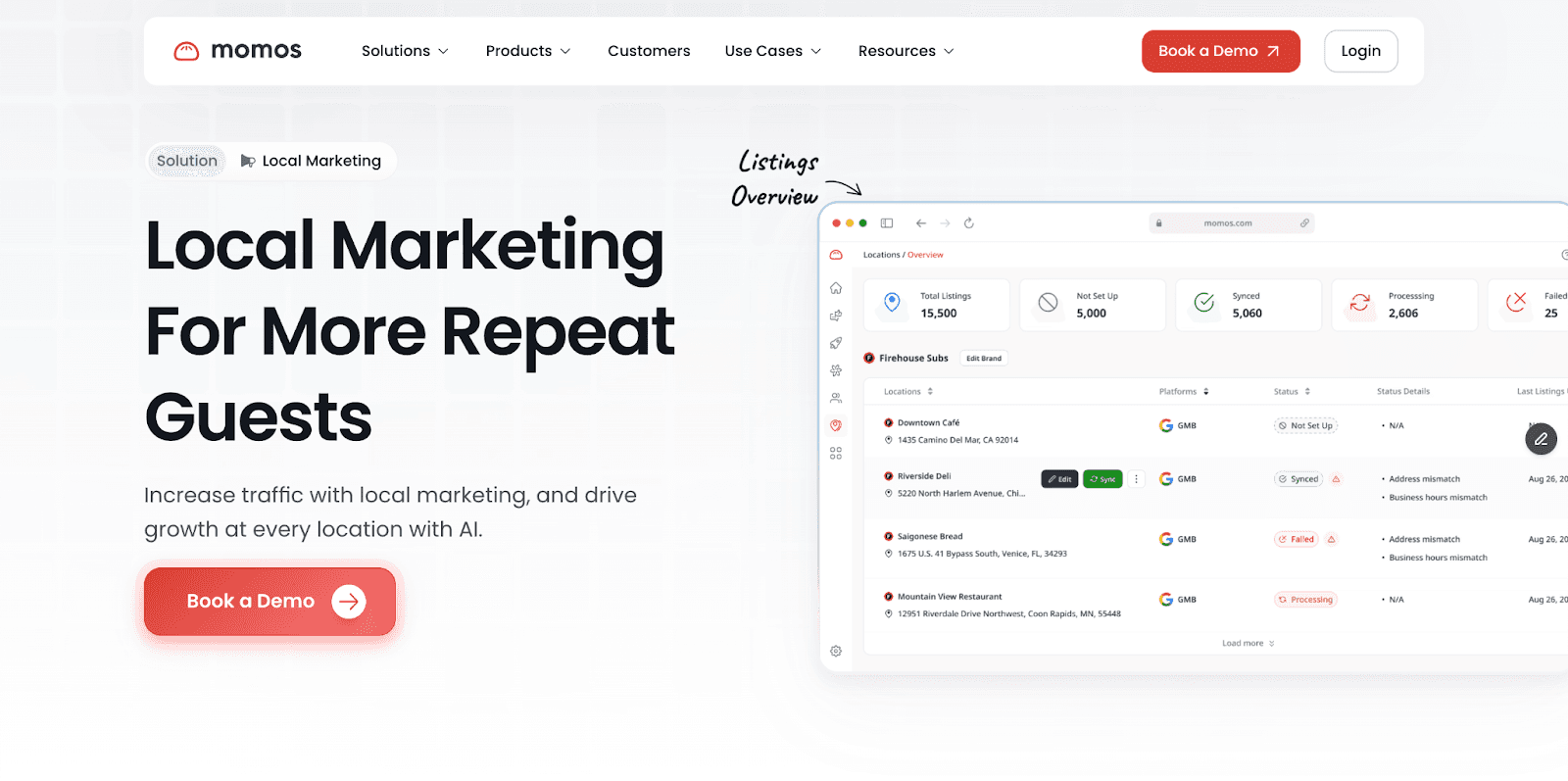
Loyalty software helps you reward customers for coming back and turn them into regulars, who spend almost 70% more than new customers. This leads to compounding revenue growth wherever your business operates.
Some of the best restaurant CRM and loyalty platforms are:
Punchh: Designed specifically for restaurants, Punchh offers advanced loyalty programs, personalized marketing campaigns, and detailed customer insights to help drive repeat business.
Momos: well-known as a guest experience management platform, Momos allows your restaurant to run personalized marketing campaigns to grow repeat guest.
Thanx: Thanx focuses on data-driven guest engagement, combining loyalty programs, automated marketing, and performance analytics into one streamlined platform.
Paytronix: Widely used by restaurant chains, Paytronix provides customizable rewards programs, email and SMS marketing tools, and deep reporting to optimize customer retention. The Momos x Paytronix integration works by connecting your loyalty program directly into the Momos Unified Inbox, so your customer service team can handle loyalty actions without switching platforms.
8. Self-Service & Front-of-House Automation
Automation in front-of-house areas has to do with simplifying the ordering and checkout process.
Self-service kiosks: Many major chains, such as McDonald’s, Panera Bread, and Shake Shack, have installed self-service kiosks in their lobbies. Guests can place orders through a touchscreen, pay, and receive a printed receipt. When the order is ready, their number is called for pickup.
Tabletop devices: Many sit-down restaurants have added devices to their tables to streamline service. These allow guests to pay, request assistance, and even play games. Some also enable bill splitting, easing the workload for servers.
Running and bussing robots: Instead of traditional runners and bussers, robots can deliver food and drinks to tables and assist staff with clearing and cleanup.
9. Payment & Fintech Solutions
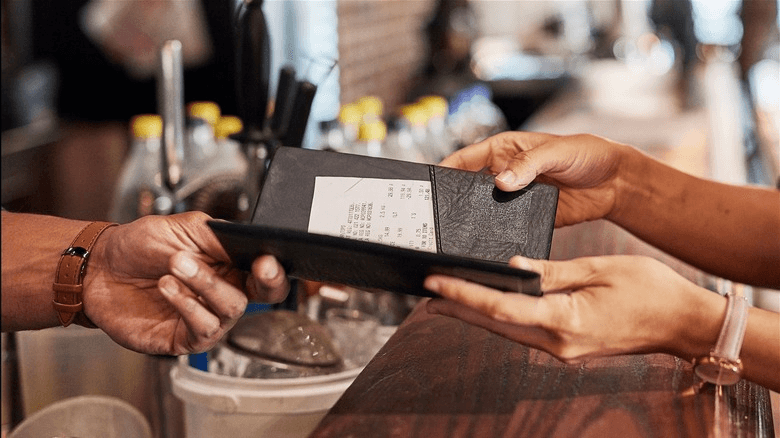
Having good payment processors makes it easier for your customers to pay however they prefer while keeping your transactions smooth and secure.
Here are some popular payment solutions you can use for your restaurant:
Credit and debit cards: Chip, swipe, or tap payments from major networks like Visa, Mastercard, American Express
Contactless payments: Tap-to-pay cards using NFC for faster checkout.
Mobile wallets: Phone or smartwatch payments through Apple Pay, Google Pay, or Samsung Pay.
QR code payments: Scan-to-pay at the table or counter.
Third-party wallets: Payments via PayPal, Venmo, or Cash App.
Online/app payments: Digital checkout for website or mobile orders, often powered by Stripe or Square.
Buy Now, Pay Later (BNPL): Installment payments through Afterpay or Affirm.
Cash: Physical currency for quick, fee-free transactions.
10. Back-Office Restaurant Tech
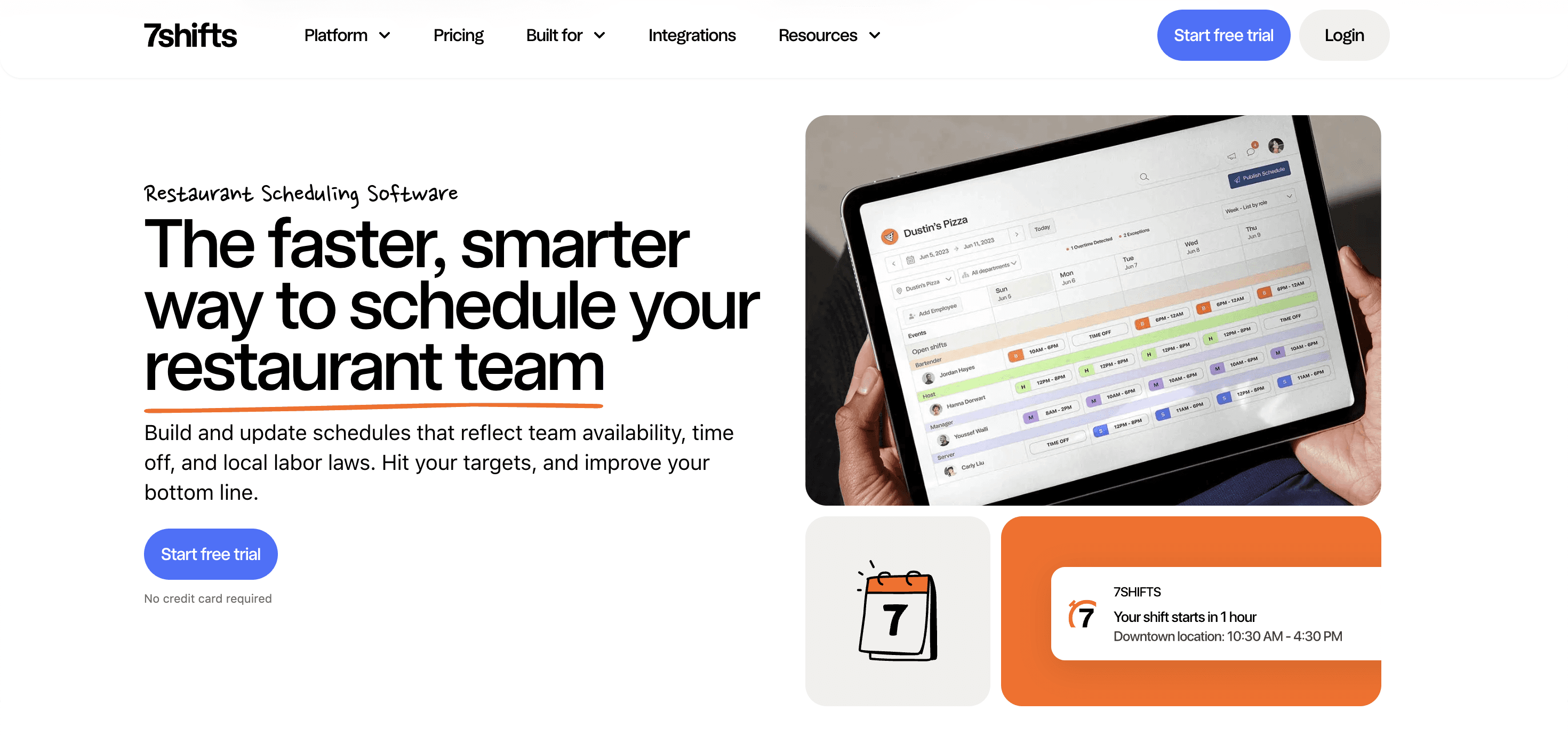
These technologies run the behind-the-scenes operations for you, from payroll to scheduling to financial reporting, so you can focus on growth.
Here are some of our recommendations:
Payroll systems: Gusto, ADP
Employee scheduling: 7shifts, Deputy
Accounting software: QuickBooks, Xero
HR management systems: BambooHR, Rippling
Time & attendance tracking: TSheets (by QuickBooks), Homebase
Financial reporting & analytics: LivePlan, Fathom
Vendor & invoice management: Bill.com, Zoho Books
11. Marketing and Promotion Tech
Restaurants have notoriously thin margin, which is why Marketing usually receives little to no attention in this industry. Most of the time, "the food sells itself".
If budget is limited, we recommend that you focus less on paid advertisement and more on making it easy for people to discover and return to the restaurant.
In other words, just do good restaurant SEO.
At its core, good restaurant SEO is about:
Having a lot of positive, relevant reviews on your GBP
Having location-specific pages that rank for niche keywords in your local areas
Instagram can still work well, but you don't need highly produced content. Even short videos of popular dishes or even behind-the-scenes moments can do wonders.
If you're feeling a little bit adventurous, feel free to use some humor for your social media. If that humor resonates with your target audience, your content will go viral in no time.
12. Staff & Workforce Management

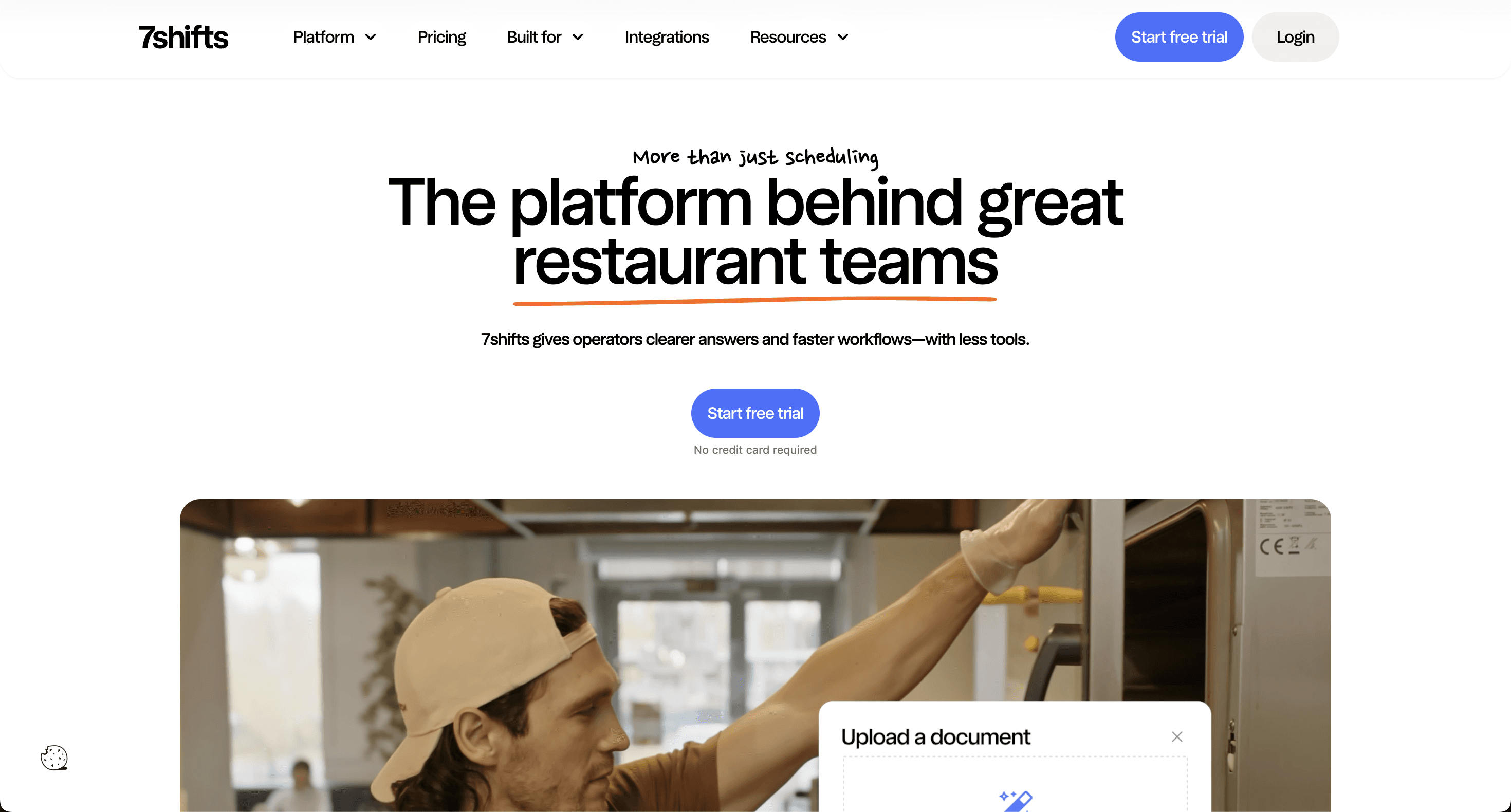
These technologies help you build and manage your team, from hiring to scheduling to training, so you can deliver consistent service while keeping labor costs in check.
Here are some of our software recommendations:
Time & attendance tracking: Homebase, When I Work
Training & onboarding: Opus Training, Wisetail
Hiring & recruiting: Workstream, Harri
Labor forecasting & analytics: Push Operations, Lineup.ai
Best Practices When Implementing Restaurant Technologies
Start with your biggest bottleneck: Don’t buy tech because it’s trendy. Fix the one problem that’s costing you the most money first: slow ticket times, labor waste, low repeat customers, etc.
Choose restaurant-specific tools: You’d want software built for restaurants since the nuances of restaurant operations have been taken into consideration.
Prioritize integration: Make sure your POS, online ordering, KDS, loyalty, and accounting systems talk to each other. If you’re double-entering data, you’re wasting time and increasing errors.
 AI agents automate all guest interactions, 24/7, across all locations of your restaurant.


" transform="translate(3.219 19.212)" width="152.45224485148515px"/><path d="M 0 11.619 C 7.071 11.39 33.491 21.738 40.35 21.268 C 38.499 18.19 37.116 14.915 35.507 11.625 C 33.7 7.867 32.587 3.926 31.702 0" fill="transparent" height="21.28391189647101px" id="I9fuJaf7q" stroke-dasharray="" stroke-linecap="round" stroke-linejoin="round" stroke-width="4.97" stroke="rgb(0, 0, 0)" transform="translate(139.727 55.754)" width="40.34950693069311px"/></svg>)