How Potbelly consolidated guest feedback and streamlined recovery across 472 locations
Momos Partner Since:
Locations:
472
Integrations:
Momos Cases, Review Management, Unified Inbox

Key Result with Momos
Topic | Result |
|---|---|
Feedback consolidated | Reviews, cases, and guest messages across 472 locations brought into a single view. |
Higher submission volume | After switching to Momos Cases and a more approachable Contact Us form, guest feedback submissions increased significantly. |
Easier at scale | The Unified Inbox made the higher caseload significantly easier for the Guest Care team to manage. |
Background
A guest-first brand consolidating its feedback operation
Potbelly is a nationwide sandwich chain with a loyal guest base and a well-established loyalty program. With thousands of transactions processed daily and a high volume of guest interactions across hundreds of locations, Potbelly had strong feedback signals but those signals were spread across multiple channels and tools.
Before Momos, Potbelly managed guest feedback and escalations through a previous vendor, with escalation processes already in place. The team was already responding to guests. What they wanted was a single place to consolidate their feedback channels, make it easier for guests to reach them, and manage a growing caseload without adding complexity.
Potbelly partnered with Momos in 2025 to bring those channels together and give the Guest Care team one view to work from.
The Challenge
Feedback and tools spread across channels
As Potbelly's guest interaction volume grew, managing feedback across separate review platforms, forms, and tools became harder:
Guest feedback lived across reviews, cases, and multiple channels with no unified view.
The path for guests to submit feedback wasn't as approachable as it could be.
The Guest Care team worked across multiple systems to track and resolve cases.
Loyalty recovery actions were handled manually, without a single view of the loyalty guest.
Potbelly needed one place to consolidate the signal and manage a rising caseload without losing the guest tracking they relied on across channels.
The Turning Point
One place for every guest signal
From the outset, Potbelly's goal with Momos was to consolidate feedback channels, create a more approachable Contact Us form, and manage cases from a single place — while maintaining guest tracking across those multiple channels.
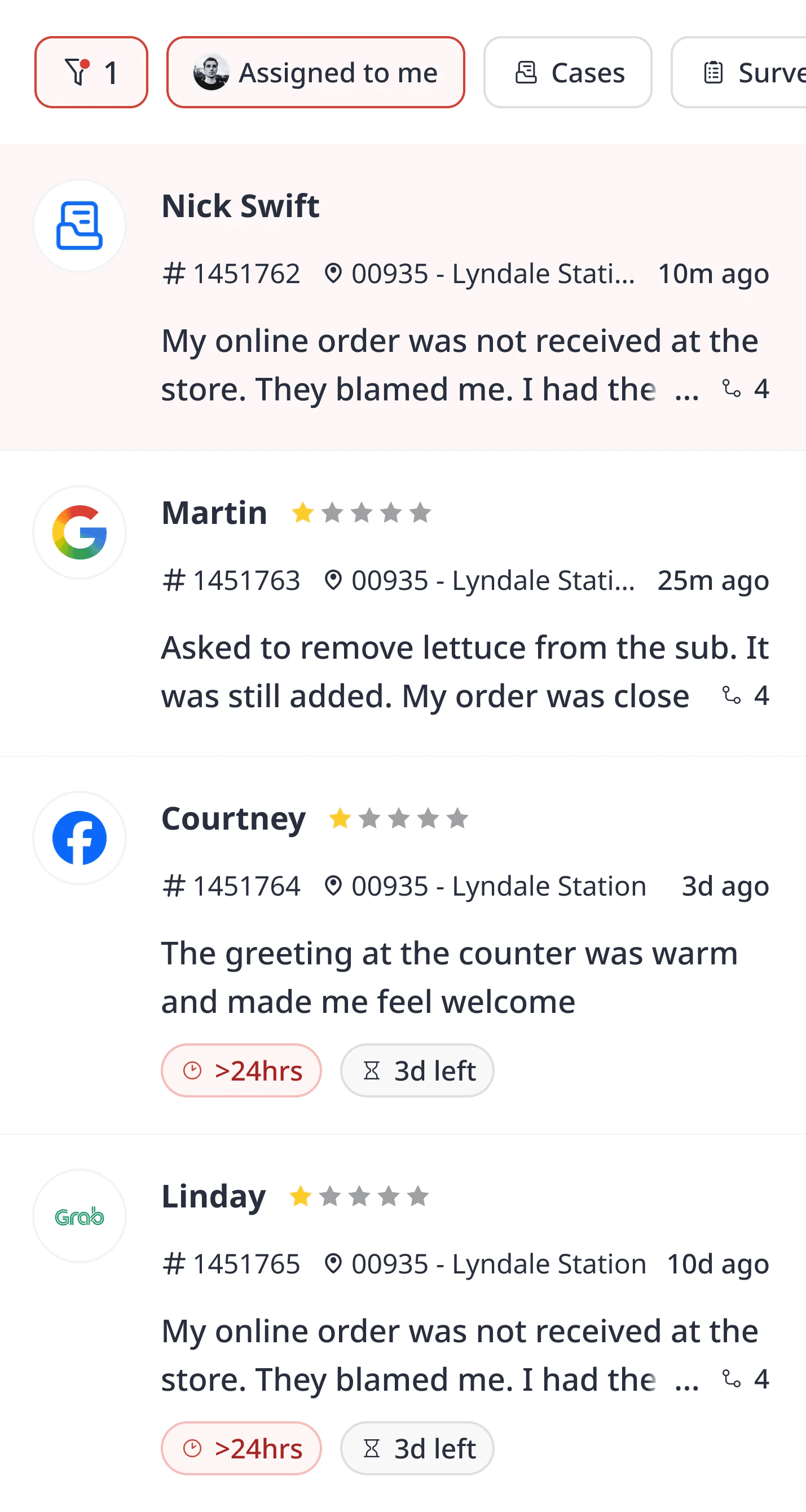
Consolidated feedback: Reviews, cases, and guest messages were routed into a single Momos view.
A more approachable Contact Us form: After switching to Momos Cases, guest submission volume increased significantly.
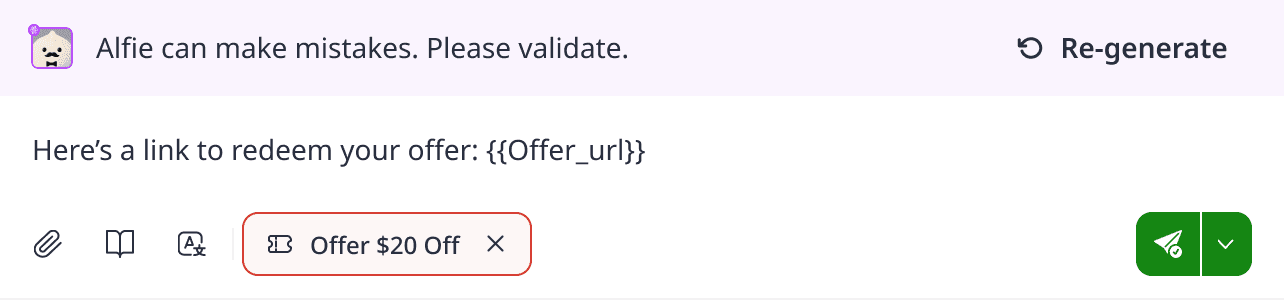
Unified Inbox: The higher caseload became significantly easier to manage from a single pane of glass.
Loyalty recovery in one view: The Guest Care team uses loyalty actions in the Unified Inbox to recover loyalty guests. Recovery is handled manually by the team, with the guest's full history and loyalty status available in one place.
The Results
From scattered channels to a single view
In the period following the Momos launch, Potbelly saw measurable operational change in how guest feedback is captured and managed. Quantitative recovery outcomes are pending data confirmation (see notes).
Metric | Impact |
|---|---|
Feedback consolidated | Reviews, cases, and guest messages across 472 locations managed from a single Momos view. |
Submission volume up | A more approachable Contact Us form and the move to Momos Cases drove a significant increase in feedback submissions. |
Caseload manageable at scale | The Unified Inbox made the increased caseload significantly easier for the Guest Care team to handle. |
Single view for loyalty recovery | Loyalty actions live in the Unified Inbox, giving the Guest Care team one place to recover loyalty guests with full context. |
Why It Works
One place beats many. Consolidating feedback channels gave the Guest Care team a single view to work from, instead of switching between review platforms and separate tools.
A lower barrier to feedback surfaces more signal. A more approachable Contact Us form increased submission volume, giving the team more of the guest signal they'd otherwise miss.
Context in one place makes recovery easier. Loyalty actions in the Unified Inbox give the team a guest's full history and loyalty status at the moment they work a case, so manual recovery is faster and better informed.
Conclusion
Potbelly didn't need to replace its loyalty program or its team. It needed one place to bring guest feedback together and make a growing caseload manageable.
With Momos, Potbelly consolidated its feedback channels, made it easier for guests to get in touch, and gave its Guest Care team a single view to track and resolve cases — including manual loyalty recovery for the guests who matter most.
For multi-location brands, the opportunity starts with the signal they already collect. Bringing it into one place is what makes it manageable — and makes recovery easier for the team doing the work.



" transform="translate(3.219 19.212)" width="152.45224485148515px"/><path d="M 0 11.619 C 7.071 11.39 33.491 21.738 40.35 21.268 C 38.499 18.19 37.116 14.915 35.507 11.625 C 33.7 7.867 32.587 3.926 31.702 0" fill="transparent" height="21.28391189647101px" id="I9fuJaf7q" stroke-dasharray="" stroke-linecap="round" stroke-linejoin="round" stroke-width="4.97" stroke="rgb(0, 0, 0)" transform="translate(139.727 55.754)" width="40.34950693069311px"/></svg>)