Taco Time Unlocks Hidden Revenue by Fixing the Response Gap
Momos Partner Since:
Locations:
75
Integrations:
Doordash, Facebook, Google, Olo, Uber Eats, Yelp
X
Faster Resolution Time
%
Resolution Rate Achieved
pp
+
CSAT Lift in Bottom 10% Stores
Key Results with Momos
Topics | KPIs |
|---|---|
Operational Efficiency | Median Response Time: Median Resolution Time: Resolved Rate: AI Adoption: 0% Suggested Responses (June) → 97.82% AI-powered responses (January) |
Customer Satisfaction Lift Bottom 10% Locations | Bottom 10% CSAT: Underperforming stores improved CSAT while maintaining or increasing feedback volume — proving operational lift, not just statistical noise. |
Recovery and Revenue | 1–3 Star Google Reviews: New Survey Volume: Taco Time moved from limited visibility to a consistent, scalable guest recovery engine. |
Backgrounds
Since 1962, Taco Time NW has been a Pacific Northwest icon known for fresh ingredients and strong community roots. Operating 75 locations across a broad geographic footprint, the brand had scale but lacked centralized visibility into guest experience performance.
By 2025, Taco Time was managing guest interactions across Google, delivery platforms, surveys, and internal systems using disconnected tools. Reviews lived in one platform, tickets in another, phone systems in another.
The result: slow responses, inconsistent follow-up, and limited insight into underperforming stores.
The leadership team recognized that growth wouldn’t come from opening more locations. It would come from fixing the operational gaps inside the existing 75 locations.
The Challenge
Taco Time faced four structural issues:
Fragmented Guest Experience
Customer service was managed across siloed systems, leading to slow response and resolution times. On delivery platforms like DoorDash and Uber Eats, responses were nearly nonexistent.Manual Review Management
AI-generated responses required heavy editing to match brand tone, creating unnecessary corporate workload.Limited Visibility into the Bottom 10% Locations
Underperforming stores showed inconsistent CSAT and fluctuating feedback volume. Some locations had extremely low feedback counts, making trend detection difficult.The Response Gap
Median resolution time exceeded 600 hours in June 2025. Negative feedback often lingered unresolved. The brand lacked a centralized engine to identify, route, and close issues quickly.
For bottom-performing stores, this wasn’t just inefficiency, it was revenue leakage.
The Turning Point
Taco Time consolidated its fragmented tech stack into the Momos Activate, Feedback, and Core suites, transforming how the brand captures, routes, and resolves feedback across all 75 locations.
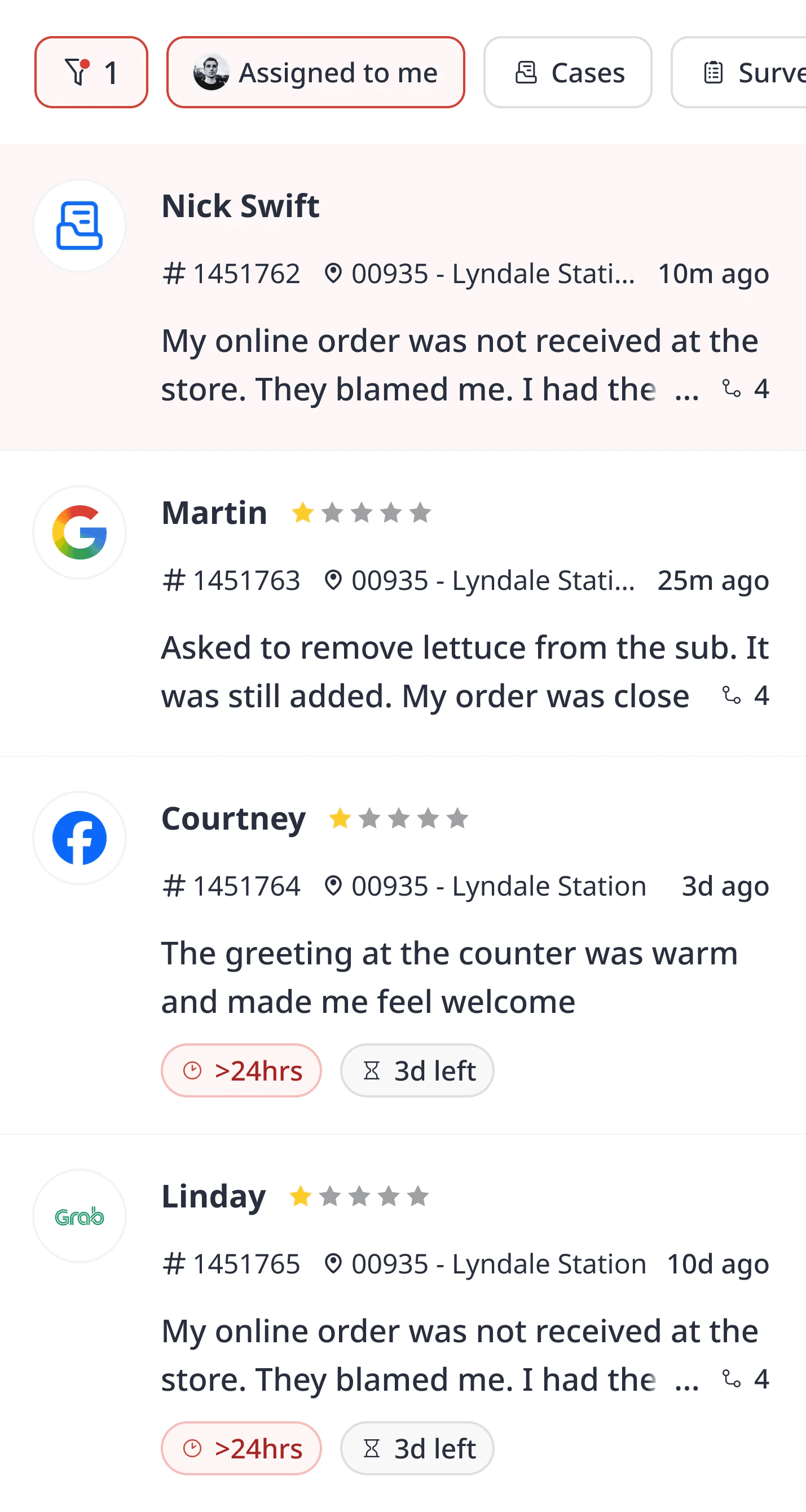
Unified Feedback Management: The team centralized all guest feedback channels into the Momos Inbox, giving operators a single place to capture, route, and manage reviews and customer issues across all locations.
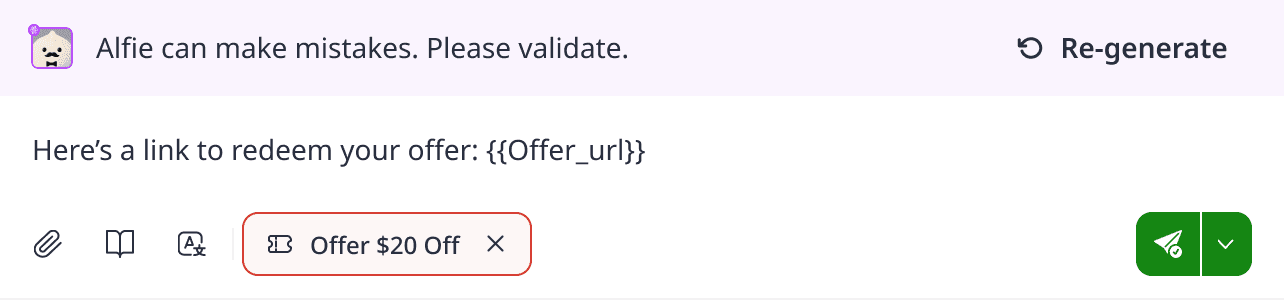
Real-Time Customer Recovery: With AI-suggested responses tailored to the brand’s tone, managers can resolve guest issues and respond to reviews instantly, turning negative experiences into recovery opportunities.
AI-Powered Personalization By utilizing AI Suggested Responses, the team eliminated the need for manual re-typing. These responses were tailored to the brand’s specific tone, allowing managers to handle 5-star online surveys and reviews with automated, high-quality messaging.
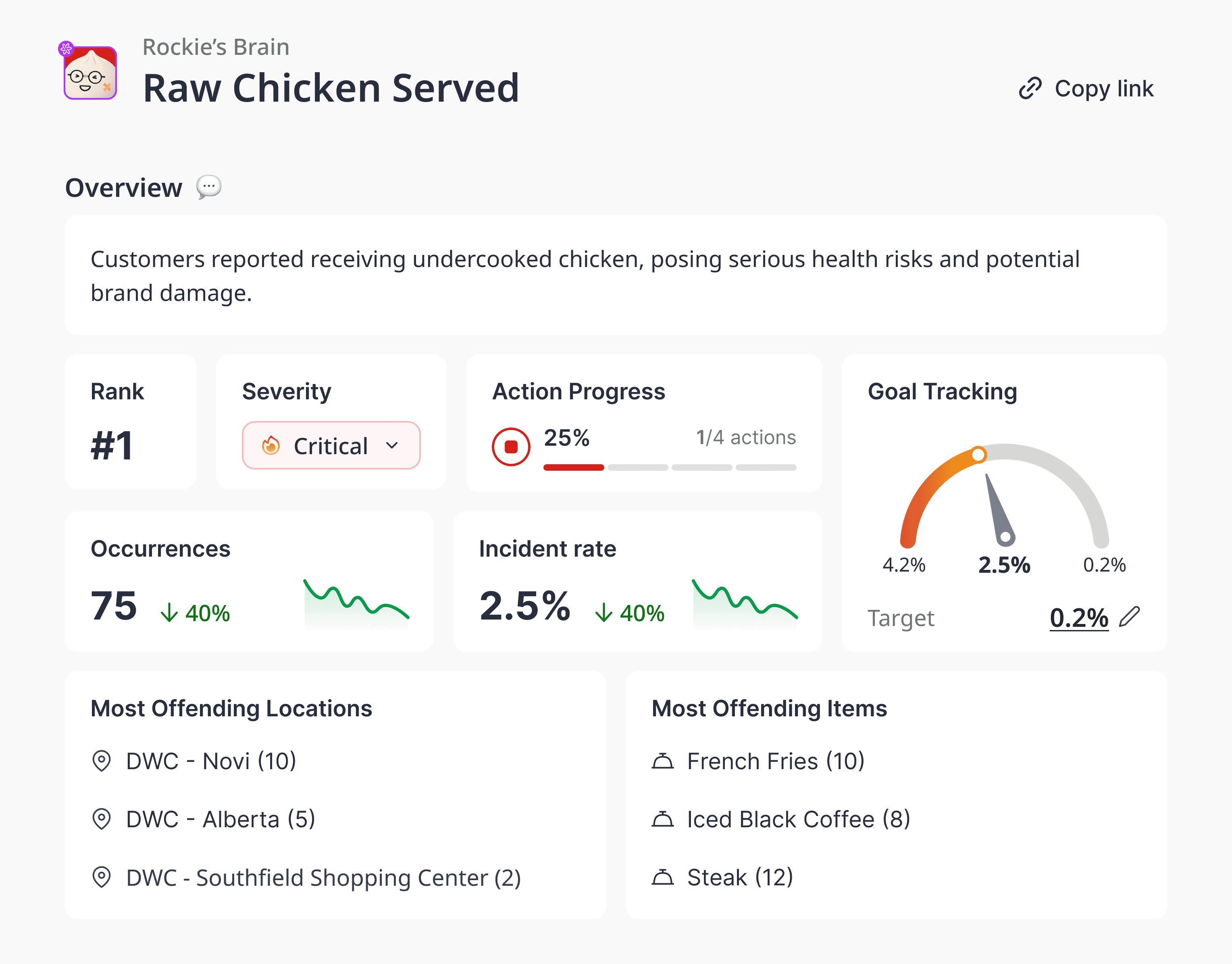
Capturing "Invisible" Guest Insights: New post-order surveys and social listening capture guest sentiment that was previously missed. These insights allow the team to identify operational leaks in underperforming stores and implement fixes without the cost of new builds.
The Results
Metric | Impact |
|---|---|
Faster Incident Identification | Response time improved 5.3x. Issues are now identified within hours instead of days. |
Faster Incident Resolution | Resolution time improved 66.5x. From 614 hours to just over 9 hours, transforming guest recovery speed. |
100% Resolution of Negative Reviews | All 1-3-star Google reviews have been consistently resolved since July. |
Measurable Lift in the Bottom 10% Locations | The lowest-performing stores improved CSAT by +8.38pp in six months. This is the Laggard Lift effect: operational focus on the bottom tier produces measurable brand-wide gains. |
Why it works
Taco Time didn’t just implement a tool. The team implemented an operational strategy that turns guest data into revenue protection.
Faster responses = more recovered guests. Store operators can respond to review and resolve issues in real time, ensuring negative experiences don’t linger.
Real-time visibility = faster store-level fixes. Operators see guest feedback as it happens, allowing them to identify operational issues and resolve them the same day, not weeks later in reports.
Fixing underperforming stores yields faster financial returns. When store teams address guest issues quickly, satisfaction improves, customers return more often, and positive reviews help attract new guests.
Conclusions
By closing the Response Gap, Taco Time transformed guest experience from a reactive function into a performance lever.
Within 60–90 days:
Response time improved 5.3×: from ~50 hours to 9.3 hours.
Resolution time improved 66×: from 614 hours to just over 9 hours.
Resolution rate increased from 4.5% to 100% across all locations.
Bottom 10% stores improved CSAT by +8.38 points while feedback volume increased.
Survey collection also scaled to 200–250 responses per week, giving the team consistent visibility into guest sentiment across all 75 locations.
For multi-location brands, hidden revenue doesn’t sit in expansion plans. It sits inside the stores you already operate.
See how Momos helps brands fix underperforming stores. Read our 2026 Industry Report.



" transform="translate(3.219 19.212)" width="152.45224485148515px"/><path d="M 0 11.619 C 7.071 11.39 33.491 21.738 40.35 21.268 C 38.499 18.19 37.116 14.915 35.507 11.625 C 33.7 7.867 32.587 3.926 31.702 0" fill="transparent" height="21.28391189647101px" id="I9fuJaf7q" stroke-dasharray="" stroke-linecap="round" stroke-linejoin="round" stroke-width="4.97" stroke="rgb(0, 0, 0)" transform="translate(139.727 55.754)" width="40.34950693069311px"/></svg>)