El ROI de responder a reseñas: cómo las respuestas más rápidas impulsan los ingresos y la visibilidad
Escrito por: Amanda Jacob

⟦embed:keyTakeaways⟧
If you’ve ever ignored a customer review—especially a bad one—this might sting:
You’re not just risking a lost customer. You’re missing out on higher rankings, fewer walk-aways, and measurable revenue.
Today, customers expect businesses to not just listen, but respond—fast. And for multi-location brands, how quickly (and how well) you respond to online reviews can directly impact:
Google Maps rankings (response = relevance)
Revenue per location (recovered customers spend more)
Volume and quality of new reviews
Repeat visits and customer lifetime value
In fact, QSRs using AI to respond to reviews in real time have seen up to 37% more repeat visits and 46% higher review volume, without hiring a single new person.
Speed isn’t just a service metric anymore. It’s an SEO strategy. It’s a revenue lever. And it’s a brand differentiator. Let’s unpack why.
Why Speed Matters: Reviews as a Visibility Signal
Google treats reviews as a key ranking factor in local search. But it’s not just about how many stars you have—it’s about what you do with those reviews.
When your business consistently responds to reviews (especially negative ones), Google takes that as a sign of active engagement and quality management. In other words:
Replies signal relevance. Relevance improves rank.
“Actively managing and responding to reviews shows Google that your business is engaged, which can help improve local rankings.”
— Google Business Profile Help Documentation
Here’s what faster response times influence:
Visibility: More reviews + consistent replies boost your authority
Conversion: A visible, responsive brand builds trust before someone even walks through the door
Recovery: Fast replies to unhappy customers can prevent churn and encourage them to return
Volume: People are more likely to leave reviews when they know someone is listening
The Revenue Cost of a Slow or No Response
Imagine this:
A customer has a bad experience and vents with a 2-star review. They’re frustrated, but open to a resolution. You respond three days later with a template. Too little, too late.
That one moment can cost you:
A returning customer (who might have spent $1,000 annually)
Their network (people who check their review or ask for recs)
Ranking power (negative sentiment left unresolved)
Operational feedback (missed chance to fix what’s broken)
Now multiply that by every ignored or delayed review across 100+ locations.
That’s the silent churn most brands never quantify.
Response Templates vs. AI Personalization: The Engagement Gap
You’ve probably seen (or sent) these:
“Thank you for your feedback. We’re sorry to hear about your experience. Please email support@example.com for assistance.”
It's a classic copy-paste—and it doesn’t work anymore.
Templates lack empathy. Customers can spot them instantly. They don’t feel heard. And worse, templated responses often fail to address the actual issue, missing the chance to recover the customer or clarify the situation for future readers.
By contrast, AI-powered responses—when done well—can:
Adapt to the tone of the review
Use location-specific language
Address the actual feedback points (e.g., slow service, missing item)
Stay on-brand while still sounding human
Personalization increases the likelihood that a customer updates their review, comes back, or even shares the positive recovery story publicly.
Real-World Stats: Before and After Automation
Let’s look at real metrics from a multi-location restaurant group using Momos AI Copilots:
Metric | Before Momos | After Momos | Results |
Avg. review response time | 36+ hours | 15 minutes | 95% faster |
Response rate (all reviews) | 42% | 100% | ↑138% |
Monthly review volume per store | 18 | 45 | ↑150% |
CSAT (customer satisfaction) | 81% | 95% | ↑14% Points |
Estimated revenue uplift | — | 12–18% per store | Proven Impact |
What changed?
Instead of manually managing inboxes, operators used AI to:
Instantly acknowledge feedback
Escalate critical issues automatically
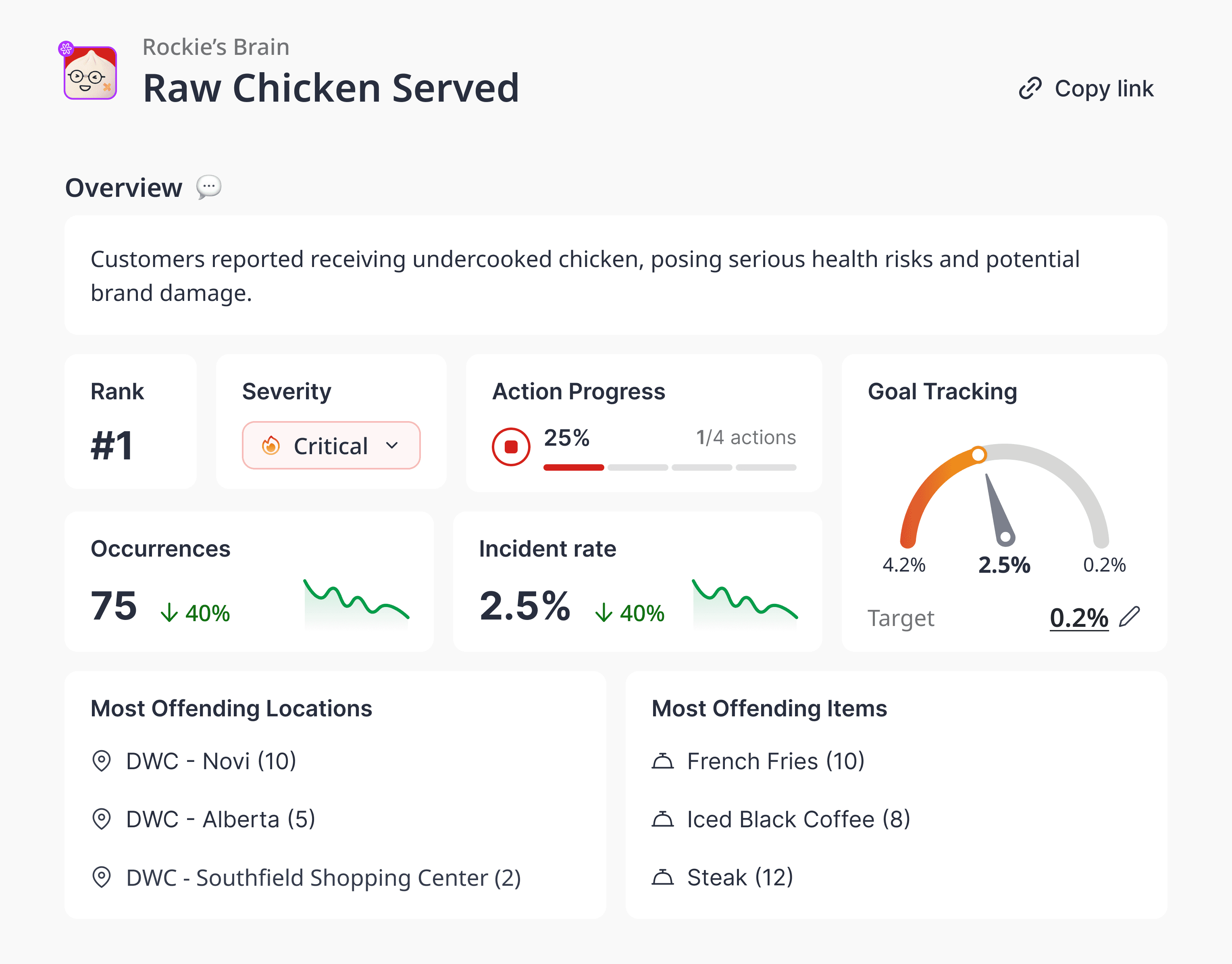
Send real-time alerts for trending topics (e.g., “cold food” mentions)
Customize tone and wording to match their brand personality
The result? Customers felt heard—and came back. Google rewarded the responsiveness with higher visibility. Operators got back time.
Review Response as a Customer Experience Channel
Most brands think of reviews as a marketing problem. But in reality, they’re a customer service and experience problem.
Your review response strategy is an extension of your brand:
It’s your first line of defense when something goes wrong
It’s your opportunity to reinforce what went right
It’s a visible, public-facing interaction that future customers will read
With the right tools, every response becomes:
A moment of trust
A chance to recover revenue
A SEO signal that lifts all locations
What Google Looks for in “High-Quality” Engagement
Google doesn’t publicly disclose all local SEO signals, but there are strong indications from their own documentation and studies that review activity impacts ranking.
Here’s what correlates with better visibility:
Fast response times (especially for negative reviews)
Consistent engagement across all locations
Use of keywords in review responses (but not in a spammy way)
High-resolution photos uploaded with review responses
Resolution success—customers changing reviews after engaging
Even something as simple as using a reviewer’s name (“Hi Sarah, thanks for your feedback…”) can increase perceived authenticity and brand likability.
Building a Response Workflow at Scale
Here’s how multi-location brands can approach this:
1. Centralize Review Management
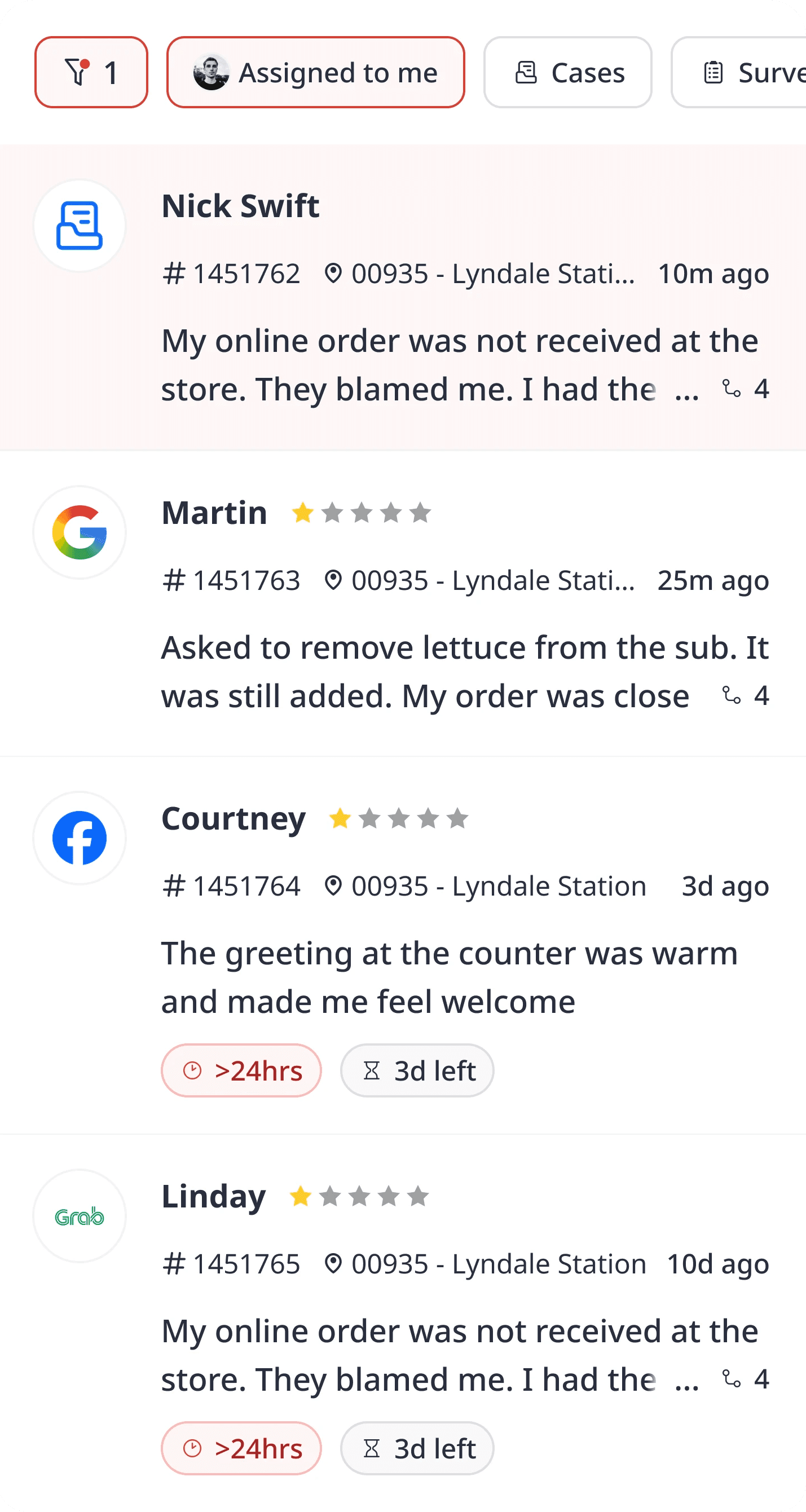
Don’t leave it to individual store managers with no oversight. Use a shared platform that aggregates all reviews across Google, Yelp, Facebook, TripAdvisor, etc.
2. Automate First Response, Personalize When Needed
Use AI to handle:
Positive reviews (“Thanks for the love, come back soon!”)
Neutral reviews (“We’d love to make your next visit better—reach out anytime.”)
Initial acknowledgement for negative reviews
Escalate high-risk reviews to human agents with context and templates.
3. Train Your AI on Brand Voice
Great AI is trainable. Feed your tone, values, and escalation criteria so it can reflect your brand—whether you’re a cheeky fast-casual or a polished luxury group.
4. Track the Right Metrics
Review volume and star ratings are obvious. But also track:
Time-to-first-response (TTR)
Review update rate (how many people change their review after your reply)
Keywords in negative reviews
Volume of auto-escalations
These metrics show if your system is actually improving experience and reputation—not just checking boxes.
So, How Does Momos Help?
At Momos, we built our AI Customer Platform to handle review response at scale—with empathy, speed, and strategy.
With Momos, you can:
💬 Instantly respond to every review across every location
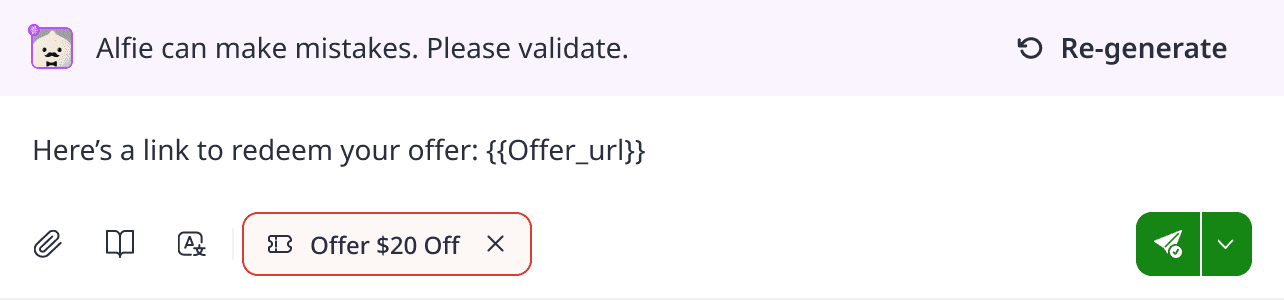
🧠 Train our AI Copilot, Alfie, to match your brand voice
⚠️ Auto-escalate critical issues for human resolution
📊 Track location-level performance and sentiment trends
🎯 Prove the ROI of your response strategy with real-time reporting
Our QSR and retail clients have saved thousands of hours annually—and gained millions in recovered revenue—just by responding faster and smarter.
Review Response ROI: FAQ
Does responding to reviews improve local SEO?
Yes, Google's own Business Profile documentation says that actively managing and responding to reviews shows your business is engaged, which can help local rankings. Consistent replies across all your locations, especially to negative reviews, signal active engagement. Responsiveness also encourages more guests to leave reviews, which adds to your visibility.
How quickly should a restaurant respond to online reviews?
Respond as fast as you can, especially to negative reviews. An unhappy guest is often still open to a resolution right after posting, and a reply days later with a template usually comes too late. Fast, personal replies can prevent churn and bring that guest back.
Are review response templates good enough?
Generic templates tend to fall flat because guests can spot them instantly and don't feel heard. They also often miss the actual issue, so future readers learn nothing about how you handled it. Replies that match the review's tone, mention the specific problem and stay on-brand work much better.
Should I use AI to reply to customer reviews?
AI is a practical way to reply to every review across many locations, as long as it's trained on your brand voice. Let it handle positive and neutral reviews and the first acknowledgment of negative ones, then escalate high-risk reviews to a person with context. That keeps replies fast without losing the human touch.
Which metrics show whether my review response strategy is working?
Beyond review volume and star ratings, track time to first response, how many reviewers update their review after your reply, recurring keywords in negative reviews and how often issues get escalated. These show whether your replies are improving the guest experience. Review them by location to spot where help is needed.
How does Momos help with review response?
Momos responds to every review across every location and lets you train its AI to match your brand voice. Critical issues are escalated automatically for a person to resolve. You can also track performance and sentiment trends for each location and report on the return from your response strategy.
 Los agentes de IA automatizan todas las interacciones con los clientes, las 24 horas, los 7 días de la semana, en todos los locales de tu restaurante.


" transform="translate(3.219 19.212)" width="152.45224485148515px"/><path d="M 0 11.619 C 7.071 11.39 33.491 21.738 40.35 21.268 C 38.499 18.19 37.116 14.915 35.507 11.625 C 33.7 7.867 32.587 3.926 31.702 0" fill="transparent" height="21.28391189647101px" id="I9fuJaf7q" stroke-dasharray="" stroke-linecap="round" stroke-linejoin="round" stroke-width="4.97" stroke="rgb(0, 0, 0)" transform="translate(139.727 55.754)" width="40.34950693069311px"/></svg>)