AI搭載チャットボットが実現する、24時間365日のカスタマーサポート革命
執筆者:アマンダ・ジェイコブ

⟦embed:keyTakeaways⟧
Running a business today means staying available—always. But with rising expectations and shrinking resources, staffing round-the-clock support at every location just isn’t realistic.
That’s where AI-powered chatbots come in. Always on. Always consistent. Always scalable.
But are they just hype, or are they changing the game for customer service?
Let’s look at what’s driving the shift, how businesses are using chatbots effectively, and what still needs a human touch.
Why 24/7 Support Is Now Table Stakes
Customers don’t want to wait. According to HubSpot, 90% of consumers rate an “immediate” response as important when reaching out to a business. And if they don’t get it? Half say they’ll switch brands after just one bad experience.
For multi-location operators juggling fragmented systems, inconsistent coverage, and rising service volumes, this is more than a CX issue—it’s a revenue risk.
Where Chatbots Work Best
Modern AI chatbots are smarter than their predecessors. They’re conversational, fast, and capable of handling real volume.
They excel at:
Answering FAQs about hours, menus, bookings, or services
Resolving delivery or order status questions instantly
Routing complex issues to the right person, without making the customer repeat
Consistently responding across dozens—or hundreds—of locations
Momos AI copilots take this a step further by learning from each location’s actual customer data. The result? Responses that feel personalized, not generic.
What Still Needs a Human Touch
Despite their strengths, AI chatbots aren’t a full substitute for human support. They’re a starting point, not the whole experience. The magic happens when bots and humans work together—when the system knows its limits.
They struggle with:
Emotional recovery moments where tone and empathy matter
Multi-step or nuanced issues that require real judgment
High-stakes interactions with VIPs or frustrated customers
Think of AI as your digital concierge—fast, friendly, and capable, but always ready to hand off to the manager when needed
The ROI Is Clear
Chatbots don’t just save time—they improve outcomes.
Up to 30% lower customer service costs
67% of customers had a positive chatbot experience last year
Faster resolutions and fewer missed inquiries across all locations
For multi-location brands, this kind of efficiency is a game-changer. When service teams are distributed, tools like AI chatbots allow centralization without sacrificing quality. Fewer missed inquiries. More consistency. And the ability to serve every customer on their time.
Use Cases Across Industries
The applications are wide-ranging. Restaurants use chatbots to answer delivery questions, direct customers to the right location, or confirm hours during holidays. Retail chains rely on them to handle product availability queries and store-level FAQs. Gyms and wellness brands automate appointment booking, cancellations, and follow-ups—all via messaging apps or on-site widgets.
💡 Restaurants: Answer “Are you open?” or “Where’s my order?” 24/7
💡 Retail: Help customers check local product availability or return policies
💡 Fitness: Automate bookings, cancellations, and reminders via chat
What they all have in common: lower pressure on frontline staff, faster response times, and happier customers.
Key Takeaways
AI chatbots help teams do more by handling repetitive frontline questions.
Human connection still matters—don’t automate where empathy is needed.
For multi-location brands, chatbots bring consistency and speed to every location, channel, and hour.
Your Always-On Customer Support Starts Here
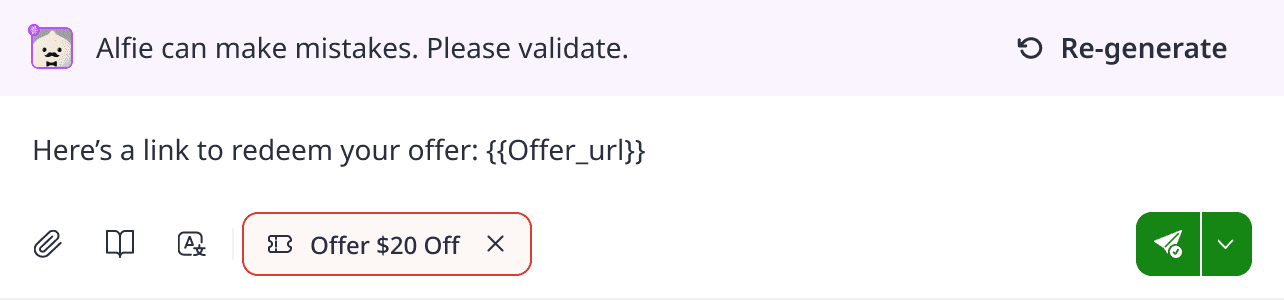
With Momos Copilots, every customer gets support—even when your team’s off the clock.
Built for multi-location brands, our AI copilots handle feedback, answer questions, and route issues—all in real time, all with context.
AI Chatbots for Customer Support: FAQ
What can an AI chatbot handle for my business?
AI chatbots work best on common, repetitive questions. They can answer questions about hours, menus, bookings and services, give delivery or order status updates, and route complex issues to the right person. They also keep answers consistent across all your locations.
When should a chatbot hand a conversation to a person?
Hand off when a conversation needs empathy or judgment. That includes emotional recovery moments, multi-step or nuanced problems, and high-stakes conversations with VIPs or frustrated customers. A good setup knows its limits and passes the guest to a manager without making them repeat themselves.
Are AI chatbots worth it for a multi-location restaurant brand?
For most multi-location brands, yes, because staffing round-the-clock support at every location usually isn't realistic. A chatbot answers guests at any hour, reduces missed inquiries and takes pressure off frontline staff. It also lets you centralize support while keeping answers consistent.
How do restaurants use chatbots?
Restaurants use chatbots to answer questions like whether they're open, confirm holiday hours, give delivery updates and point guests to the right location. These questions come in at all hours and follow predictable patterns. Automating them frees your team for the guests in front of them.
How do I make a chatbot feel less generic?
Give it each location's real information and customer data so its answers fit the place the guest is asking about. Keep the tone conversational and consistent with your brand. Make sure it hands off smoothly to a person when the conversation calls for one.
 AIエージェントが、貴店の全店舗におけるすべてのお客様対応を年中無休・24時間体制で自動化します。


" transform="translate(3.219 19.212)" width="152.45224485148515px"/><path d="M 0 11.619 C 7.071 11.39 33.491 21.738 40.35 21.268 C 38.499 18.19 37.116 14.915 35.507 11.625 C 33.7 7.867 32.587 3.926 31.702 0" fill="transparent" height="21.28391189647101px" id="I9fuJaf7q" stroke-dasharray="" stroke-linecap="round" stroke-linejoin="round" stroke-width="4.97" stroke="rgb(0, 0, 0)" transform="translate(139.727 55.754)" width="40.34950693069311px"/></svg>)