16 Best AI For Restaurant Operations (2026)
Written By: Vincent Nguyen

If you're running a restaurant, you probably know the tremendous value of efficient operations.
In an industry where margin is notoriously thin, you need to optimize all aspects of its operations to maximize profit.
A good restaurant operations software can certainly help with that.
In this article, we're going to share with you:
How a good restaurant operations software help
What features to look for
16 software that we highly recommend
What To Look For In AI Agents For Restaurant Operations?
To manage restaurant operations is to manage the daily processes that keep your business running, from staff scheduling and inventory to food costs, task management, and compliance.
Operations software adds value by bringing all of those workflows into one system. Centralization simplifies management.
When you compare tools, check for these aspects:
Multi-location support. If you run more than one site, you need a single dashboard that rolls up data across all of them and lets you compare performance location by location.
Automation. The best tools come with features to automate repetitive work for you, such as demand forecasts, prep lists, reorder alerts, and shift reminders.
Integrations. Your operations tool should connect to your POS, payroll, and accounting systems so data flows without double entry.
Reporting and analytics. You want clear reports on sales, labor, and inventory that turn raw numbers into decisions you can act on.
Ease of use. Frontline staff and managers should learn the tool fast.
Support and onboarding. Check that the vendor offers real onboarding and responsive support, since a tool your team never fully sets up delivers no value.
With that said, here's our list of 16 restaurant operations software:
1. Momos
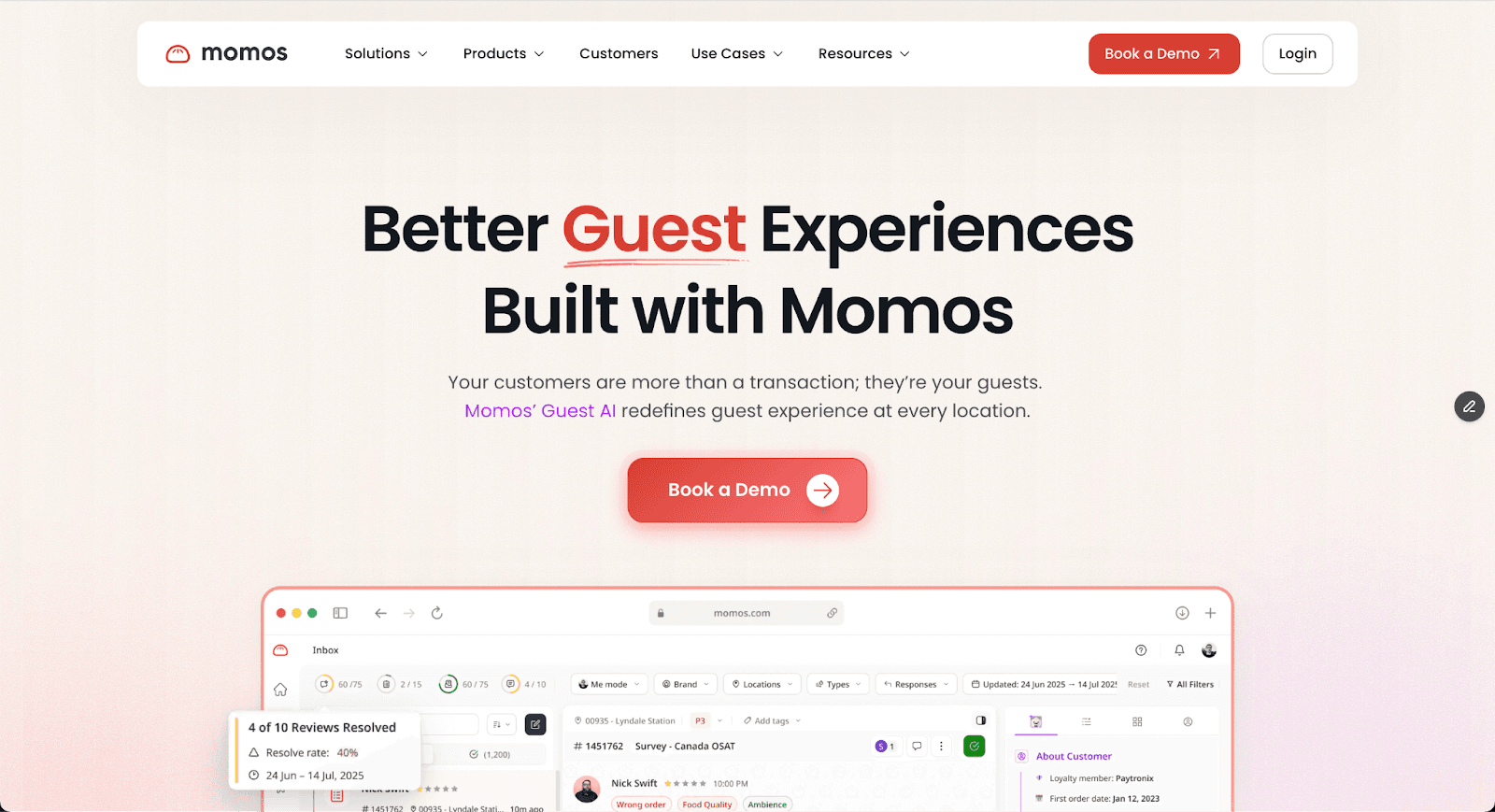
Momos is an AI-powered platform that helps restaurant and multi-location brands manage guest experience, reputation, and operations from one place. It pulls reviews, messages, and guest feedback across every channel and location into a single dashboard, then uses AI to help teams respond faster and act on what guests are saying.
Here is what Momos does:
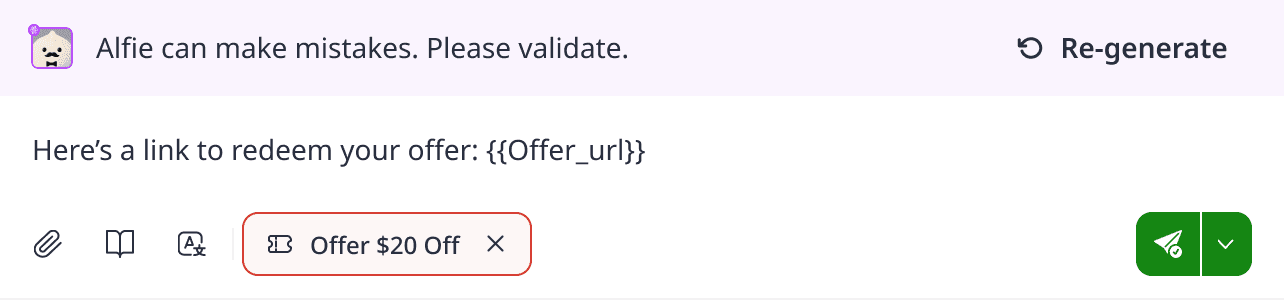
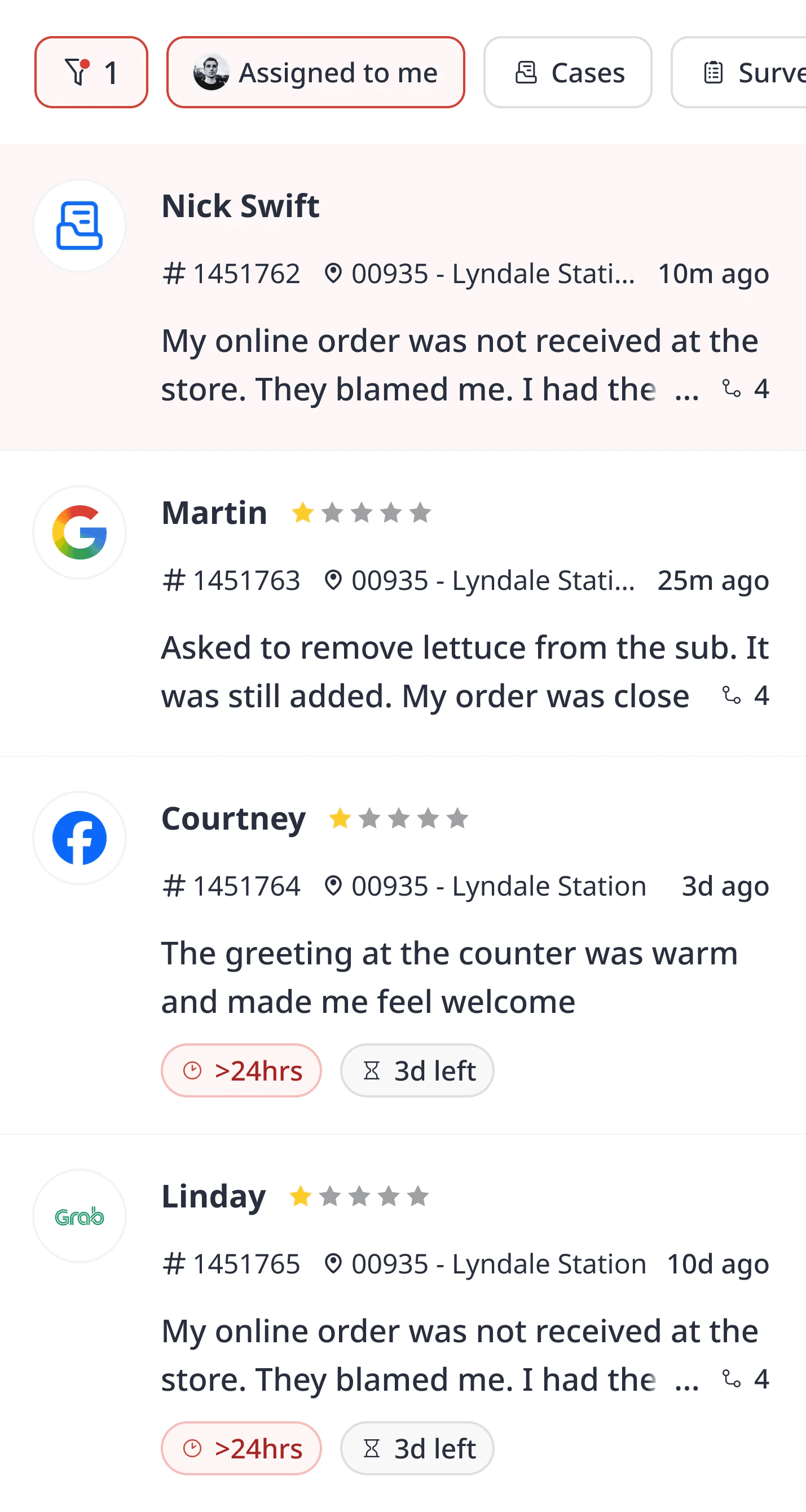
Reputation management. Momos collects reviews from Google, Yelp, and other sites across all your locations, then uses AI to draft and send responses so no review goes unanswered.
Unified guest messaging. It brings messages from social media, SMS, email, and web into one inbox, so your team replies from a single place instead of jumping between apps.
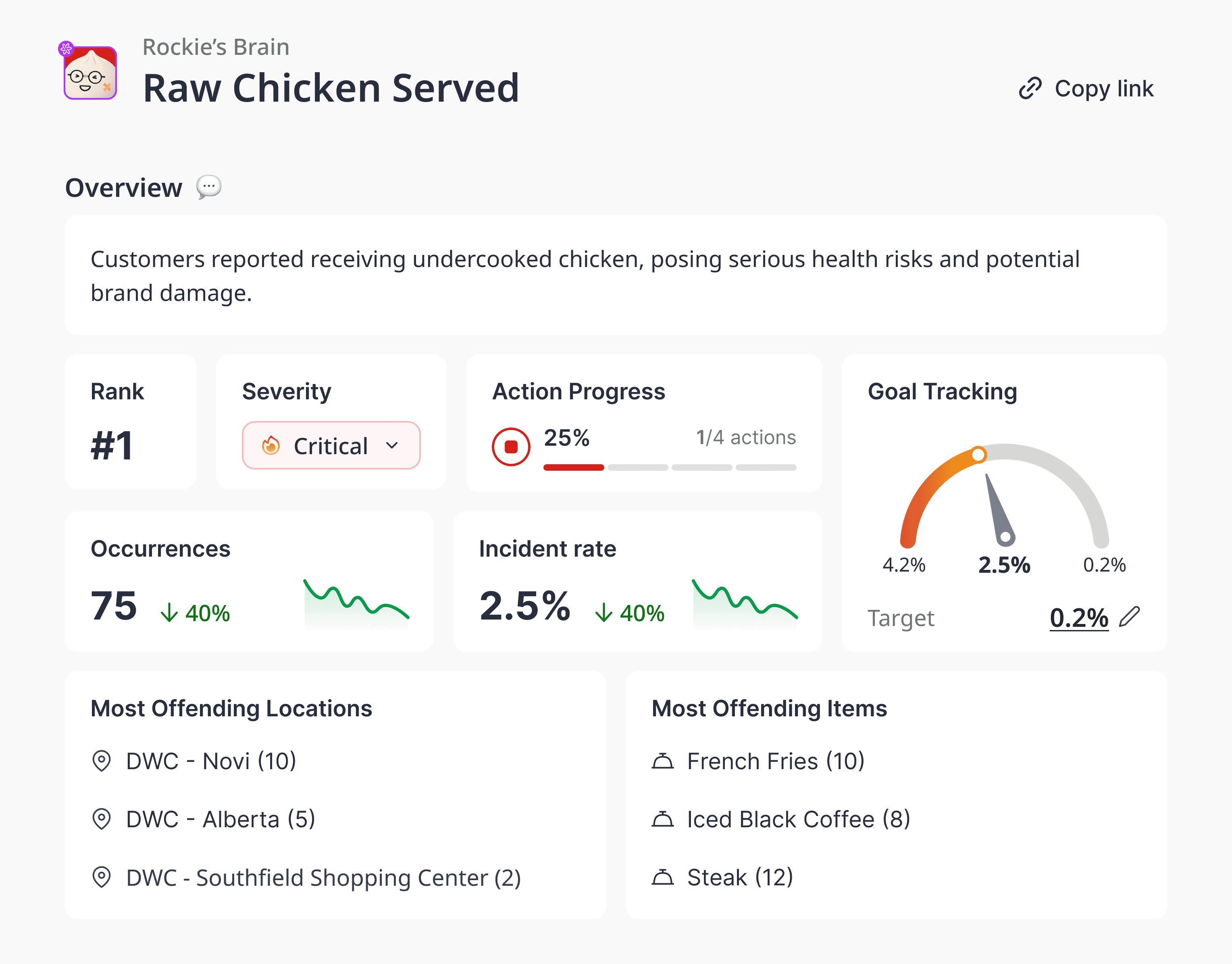
AI-powered insights. Momos reads through guest feedback at scale and surfaces trends by location, so you know which sites have service or quality issues before they spread.
Multi-location reporting. It rolls up reputation and guest data across your whole portfolio and lets you compare performance site by site, which matters most for growing brands.
Operational recommendations. The platform turns guest sentiment into clear actions, so managers know what to fix rather than just seeing a score drop.
With that wealth of information, Momos surfaces Operational Insight Dashboards to give you a bird-eye view about where your restaurant is doing well and where it needs improvement.
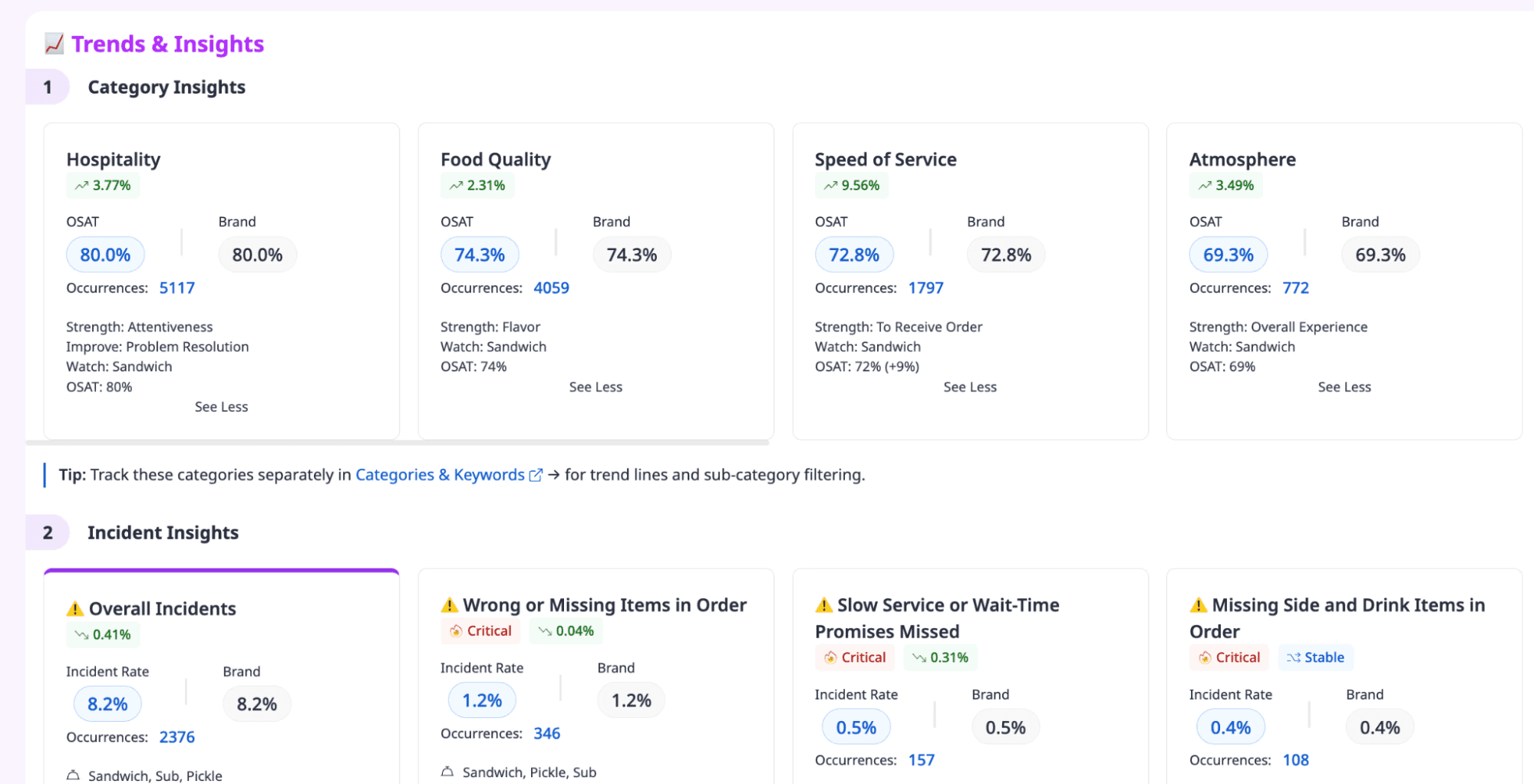
For example, by scanning that dashboard, we can immediately come up with several action items:
| Priority | Category | Action |
|---|---|---|
| Fix Now | Sandwich | Flagged across food, speed & atmosphere. Need to audit product and prep immediately. |
| Fix Now | Wrong & Missing Items | 1.2% incident rate. Need to tighten kitchen accuracy and order verification. |
| Watch | Atmosphere | Lowest OSAT at 69.3%. Need a clear improvement plan. |
| Watch | Slow Service | Trending up +9.56%. Maintain momentum, close the remaining gap. |
| Double Down | Hospitality | 80% OSAT. Reinforce attentiveness in staff training. |
| Double Down | Food Quality | Flavor is a proven strength. Lean into it in marketing and menu positioning. |
Thanks to this wealth of insights, restaurant operators can:
-
1.
Prevent issues from scaling: catch operational problems at one location before they become a systemwide liability.
-
2.
Turn guest sentiment into strategy: move beyond gut feel and make data-driven decisions that directly improve guest experience and drive revenue.
-
3.
Align your entire organization: give Operations, Marketing, and CX teams a shared view of performance so every function is working toward the same guest experience goals.
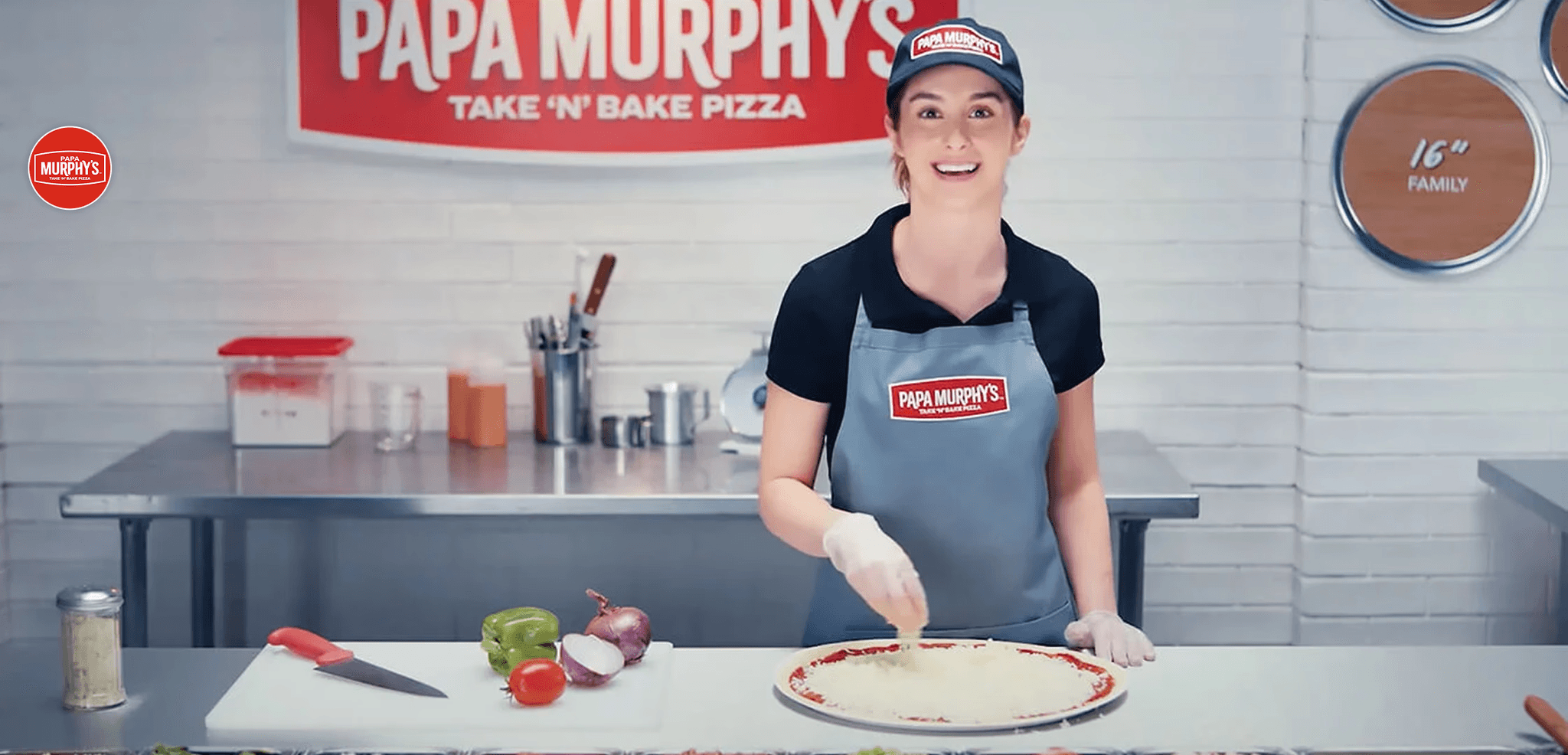
Papa Murphy's, one of the largest take-and-bake pizza chains in North America, wants to keep track of customer sentiment across their massive franchise network. With Momos, they successfully centralized review monitoring across every location — surfacing patterns, flagging underperforming stores, and enabling managers to respond faster than ever before.

2. Toast
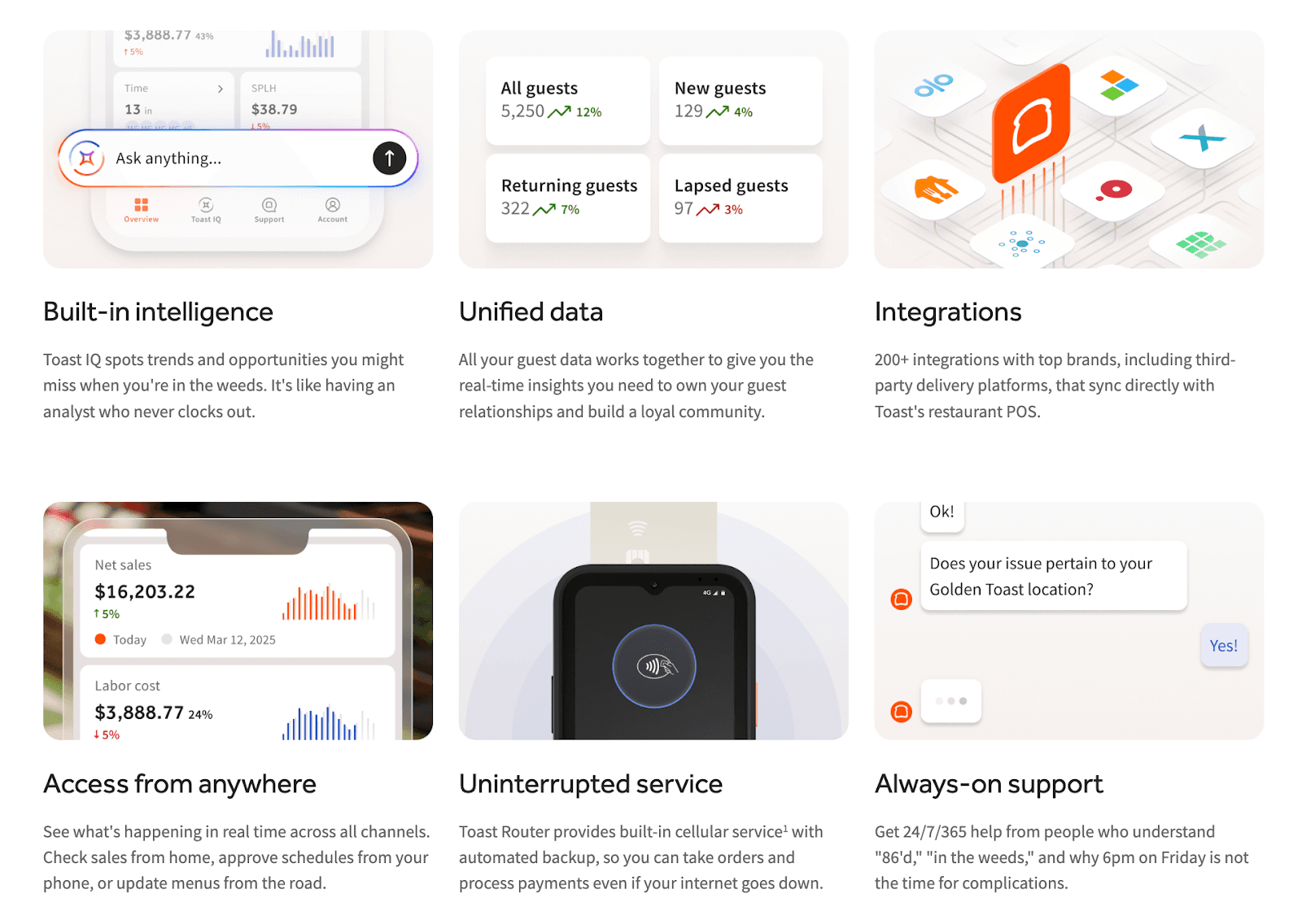
Category: Restaurant point of sale (POS) & operations software
If you're running a restaurant, you should have heard of Toast. From the POS terminal on your counter to the tablet in your server's hand, Toast has quietly become the backbone of how thousands of restaurants take orders and run their business day-to-day.
With Toast, you get a full-stack restaurant operating system: POS, online ordering, payroll, scheduling, inventory, and guest marketing all built natively on one platform. It is the fastest-growing restaurant technology company in the industry, now serving over 100,000 restaurant locations across the United States.
Some major clients of Toast include Nobu, Jamba, and Bartaco, alongside hundreds of thousands of independent operators.
Key features: Point of sale, online ordering, delivery management, payroll & scheduling, inventory tracking, guest CRM & loyalty, reporting & analytics
What makes them stand out: Toast is built exclusively for restaurants. Unlike generic POS systems, Toast removes the need to stitch together multiple vendors across your tech stack.
Pricing: Starts at $0/month for single-location operators on the Starter plan, scaling to $165+/month for more advanced features. Hardware and installation costs apply separately.
It's a great fit for: Any restaurant from single-location independents to large enterprise chains.
Website: Toast
3. 7Shifts
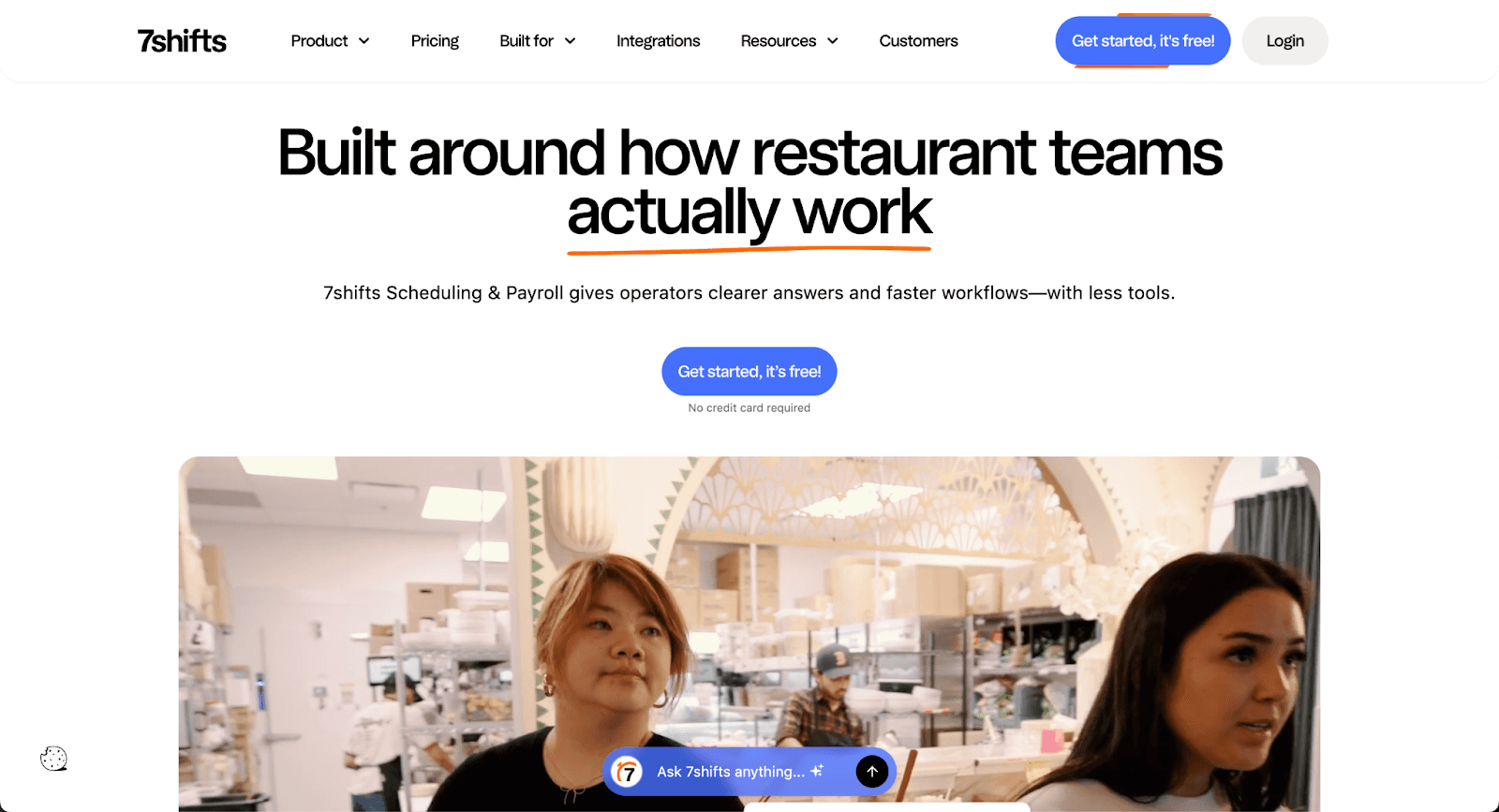
Category: Restaurant workforce & employee management software
7shifts is a workforce management platform built exclusively for restaurants.
With 7shifts, you get employee scheduling, time tracking, tip pooling, and payroll integration combined into one intuitive platform. It is the most widely adopted workforce management solution in the restaurant industry.
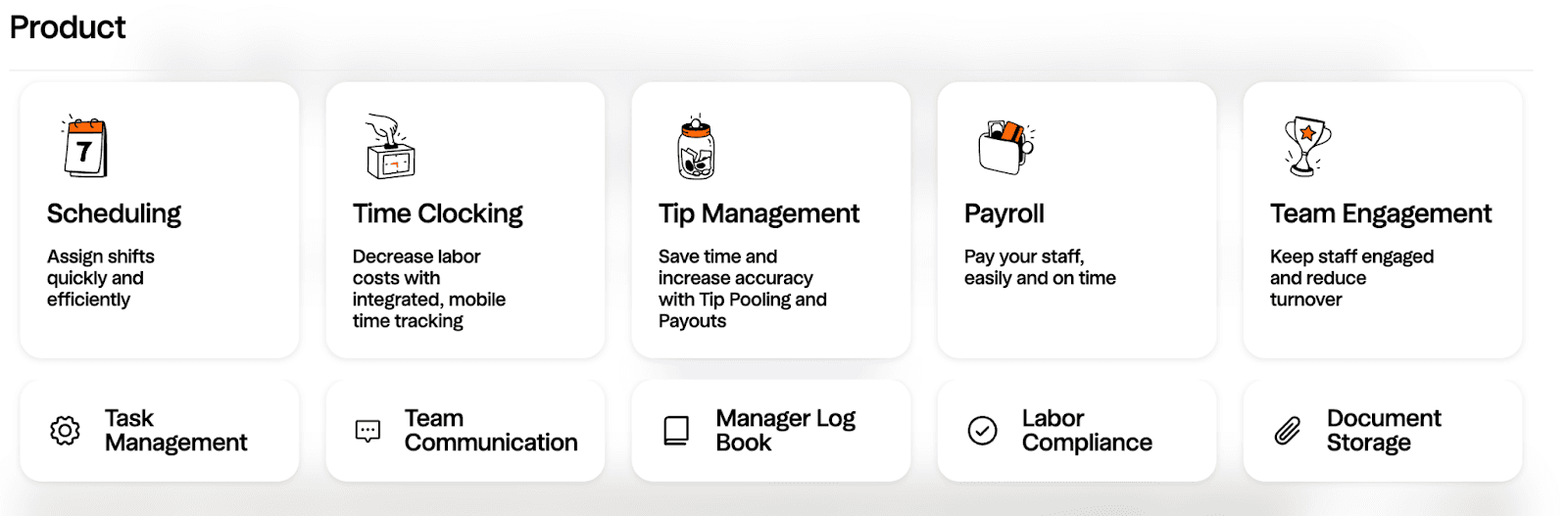
Some major clients of 7shifts include Bareburger, Modern Market, and Sauce Pizza & Wine.
Key features: Employee scheduling, time & attendance, tip management, labor cost tracking, team communication
What makes them stand out: Built exclusively for restaurants. Every feature is designed around the realities of shift-based, high-turnover hospitality teams.
Pricing: Free plan available for single locations. Paid plans start at $29.99/month per location, scaling up for enterprise operators.
It's a great fit for: Restaurant operators who want to reduce labor costs and simplify scheduling to keep their front and back of house teams aligned.
Website: 7shifts
4. Restaurant365
Category: End-to-end restaurant management software
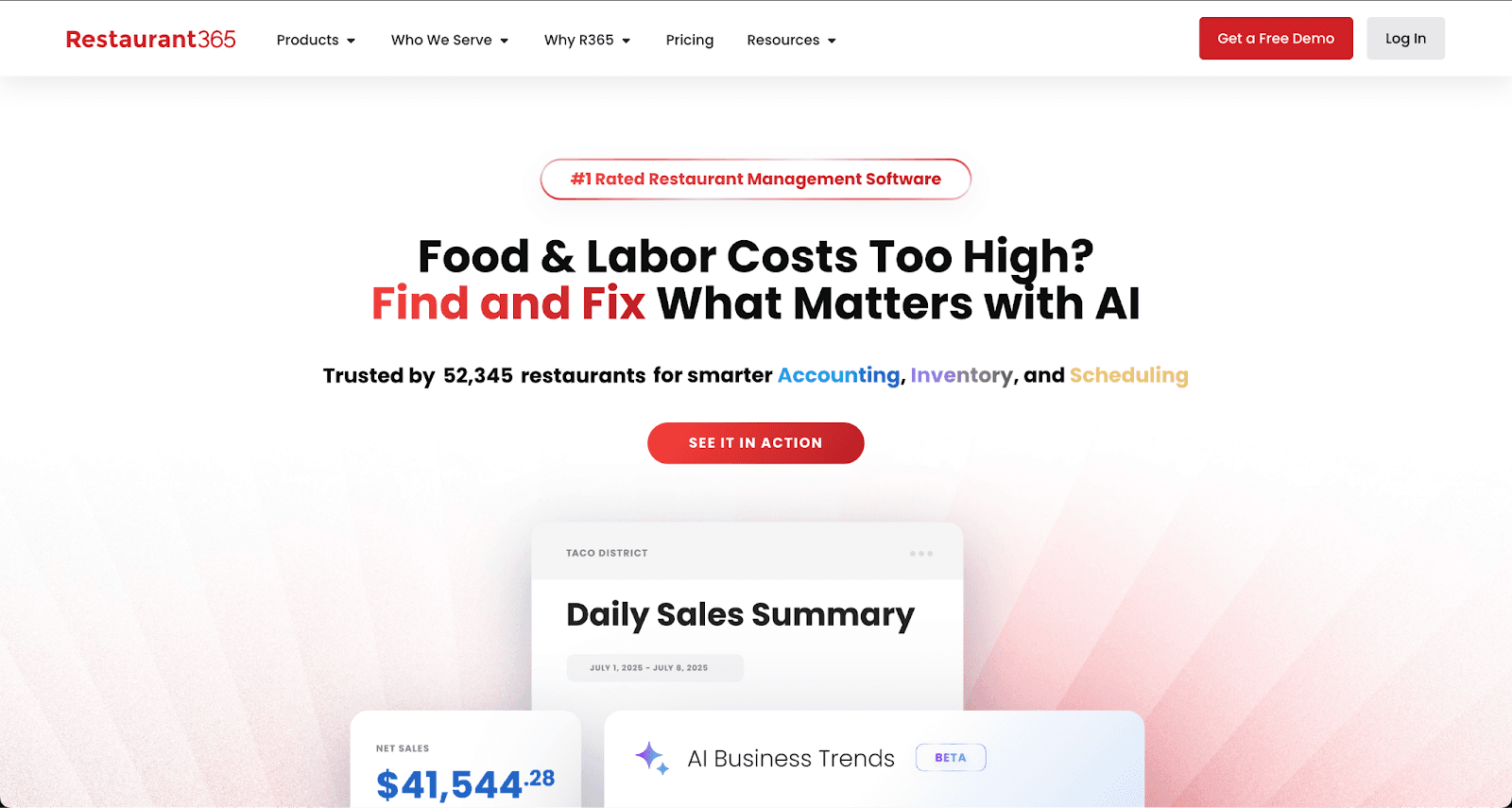
Restaurant365 is an all-in-one restaurant management platform built specifically for multi-unit operators.
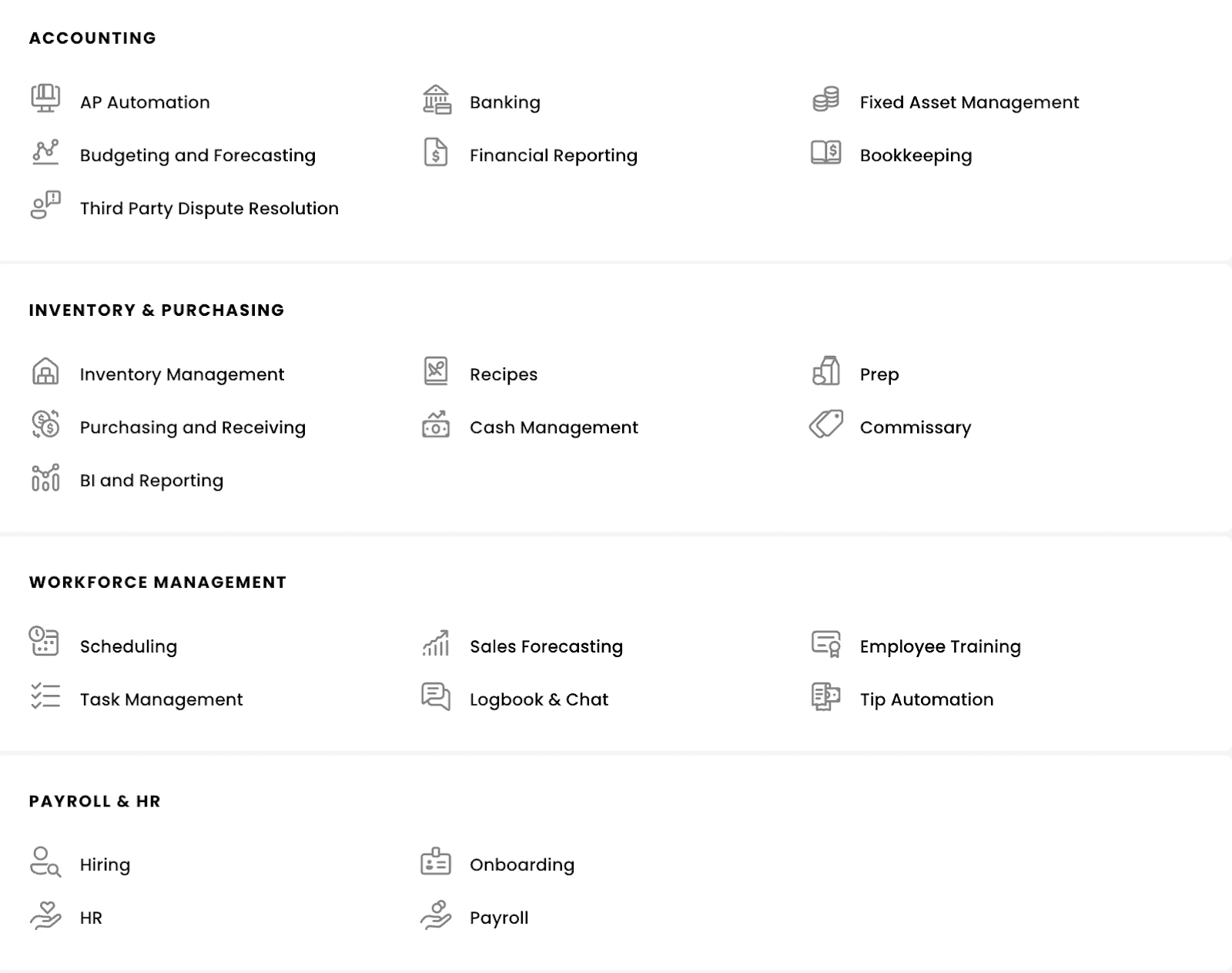
With Restaurant365, you get accounting, inventory, scheduling, and payroll combined into a single system. It is the most comprehensive restaurant management solution on the market.
Some major clients of Restaurant365 include Portillo's, Walk-On's Sports Bistreaux, and Newk's Eatery.
Key features: Accounting, inventory management, workforce scheduling, reporting & analytics
What makes them stand out: The only platform that natively combines restaurant accounting with operations. No integrations, no data gaps.
Pricing: Custom pricing based on number of locations. Typically starts around $400–$500/month for smaller operators, scaling up for enterprise deployments.
It's a great fit for: Multi-location restaurant groups that want to consolidate their back-office operations into one system and reduce administrative overhead.
Website: Restaurant365
5. MarketMan
Category: Restaurant inventory & food cost management software
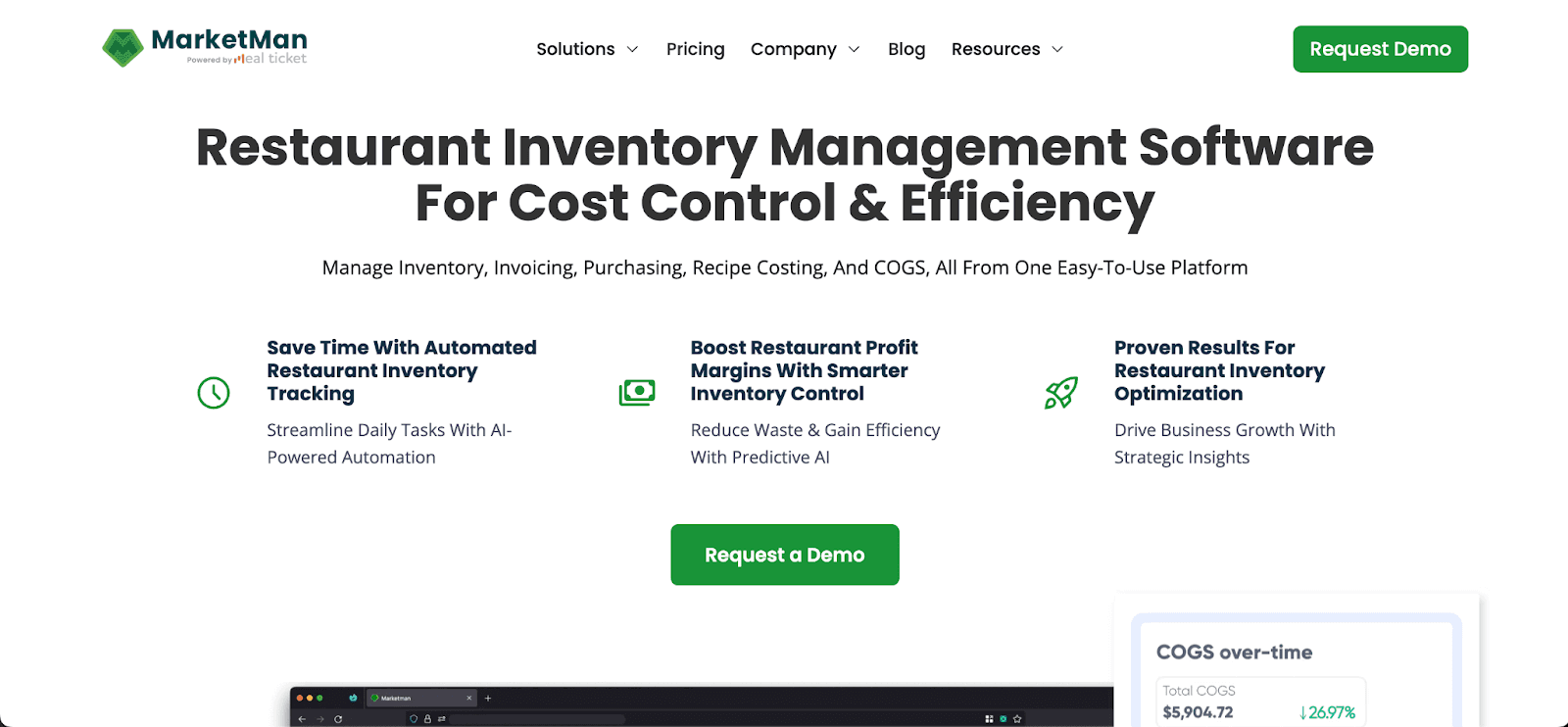
MarketMan is an inventory and food cost management platform purpose-built for restaurant operators.
With MarketMan, you get real-time inventory tracking, automated purchase orders, recipe management, and vendor invoice management, all in one place:
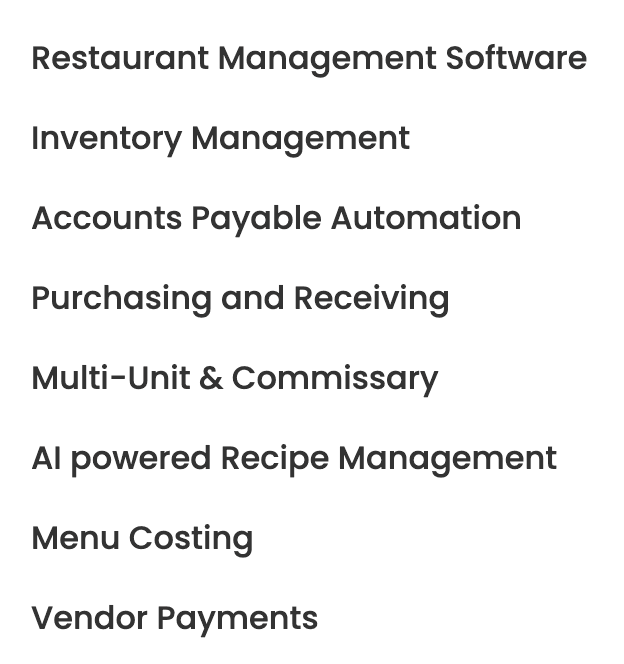
Some major clients of MarketMan include Bareburger, Dickey's Barbecue Pit, and Thunderbird Food & Drink.
Key features: Inventory management, recipe & menu costing, purchase order automation, supplier management, waste tracking
What makes them stand out: Laser-focused on food cost control. MarketMan gives operators exact visibility into where every dollar of food spend is going.
Pricing: Plans start at approximately $239/month per location, with custom enterprise pricing for larger groups.
It's a great fit for: Restaurant groups looking to tighten food cost margins and reduce waste.
Website: MarketMan
6. Jolt
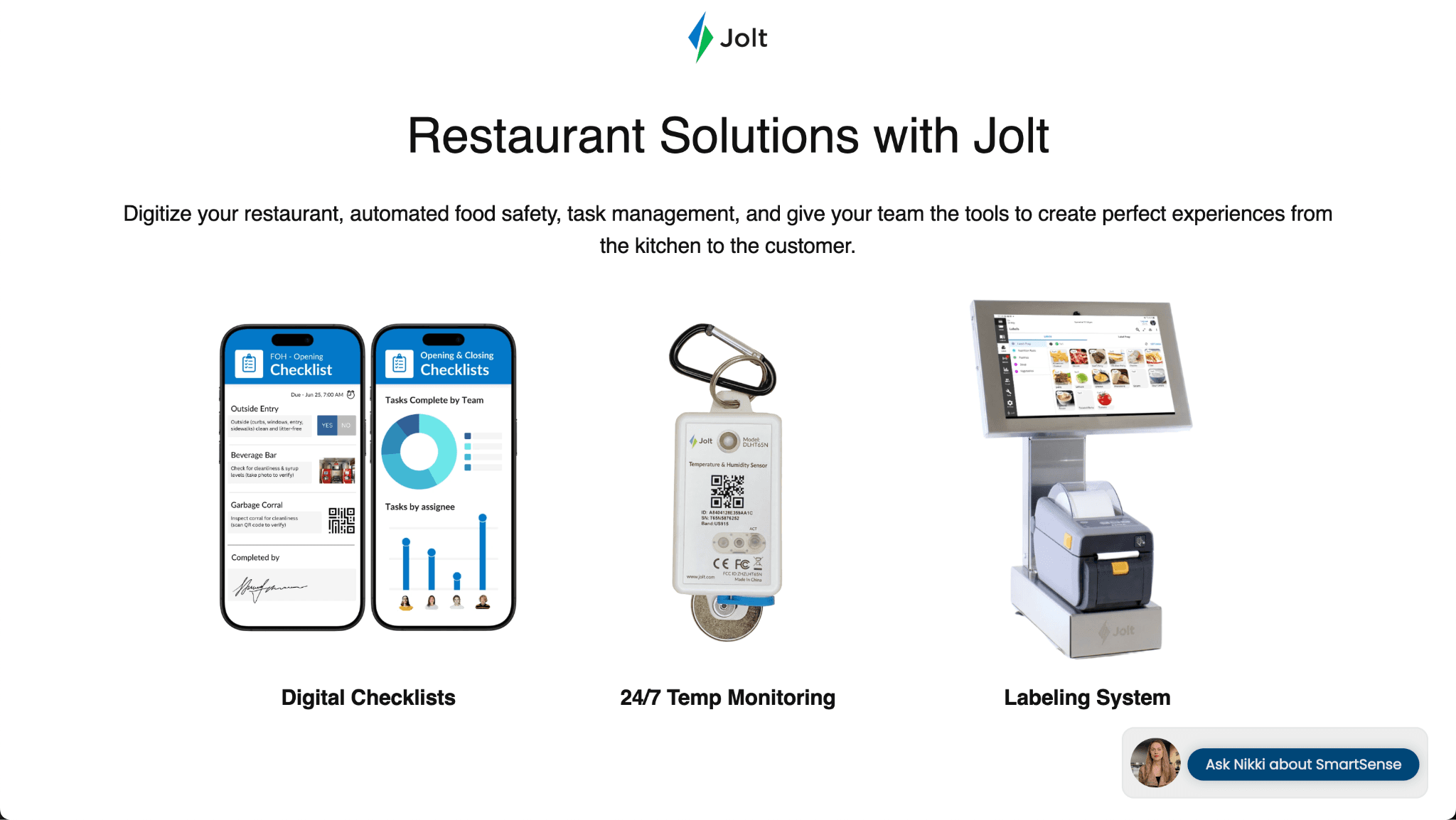
Jolt is an operations execution platform built for restaurants and multi-location businesses that need to replace paper processes with digital accountability across every shift.
Used by over 300,000 deskless workers globally, Jolt has completed more than 700 million tasks on its platform. It holds a 4.7/5 rating on Capterra and earns particularly strong marks for ease of use and compliance tools.
Notable restaurant clients include McDonald's, Smoothie King, Jimmy John's, and Buffalo Wild Wings.
Key features: Digital checklists & task management, food safety logs & temperature monitoring, date code labeling, employee scheduling, time & attendance, training library, information hub, performance tracking, and team communication
What makes them stand out: Jolt was founded by a franchise owner who built the tool to solve his own operational problems, and that origin shows in how the platform is designed. It is one of the most intuitive options on this list, with staff and managers typically adopting it with minimal training.
Pricing: Starts at approximately $90/month. A free demo is available.
It's a great fit for: Restaurant franchise groups that want an easy-to-deploy, shift-level operations tool with strong food safety compliance and frontline accountability built in.
Website: Jolt
7. HotSchedules
Category: Enterprise Labor Forecasting & Workforce Analytics
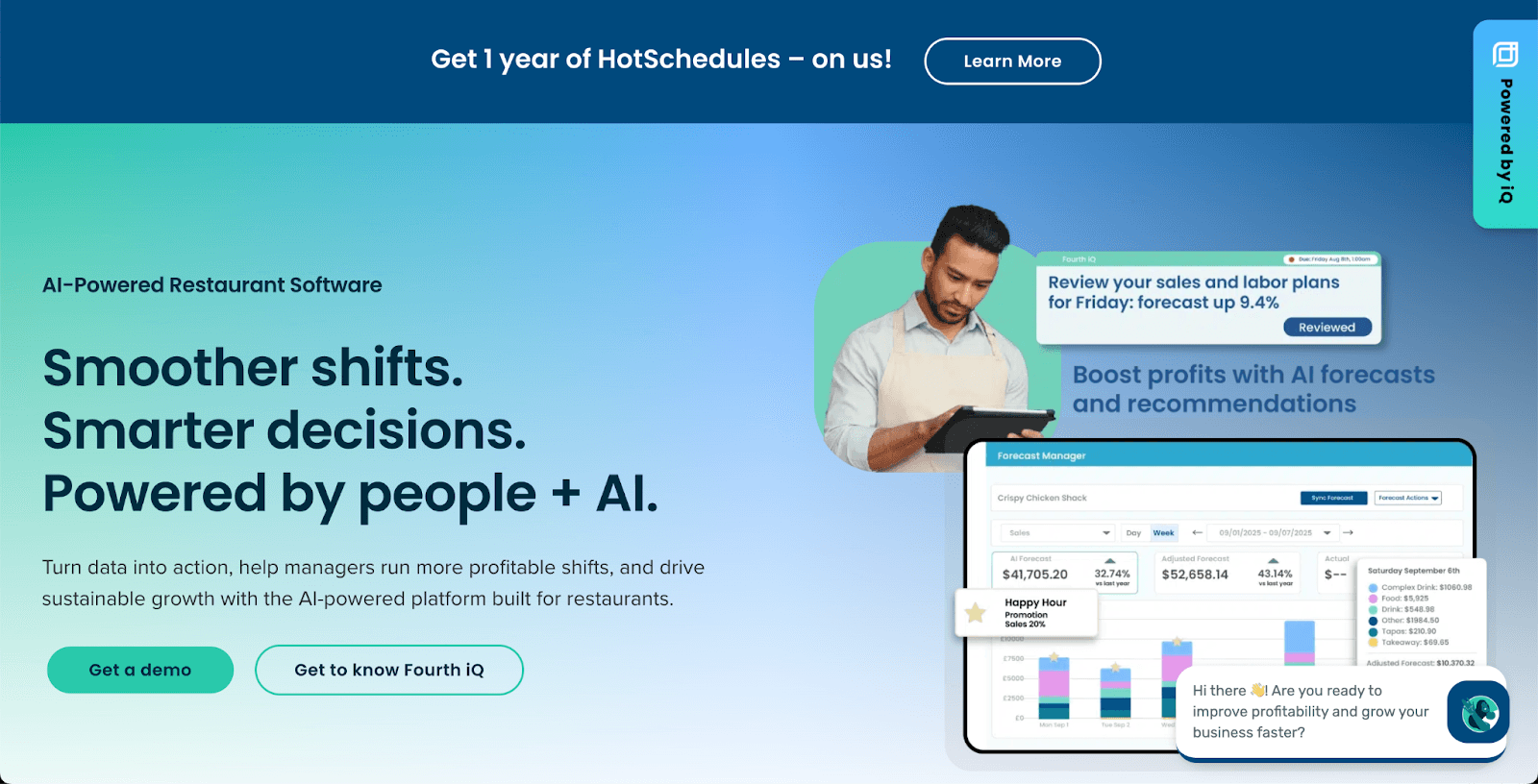
HotSchedules, part of the Fourth restaurant operations suite, is designed for multi-unit and enterprise restaurant groups that require AI-driven labor forecasting and advanced workforce performance tracking.
Key features:
AI-powered demand-based labor forecasting
Automated schedule optimization based on traffic patterns
Time & attendance tracking with compliance controls
Labor budget tracking and variance reporting
Employee engagement tools and shift marketplace
Multi-location workforce performance analytics
Pricing: Custom pricing based on number of locations and selected modules. Typically positioned for mid-sized to large restaurant groups and enterprise operators.
Website: HotSchedules
8. Slang
Category: Voice AI Phone Answering & Guest Communication
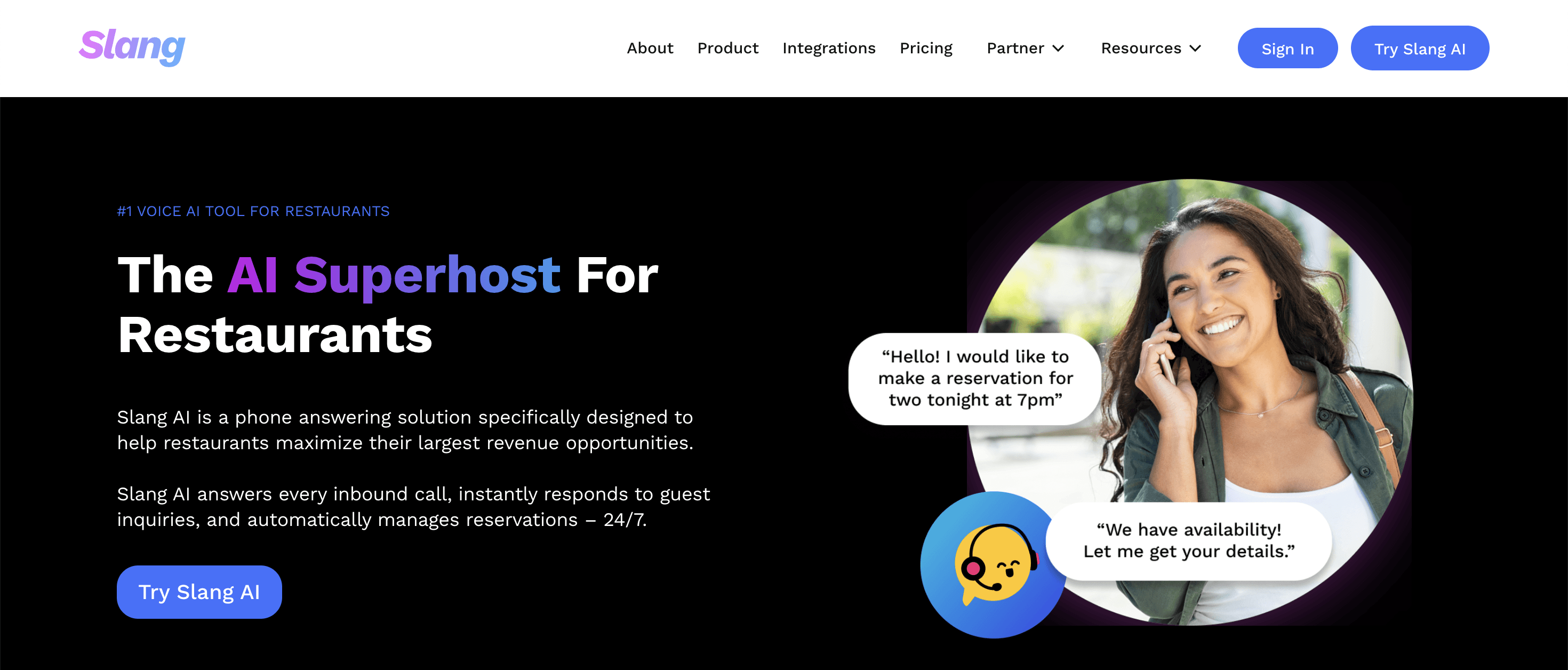
Slang.ai is a digital phone assistant built for restaurants that want to answer every inbound call without pulling staff off the floor. It handles common guest questions, routes reservation requests, and captures messages 24/7.
Key features:
Conversational voice AI that answers calls in a natural, on-brand voice
Automated responses to frequent questions like hours, location, and reservations
Call routing and live handoff to staff when a request needs a person
After-hours and peak-time coverage so every call gets picked up
Custom voice, greetings, and response flows to match your brand
Call analytics that show volume, common questions, and missed-call recovery
Pricing: Tiered subscription plans, typically starting at a flat monthly rate per location, with higher tiers for greater call volume and advanced customization. Best positioned for independents and small multi-unit restaurants.
Website: Slang.ai
9. ApicBase
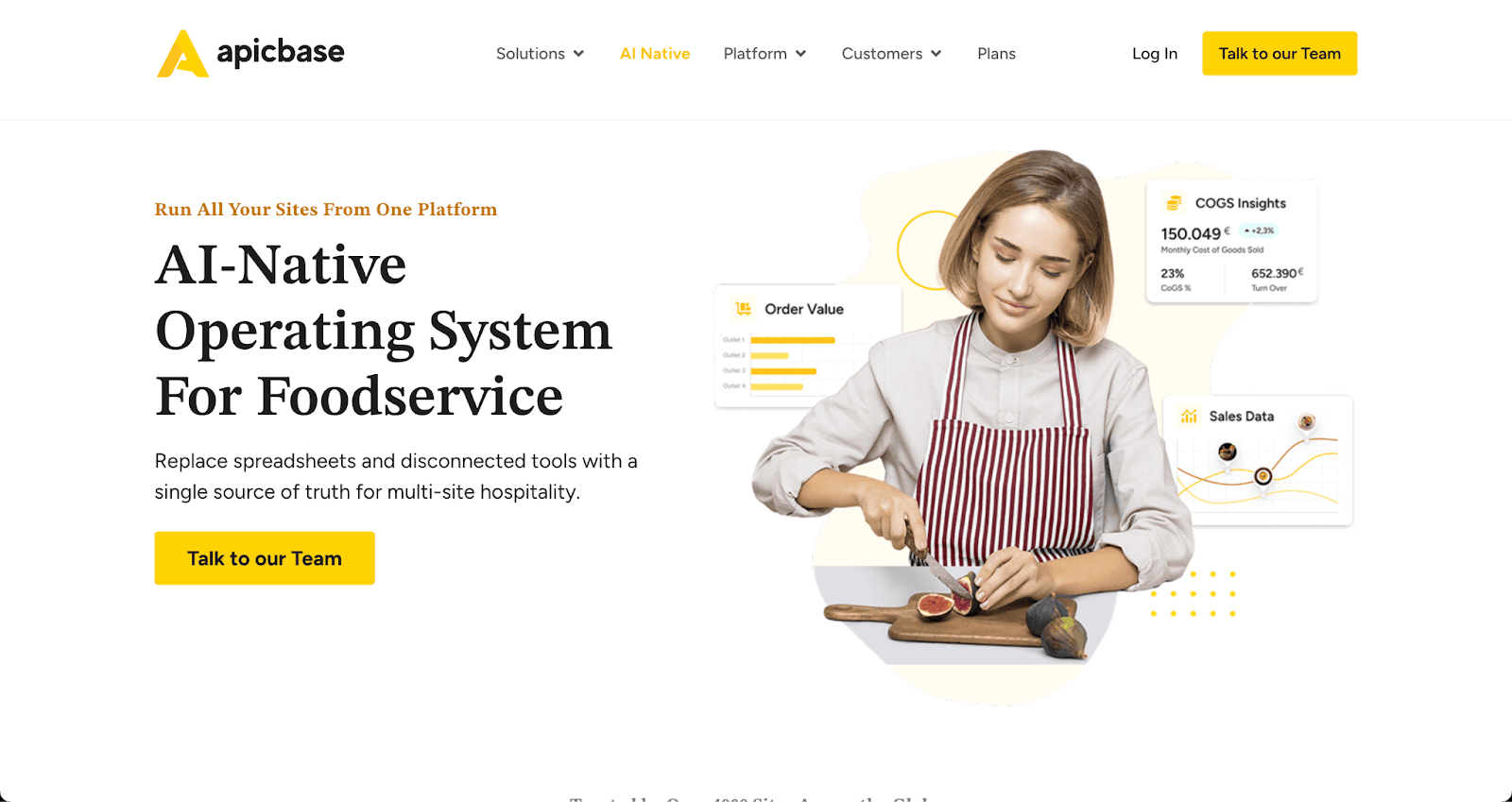
Category: Inventory and Food Cost analytics
Apicbase is designed for professional kitchens and multi-unit operators who need tight control over recipes, inventory, and supplier management from a centralized system.
Key features:
Advanced recipe and ingredient costing
Inventory tracking with real-time stock visibility
Supplier management and purchasing automation
Portion control and waste tracking
Multi-location reporting and cost standardization
Pricing: Custom pricing depending on number of locations and modules selected; typically positioned for growing and enterprise restaurant groups.
Website: Apicbase
10. MarginEdge
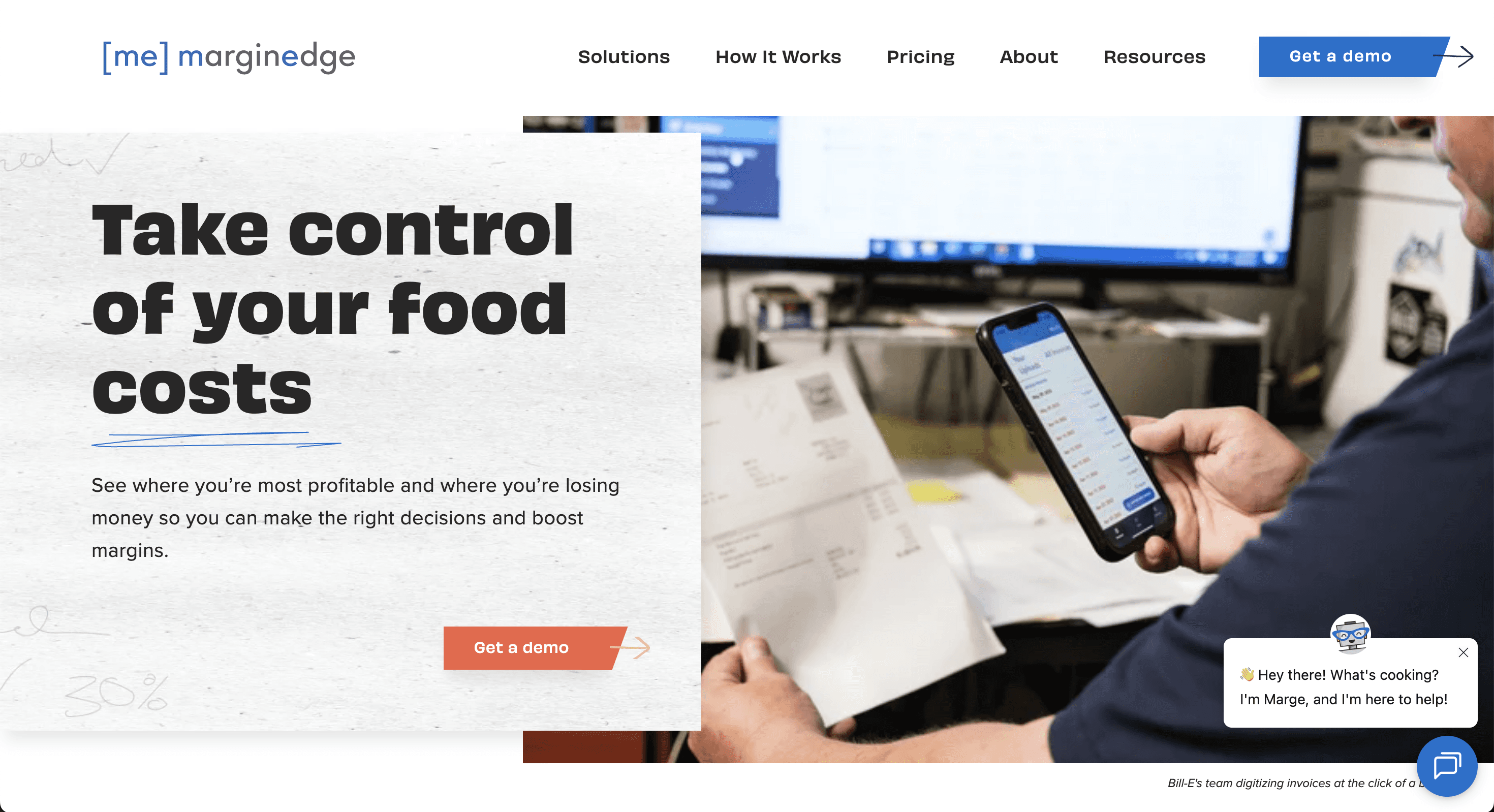
Category: Real-Time Food Cost & Back-Office Automation
MarginEdge connects your POS and invoices to show food and labor costs in real time, built for independent restaurants and small-to-mid groups that want to cut manual back-office work. It automates invoice entry, bill pay, and cost tracking so operators can act on margins in the moment rather than at month-end.
Key features:
Automated invoice processing from photos, email, or EDI
Real-time food and labor cost tracking from POS + invoice data
Vendor ordering, order guides, and unlimited bill pay
Recipe management and menu costing on tablets
Customizable price-change alerts by item
Budget tracking and 60+ POS integrations
Pricing: Flat rate around $330 per location per month, everything included with unlimited invoices and bill pay. No per-invoice or hidden fees. Positioned for independents and growing restaurant groups.
Website: MarginEdge
11. SynergySuite
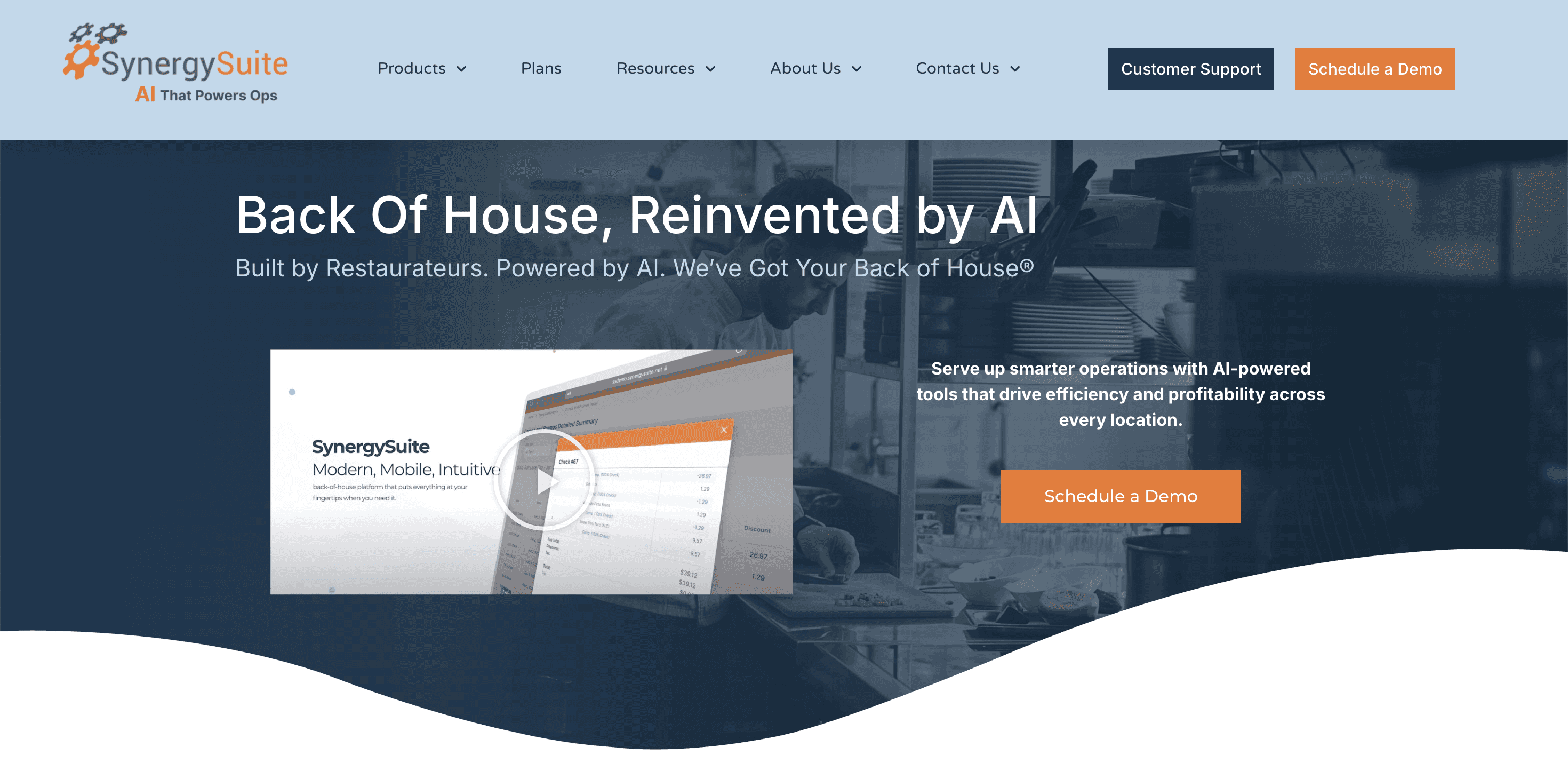
Category: Enterprise Back-of-House Management Suite
SynergySuite is a modular, cloud-based back-office platform for multi-unit and enterprise restaurant chains. It unifies inventory, purchasing, scheduling, food safety, HR, cash management, and business intelligence in one system, so brands can standardize operations and control costs across every location.
Key features:
Inventory management with live tracking and automated ordering
Purchasing, supplier management, and recipe costing
Food safety compliance and checklist tracking
Labor scheduling and time & attendance
Cash management, void, and refund controls
Multi-location business intelligence and profit reporting
Pricing: Custom, priced per location per month based on the modules selected, with discounts by location count and a one-time implementation fee. Positioned for mid-sized to large chains and hospitality groups.
Website: SynergySuite
12. Lineup.ai
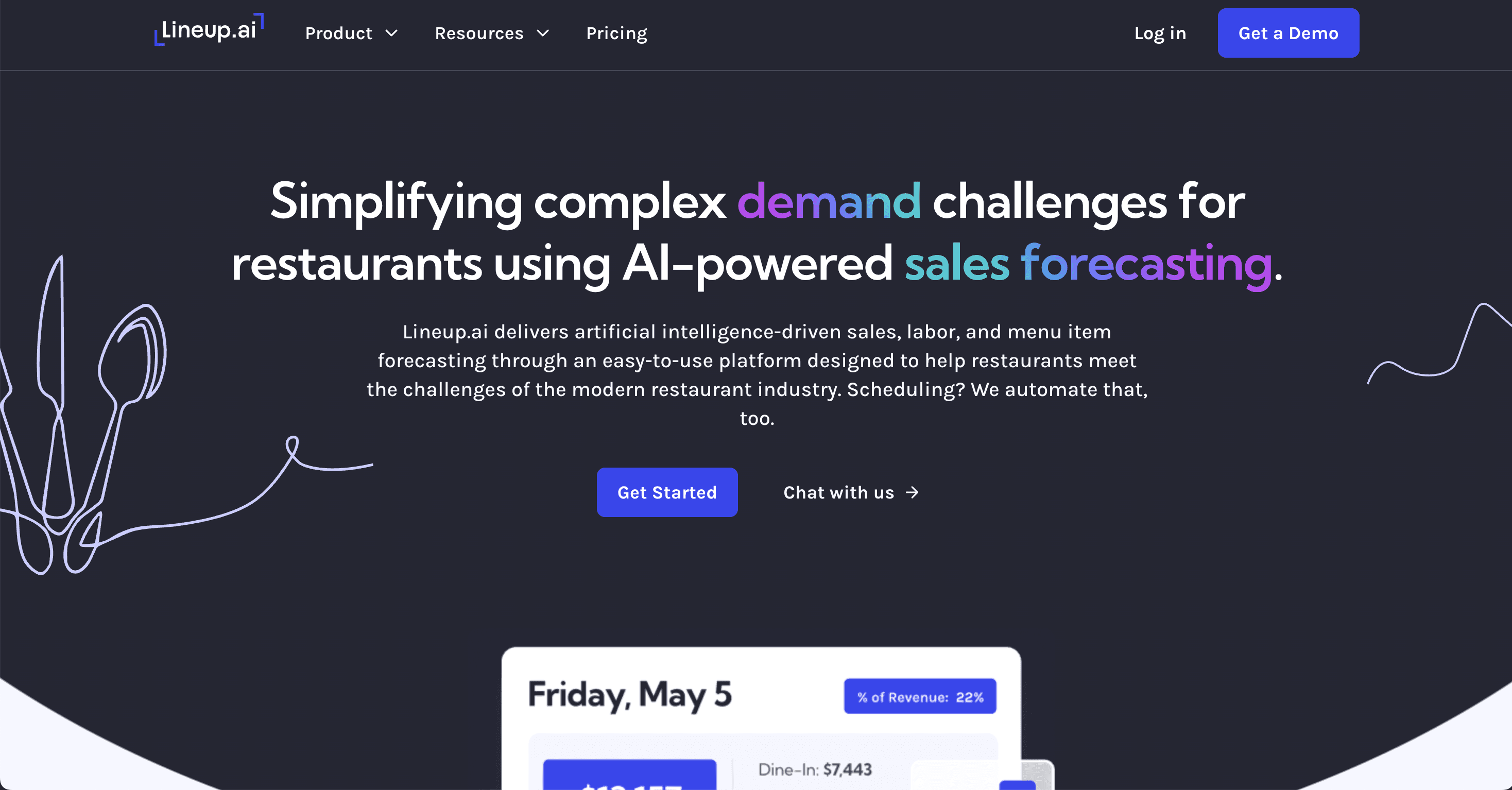
Category: AI Demand Forecasting & Auto-Scheduling
Lineup.ai is an AI forecasting and scheduling platform that predicts sales, labor, and menu-item demand down to the hour. Built for multi-location restaurants and chains, it turns POS history plus external signals like weather and local events into staffing and prep decisions that reduce waste and control labor cost.
Key features:
AI hourly, daily, and weekly sales forecasting
Labor forecasting with per-shift, per-location targets
Automated schedule generation with templates and approvals
Menu-item and inventory forecasting for prep and ordering
Shift swapping, availability, and PTO via mobile app
Multi-location variance and labor-target analytics
Pricing: Custom pricing by locations and modules. Positioned for demand-forecasting-first operators and growing multi-location chains.
Website: Lineup.ai
13. SafetyCulture
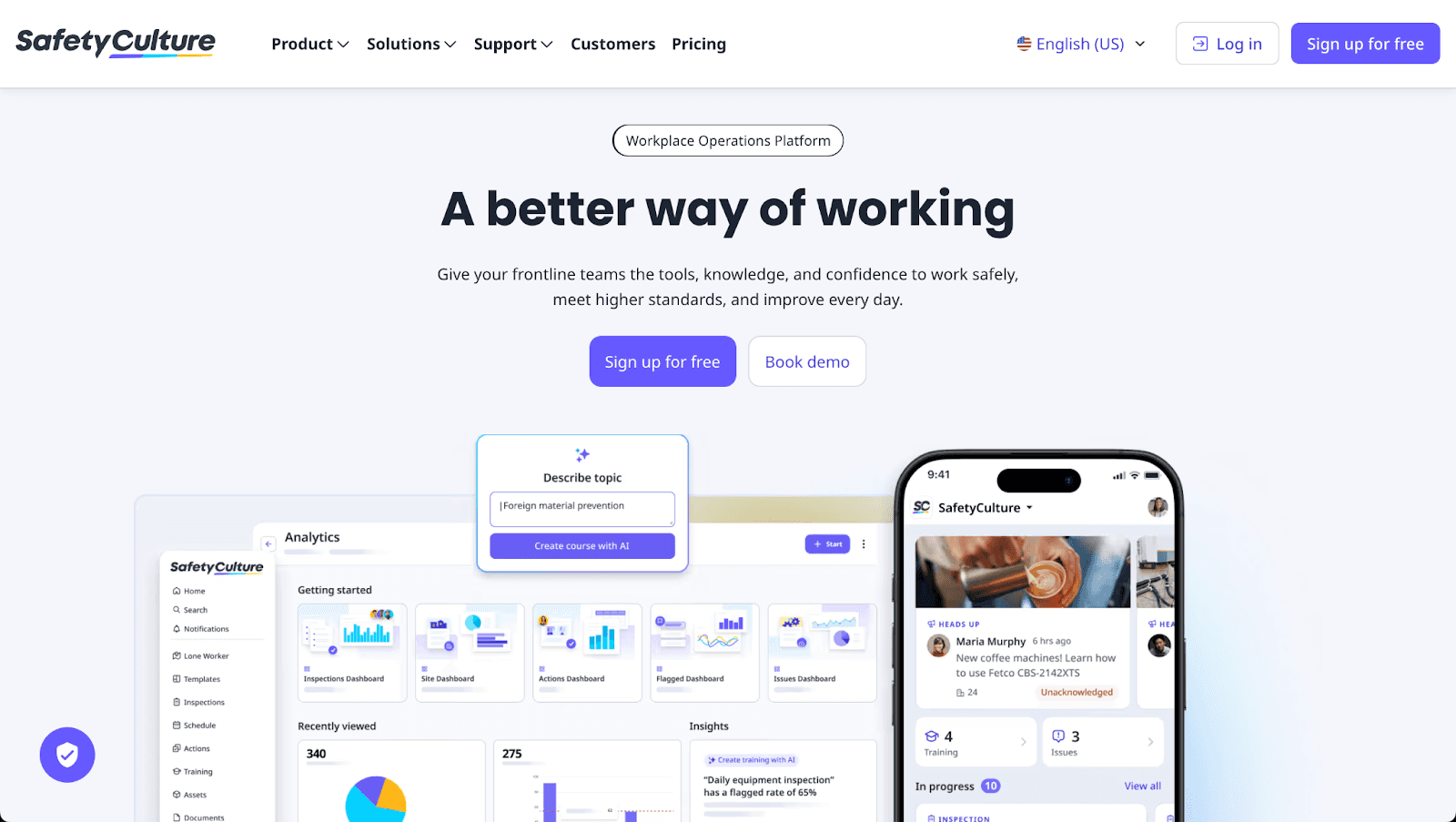
SafetyCulture is an inspection, compliance, and operational analytics platform that helps restaurants standardize processes, monitor safety and quality, and gain insights from audits, checklists, and corrective actions.
Key features:
Digital checklists and inspections (health, safety, hygiene, equipment)
Issue tracking and corrective action assignment
Real-time analytics on audit results and compliance trends
Customizable templates for operational procedures
Team communication and task reminders
Reporting dashboards highlighting risk and performance areas
Pricing: Subscription-based pricing that scales with the number of users and locations. Typically starts in the low hundreds per month for small teams, with enterprise plans available for larger multi-unit operators.
Website: SafetyCulture
14. TouchBistro
Category: POS-Based Sales & Performance Reporting
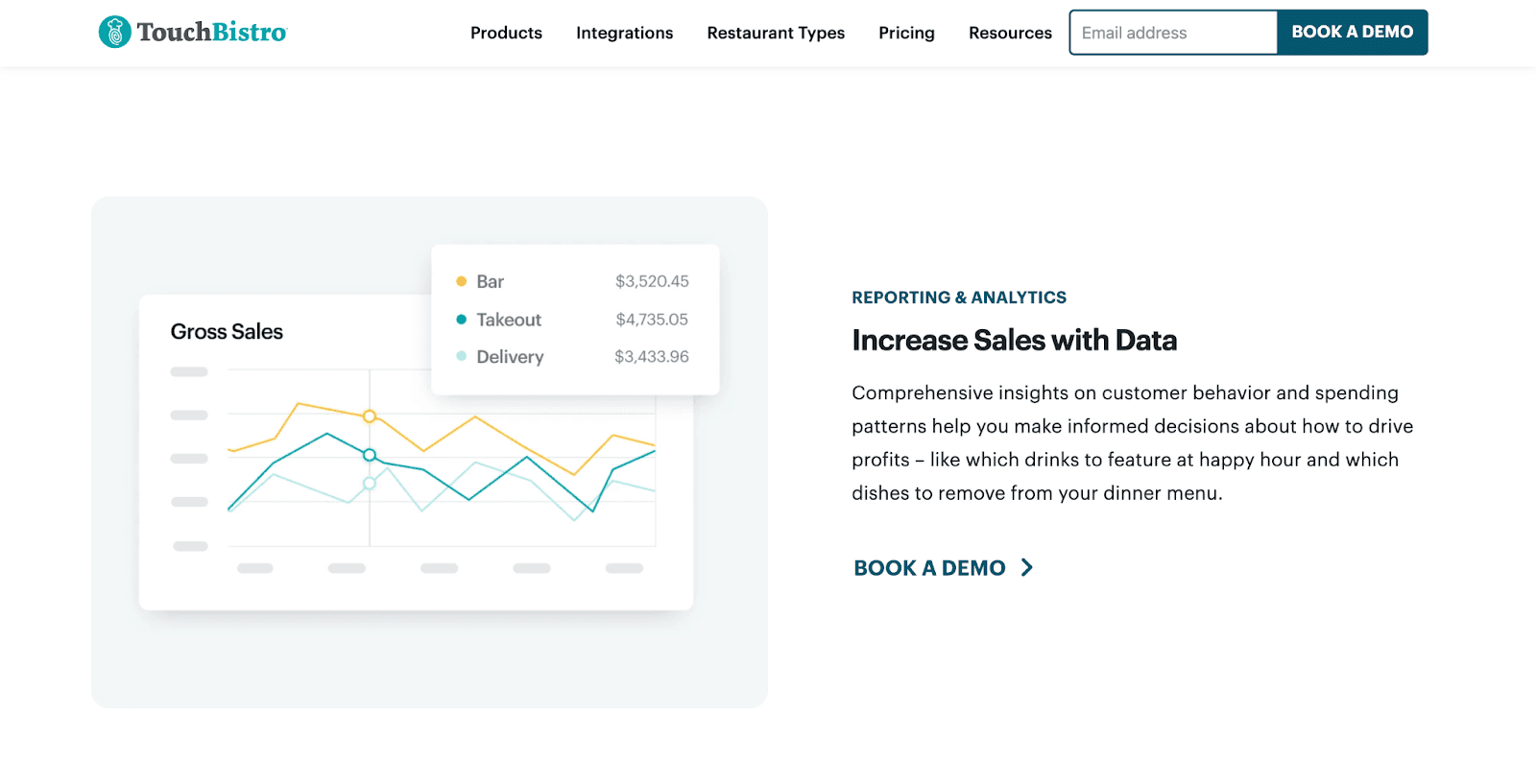
TouchBistro Reporting & Analytics provides built-in sales and operational reporting designed for independent restaurants and small-to-mid-sized operators who want clear visibility into revenue performance without needing a separate BI tool.
Key features:
Real-time sales reporting by time period, menu item, and staff
Sales summaries and shift-level performance insights
Menu mix and item popularity analysis
Server performance tracking
Discount, void, and refund reporting
Cloud-based dashboard access for remote monitoring
Pricing: Included within TouchBistro POS plans. POS software typically starts in the low hundreds per month per location, with reporting features built into the platform.
Website: TouchBistro
15. Lightspeed
Category: Restaurant cloud POS & multi-location management software
Where legacy systems force operators to manage disconnected tools, Lightspeed brings it all into one cloud-based platform that just works, whether you're running a single bistro or a growing national chain.
It is one of the most established cloud POS companies in the market, publicly traded, and trusted by over 150,000 businesses worldwide. Although it’s positioned more as a POS system for retail, Lightspeed also has a solid reputation among full-service restaurants.
Here’s the full suite of features that Lightspeed offers:
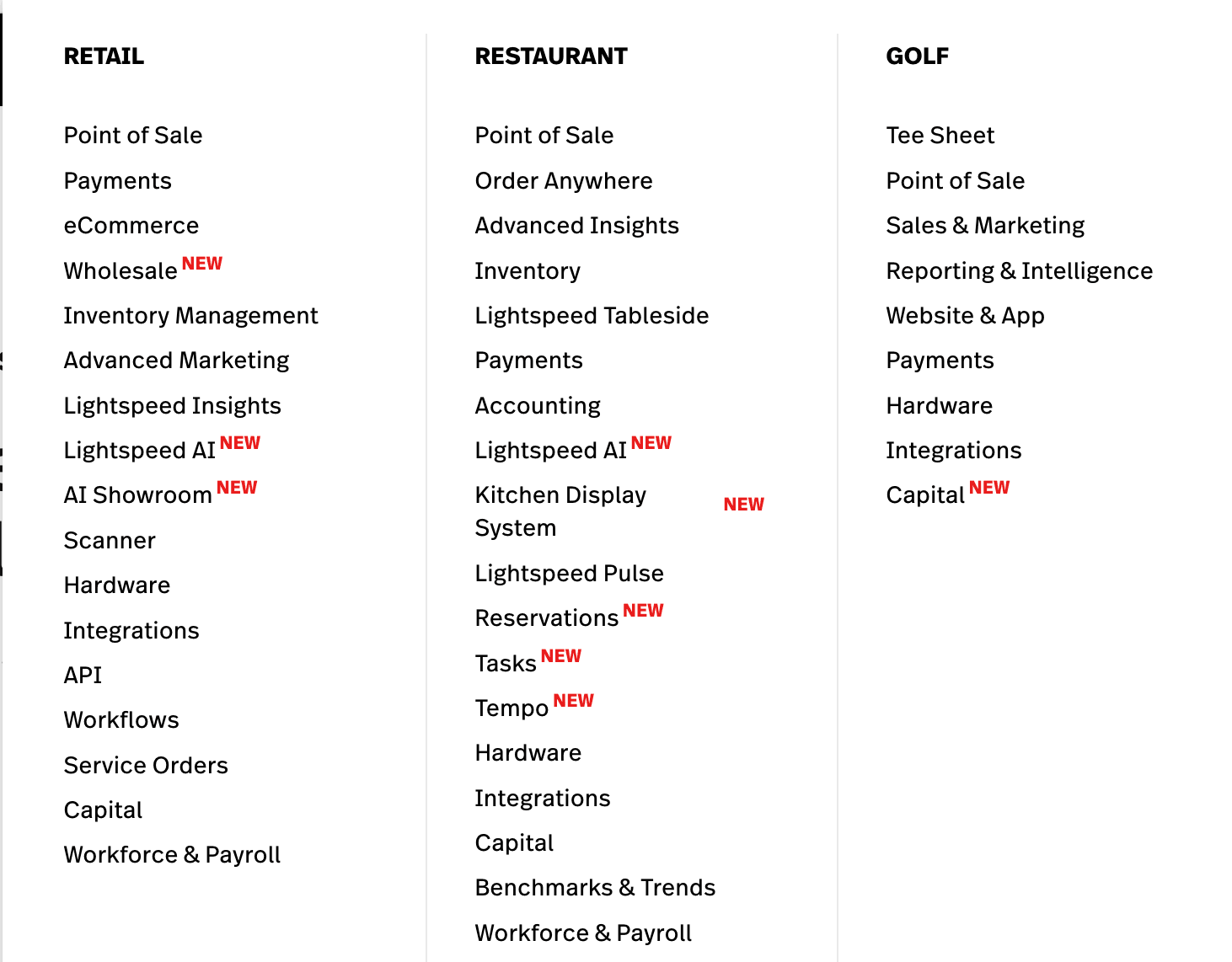
Key features: Cloud-based POS, table & floor management, menu engineering, inventory tracking, multi-location reporting, online ordering, customer loyalty, and integrations with major delivery and accounting platforms
What makes them stand out: Lightspeed works for an independent restaurant on day one and still holds up as you grow to 20, 50, or 100 locations. The reporting depth and inventory management capabilities are genuinely stronger than most competitors at a similar price point.
Pricing: Starts at approximately $189/month per location for restaurant plans. Advanced features and additional modules are priced separately.
It's a great fit for: Full-service restaurants and multi-location operators who have outgrown their current POS and need a cloud-based system.
Website: Lightspeed
16. Tenzo
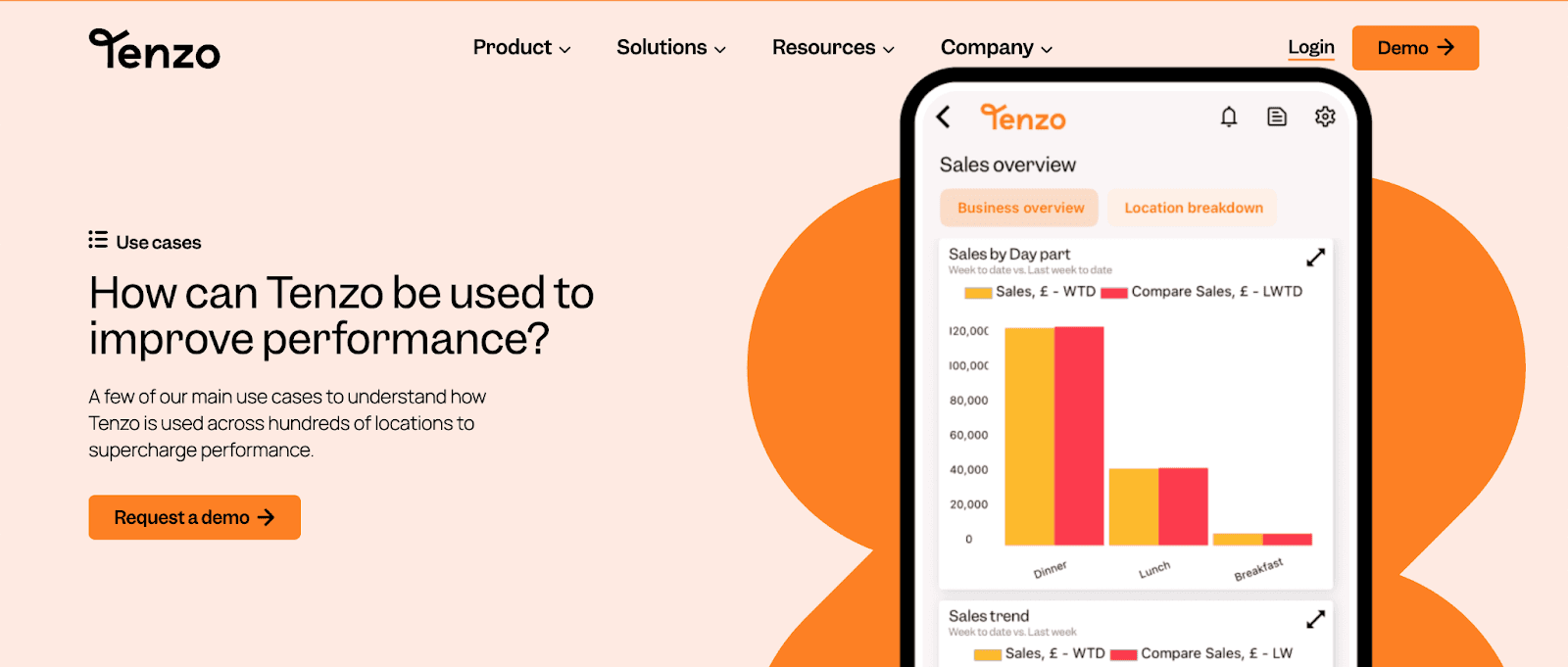
Category: POS sales, labor, inventory, reservation analytics
Tenzo centralizes all your operational data (POS sales, labor, inventory, reservations) into one intelligent dashboard, giving restaurant operators a single source of truth for performance metrics and decision-making.
Key features:
Real-time revenue dashboards and historical trend views
AI-driven sales forecasting based on weather, events, and seasonality
Benchmarking across locations to identify top and underperforming stores
Automated daily and weekly performance reports delivered to your inbox or phone
Wide integration ecosystem (70+ systems) connecting seamlessly with POS, labor, and inventory tools
Pricing: Custom pricing based on number of locations and integrations; typically positioned for multi-unit operators. Entry-level plans generally start in the low hundreds per location per month.
Website: Tenzo
Read More: How To Increase Restaurant Sales?
 AI agents automate all guest interactions, 24/7, across all locations of your restaurant.


" transform="translate(3.219 19.212)" width="152.45224485148515px"/><path d="M 0 11.619 C 7.071 11.39 33.491 21.738 40.35 21.268 C 38.499 18.19 37.116 14.915 35.507 11.625 C 33.7 7.867 32.587 3.926 31.702 0" fill="transparent" height="21.28391189647101px" id="I9fuJaf7q" stroke-dasharray="" stroke-linecap="round" stroke-linejoin="round" stroke-width="4.97" stroke="rgb(0, 0, 0)" transform="translate(139.727 55.754)" width="40.34950693069311px"/></svg>)