How To Increase Restaurant Sales? 17 Practical Strategies
Written By: Vincent Nguyen
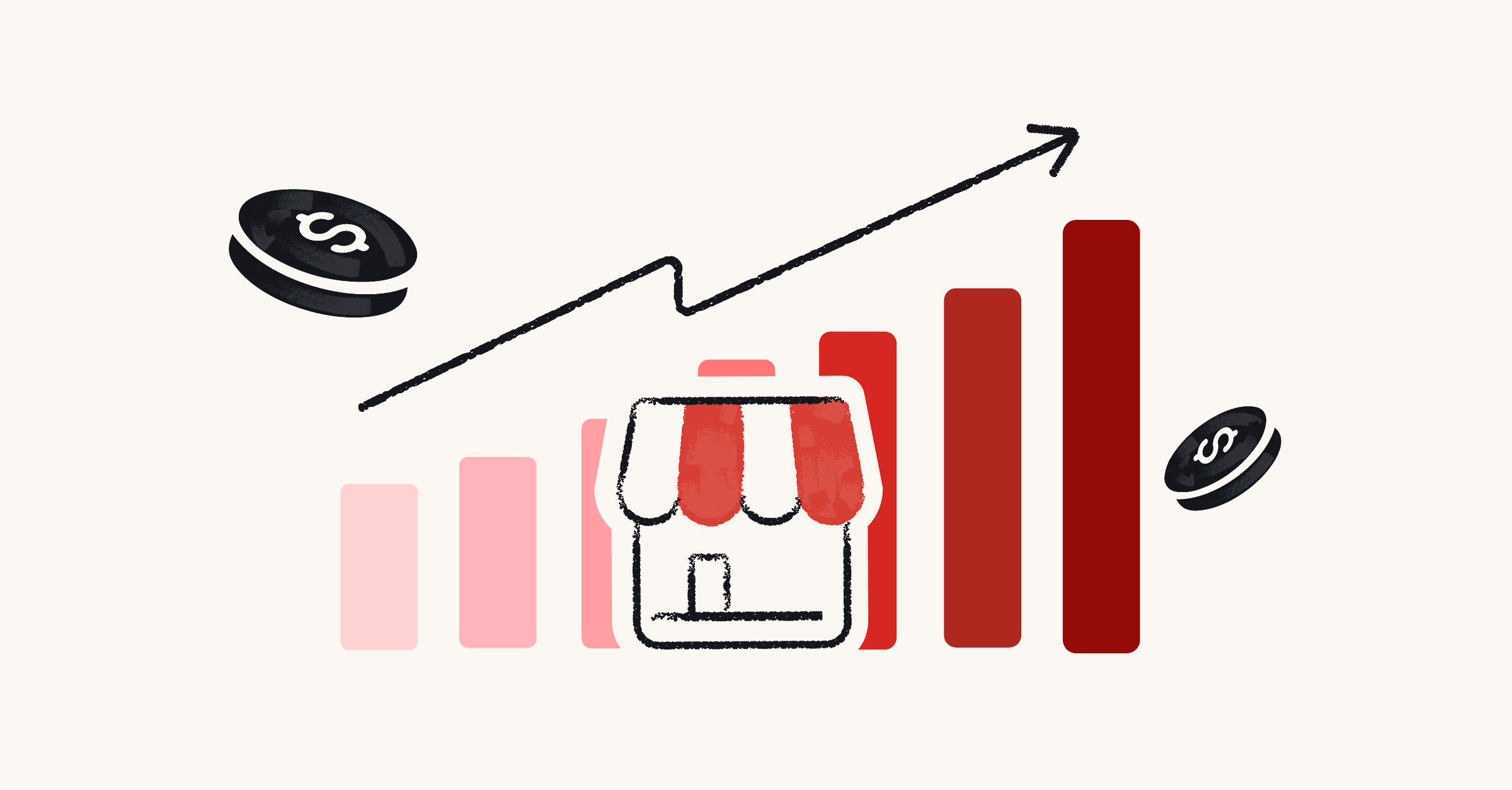
We all know that the restaurant industry has razor-thin margins.
The average restaurant operates on somewhere between 3–9% net profit, which means that for every dollar that comes in, only a few cents actually stay.
To really boost sales, restaurant owners need to look at their operations from a higher level perspective.
In this article, we'll share:
A restaurant revenue engine framework to build sales improvement strategies
17 strategies to improve restaurant sales and revenue
Recommended AI and software to improve guest experience and manage operations
Let's dive right in!
The Restaurant Revenue Formula
Before we get to any of those strategies, I believe it's worth stepping back and thinking about what "increasing sales" actually means at a structural level.
At its core, restaurant revenue optimization is really simple: selling more and losing less.
↑ More value per order
↑ More repeat visits
↓ Less customer churn
↓ Less ordering friction
Every strategy, every tactic, every operational decision you make ultimately moves one of these two levers. You either get more people to buy from you, or you save on the current operational cost.
All of these 17 strategies I'll share in this article fall into either one of those two.
1. Optimize your Google Business Profile
Google Business Profile (GBP) is basically a free tool that lets you manage how your business appears in Google Search and Google Maps to reach new customers.
When they search for something like “Mexican restaurants near me”, if your GBP is well-optimized, you should show up at the top.
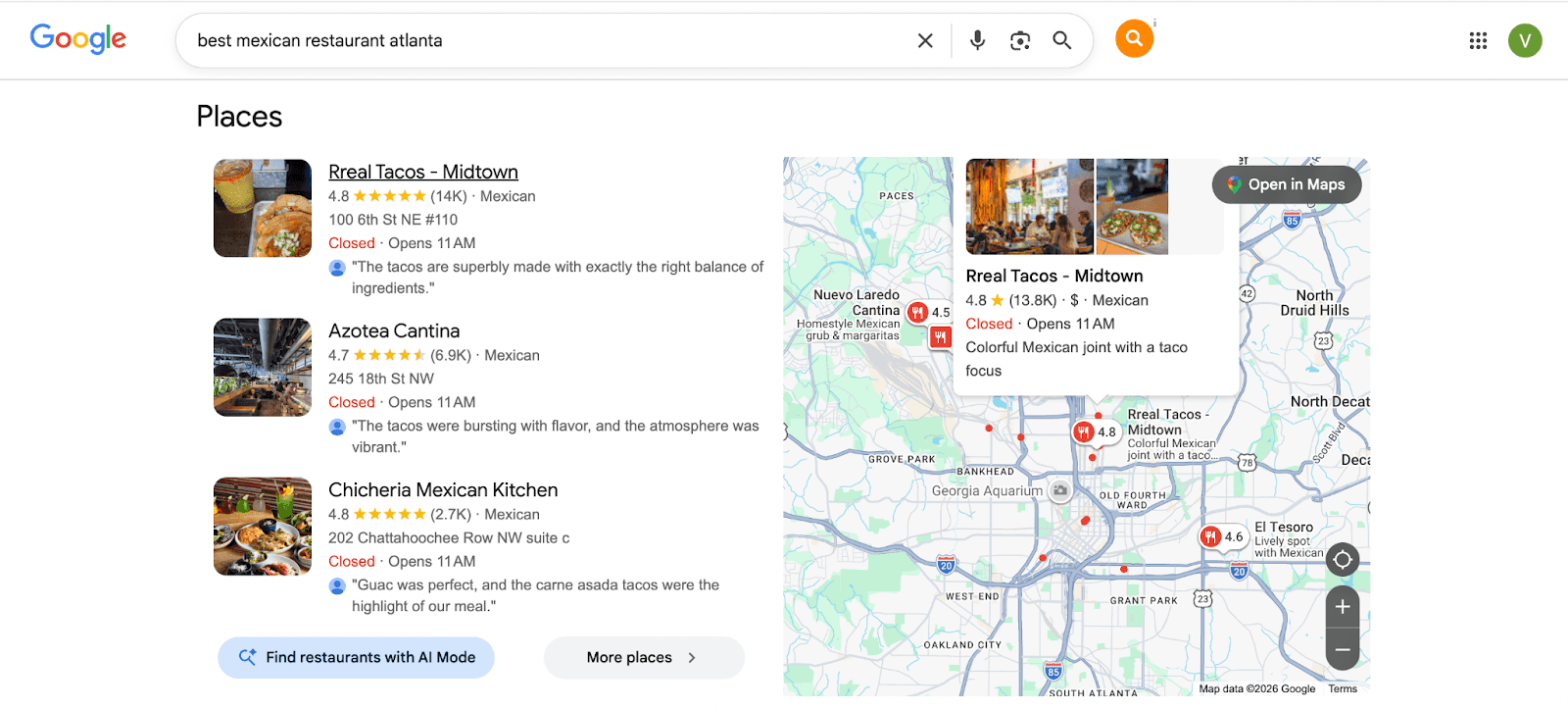
The higher you rank on this Map Pack, the more clicks you get, which means more guests coming to visit your restaurant. And guess what? Up to 90% of consumers research restaurants online before choosing where to eat. If you’re not optimizing your GBP, you’re missing new customers.
So, how to optimize your Google Business Profile? Here are some tips from Google itself:
Represent your business as it's consistently represented and recognized in the real world across signage, stationery, and other branding.
Make sure your address and/or service area is accurate and precise.
Choose the fewest number of categories it takes to describe your overall core business.
There should only be one profile per business, as this can cause problems with how your information displays on Google Maps and Search.
Here's the rule of thumb: make sure all information about your business is consistent and accurate across all locations.
2. Improve local SEO and "near me" search visibility
Doing local SEO is all about matching the content on your website with what people are actually searching.
For example, these are the keywords that Le Petit Chef is ranking for in Atlanta:
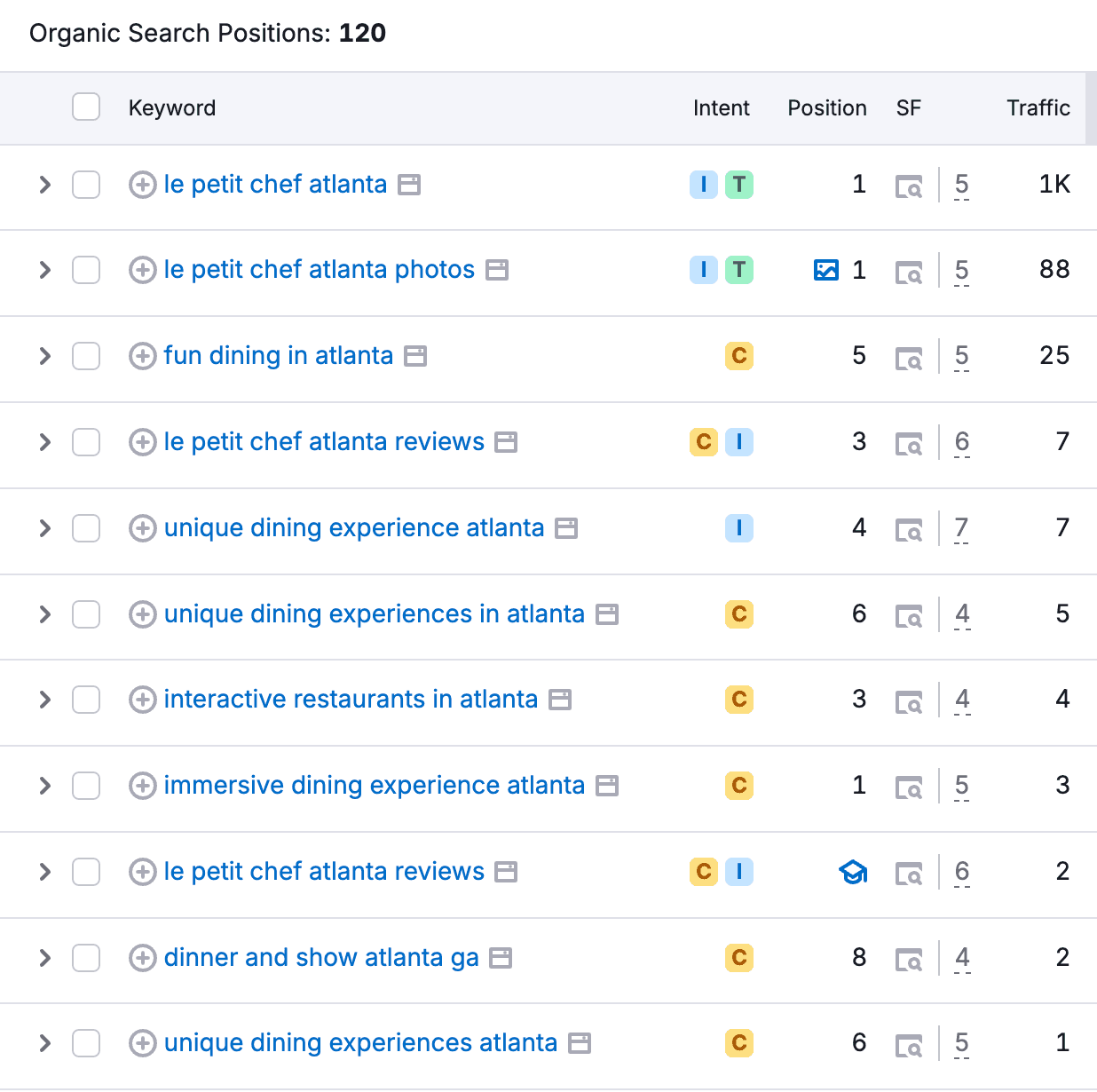
You can easily see that people are searching for phrases like:
Fun dining in Atlanta
Unique dining experience in Atlanta
Interactive restaurants in Atlanta
Simply by structuring their content around those keywords, Le Petit Chef managed to become the #1 restaurant in the region for that niche.
Here’s how you can do the same:
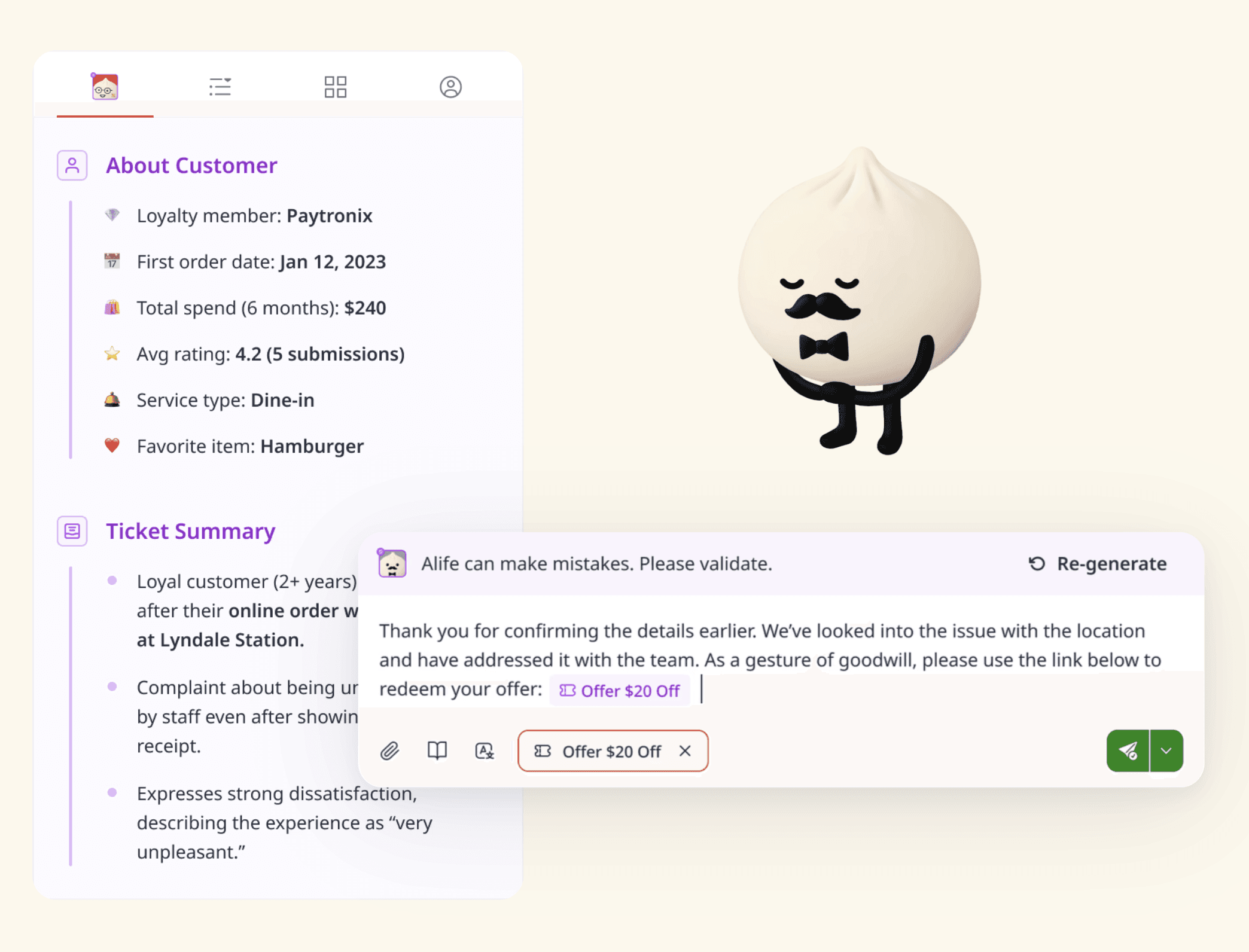

Manage all your reviews on auto-pilot
What if you have too many positive reviews to answer? Momos AI Review Manager can come in to help — handling high volumes of reviews and building your reputation on auto-pilot.
See how it works3. Set up a direct online ordering system
Third-party delivery apps like Uber Eats, DoorDash, or GrabFood are convenient, but they take a 15–30% commission on every order. That's a massive cut out of your margins, especially when you're already operating on thin restaurant profits.
A direct online ordering system lets customers order straight from your website, and you keep 100% of the revenue.
Tools like Square, Toast, or Owner.com let you embed an ordering system directly on your site. Customers place their order, pay online, and you get notified. That means no middleman and no commission.
You own the customer relationship. Third-party apps keep the customer data, just that you never see it. With direct ordering, you collect emails, phone numbers, and order history you can use for marketing.
You control the experience. Custom upsells, loyalty rewards, and branded packaging all reinforce why your restaurant is worth coming back to.
Your average order value goes up. Direct ordering platforms let you prompt customers with add-ons ("Want to add guacamole for $2?") at checkout, which is something most third-party apps don't do as effectively.
Some good direct online ordering systems are Square, Olo, and StoreOrdering.
4. Expand onto third-party delivery platforms
Of course, you still shouldn’t miss out on third-party delivery platforms, since they drive the majority of online orders.
But you need to actually rank within the platform. Here's how to make third-party platforms work in your favor:
Optimize your profile like you would Google. Use a high-quality cover photo, write a clear description with keywords people actually search for ("late night tacos in Austin", "healthy lunch bowls downtown Chicago"), and make sure your hours are always accurate.
Start with promotions to build momentum. Most platforms push new or promoted listings to the top. Offer a limited-time discount when you first launch to collect reviews and climb the ranking.
Reviews matter here too. The more positive ratings you have, the higher the algorithm places you.
4. Actively manage your online reputation and reviews
93% of consumers say online reviews influence their dining decisions. That means your Google rating is one of the most direct drivers of new customers walking through your door.
Most restaurants treat reviews passively. They check in occasionally, respond when they remember, and hope for the best. The restaurants winning on reputation treat it like an active, ongoing operation.
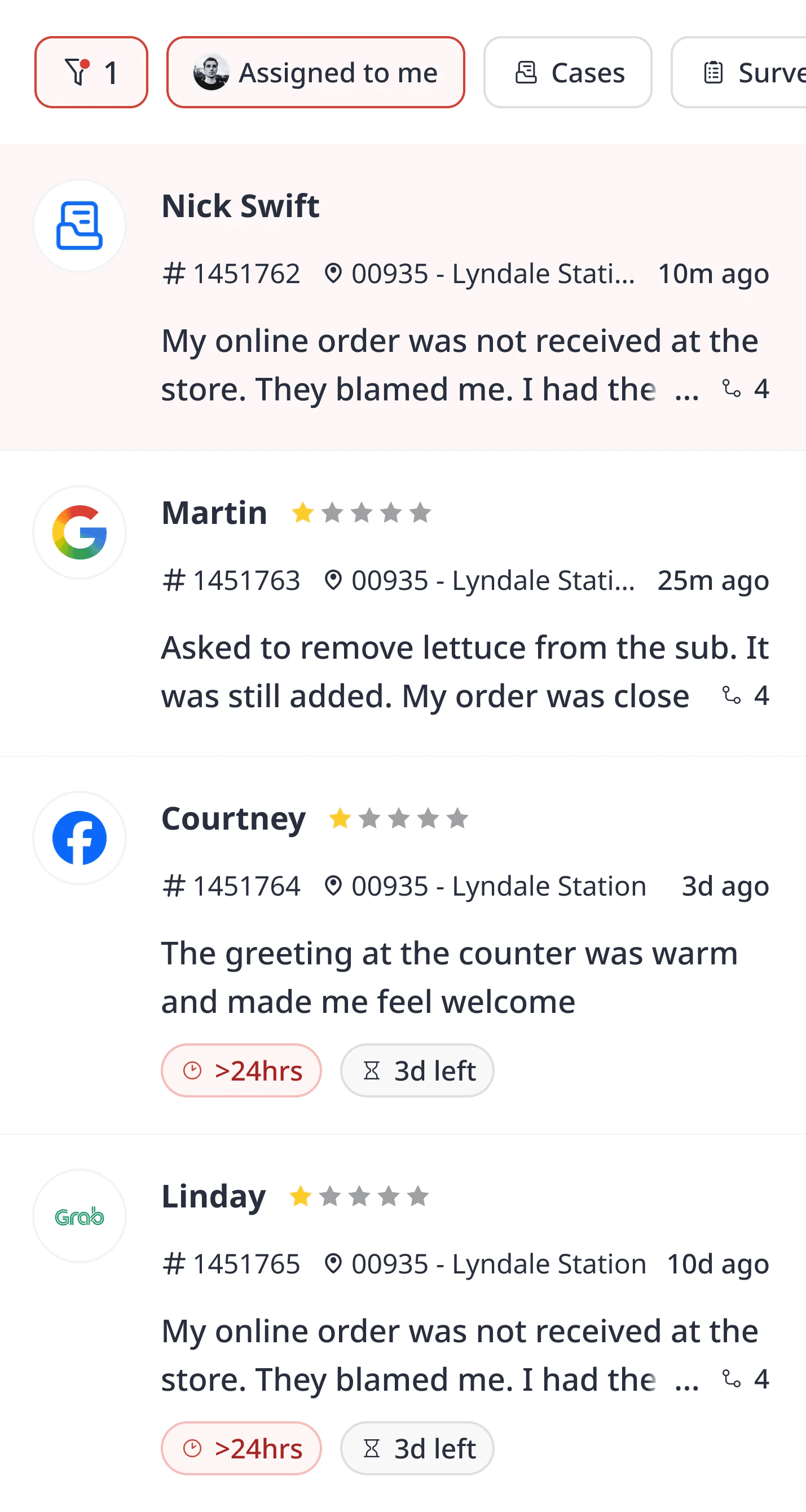
The problem with reputation and review management is that when you're on multiple platforms, review requests can quickly become impossible to manage manually. That's when Momos AI Review Manager can come in to help.
As you can see here, this restaurant chain receive thousands of reviews coming in every month.
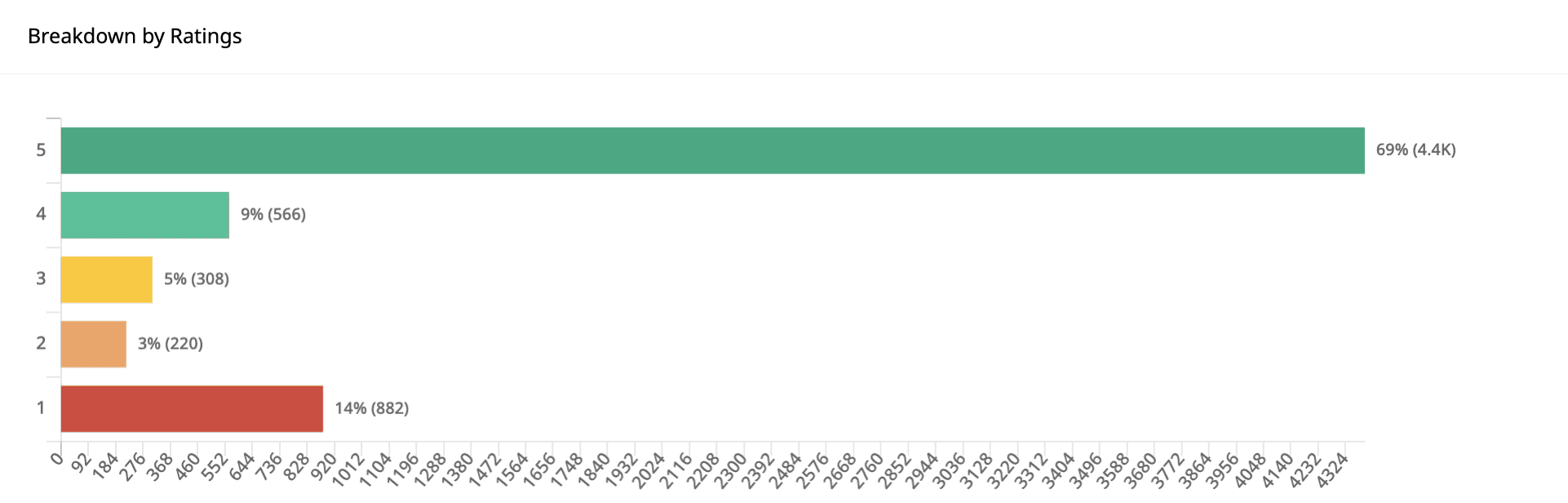
Whenever a new review comes in, Momos AI agent immediately crafts an empathetic, on-brand response for every single review. It does this consistently, on auto-pilot, across all of your locations, 24/7, at a fraction of the cost!
5. Leverage social media and influencer partnerships
A social media page with a “personality” can leave a lasting impression in people’s minds. And the good news is that you don't even need a massive budget to make this work.
The highest-performing restaurant content on social media is actually the authentic, behind-the-scenes moments.
A video of your chef pulling fresh pasta, a time-lapse of your team setting up for dinner service, a close-up of your signature dish coming off the grill. That kind of content builds appetite and trust at the same time.
Chipotle figured this out early. Their TikTok account leans almost entirely on humor, employee culture, and food prep videos, and it's earned them over 2 million followers.
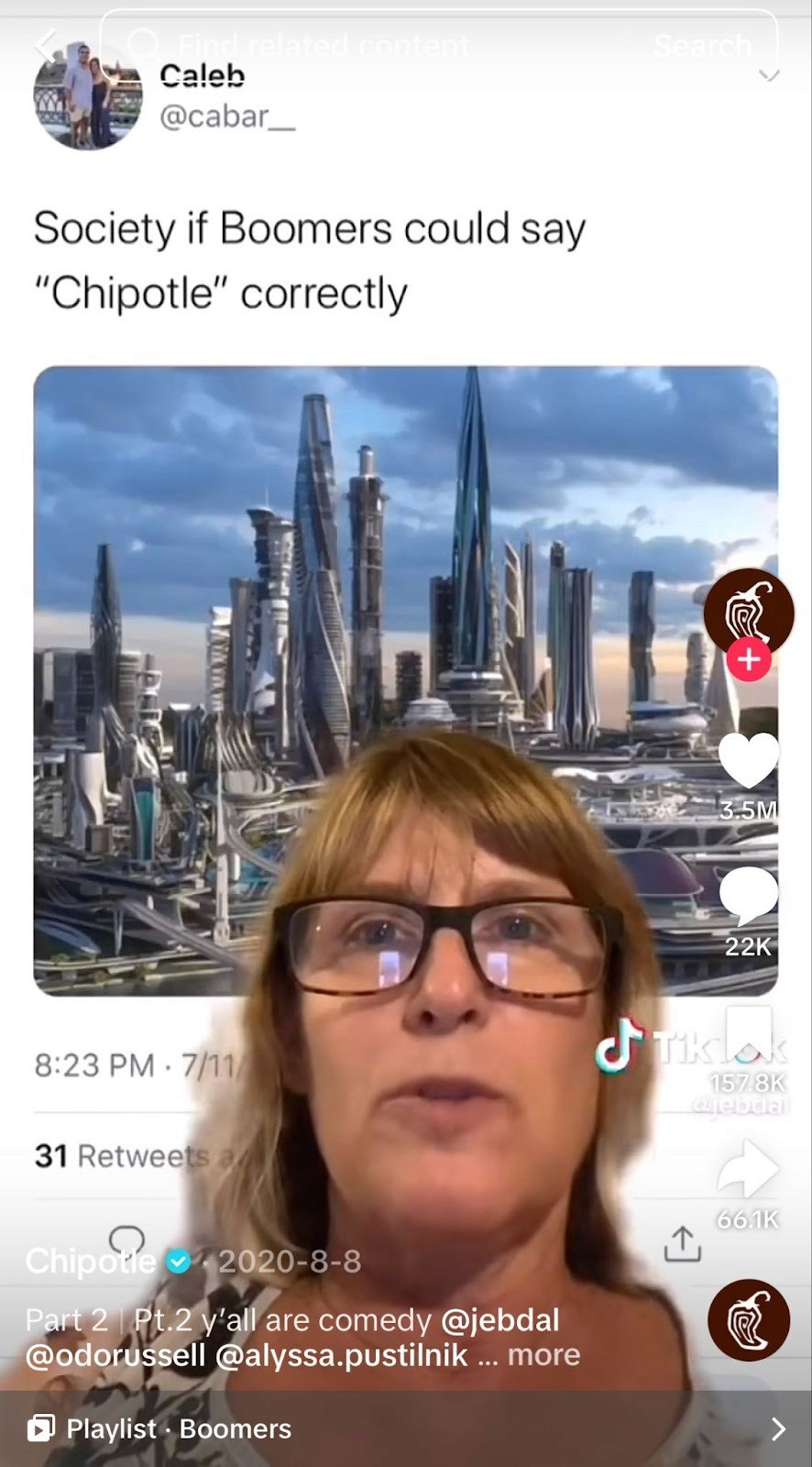
You can also partner with influencers. We advise you to not chase those with millions of followers. Micro-influencers with 10,000 to 100,000 followers actually drive higher engagement and more genuine recommendations (because their fanbase consists of only the real followers). And most of them are happy to work with restaurants in exchange for a complimentary meal.
Here's how to approach it:
Search for local food creators. Look up hashtags like #[yourcity]eats or #[yourcity]foodie on Instagram and TikTok. The people consistently posting quality food content in your area are your targets.
Make the ask simple. Reach out with a direct, low-pressure message, like inviting them in for a complimentary tasting, no strings attached.
Track what drives results. Give influencers a unique promo code or link so you can measure exactly how many orders or reservations came from their post.
6. Launch a catering and group ordering program
A single catering order can replace 10 to 20 individual covers with none of the front-of-house pressure. And with corporate catering alone accounting for over $60 billion annually in the US, there's no reason to leave that revenue on the table.
That's exactly what Chick-fil-A did. With over 3,000 locations across the U.S., with options in Canada and Puerto Rico as well, there's a good chance that wherever you are, you'll be able to order their catering.
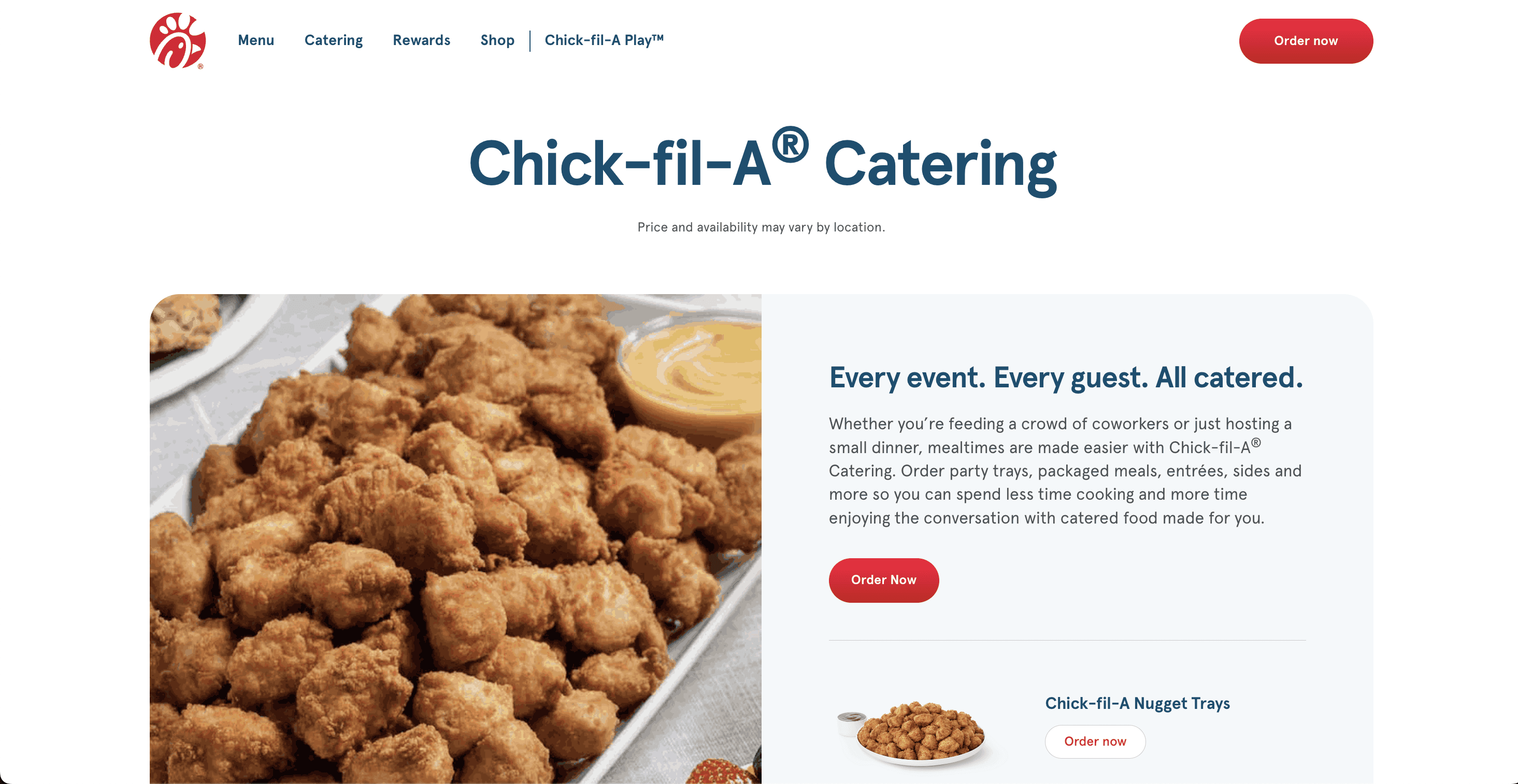
Here's how you can also build a catering program for your restaurant:
Build a streamlined catering menu. You don't have to reinvent the wheel. Take your 8 to 12 best-selling dishes that travel well and hold temperature. That's your catering menu.
Set clear logistics upfront. Minimum order size, advance notice required, delivery radius, whether you provide serving equipment. Answer these before customers have to ask, and put it all on a dedicated catering page on your website.
Go after corporate offices first. Walk a one-pager into offices within a mile of your restaurant. A simple catering menu with a first-order discount is enough to open the door.
7. Redesign your menu with strategic pricing and layout
Your menu is a sales tool if you know how to design it.
Studies show that customers spend an average of just 109 seconds reading a menu. In that window, where your eye lands first, what stands out, and how prices are presented all influence what gets ordered.
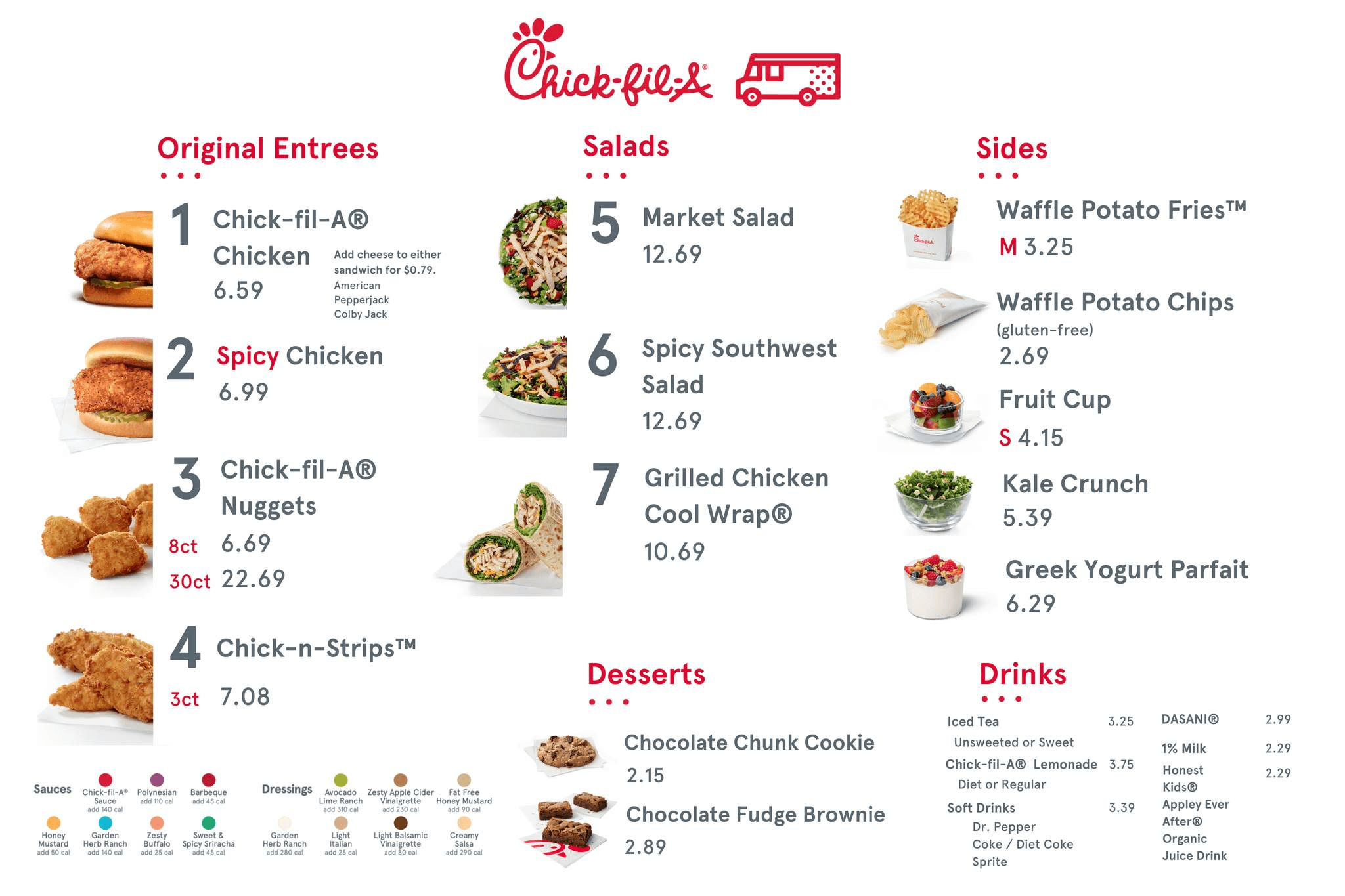
Here's how to design yours to drive higher-value choices:
Place your most profitable items in the "sweet spot." On a single-page menu, the eye naturally goes to the top right corner first. On a multi-page menu, it goes to the top of the first page. Put your highest-margin dishes there.
Remove the dollar sign. Research from Cornell University found that removing the $ symbol leads customers to spend more. Using "20" instead of "$20" reduces the psychological pain of spending.
Anchor with a premium option. List one high-priced item at the top of each category. It makes everything below it feel more reasonable, nudging customers toward your mid-range items, which are usually the most profitable.
Use descriptive language. "Slow-braised short rib with roasted garlic mash" outsells "beef and potatoes". Specific, sensory descriptions increase perceived value and have been shown to boost sales by up to 27%.
Limit choices deliberately. Too many options cause decision fatigue. The sweet spot per category is 6 to 10 items. That's enough variety without overwhelming the customer.
8. Train staff to upsell and cross-sell effectively
Your front-of-house team is your highest-leverage sales force.
The difference between a server who asks "Can I get you anything else?" and one who says "Our truffle fries pair really well with that burger, want to add them?" is real, measurable revenue.
A well-trained server can increase the average check size by 10 to 30% just through confident, natural recommendations.
9. Create combo meals and bundle deals
Bundles work because they shift the customer's thinking from "how much is this?" to "how much am I getting?", and that's a powerful psychological reframe.
McDonald's built an empire partly on the value meal. But you don't need fast food scale to make bundling work. A neighborhood bistro that packages a starter, main, and dessert as a fixed-price dinner deal can see table revenue jump 20 to 30% compared to à la carte ordering.
Pair high-margin items with high-demand items. Anchor your bundle around something customers already love, then attach items with strong margins. Sides, drinks, or desserts are usually your best candidates.
Make the value obvious. Show the individual prices alongside the bundle price. "Normally $42, get all three for $34" removes hesitation instantly.
Create bundles for specific occasions. Date night packages, family meal deals, and office lunch sets all target a specific need, which makes them easier to market and easier to say yes to.
10. Introduce premium and limited-time menu items
Scarcity sells. When customers know a dish is only available for a limited time, the decision to order it becomes urgent, and urgency certainly drives revenue.
Starbucks proved this with the Pumpkin Spice Latte. A seasonal drink that generates an estimated $100 million in revenue every fall, simply because it's not available year-round.
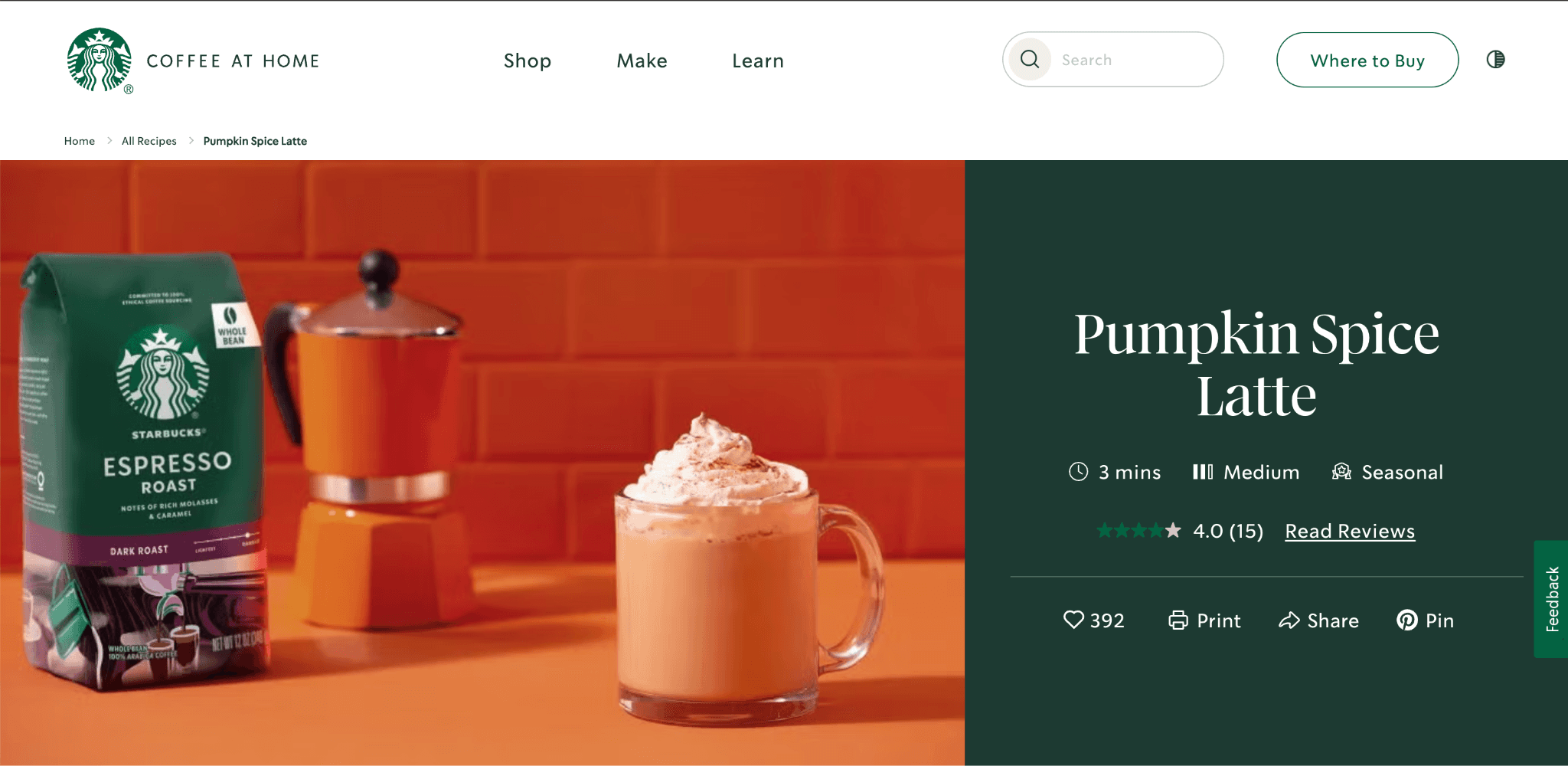
Here's how to apply the same principle to your restaurant:
Launch a seasonal menu every quarter. Tie it to the season, a holiday, or a local event. It gives customers a reason to come back and try something new, and gives your kitchen a creative outlet.
Introduce a premium tier. Add one or two high-end items, such as a wagyu burger, a dry-aged steak, or a chef's tasting plate, priced significantly above your regular menu. Not everyone will order it, but it anchors perception of your restaurant as a higher-quality experience and lifts the average check.
Create a "chef's special" rotation. A weekly or monthly special keeps your menu feeling fresh without a full redesign. Promote it on social media the day it launches to drive traffic.
Make it visible. Limited-time items should never be buried in the menu. Feature them on a table card, a chalkboard, or a banner on your ordering page. If customers don't notice it, it won't sell.
Track what works. When a limited-time item performs exceptionally well, consider adding it permanently. Your customers are essentially voting with their orders.
11. Build a loyalty and rewards program
Acquiring a new customer costs 5 times more than retaining an existing one. A loyalty program is how you turn one-time visitors into regulars, and regulars into your most reliable revenue source.
The most basic form of loyalty and rewards program is paper punch cards, but they can get lost and can't be tracked. You can use a platform like Toast Loyalty, Square Loyalty, or Paytronix to run your program through your POS system. It ties rewards directly to customer purchase history automatically.
Here's how to build a loyalty program for your restaurant:
Choose the right model. The two most effective structures are points-based (earn points per dollar spent, redeem for free items) and visit-based (visit 10 times, get one free). Points-based works better for high-frequency, lower-ticket restaurants. Visit-based works well for full-service dining where the experience itself is the draw.
Make it digital from day one. Paper punch cards get lost and can't be tracked. Use a platform like Toast Loyalty, Square Loyalty, or Paytronix to run your program through your POS system. It ties rewards directly to customer purchase history automatically.
Give a strong sign-up incentive. "Join and get a free appetizer on your next visit" converts browsers into members immediately. The cost of that appetizer is far less than what a loyal customer spends over a year.
12. Run targeted email and SMS campaigns
Social media reach is borrowed, but your email and SMS list is entirely yours.
Email marketing returns an average of $36 for every $1 spent, making it one of the highest-ROI channels available to any business, restaurants included.
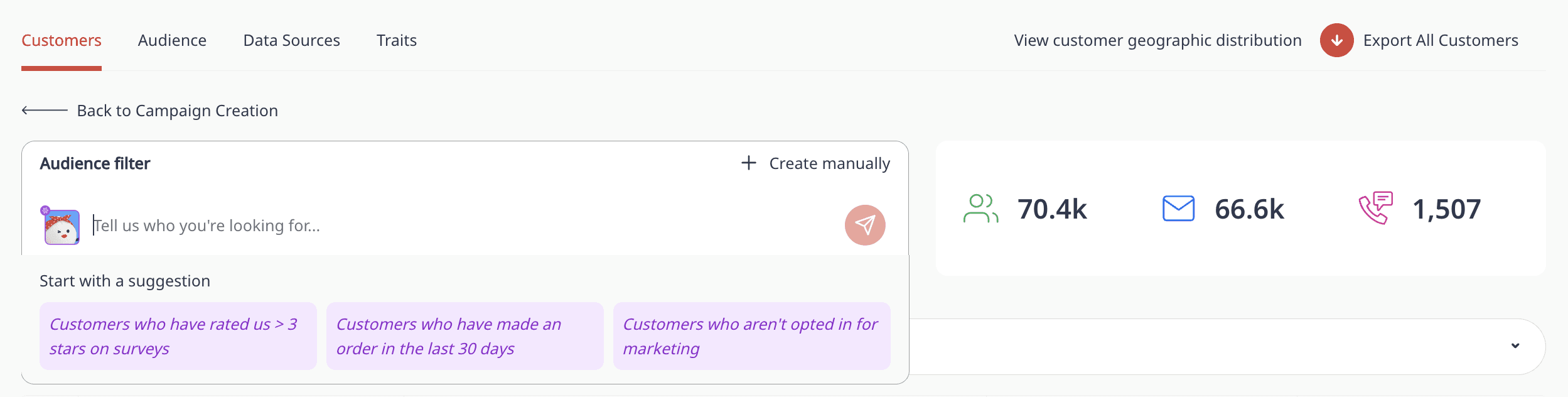
You can run such campaigns with Momos. The wealth of customer information from review management makes Momos a great Customer Data Platform, and you can leverage that wealth of data for your marketing campaigns.
13. Send personalized offers based on order history
Generic discounts are forgettable. A message that says "Hey, our new spicy tuna roll just dropped, we thought you'd want to know" to a customer who orders sushi every Friday is definitely unforgettable.
Tools like Klaviyo, Mailchimp, or Popmenu integrate directly with your POS and ordering system, so personalization runs automatically without manual work on your end.
14. Host community events and experiential dining nights
Guest experience means that they enjoy both the food and the time they spent at your restaurant.
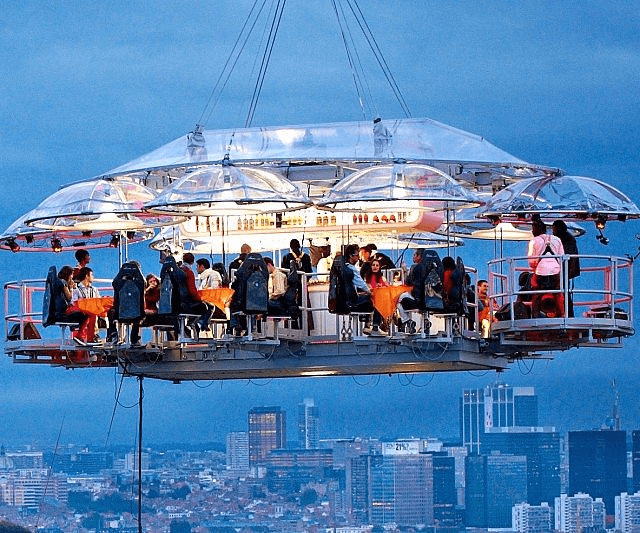
Consider what Dinner in the Sky does: suspend a table 150 feet in the air and charge a premium for the experience. You don't need to go that far, but the principle is the same: give people a story to tell, and they'll market your restaurant for free.
Here's how to build an events calendar that drives traffic:
Partner with local businesses. A brewery for a beer pairing night, a florist for a Valentine's Day dinner, a local artist for a gallery-and-dinner evening. Cross-promotions split the workload and double the audience.
Create a ticketed format for high-demand nights. Ticketing guarantees revenue upfront, eliminates no-shows, and signals that the event is worth planning around. Platforms like Eventbrite or Resy can help you set this up.
15. Recover dissatisfied customers with fast service resolution
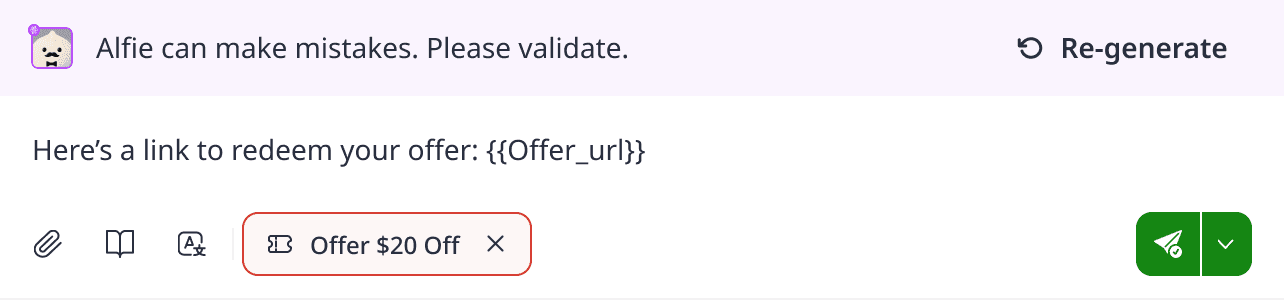
Across six months of POS-linked survey data from a QSR brand with 100+ locations, we saw one pattern: guests who received a recovery offer and redeemed came back more often than guests who had a good experience in the first place.
16. Standardize food quality with documented SOPs
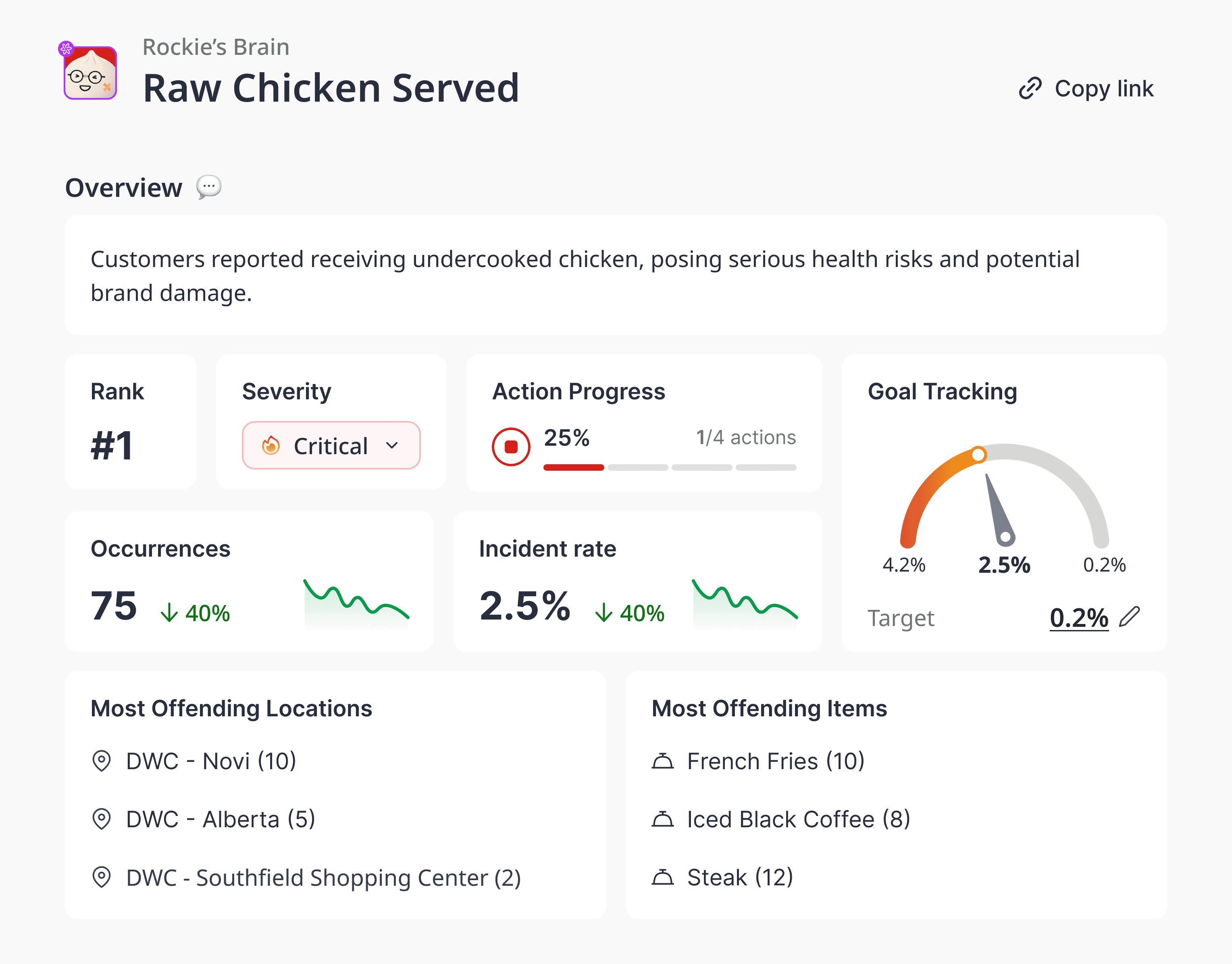
In the restaurant business, consistency is key. You want your food to taste the same every single time. And to build consistency, you need SOPs (Standard Operating Procedures).
Here's how to build SOPs:
Document every recipe with exact measurements and plating specs. Every dish should look and taste identical regardless of who's on the line.
Build onboarding around your SOPs. New hires should learn your standards before they touch a single ingredient. SOPs are only useful if they're trained.
Run regular quality checks. A designated person should be tasting dishes and checking plates before service every day.
Create checklists for all parts of your restaurant. SOPs should be extended beyond food to cover every repeatable process in your restaurant. A consistent opening checklist means every service starts from the same baseline, every time.
17. Enable QR code and mobile ordering and payment
Restaurants that have implemented QR code ordering report an average increase in order value of 10 to 30%, largely because a digital menu makes it easier to showcase add-ons, photos, and upsells in a way a paper menu never can.
Here's how to implement it properly:
Choose a platform that integrates with your POS. QR ordering only creates efficiency if orders flow directly into your kitchen system. Platforms like Toast, Square, or Bopple offer QR ordering that connects end-to-end.
Position QR codes where they're impossible to miss. Table tent cards, the center of the table, even printed on the paper placemat. If customers don't notice the QR code, the system doesn't exist.


" transform="translate(3.219 19.212)" width="152.45224485148515px"/><path d="M 0 11.619 C 7.071 11.39 33.491 21.738 40.35 21.268 C 38.499 18.19 37.116 14.915 35.507 11.625 C 33.7 7.867 32.587 3.926 31.702 0" fill="transparent" height="21.28391189647101px" id="I9fuJaf7q" stroke-dasharray="" stroke-linecap="round" stroke-linejoin="round" stroke-width="4.97" stroke="rgb(0, 0, 0)" transform="translate(139.727 55.754)" width="40.34950693069311px"/></svg>)