Les 12 meilleurs logiciels de gestion de réputation (2026)
Écrit par : Vincent Nguyen

⟦embed:keyTakeaways⟧
If you're running a multi-location business, you already know how much your reputation matters.
When you're small, managing it is straightforward. But as you scale, it gets significantly harder, and for a few reasons:
Reviews are everywhere, visibility is nowhere. They pile up across Google, Trustpilot, Yelp, TripAdvisor, and more, with no central place to track them.
Responding becomes a full-time job. Every review needs a reply, and winning back unhappy customers takes real effort. At scale, it's unsustainable without tooling.
No way to read the room. Without structured feedback analysis, it's nearly impossible to know what people actually think about your business, or whether you deliver a good experience.
That's exactly where reputation management software comes in.
In this article, we'll walk you through:
A list of the 12 best reputation management software tools I personally explored
What makes each one stand out
Who each tool is best suited for
Pricing estimates
Let's dive in.
What Should A Reputation Management Software Do?
A good reputation management software should be able to:
Monitor mentions across social media, review sites, press, and forums
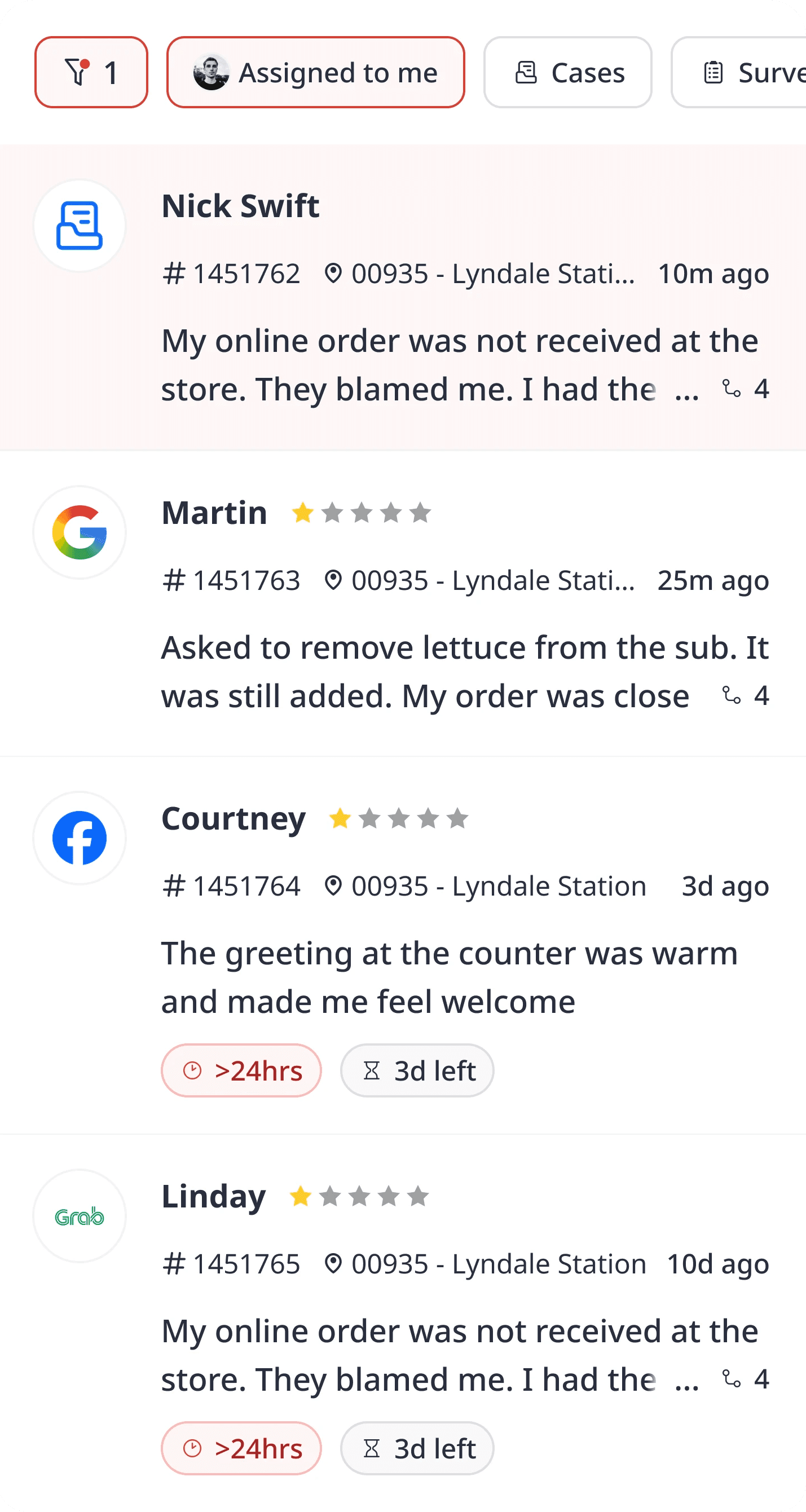
Centralize reviews from Google, Yelp, Facebook, and delivery apps into one inbox
Respond to reviews and comments fast with AI-assisted replies
Promote positive content and counterbalance negative results
Measure sentiment and surface trends by location, topic, and time
Turn feedback into operational action across your teams
The 12 Best Reputation Management Software
With all those criteria laid out, here’s our recommendation list of the 12 best reputation management software for your multi-location business:
⟦embed:chtyjUX9d⟧
1. Momos
Momos is a reputation and guest experience platform made specifically for restaurant and hospitality brands with many locations. It collects reviews, guest messages and survey responses from every store, replies through an AI agent, and shows operators what the feedback says about each location.
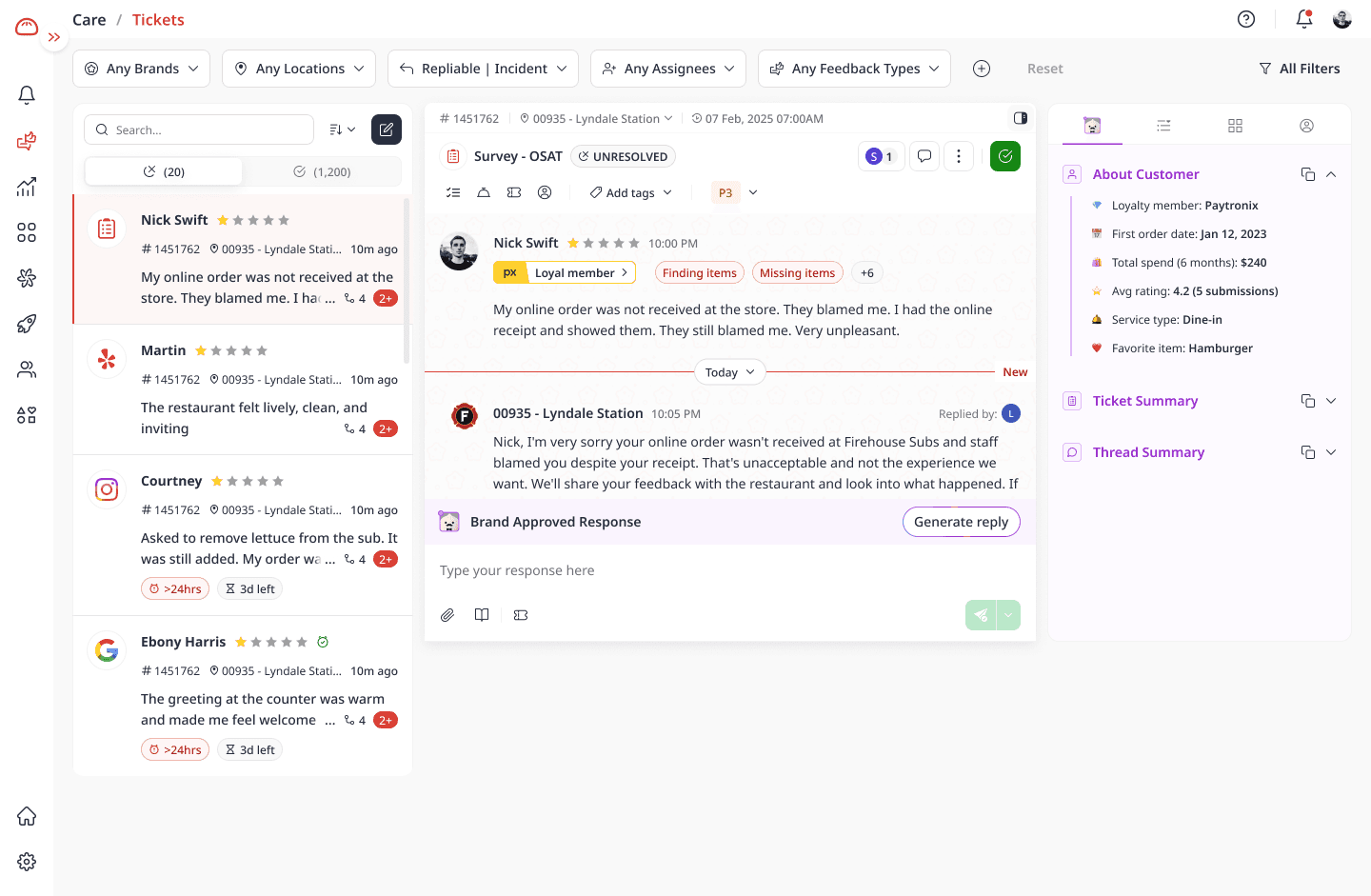
If you run restaurants, it's one of the AI-powered reputation management platforms designed around your industry. FoodVest Group, which runs Caribou Coffee in Bahrain and Saudi Arabia, cut its reply time from 19 days to 1 hour and gained 61% more Google reviews across 57 locations.
Key features
Single review queue: The Unified Inbox lines up Google reviews with App Store ratings, social DMs and POS data, and AI triage sends each one to the store that owns it.
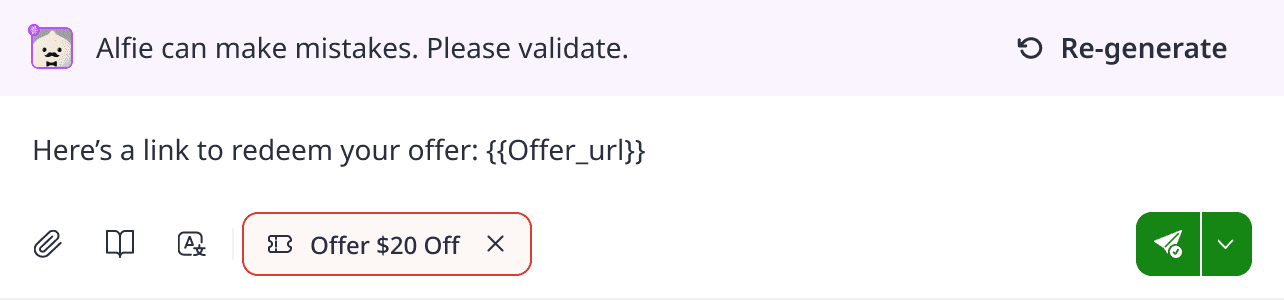
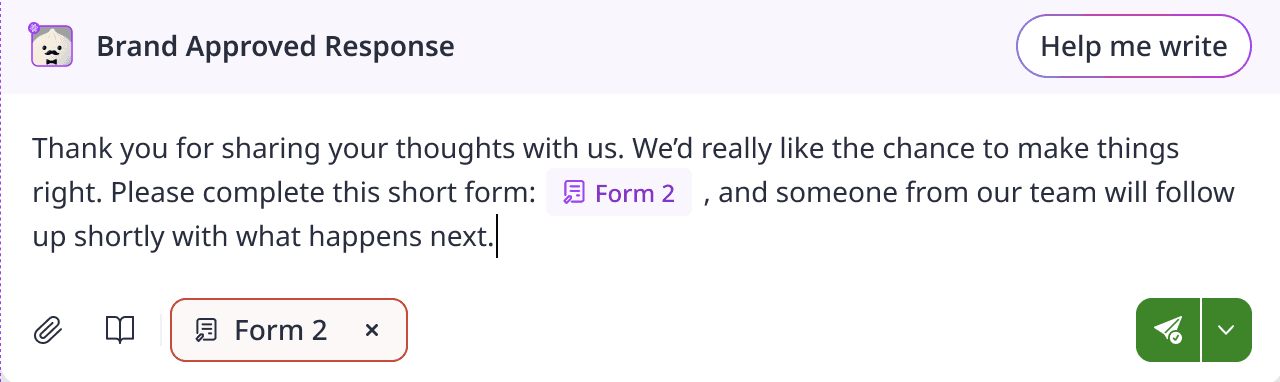
AI replies: Alfie writes on-brand answers to reviews around the clock and can include a recovery offer for an unhappy guest.
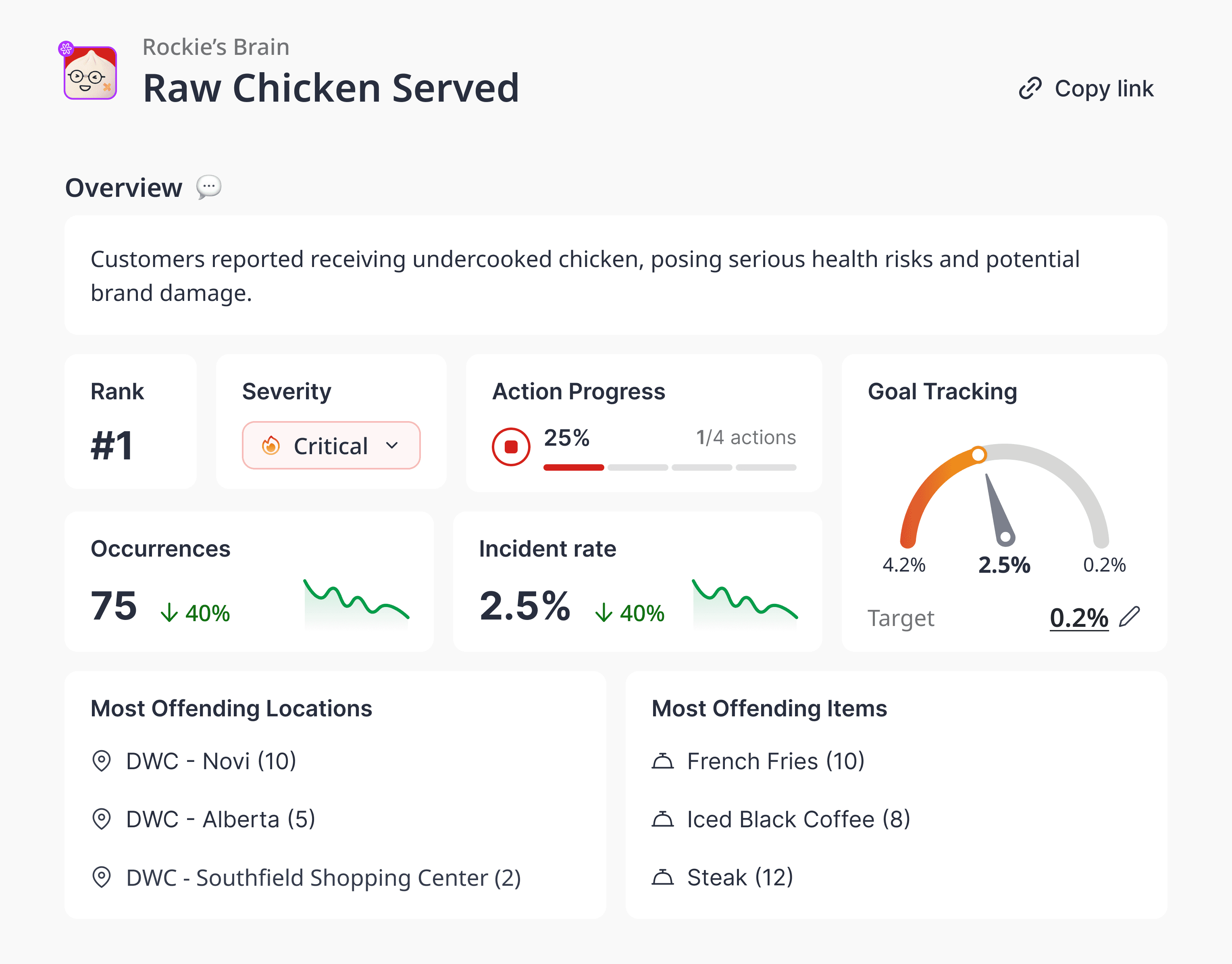
Tagging and alerts: AI sorts feedback by sentiment and topic, then alerts your team in real time when something needs attention.
Listings management: Each location's business listings are kept up to date from one place.
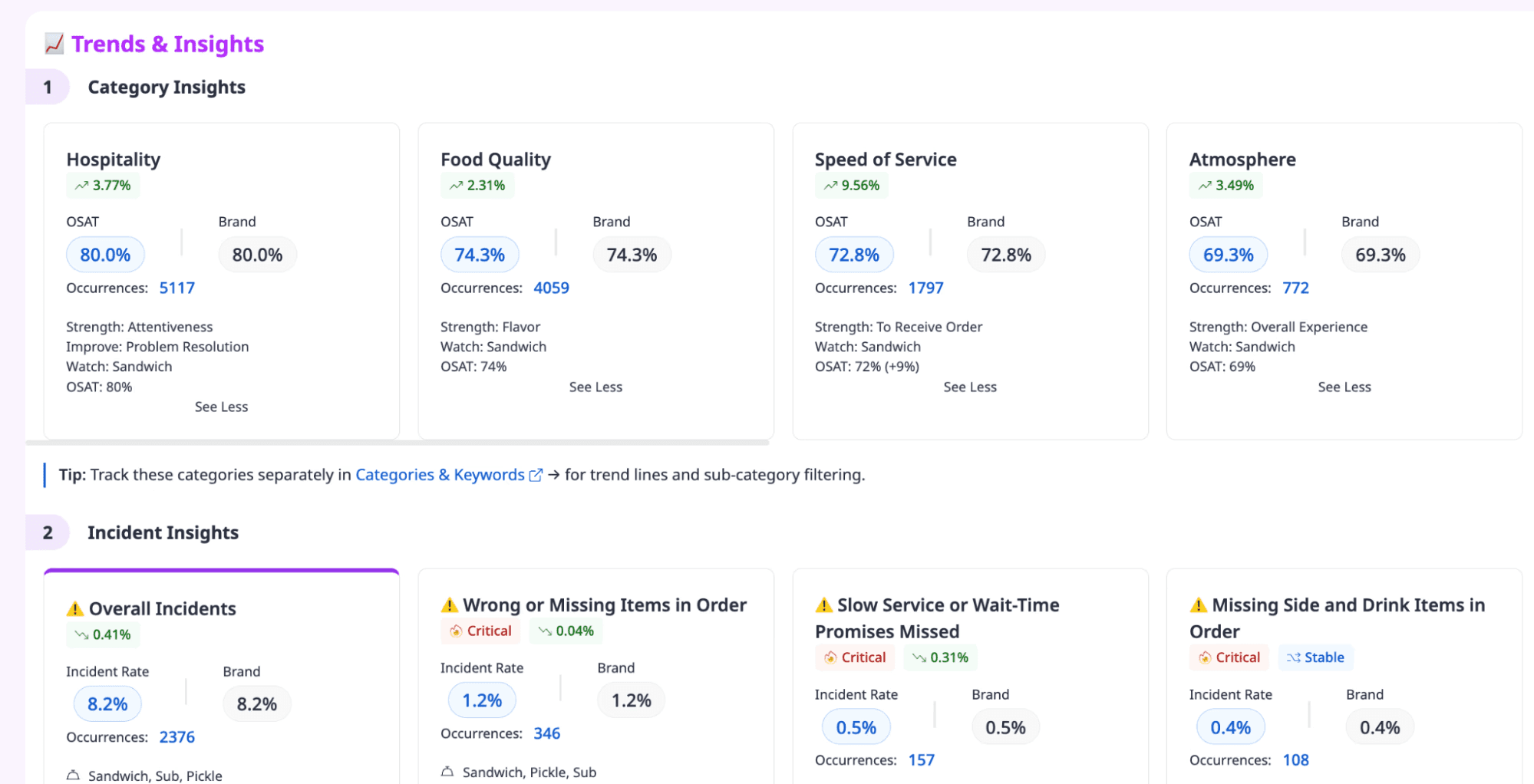
Operational analytics: Store-level reports reveal what drives your best and worst ratings, which supports operational excellence work.
Pros
Restaurant data in context: Loyalty, POS and delivery-app data sit beside the reviews for each store.
Replies and support in one: Alfie also answers guest messages, and it's covered in our guide to AI tools for responding to reviews.
Every store at a glance: Category scores and incidents by location help you fix problems and improve the guest experience across the chain.
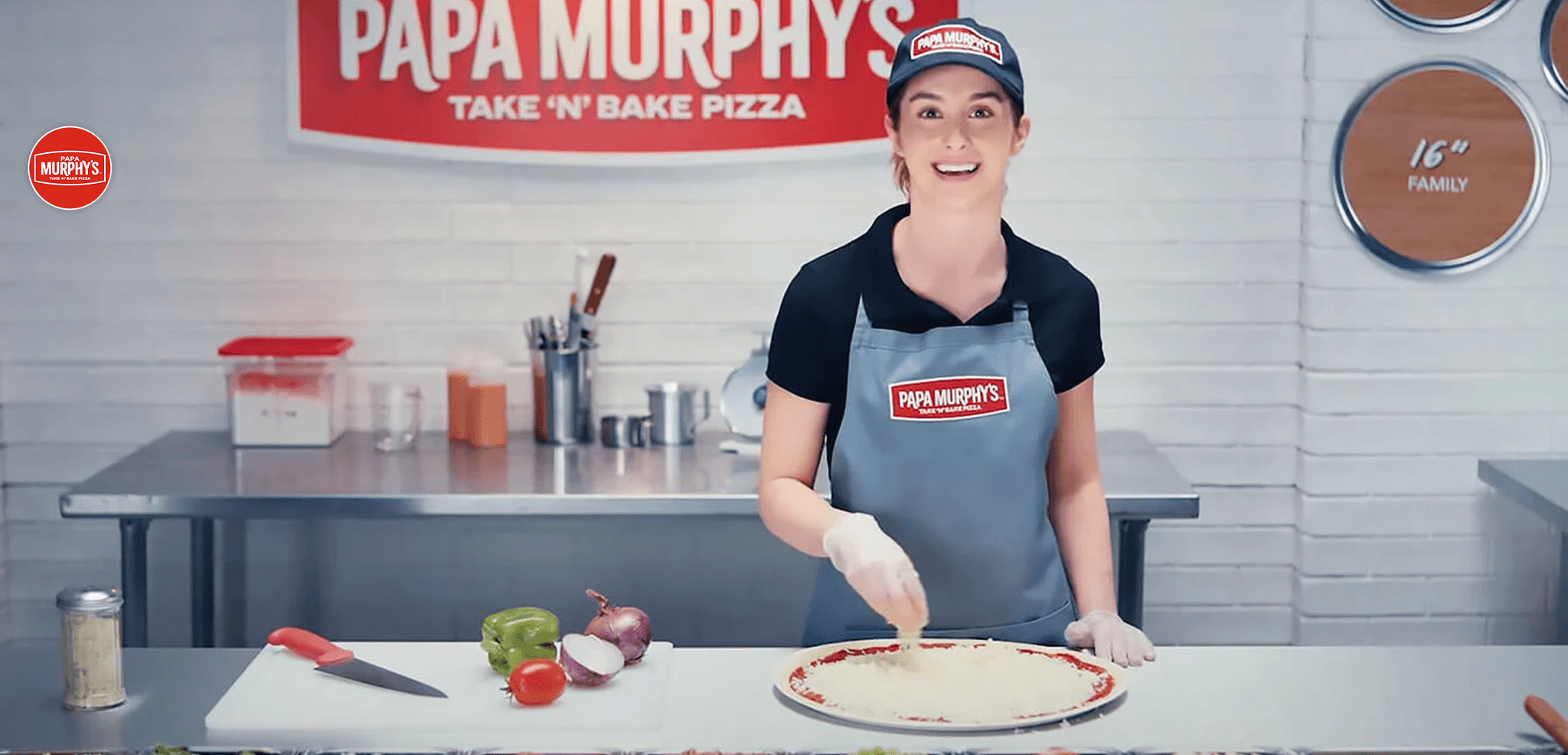
Used by chains: Potbelly, Papa Murphy's and Condado Tacos are among the brands on Momos.
Cons
Restaurants only: It's designed for restaurant and hospitality brands, so other industries are better served elsewhere on this list.
Custom quotes: There's no public pricing, and a demo comes first.
Managed onboarding: Plan for roughly seven days of guided onboarding before launch.
Price and plans
Momos doesn't publish prices; you get a custom quote after a demo, which you can book on the Momos website.
⟦embed:jvgLUZsvj⟧
2. Birdeye

Birdeye is a long-standing reputation platform, now sold to chains and franchise groups as an agentic marketing platform. One account covers review management, directory listings, guest texting, social posts, surveys and tracking of how AI answer engines mention you.
For a restaurant group, the appeal is one vendor that watches reviews, keeps menus and hours right on directories and sends a bad review to the store it concerns. If you're deciding how much of that to hand to automation, our guide to AI for reputation management compares the options.

Key features
Monitoring and alerts: New ratings on Google, Yelp, Facebook and niche industry sites trigger alerts, and tickets assign each negative one to the responsible location.
Review generation: Automated SMS and email requests go to recent guests and build up your review count over time.
AI responses: Replies are drafted by AI or handled by agents, written in your brand's voice.
Listings management: Business details stay consistent across directories, with menu sync for restaurants using SkyTab or Uber Eats.
Sentiment reporting: Surveys and Insights AI turn feedback into sentiment analysis by location, district or region, next to competitor benchmarks.
AI search visibility: Search AI shows how your brand appears in AI answer engines.
Pros
Broad coverage: Reviews, listings, messaging, social and surveys sit in a single platform, so you manage fewer vendors.
Agents included: The AI Coworkers launched at View 2026 direct 27 agents that take on routine reputation tasks.
Restaurant integrations: SkyTab (announced September 2026) and Uber Eats (June 2025) connections push menu details to listings.
Strong G2 score: Birdeye is rated 4.7 out of 5 on G2.
Cons
Private pricing: There's no public price list, and the cost depends on the locations and modules you deploy.
Many industries: The platform serves many sectors, and parts of the AI Coworkers' remit, like insurance verification, won't apply to a restaurant.
Big for one location: A single restaurant may use only a fraction of what the platform offers.
Price and plans
Birdeye doesn't list prices. It quotes each brand based on the number of locations and the products you deploy, under one contract.
3. Tattle
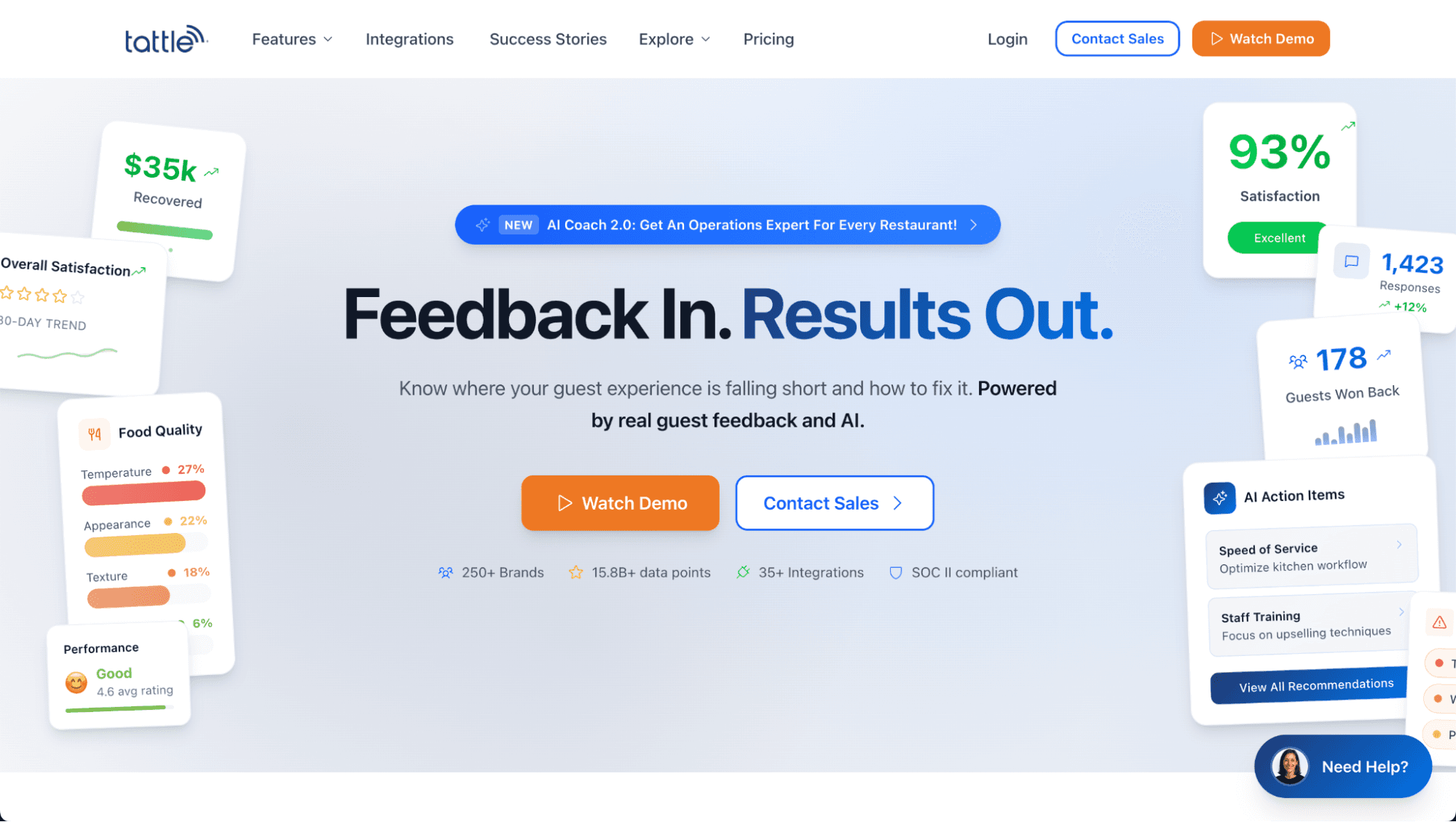
Tattle is a guest feedback and customer experience platform built only for restaurants. It sends a short survey after each order through your ordering, loyalty and POS systems, watches public reviews, and uses AI to tell each location which fix will lift its scores most.
For reputation work, that lets you see whether a slide in star ratings matches what guests report privately, and deal with the cause at store level. Hooters, Red Robin, Brinker International (Chili's) and Kung Fu Tea use it, and Tattle says more than 250 brands do.
Key features
Order-triggered surveys: Connections to Toast, Olo, Punchh, Paytronix, Thanx and Square send a survey once a transaction closes.
Operational scoring: Each response is filed under speed, accuracy, food quality or hospitality, and item-level feedback shows which dishes draw complaints.
AI Coach: For every store, AI picks the change likely to raise guest scores most and sets a monthly goal.
Review replies on the go: The manager app follows Google, Yelp, Facebook and TripAdvisor and lets GMs respond to reviewers directly.
Recovery and trends: Service recovery workflows reach unhappy guests, and dashboards compare top box score and recovery rate by location.
Pros
Private and public feedback together: Survey answers sit beside public reviews, so you can tell a one-off complaint from a pattern.
No extra step for staff: Surveys ride on the POS, ordering and loyalty tools restaurants already use, so nobody has to hand out a link.
Clear priorities: AI Coach gives each general manager one ranked fix to work on instead of a pile of comments.
Transparent pricing: Tattle publishes its per-location rates, and every plan includes the same features.
Cons
Reputation tools cost extra: Full Reputation Management, for monitoring and replying across review platforms, is a separate add-on without a listed price.
Five-location minimum: Published tiers start at 5 units, so a single restaurant falls below the lowest plan.
No trial listed: Each plan's Get Started button leads to the sales team.
Price and plans
Tattle charges per location, per month, with lower rates as you add locations. Every plan includes the same features and onboarding; Reputation Management is an add-on.
5 to 10 units: $125 per location, per month.
11 to 20 units: $100 per location, per month.
21 to 50 units: $85 per location, per month.
51 to 200 units: $65 per location, per month.
201+ units: Custom pricing.
4. Reputation.com

Reputation sells reputation and guest experience software to brands with many locations. The company dropped the ".com" from its name but kept the domain, is based in San Ramon, California, and marked 20 years in March 2026. Reviews, surveys, listings, social and AI search visibility all run from one platform.
Restaurant groups are a core market. Mitchells & Butlers, with 15+ brands, gathers guest feedback from 1,600+ locations in Reputation, and the vendor reports the group's average star rating rose from 3.7 to 4.2. Tortilla, the UK burrito chain, and Stonegate Group are also customers.
Key features
Unified review inbox: Read and answer Google, Facebook and other reviews in one queue, with AI drafts ready to edit.
Guest surveys: Collect item-level and service feedback by SMS, QR code or email and set it beside public ratings.
Listings and local SEO: Keep menus, hours and specials current on Google, Yelp and AI overviews for every location.
Competitive benchmarks: Compare your ratings, themes and response times with nearby restaurants through the Competitive Insights add-on.
Social publishing: With the Social Suite add-on, locations post and reply on social while corporate keeps an eye on tone.
Pros
Made for restaurant groups: Its food and beverage offering targets multi-location restaurants, whether corporate-owned or franchised.
Feedback and reviews together: Survey answers and public ratings feed the same dashboards, so you see both sides of each location.
Transparent entry pricing: The core plans carry a list price per location.
User rating: On G2, Reputation scores 4.5 out of 5.
Cons
Many paid add-ons: Social Suite, Actions & Ticketing and Competitive Insights are each sold on top of a plan.
Limited surveys below the top plan: Rep Core + Pulse includes 1 basic survey template, and custom surveys need Rep Core + Surveys.
Premium review sites: Feedback from Yelp and Tripadvisor comes through Premium Sources, which costs extra.
Price and plans
Reputation publishes per-location monthly prices for its core plans and sells through its sales team; add-ons are quoted separately.
Rep Core: $80 per location, per month.
Rep Core + Pulse: $115 per location, per month.
Rep Core + Surveys: $150 per location, per month.
Enterprise: Custom pricing for 125+ locations.
5. Brand24

Brand24 is a media monitoring tool that finds conversations about your brand across the open web, from social media posts and news coverage to forum threads, podcast episodes and review sites. It shows how fast talk about you is growing and whether the tone is turning.
Reputation teams use it as an early warning system: a viral complaint or a local news story shows up as a spike before it reaches your inbox. It has no review-response workflow, so restaurant brands usually pair it with a review platform. Pasibus, a fast-casual chain in Poland, is one of its published case studies.
Key features
Wide source coverage: Your name is picked up on social platforms, news sites, blogs, forums, podcasts, newsletters, video and review sites.
Spike alerts: Volume and reach charts with alerts reveal a sudden wave of posts about a location or campaign.
Sentiment and emotion: Each mention is scored as positive, negative or neutral, so a shift in mood stands out.
Share of voice: Compare how often people talk about you and about competitors.
Influencer discovery: Find the accounts whose posts about you reach the most people.
AI visibility: LLM monitoring tracks how AI assistants mention and rank your brand.
Pros
Early warning: Real-time updates on Pro and higher plans help you respond to a story while it's still small.
Beyond review sites: It catches complaints posted on social media, forums and podcasts that review tools can miss.
Published prices: Every plan has a price on the website, with Enterprise shown as a starting price.
User rating: On G2, Brand24 averages 4.6 out of 5 from 332 reviews.
Cons
Listening only: You can't reply to reviews from Brand24, so it adds a tool to your stack.
Keyword limits: The Individual plan tracks three keywords, and mentions above a plan's limit incur overage fees.
Paid extras: API access costs $149 more, and AI Visibility is listed as an add-on below Enterprise.
Price and plans
Brand24 has no free plan, but every plan can be tested free for 14 days without a credit card. Annual billing costs less per month.
Individual: $249 per month, or $199 per month billed annually.
Team: $349 per month, or $299 per month billed annually.
Pro: $499 per month, or $399 per month billed annually.
Business: $699 per month, or $599 per month billed annually.
Enterprise: From $1,499 per month, billed annually.
6. ReviewTrackers

ReviewTrackers is a reputation management platform for chains and franchise systems. It pulls review data from more than 100 sources into one account, helps each location respond in an approved voice, and reports on ratings and themes across your portfolio.
It has belonged to InMoment since 2022, which in turn joined Press Ganey Forsta in May 2025, yet it still sells under its own name. Its review data can also live inside InMoment's customer experience platform, alongside the rest of your guest feedback.
Key features
Portfolio dashboard: Ratings and reviews for every location sit in a single view, with an alert whenever a new review posts.
Approved responses: Smart Response templates keep local replies on brand, and AI Auto Responding can draft answers from prompts head office saves.
Review generation: Customers receive automated invitations by email or text after a purchase or visit.
Competitor insights: On the Essential plan, your ratings and review data appear next to those of nearby rivals.
Franchise permissions: Location reports and role-based access let a franchisee see their own stores while the brand team sees all of them.
Pros
Multi-location focus: Reporting, permissions and per-location pricing are all designed around brands with many sites.
Wide coverage: Smaller review platforms are tracked together with the big ones, so fewer comments slip past.
Room for the whole team: Starter comes with unlimited users.
Well reviewed: ReviewTrackers holds a 4.6 rating on G2 from 161 reviews.
Cons
Listings sold separately: Local listings management, local search rank and managed services are add-ons you pay for on top of a plan.
Annual billing: Every plan is paid once a year, which means a larger upfront payment than monthly billing.
Quote only: With no prices on the site, comparing costs takes a sales call.
Price and plans
ReviewTrackers doesn't publish prices; you book time with its team for a custom quote. Plans (Data Only, Starter and Essential) are priced per location, per month and paid annually.
7. Yext

Yext manages the online presence of multi-location brands from a central knowledge base that feeds directory listings, store pages and review management. Restaurant chains mostly use it to keep hours, menus and addresses correct on every site guests check before a visit, and handle reviews in the same place.
Yext is still listed on the New York Stock Exchange after its CEO's proposal to take the company private was withdrawn in February 2026. Its restaurant customers include Taco Bell, Arby's, Bojangles and Marston's.
Key features
Listings sync: Edit a location once and the change reaches Google, Apple Maps, Bing, Facebook and a long list of other apps and directories.
Review dashboard: One view collects reviews across Google, Facebook, Yelp and 80+ industry sites, with smart filters and alerts for every location.
Approved responses: Your team edits and signs off on AI-written replies before they're posted under the brand's name.
Review generation: Email, text and QR code requests ask guests for a rating at the moment they're most likely to leave one.
Local pages: Yext Pages builds a search-friendly landing page for every restaurant.
Scout benchmarks: Compare your visibility and sentiment with competitors in both traditional and AI search.
Pros
Accurate details everywhere: One record per location lowers the chance that a guest finds old hours or a closed address on some directory.
Reputation and listings together: Review work and listings share a platform, so one team can own both.
Built for franchise networks: Role-based permissions and audit trails show who changed or answered what at each location.
Strong user score: On G2, the average score from users is 4.4 out of 5.
Cons
Quote-only pricing: Cost depends on how many locations you have and which products you buy, and Yext lists no figures.
Shorter terms cost more: A one-year contract carries a higher rate than a multi-year commitment.
Small operators go through resellers: Yext points smaller businesses to reseller partners instead of selling to them directly.
Price and plans
Yext doesn't publish prices or offer a standard free trial; you get a quote after a demo. Pricing is custom by location count and solution, and billing is usually annual.
8. Chatmeter

Chatmeter helps multi-location brands manage reviews, business listings and local search from one place. Survey vendor Alchemer has owned it since September 2025 and sells it as Alchemer Reputation Management, alongside its own feedback tools.
For a restaurant chain, the appeal is coverage. Reviews from more than 100 sites, listings across dozens of directories and a page for every location all report to the same dashboards, so a regional manager can see which stores need attention this week.
Key features
Review inbox for 100+ sites: Read and reply to reviews for every store in one place, using templates, bulk responses or suggested replies.
Rules-based auto-replies: AI Auto-Responder, added in March 2026, posts replies in your brand voice for the reviews you choose and flags delicate ones for a manager.
Listings management: Bulk-edit hours and details across Google, Apple Maps and 70+ directories, with alerts when something changes.
Local Pages: Each location gets its own search-optimized landing page, with support for several languages.
Analytics Studio: Dashboards and scheduled reports compare locations, and the data can flow on to Tableau or Domo.
Competitor benchmarks: Competitive Intelligence sets each store against the businesses around it.
Pros
Reviews, listings and local SEO together: One vendor covers three jobs that many chains split across separate tools.
Built for scale: Filters by location, region and review site make it practical for brands with dozens or hundreds of sites.
Private and public feedback: Alchemer's survey tools sit beside public reviews, so you can compare what guests tell you directly with what they post.
Well rated: G2 reviewers give it 4.5 out of 5 under its new name, Alchemer Reputation Management.
Cons
No public pricing: Reputation management isn't on Alchemer's price list, which only shows survey licenses.
More than a single store needs: The platform is designed for multi-location brands, so an independent restaurant may pay for features it won't use.
New owner, new name: Chatmeter's own site now points customers to Alchemer, and the product is sold under Alchemer's brand.
Price and plans
Chatmeter's pricing isn't published. Alchemer quotes it individually after a 30-minute demo.
9. Sprout Social

Sprout Social, listed on Nasdaq as SPT, is built for running social media, and it earns a place on this list through its review management. The Reviews tab and Smart Inbox let one team watch ratings and social conversations side by side.
Restaurant brands Papa Johns and Lettuce Entertain You Enterprises are Sprout customers. It makes the most sense for groups with a dedicated social or marketing team that can justify paying per seat.
Key features
Reviews tab: Pulls ratings from Yelp, Tripadvisor, Trustpilot, Facebook and Google Business Profile into one view, and Google and Facebook reviews can be answered without leaving Sprout.
Review reporting: Compare review scores across locations and networks, and sort or filter the stream with custom views.
Smart Inbox: Comments, DMs, mentions and reviews from your connected accounts land in a single stream.
Listening and news monitoring: Sentiment and trend analysis covers social channels, and NewsWhip, acquired in July 2025, adds news and earned media.
Publishing for each location: Schedule posts across networks, including TikTok, Threads and Bluesky.
Team controls: Approvals, routing, task assignment and role permissions keep a multi-person team organized.
Pros
Reputation and social in one tool: A guest who complains on Facebook and in a Google review shows up in the same inbox.
Used by restaurant brands: Papa Johns and Lettuce Entertain You Enterprises have published case studies with Sprout.
Published prices: Every plan except Enterprise has a list price, and a 30-day trial lets you test it first.
Solid rating: Sprout Social averages 4.4 out of 5 on G2.
Cons
Seat costs add up: At $199 per seat per month on Standard, giving every general manager access gets expensive.
No reviews on the entry plan: Review management is listed from Standard upward, so Essentials at $79 won't cover it.
Social-first scope: Listings management and review requests aren't part of Sprout, so you may still need a local SEO or review generation tool.
Listening is extra: The listening add-on is priced separately after a demo.
Price and plans
Sprout Social offers a 30-day free trial with no credit card. Prices are per seat, per month, billed annually.
Essentials: $79 per seat, per month ($99 billed monthly).
Standard: $199 per seat, per month.
Professional: $299 per seat, per month.
Advanced: $399 per seat, per month.
Enterprise: Custom pricing.
10. Qualtrics

Qualtrics makes experience management (XM) software that big organizations use to measure how customers, employees and the wider market see them. Reputation spans several of its products: online reputation management for public reviews, BrandXM for brand research, and surveys that capture private feedback.
Silver Lake has owned the company since taking it private in 2023. In May 2026, Qualtrics closed its $6.75 billion purchase of Press Ganey Forsta, which mostly adds healthcare patient-experience data and brings InMoment along with it.
Key features
Review monitoring: Public reviews from Google, Yelp, Facebook and TripAdvisor flow into one feed with sentiment scored as they arrive.
Brand research: BrandXM studies run on the same platform as customer feedback, so perception data and review data can be compared.
Surveys on six channels: Customers can respond by email, SMS, web, app, QR code or chat after a transaction.
Suggested responses: Reply drafts follow your brand voice and go out from Qualtrics dashboards.
Contact-center connectors: Feedback moves to and from Genesys, NICE and Salesforce.
Pros
Three audiences in one system: Customer, employee and brand programs share data, which helps when several departments care about reputation.
Views for each level: Location dashboards give a store manager, a regional lead and an executive the slice of data they act on.
Forward-looking analytics: Predictive models flag the drivers of satisfaction and the customers at risk of leaving.
User rating: 4.3/5 on G2 from 751 reviews of Qualtrics Customer Experience.
Cons
No list prices: Plans on the pricing page carry a "Request Pricing" button, and CX costs depend on interaction volume.
Enterprise scope: Smaller businesses that only track reviews would use a small part of a platform built for research teams.
Reply coverage: Responding from inside Qualtrics is supported for reviews connected through Google Places or Facebook.
Price and plans
Qualtrics doesn't publish prices. Its CX plans, including one for location-based industries such as restaurants, are priced by interactions, and you get a quote after a demo.
11. SOCi

SOCi makes reputation and local marketing software for restaurant chains, franchises and other multi-location brands. Reviews, listings, local pages and social media for every store live in one platform, and AI agents trained on your brand rules do much of the routine work.
Restaurant customers include Jersey Mike's Subs, Scooter's Coffee, Lee's Famous Recipe Chicken and On The Border Mexican Grill & Cantina. If you know the company from meetsoci.com, it has rebranded and now runs at soci.ai.
Key features
Review management: Track ratings and sentiment for each store, and reply yourself or let the reputation agent draft responses that follow your guidelines.
Listings and local SEO: Store details stay consistent across Google, Bing, Yelp and other directories, so nearby diners see the right hours.
Local pages: Every location gets its own search-optimized page, plus localized paid social campaigns if you want them.
Social publishing: Head office schedules posts that franchisees can adapt for their own neighborhood.
Delivery and ordering integrations: Connections to Olo, Uber Eats and Grubhub keep location details in sync and bring delivery ratings into SOCi.
Pros
One home for local reputation: Reviews, listings, pages, social and surveys share a single platform and one set of brand rules.
Unlimited users: SOCi charges nothing per user or per listing, so every manager and agency partner can log in.
Escalation built in: Automated replies cover routine reviews, while anything sensitive is flagged for your team.
User reviews: G2 users give SOCi 4.5 out of 5.
Cons
Quote-only pricing: Costs aren't listed anywhere; they depend on how many locations you run and which agents you add.
Usage limits: Some skills come with limits tied to your package, so check them against your review and post volume.
Enterprise scale: The platform is sized for networks of hundreds of locations, and a small group may find a simpler review tool covers its needs.
Price and plans
SOCi doesn't publish prices and has no free trial. Each quote is based on your location count and the Genius Agents and skills you deploy, with no per-user or per-listing fees.
12. Marqii
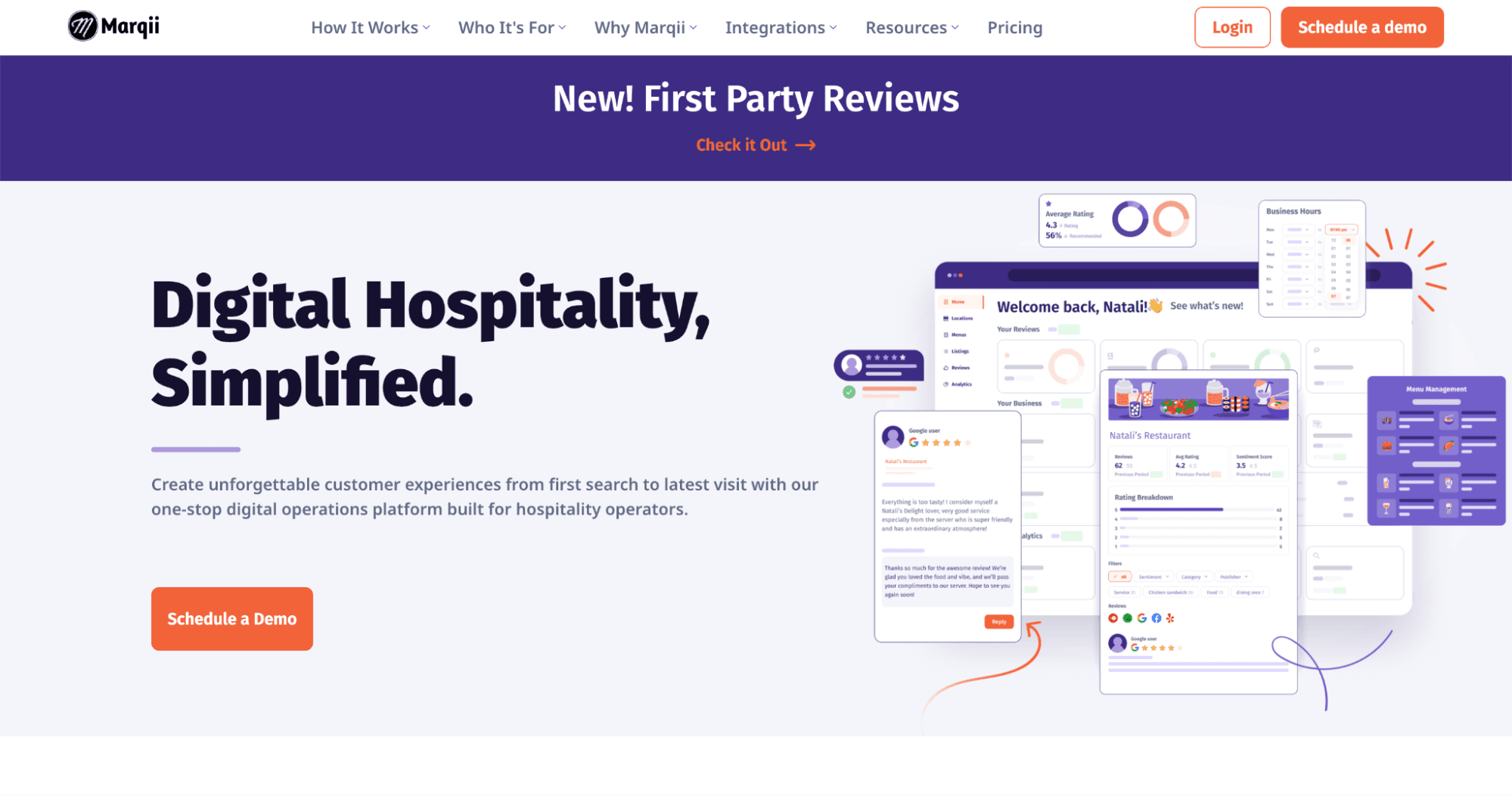
Marqii is a reputation and listings platform made only for restaurants. It treats a good reputation as the result of correct information: menus and listings stay current on 70+ sites, and reviews from search engines and delivery apps are tracked in the same dashboard.
Most platforms in this list serve many industries. Marqii is the narrower pick, worth a look if you run a restaurant group and want one vendor whose features, from POS menu sync to delivery review tracking, follow how restaurants work.
Key features
Listings management: Hours, holiday hours, photos, dining attributes and preferred ordering links update across every publisher Marqii supports, with no limit on edits.
Search-ready menus: Menu changes flow from your POS to the big listing sites, and Marqii marks menus up in code that search engines and AI bots can read.
Review tracking: Ratings from Uber Eats, ezCater, DoorDash and Grubhub appear next to Google, Yelp and Facebook reviews, with custom notifications for the ones you care about.
Reply options: The Scale plan adds AI-suggested replies, or Marqii's managed team can write the responses for you.
Location pages: Host builds a search-optimized page for each location, with menus and hours embedded, on the Marqii Package.
Pros
Restaurant focus: POS menu sync and delivery-app review tracking are built around the way restaurants operate.
One source of truth: Listings, menus, FAQ widgets and location pages draw on the same data, which keeps your details consistent wherever guests search.
Clear costs: Per-location prices for all four plans are listed on Marqii's website.
Cons
Restaurants only: If you also manage brands outside hospitality, you'd need a second reputation platform for them.
Reviews start on Growth: The $90 Base plan covers listings and menus only; review monitoring and replies begin at $145.
Annual contract: Each location signs up for twelve months, and a free demo takes the place of a trial period.
Price and plans
Marqii doesn't offer a free trial or free plan; you can book a free demo. Plans are priced per location, per month, on an annual contract, and managed replies cost extra, from $100 a month for 50 reviews.
Base: $90 per location, per month (listings and menus).
Growth: $145 per location, per month (adds review monitoring and replies).
Scale: $180 per location, per month (adds AI-suggested replies, review generation and social).
Marqii Package: $250 per location, per month (adds Host location pages).
Conclusion
At the end of the day, the best reputation management platform is the one that accomplishes three things:
It unifies reviews from all platforms and locations.
It responds to reviews at scale.
It surfaces necessary insights about operational excellence and guest experience for you to make informed decisions.
And Momos is the exact platform that satisfies all three criteria. Put simply, Momos is helping major F&B brands to:
Unify reviews across all locations and review platforms in one place.
Leverage AI to understand those reviews and see what guests think about your restaurant.
Respond to every single customer with deep personalization, all while maintaining a consistent brand voice.
Build dashboards to show guest experience and operational excellence insights
Send surveys for customers to leave 5-star reviews, as effortlessly as possible. More reviews means better SEO rankings, which ultimately drives more revenue.
Book a quick demo and see if it’s a right fit for your business!
Reputation Management Software: FAQ
What does reputation management software do?
Reputation management software tracks what people say about your business and helps you respond. Good tools monitor mentions across review sites, social media, press and forums, pull reviews into one inbox and help you reply quickly with AI-assisted drafts. They also measure sentiment by location, topic and time so you can turn feedback into action.
When does a business need reputation management software?
You usually feel the need once you run more than one location. Reviews pile up across many platforms with no central place to track them, replying to each one becomes a full-time job, and it gets hard to tell what customers really think. Software brings those reviews together and makes the work manageable.
Is review management the same as reputation management?
Review management is one part of reputation management. Reputation management also covers social listening, listings accuracy, surveys and, for some companies, how investors, employees and other stakeholders see the brand. Pick tools based on which of these you actually need to track.
How much does reputation management software cost?
Costs range from simple monthly plans for small businesses to custom enterprise contracts priced by location or customer interactions. Several platforms don't publish pricing and ask you to contact sales. Per-user pricing on social tools can add up quickly for larger teams, so count users as well as locations.
What should a multi-location brand look for in reputation management software?
Look for three things: it unifies reviews from all platforms and locations, responds to reviews at scale, and surfaces insights about guest experience and operations. Location-level dashboards and benchmarking help you spot which stores need attention. Approval workflows matter if replies need sign-off before they're published.
Which reputation management software is built for restaurants?
Momos is built for multi-location restaurants and hospitality businesses. It brings reviews, social messages, surveys and delivery platform feedback from every location into one Unified Inbox, where its AI agent Alfie writes on-brand replies. Its analytics show what drives positive and negative reviews and where incidents happen most.

 Les agents d'IA automatisent toutes les interactions avec vos clients, 24 h/24, 7 j/7, dans tous les établissements de votre restaurant.


" transform="translate(3.219 19.212)" width="152.45224485148515px"/><path d="M 0 11.619 C 7.071 11.39 33.491 21.738 40.35 21.268 C 38.499 18.19 37.116 14.915 35.507 11.625 C 33.7 7.867 32.587 3.926 31.702 0" fill="transparent" height="21.28391189647101px" id="I9fuJaf7q" stroke-dasharray="" stroke-linecap="round" stroke-linejoin="round" stroke-width="4.97" stroke="rgb(0, 0, 0)" transform="translate(139.727 55.754)" width="40.34950693069311px"/></svg>)