12 Best Restaurant Analytics Software Solutions (2026)
Written By: Vincent Nguyen
With the right analytics software, restaurants can gain full visibility into their performance to better optimize operations and increase profit across every location.
In this article, we’ll walk you through:
12 essential types of restaurant analytics tools that drive measurable growth
Recommended software solutions for each category
A practical framework for implementing analytics systems smoothly into daily operations
Let’s get started.
How Can Analytics Help Restaurants?
Numbers has the power to tell truthful stories about how healthy your restaurant is.
With the wealth of insights you gain, you can make informed decisions across all areas of your business. This practice is known as restaurant intelligence.
For example, here are some areas where analytics tracking can make a difference in your restaurant:
The 12 Best Restaurant Analytics Software
Here's the list of 12 software to track your restaurant performance across 5 major areas:
Guest Experience (how satisfied guests are)
Sales & Revenue
Labor
Inventory
Operations
Use this table below to filter out the exact software that you want and deep-dive into each section for the review.
1. Momos
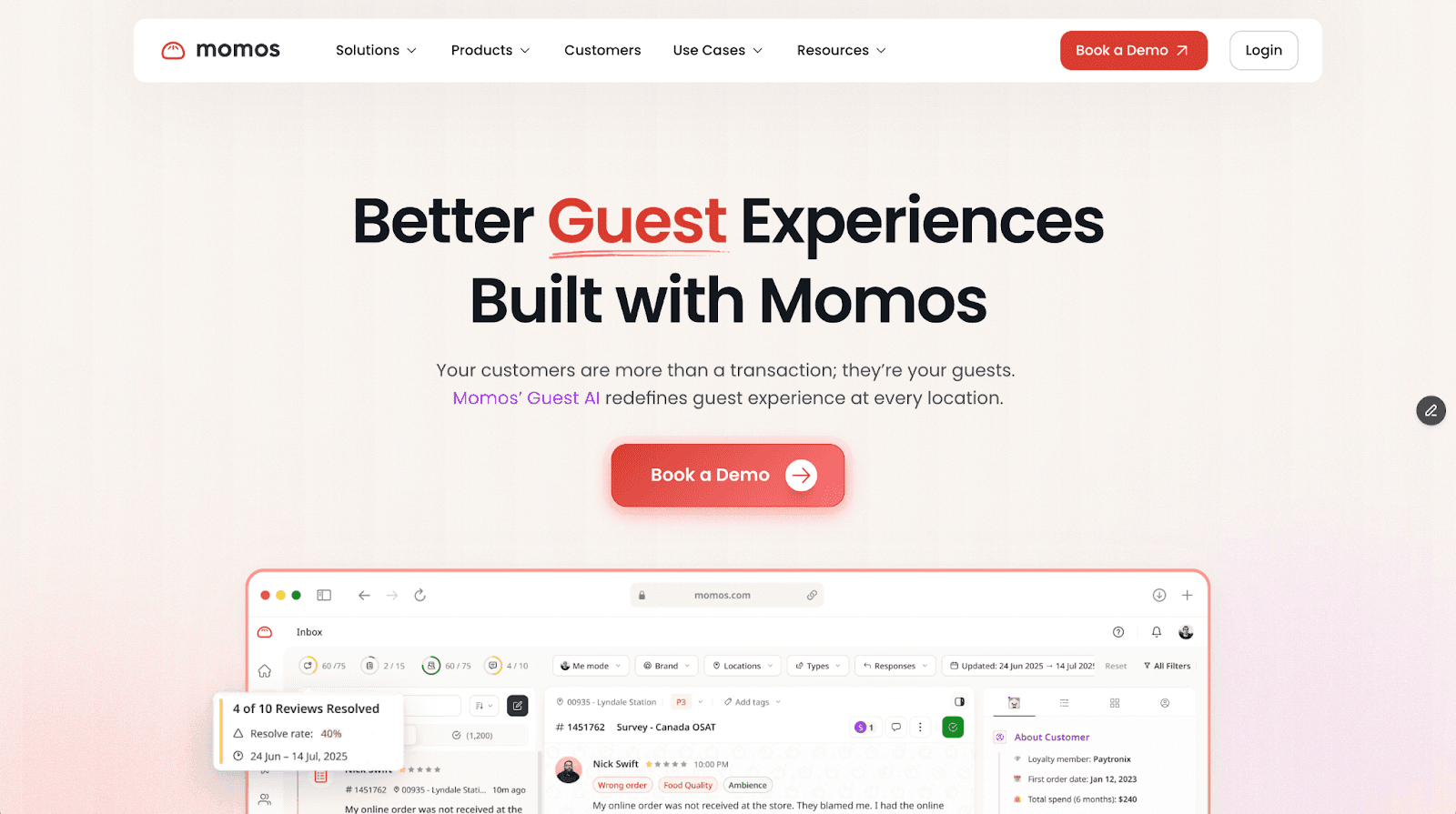
Category: Customer satisfaction & operations analytics
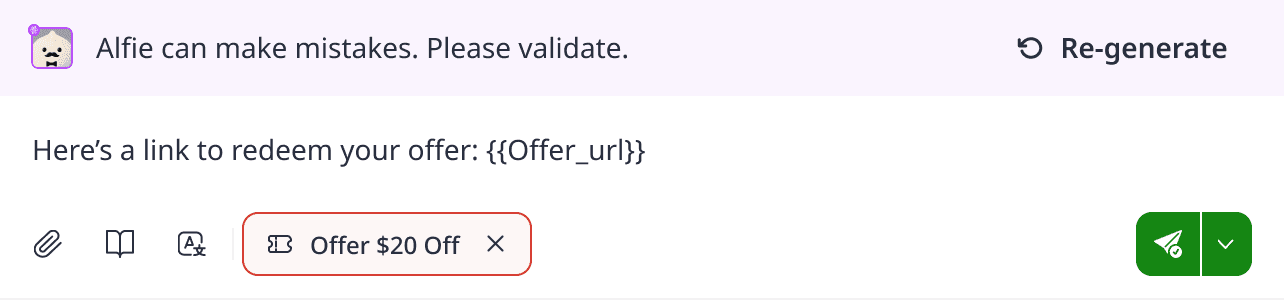
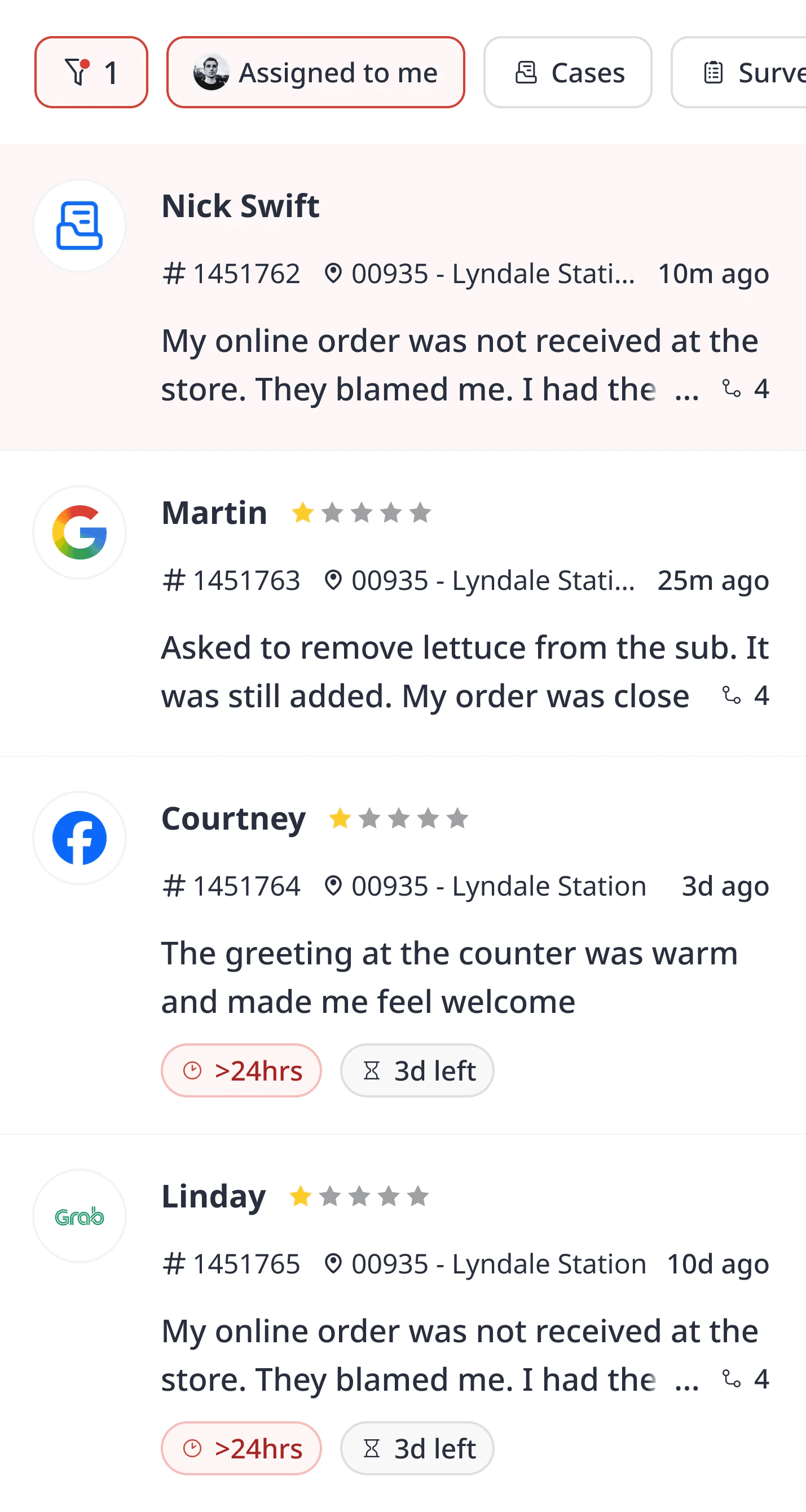
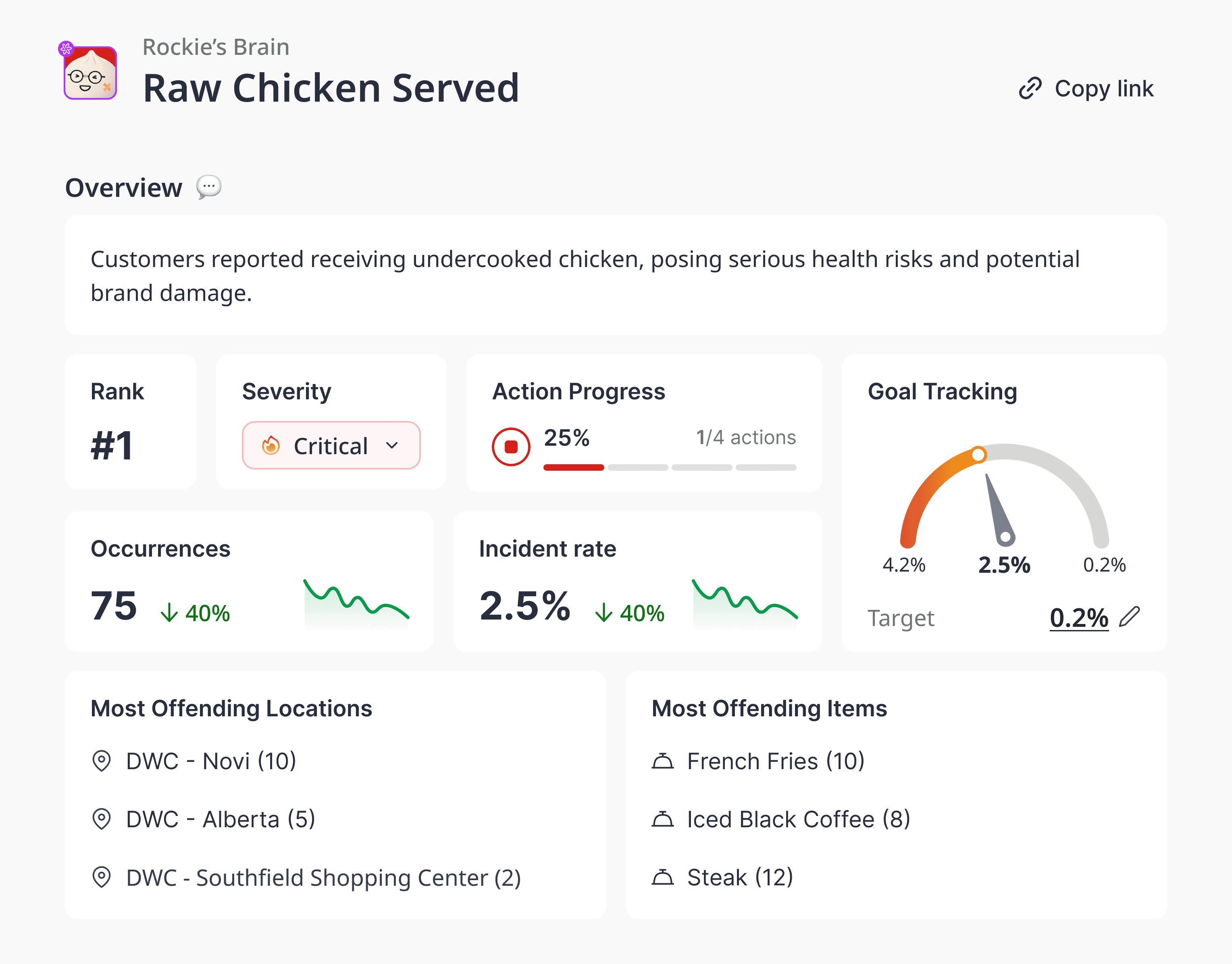
Momos is a guest experience management software with rich customer satisfaction analytics designed for restaurants to measure, analyze, and act on guest feedback in real time to improve service quality and increase repeat business.
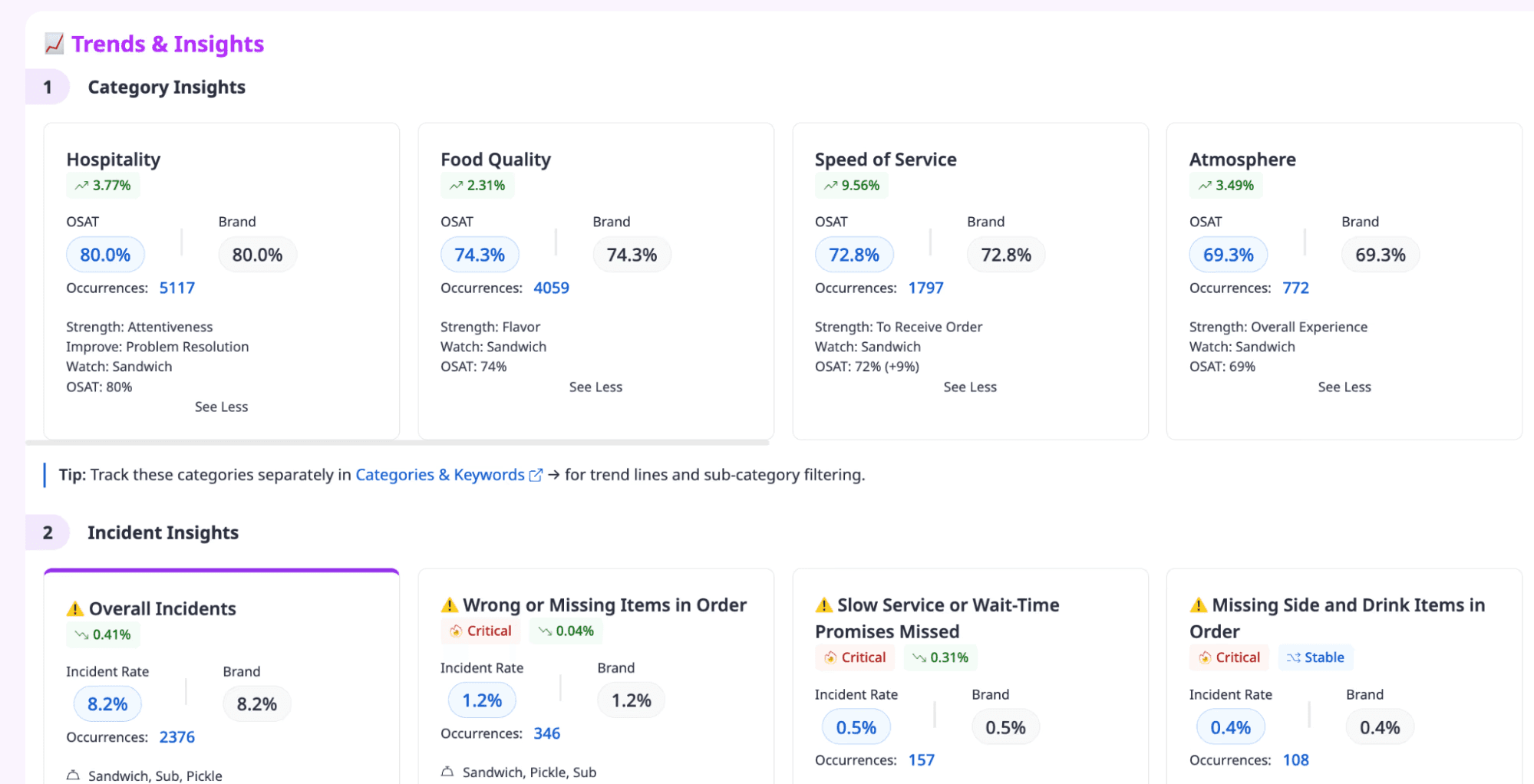
Key features:
Collects customer feedback from multiple channels (QR surveys, online reviews, email, SMS)
Sentiment analysis that highlights positive and negative trends
Net Promoter Score (NPS), CSAT, and star-rating tracking
Dashboard showing guest satisfaction trends over time
Alerts for low ratings and negative reviews
Integration with POS and reservation systems to tie satisfaction to dining experience
Pricing: Custom pricing based on number of locations and volume of feedback.
Explore further: 42 Metrics You Should Track For Your Restaurant
2. Tenzo
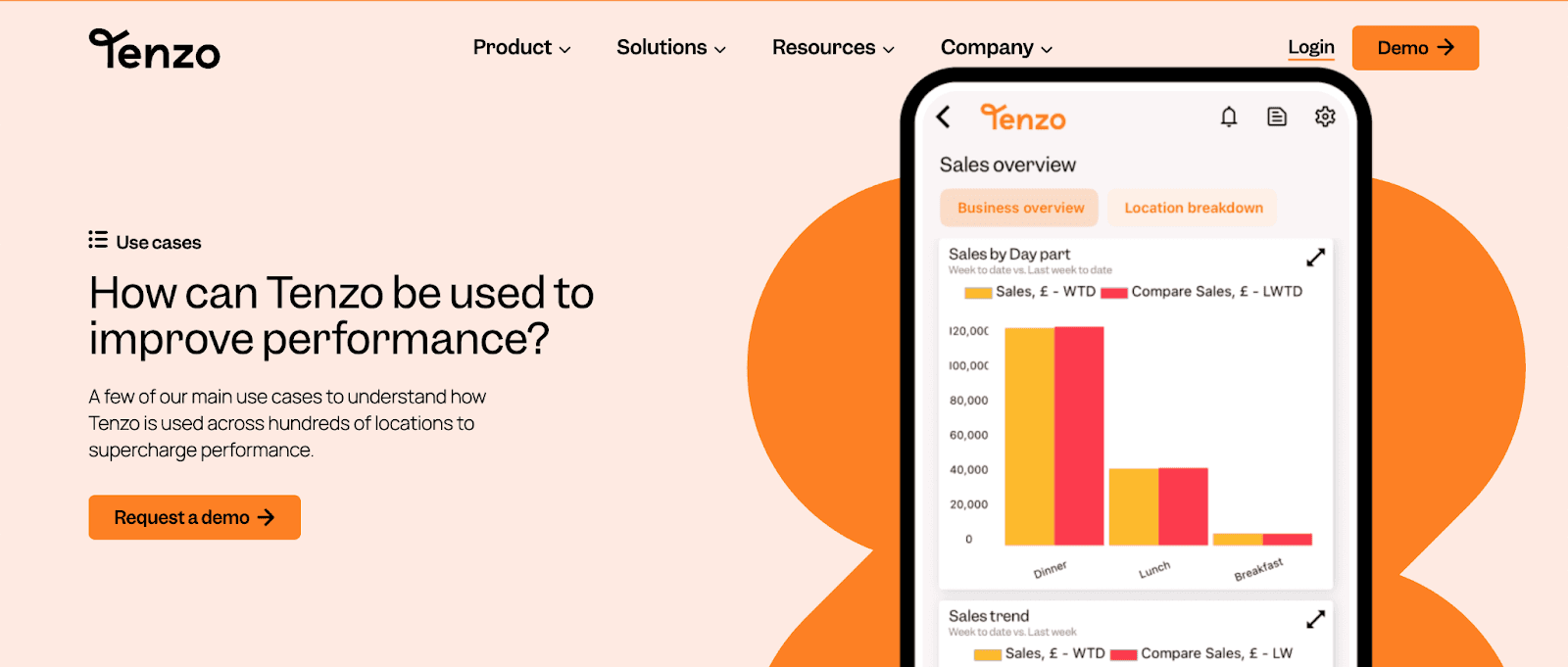
Category: POS sales, labor, inventory, reservation analytics
Tenzo is an analytics software that can unify all of your operational data (POS sales, labor, inventory, reservations) into one intelligent dashboard. With this dashboard, you basically have a single source of truth for performance metrics and decision-making.
Key features:
Real-time revenue dashboards and historical trend views
AI-driven sales forecasting based on weather, events, and seasonality
Benchmarking across locations to identify top and underperforming stores
Automated daily and weekly performance reports delivered to your inbox or phone
Wide integration ecosystem (70+ systems) connecting seamlessly with POS, labor, and inventory tools
Pricing: Custom pricing based on number of locations and integrations; typically positioned for multi-unit operators. Entry-level plans generally start in the low hundreds per location per month.
Read More: How To Increase Restaurant Sales?
3. Toast
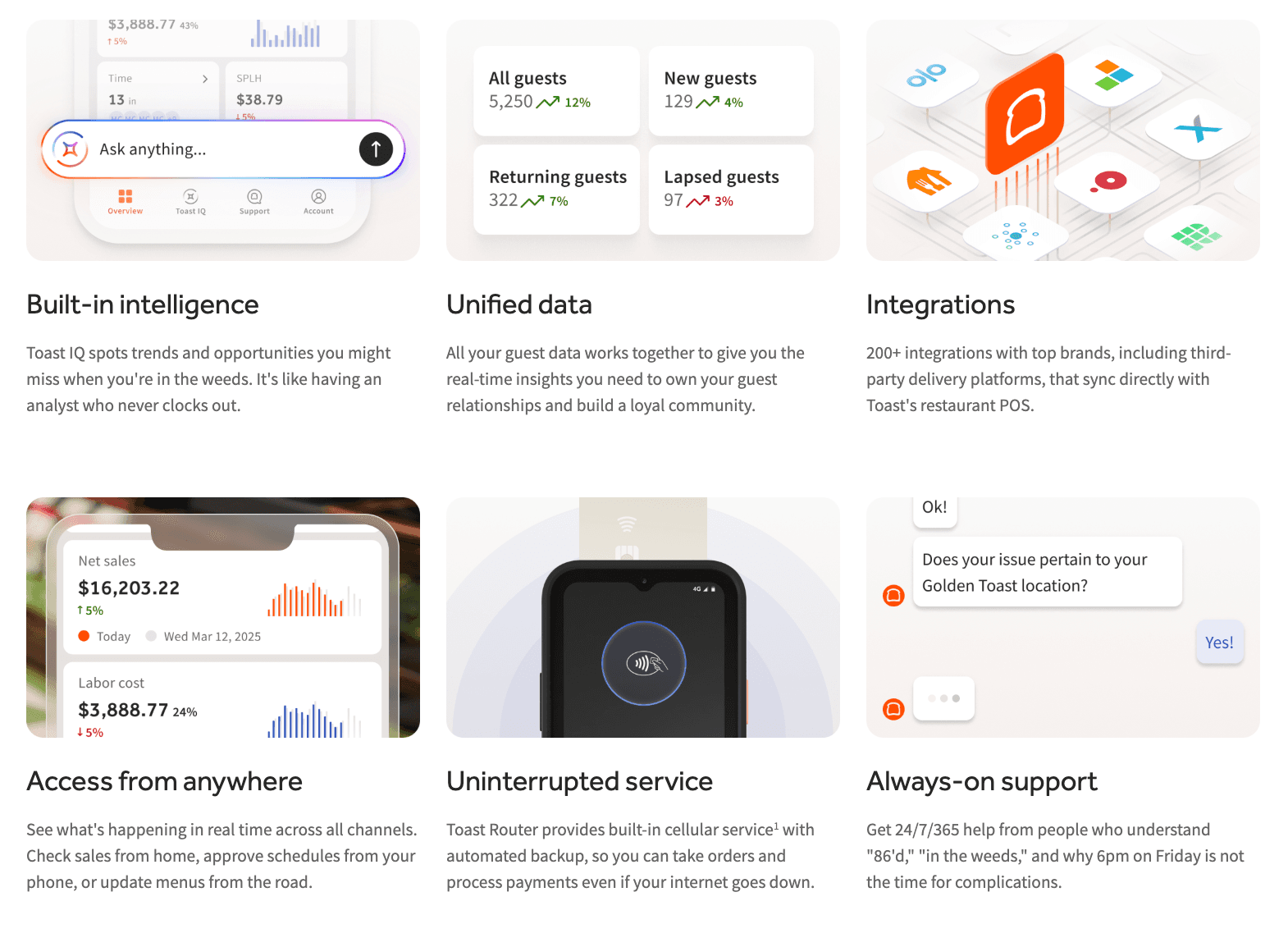
If you’re a restaurant owner, you probably heard of Toast before. It is one of the most widely used restaurant POS systems in the world, and it includes powerful sales and revenue analytics integrated directly into the platform.
Key features:
Detailed sales and revenue reporting (by time part, server, menu item)
Ability to compare revenue across shifts, days, weeks, and promotions
Analytics tied directly to inventory and labor for deeper profit insights
Multi-location dashboards and customizable visual report
Real-time visibility from the floor to executive screens (mobile or desktop)
Pricing: POS software plans typically start around ~$69/month per terminal (hardware and payment processing fees not included). Advanced analytics features are included within higher-tier POS plans.
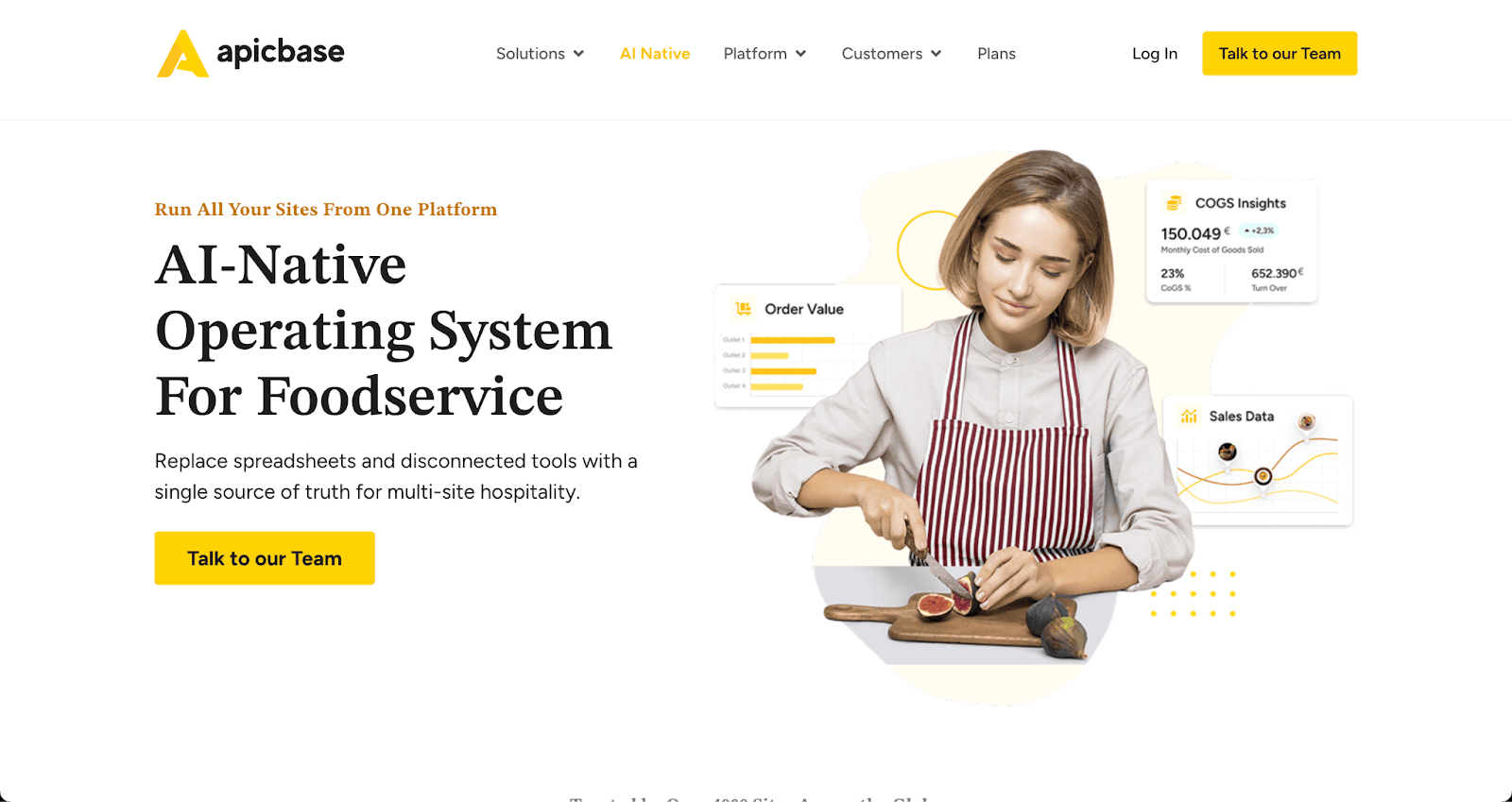
4. Apicbase
Category: Inventory and Food Cost analytics
Apicbase is designed for professional kitchens and multi-unit operators who need tight control over recipes, inventory, and supplier management from a centralized system.
Key features:
Advanced recipe and ingredient costing
Inventory tracking with real-time stock visibility
Supplier management and purchasing automation
Portion control and waste tracking
Multi-location reporting and cost standardization
Pricing: Custom pricing depending on number of locations and modules selected; typically positioned for growing and enterprise restaurant groups.
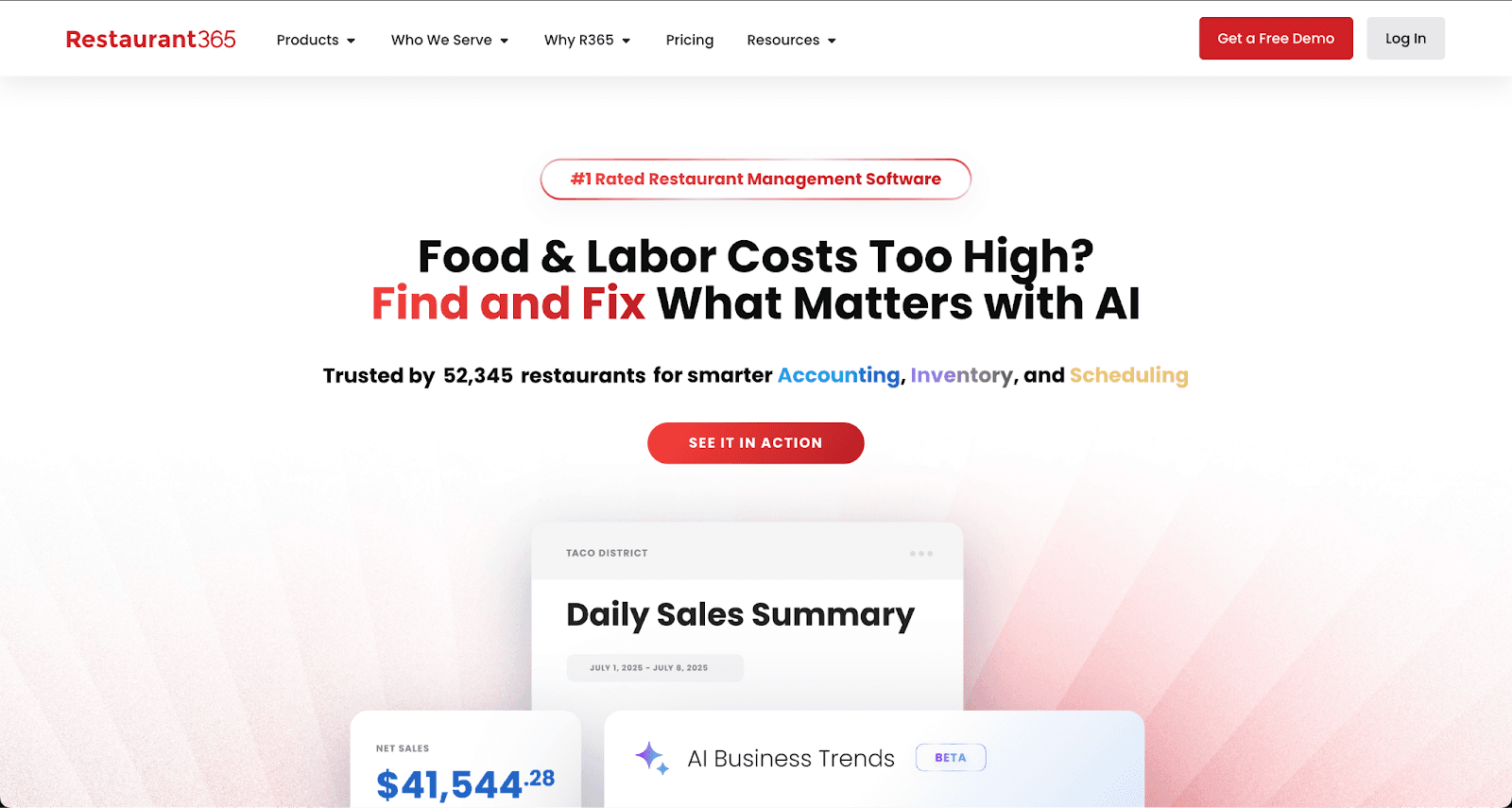
5. Restaurant365
Category: Food & Labor cost analytics
Restaurant365 combines inventory management with full financial integration, making it a powerful solution for restaurants that want food cost control directly tied to accounting and COGS.
Key features:
Inventory valuation and usage tracking
Automated invoice processing
Real-time COGS and food cost monitoring
General ledger integration
Multi-unit consolidated reporting
Pricing: Modular pricing based on selected solutions (inventory, accounting, workforce). Typically starts in the mid-hundreds per month per location, with enterprise bundles available.
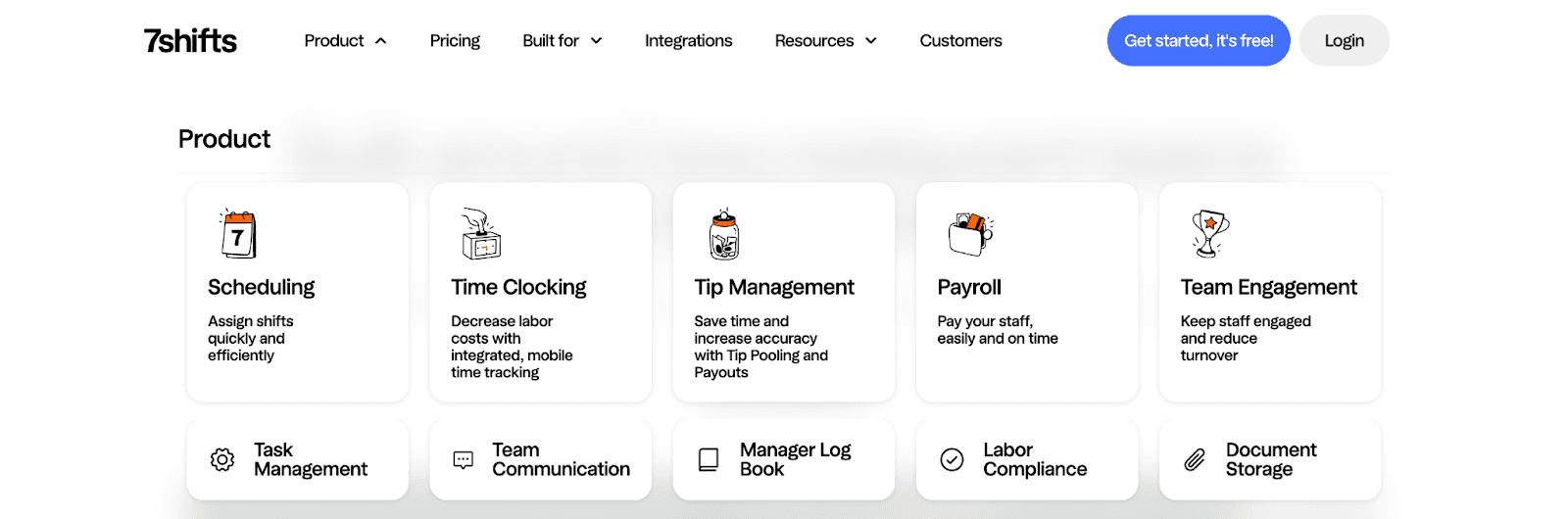
6. 7Shifts
Category: Labor & Workforce Performance Analytics
7Shifts is a restaurant-focused workforce management and analytics platform built to help operators optimize labor scheduling, control workforce costs, and improve performance using real-time sales data.
Key features:
Automated employee scheduling with drag-and-drop builder
Real-time labor cost tracking vs. POS sales
Labor forecasting based on historical revenue data
Time clocking with payroll integrations
Overtime alerts and compliance monitoring
Labor performance dashboards across locations
Pricing: 7shifts offers a free plan for small teams. Paid plans typically start around $29–$69 per location per month depending on features and integrations, with advanced forecasting available in higher tiers.
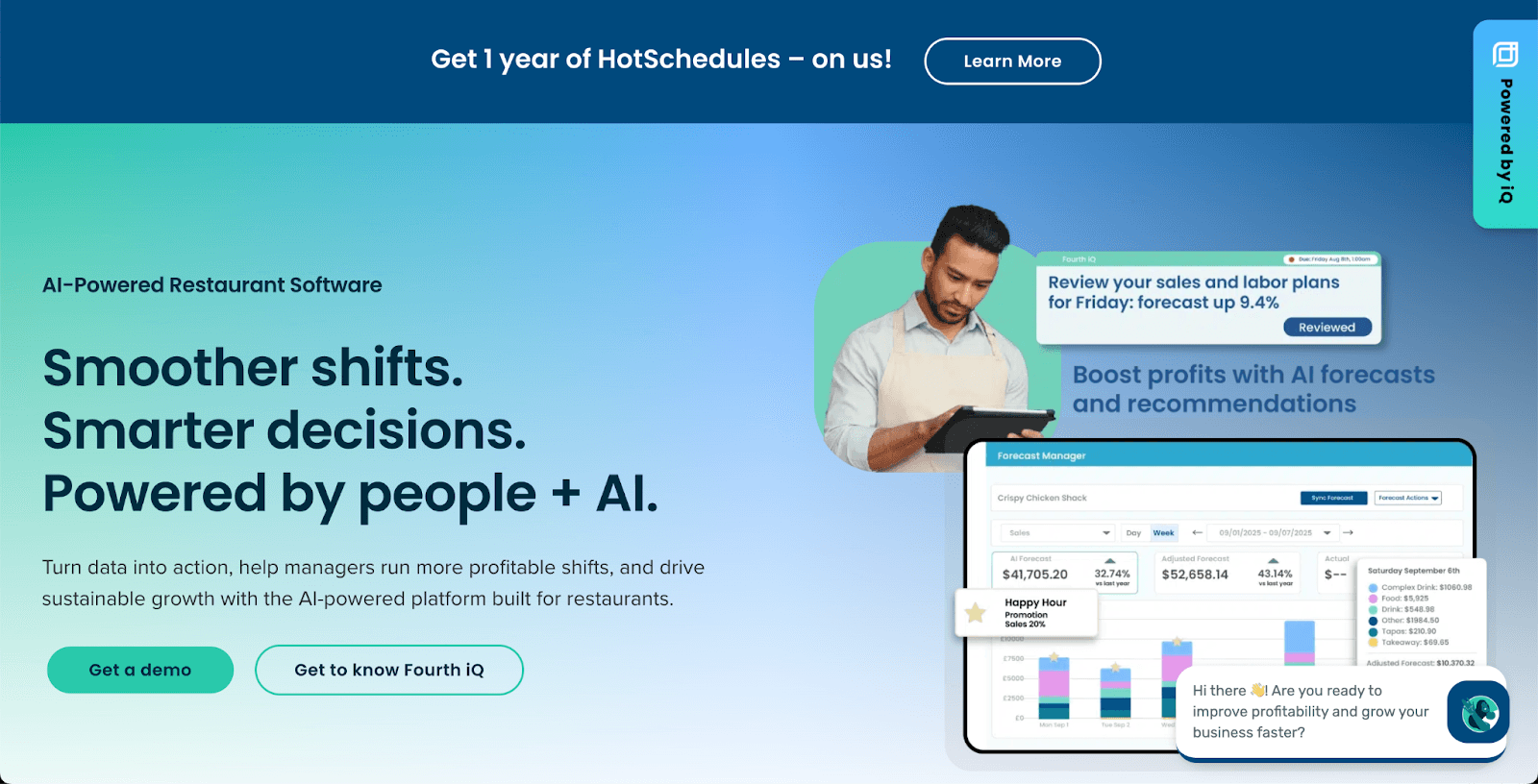
7. HotSchedules
Category: Enterprise Labor Forecasting & Workforce Analytics
HotSchedules, part of the Fourth restaurant operations suite, is designed for multi-unit and enterprise restaurant groups that require AI-driven labor forecasting and advanced workforce performance tracking.
Key features:
AI-powered demand-based labor forecasting
Automated schedule optimization based on traffic patterns
Time & attendance tracking with compliance controls
Labor budget tracking and variance reporting
Employee engagement tools and shift marketplace
Multi-location workforce performance analytics
Pricing: Custom pricing based on number of locations and selected modules. Typically positioned for mid-sized to large restaurant groups and enterprise operators.
8. TouchBistro
Category: POS-Based Sales & Performance Reporting
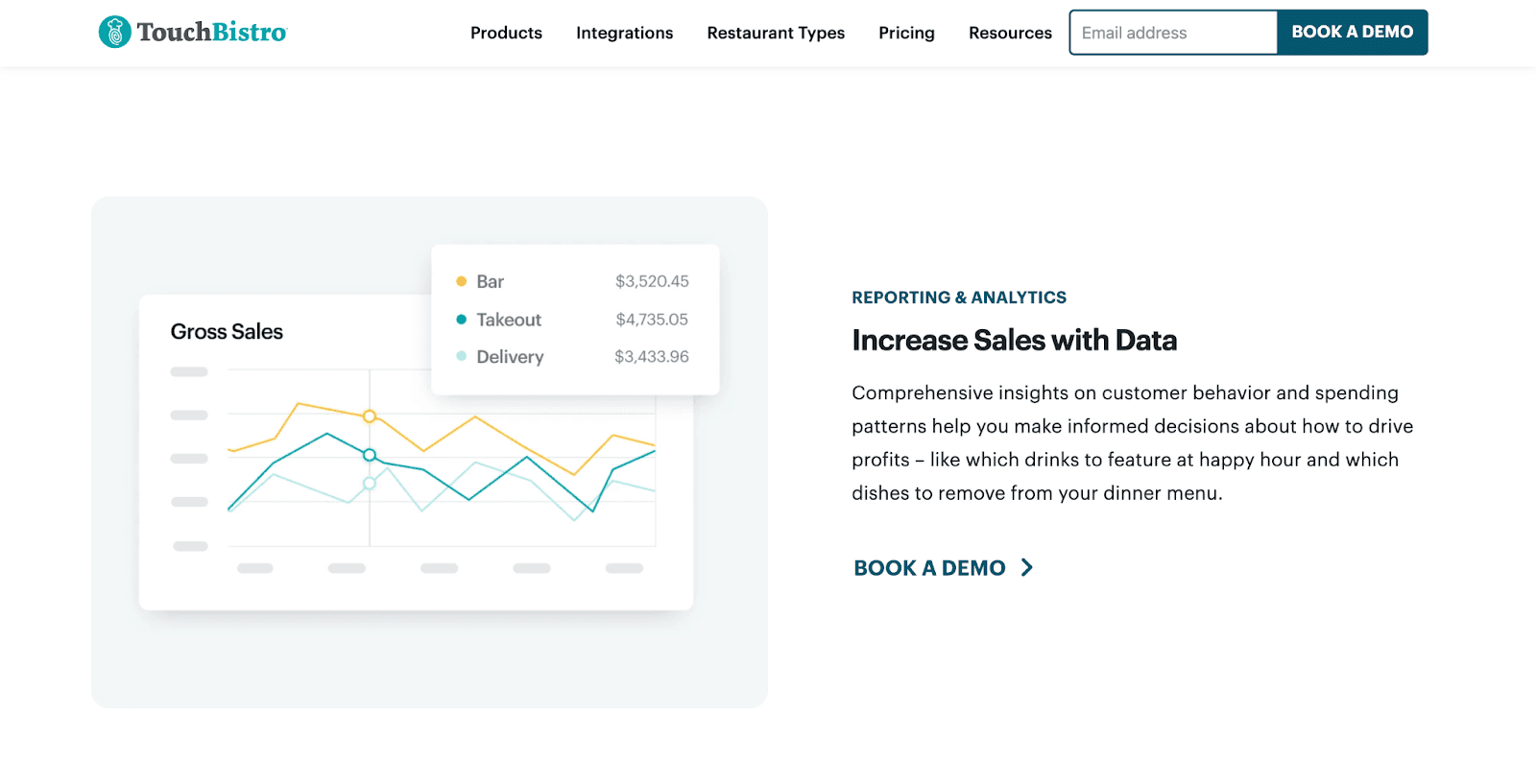
TouchBistro Reporting & Analytics provides built-in sales and operational reporting designed for independent restaurants and small-to-mid-sized operators who want clear visibility into revenue performance without needing a separate BI tool.
Key features:
Real-time sales reporting by time period, menu item, and staff
Sales summaries and shift-level performance insights
Menu mix and item popularity analysis
Server performance tracking
Discount, void, and refund reporting
Cloud-based dashboard access for remote monitoring
Pricing: Included within TouchBistro POS plans. POS software typically starts in the low hundreds per month per location, with reporting features built into the platform.
9. Oracle Food & Beverage Analytics
Category: Enterprise Restaurant Business Intelligence & Revenue Analytics
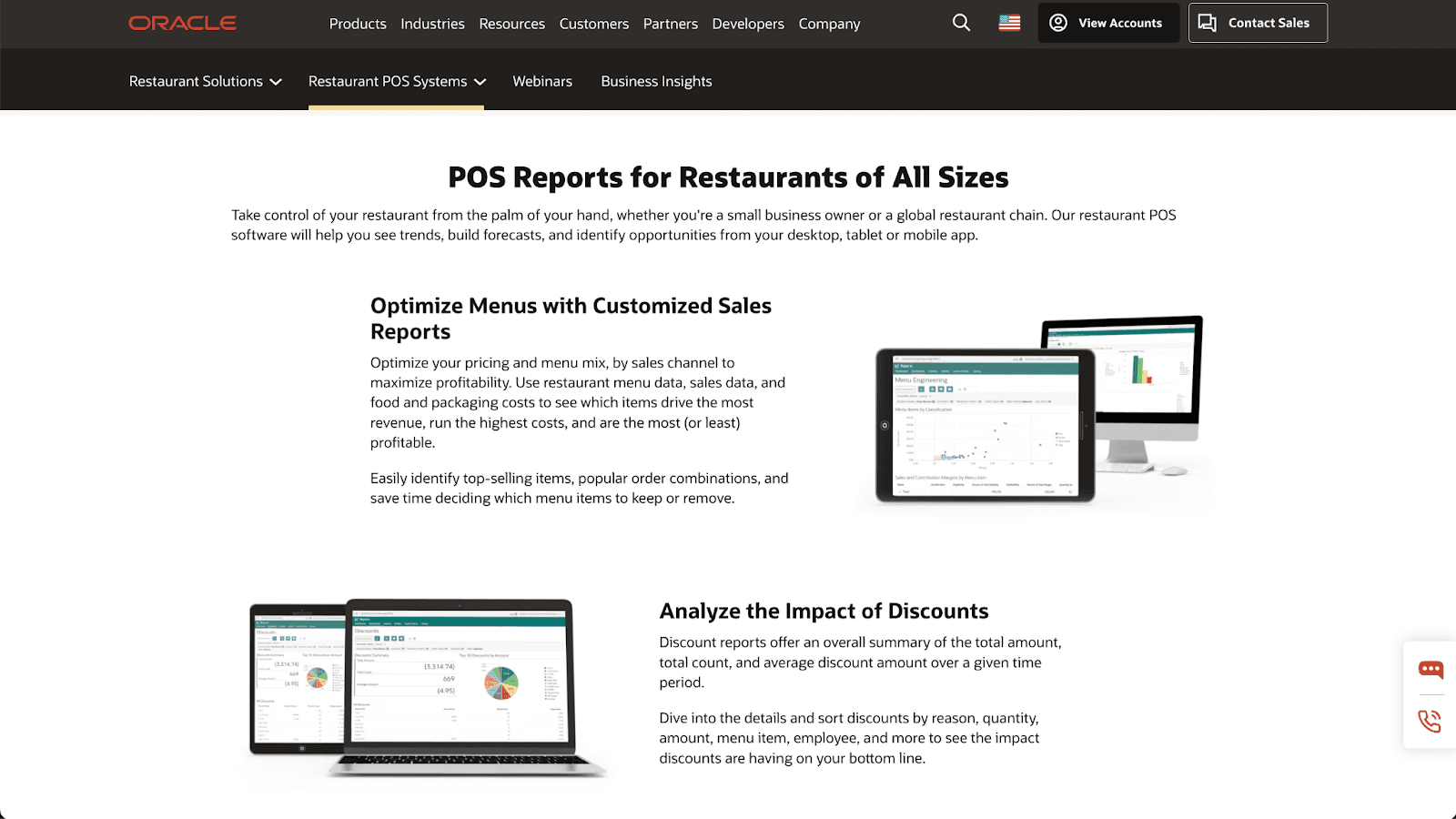
Oracle Food & Beverage (MICROS) is an enterprise-grade analytics solution built for large restaurant groups that require deep operational, financial, and revenue visibility across multiple brands and regions.
Key features:
Enterprise-wide sales and revenue dashboards
Cross-location performance benchmarking
Advanced financial and operational reporting
Data visualization and customizable executive dashboards
Integration with Oracle MICROS POS and back-office systems
Forecasting and trend analysis at scale
Pricing: Custom enterprise pricing based on deployment size and Oracle ecosystem integration. It's typically positioned for large multi-unit and global restaurant operators.
10. Avero
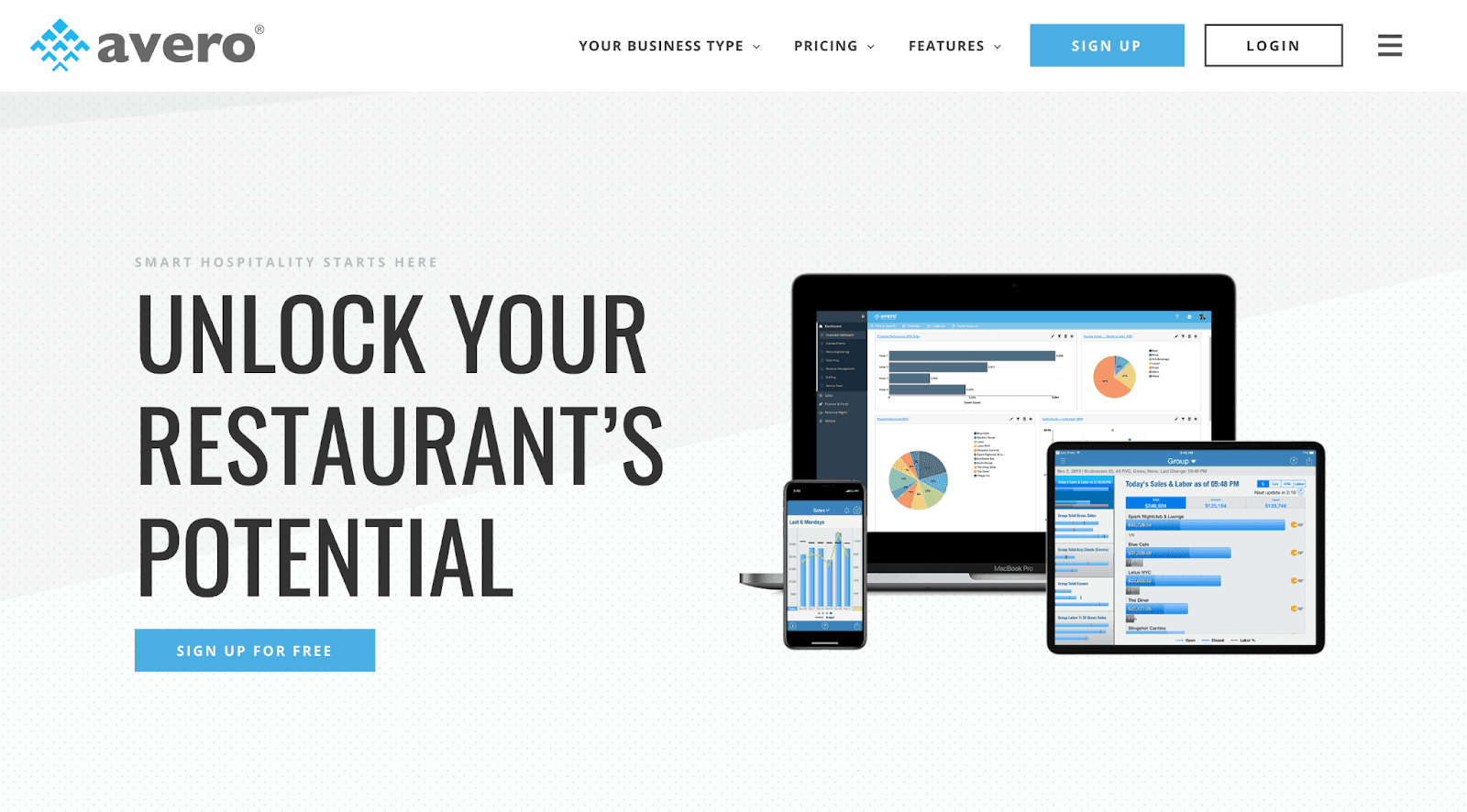
Avero Revenue Intelligence is a restaurant analytics platform focused on helping operators understand revenue performance at the shift, manager, and server level to drive accountability and profit growth.
Key features:
Detailed sales reporting by shift, server, and manager
Revenue and guest count trend analysis
Promotion and discount impact tracking
Server scorecards and performance benchmarking
Forecast vs actual revenue comparisons
Multi-location consolidated dashboards
Pricing: Custom pricing based on number of locations and reporting needs. Typically positioned for mid-sized to enterprise restaurant groups.
11. SafetyCulture
Category: Operational & Safety Analytics
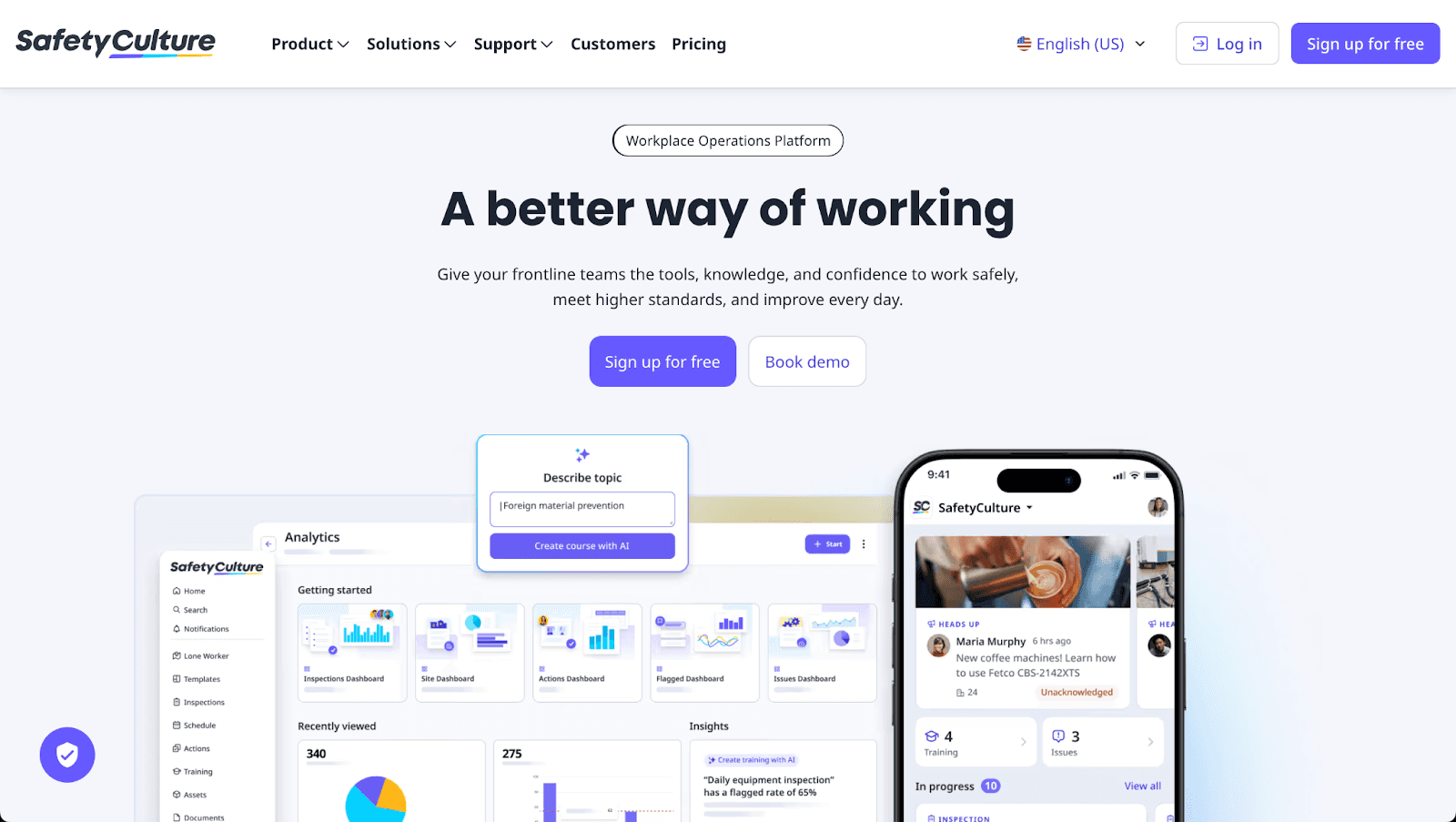
SafetyCulture is an inspection, compliance, and operational analytics platform that helps restaurants standardize processes, monitor safety and quality, and gain insights from audits, checklists, and corrective actions.
Key features:
Digital checklists and inspections (health, safety, hygiene, equipment)
Issue tracking and corrective action assignment
Real-time analytics on audit results and compliance trends
Customizable templates for operational procedures
Team communication and task reminders
Reporting dashboards highlighting risk and performance areas
Pricing: Subscription-based pricing that scales with the number of users and locations. Typically starts in the low hundreds per month for small teams, with enterprise plans available for larger multi-unit operators.
12. Otter Pulse
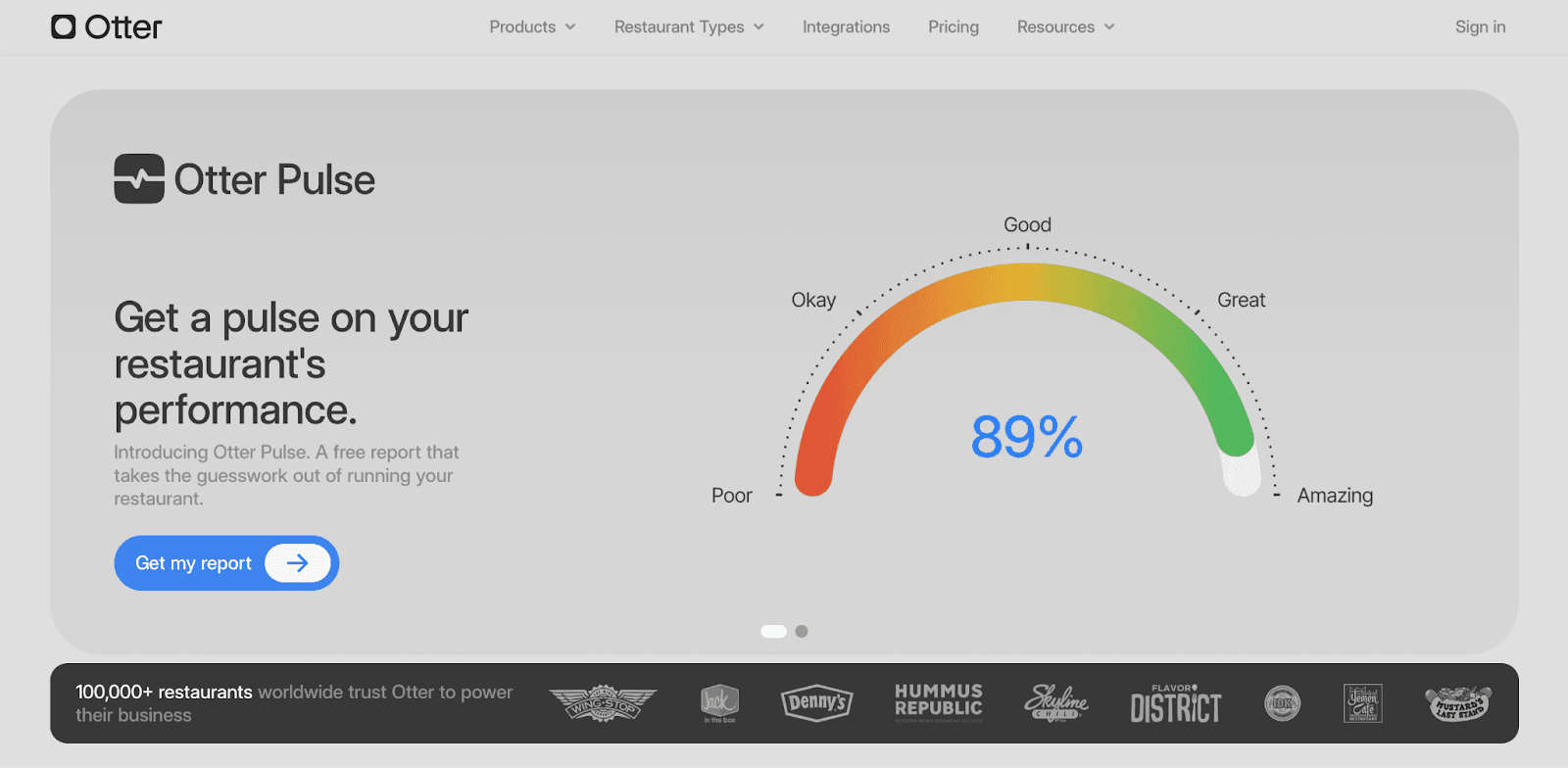
Category: Guest Feedback & Experience Analytics
Otter is a customer feedback and satisfaction analytics platform that helps restaurants measure guest sentiment in real time and turn feedback into actionable insights for improving service quality and overall experience.
Key features:
Collects guest feedback via QR codes, SMS, email, and web surveys
Net Promoter Score (NPS), Customer Satisfaction (CSAT), and text sentiment analysis
Guest journey insights tied to visit type, time, or location
Alerts for low scores and negative comments
Dashboard tracking trends over time
Integration with POS and reservation systems to link feedback with actual visits
Pricing: Custom pricing based on number of locations and feedback volume. Typically subscription-based with scalable tiers for independent restaurants through multi-unit operators.
How We Chose These Restaurant Analytics Tools?
We chose these restaurant analytics tools based on:
Areas of restaurant performance they can help measure and improve.
Types of restaurants each platform is designed for
Its reporting and analytics features
Integrations available
Pricing model
The goal was to include options for independent restaurants, growing restaurant groups, and large multi-location operators.
What Should These Restaurant Analytics Software Tell You?
Restaurant analytics software should turn your restaurant data into clear insights you can use to make better decisions.
Depending on the tool, you should be able to track metrics such as sales, menu performance, customer satisfaction, labor costs, inventory, and operational efficiency.
At a minimum, your analytics should help you answer questions like:
Which locations are performing best and which need attention?
Which menu items generate the most sales and profit?
When are your busiest and slowest periods?
Are labor costs in line with revenue?
How much food are you using or wasting?
Are customers satisfied with their experience?
Which areas of the operation are affecting revenue and profitability?
How To Choose Restaurant Analytics Software?
Start by identifying the areas of your restaurant that you want to measure. Some platforms focus on sales and revenue, while others specialize in labor, inventory, guest experience, or operational performance.
When comparing your options, consider:
Metrics you need: Make sure the software tracks the KPIs that matter most to your business.
Integrations: Check whether it connects with your POS, labor, inventory, reservation, and other systems.
Multi-location reporting: If you operate multiple locations, look for centralized dashboards and location-level comparisons.
Ease of use: Reports should be easy for managers and operators to understand and act on.
Forecasting: AI-powered forecasting can help predict sales, labor demand, and other performance trends.
Alerts and automation: Automated reports and alerts can help teams respond to problems faster.
Scalability: Choose software that can support your restaurant as you add locations or users.
Pricing: Compare the cost against the number of locations, users, integrations, and features you need.
How Much Does Restaurant Analytics Software Cost?
Restaurant analytics software can range from free tools to several hundred dollars per location each month, depending on the features, number of locations, and integrations you need.
Some platforms offer analytics as part of a POS or restaurant management system, while dedicated analytics platforms may charge separately.

For example, Tenzo starts at $75 per month and says customers typically pay around $175 to $250 per location per month. 7shifts also offers a free plan, while its paid plans range from $39.99 to $134.99 per location per month when billed annually.
For more comprehensive restaurant management and analytics, costs can be higher. Restaurant365's Professional plan is currently listed at $489 per location per month when billed annually, with additional costs for some workforce features.
In general, expect to pay:
Free: Basic scheduling or reporting for small restaurants
$40 to $100/month per location: Basic sales, labor, or operational analytics
$100 to $250/month per location: More advanced analytics, forecasting, and integrations
$250+/month per location: Comprehensive restaurant management and analytics platforms
Enterprise: Custom pricing based on locations, users, integrations, and data requirements
When comparing prices, look beyond the monthly subscription. POS integrations, hardware, payment processing, implementation, additional locations, and premium modules can all increase the total cost. Toast, for example, currently lists its core POS plan from $69/month, while hardware, additional devices, and add-ons can affect the final cost.
Frequently Asked Questions
What is the best restaurant analytics software?
Momos: Best for customer satisfaction and guest experience analytics.
Tenzo: Best for combining POS, labor, inventory, and reservation data.
Toast: Strong for POS-based sales and revenue reporting.
Restaurant365: Best for financial, food cost, and labor analytics.
Oracle Food & Beverage: Suited to large restaurant groups needing enterprise reporting.
What are the best profit analysis tools for mid-sized restaurants?
Restaurant365: Tracks COGS, inventory, accounting, and financial performance.
Tenzo: Combines sales, labor, inventory, and forecasting.
Toast: Connects sales analytics with inventory and labor data.
Momos: Useful for analyzing customer satisfaction and its relationship to restaurant performance.
What are the best real-time dashboards for monitoring reservations, occupancy, and revenue across multiple restaurants?
Tenzo: Strong for combining sales, labor, inventory, and reservation data.
Toast: Provides real-time sales and multi-location reporting.
Oracle Food & Beverage: Built for enterprise-wide reporting across brands and locations.
Momos: Useful for combining guest feedback and satisfaction data with POS and reservation data.
Which POS platform has the best restaurant reservation trend analytics?
Toast: Strong POS-based sales and performance reporting.
Momos: Better suited when you want to connect reservation data with guest satisfaction and feedback.
Tenzo: Useful for combining reservation data with broader operational metrics.
Who offers enterprise-level software for analyzing total restaurant costs?
Restaurant365: Strong for food costs, inventory, accounting, COGS, and consolidated reporting.
Oracle Food & Beverage: Designed for enterprise-level financial and operational reporting.
Tenzo: Useful for analyzing sales, labor, inventory, and forecasting across locations.
How do you choose the right cross-location analytics platform?
Look for software that can:
Integrate POS, reservations, labor, inventory, and customer data
Compare performance across locations
Track revenue, table activity, labor, and customer metrics
Provide centralized dashboards
Support automated reporting and forecasting
Scale as you add locations
Momos is worth considering when guest experience and customer data are important alongside operational performance. Tenzo and Restaurant365 are stronger fits for broader operational and financial analytics.
Which reservation data analytics solutions are worth investing in for multi-unit restaurant groups?
Tenzo: Good for combining reservation, sales, labor, and inventory data.
Momos: Useful for connecting reservation and guest feedback data with customer insights.
Toast: A practical option for groups already using its POS ecosystem.
Oracle Food & Beverage: Better suited to large enterprise groups.
Which revenue optimization platform delivers the best ROI for enterprise restaurant groups with 150+ units?
There is no single best option for every restaurant group.
Tenzo: Strong for sales forecasting and operational optimization.
Restaurant365: Better for controlling food, labor, and financial costs.
Oracle Food & Beverage: Suited to large-scale reporting and benchmarking.
Momos: More relevant when improving guest satisfaction and customer experience is a key revenue priority.
How much does enterprise restaurant reporting software cost?
Mid-market platforms: Often cost hundreds of dollars per location per month.
Enterprise platforms: Usually use custom pricing.
Restaurant365: Modular pricing based on the solutions selected.
Oracle Food & Beverage: Custom enterprise pricing.
Momos: Custom pricing based on locations and feedback volume.
What restaurant analytics platforms give the clearest view of guest lifetime value?
Momos: Strong option for customer satisfaction, feedback, and guest behavior analytics.
Tenzo: Better suited to operational and revenue performance.
Toast: Useful for analyzing sales and customer-related POS data.
Restaurant365: More focused on financial and operational performance.
For guest lifetime value specifically, look for a platform that combines visit frequency, spending, satisfaction, feedback, and repeat behavior, rather than relying only on sales data.
 AI agents automate all guest interactions, 24/7, across all locations of your restaurant.


" transform="translate(3.219 19.212)" width="152.45224485148515px"/><path d="M 0 11.619 C 7.071 11.39 33.491 21.738 40.35 21.268 C 38.499 18.19 37.116 14.915 35.507 11.625 C 33.7 7.867 32.587 3.926 31.702 0" fill="transparent" height="21.28391189647101px" id="I9fuJaf7q" stroke-dasharray="" stroke-linecap="round" stroke-linejoin="round" stroke-width="4.97" stroke="rgb(0, 0, 0)" transform="translate(139.727 55.754)" width="40.34950693069311px"/></svg>)