Restaurant Management: Definition, Trends, Best Practices
Written By: Vincent Nguyen

You've heard the saying: "If you make good food, people will come."
Yes, it's true, but sometimes good food is just the tip of the iceberg.
The restaurants that last aren't always the ones with the best chefs. They're the ones with the best operators.
There are so many moving parts that collectively contribute to a restaurant's success: service, guest experience, inventory, finance, and most importantly, restaurant management.
Restaurant management is the glue that holds everything together.
In this Restaurant Management 101 article, I’ll share with you:
Everything you need to know about managing a restaurant management to help you run a more profitable operation.
Key strategies and tactics to better manage a restaurant
AI-powered software that can simplify restaurant management
Let’s dive right in!
What is Restaurant Management?
Restaurant management is the day-to-day oversight and long-term stewardship of everything that makes a restaurant function: from the food on the plate to the people who serve it, the finances behind it, and the experience surrounding it.
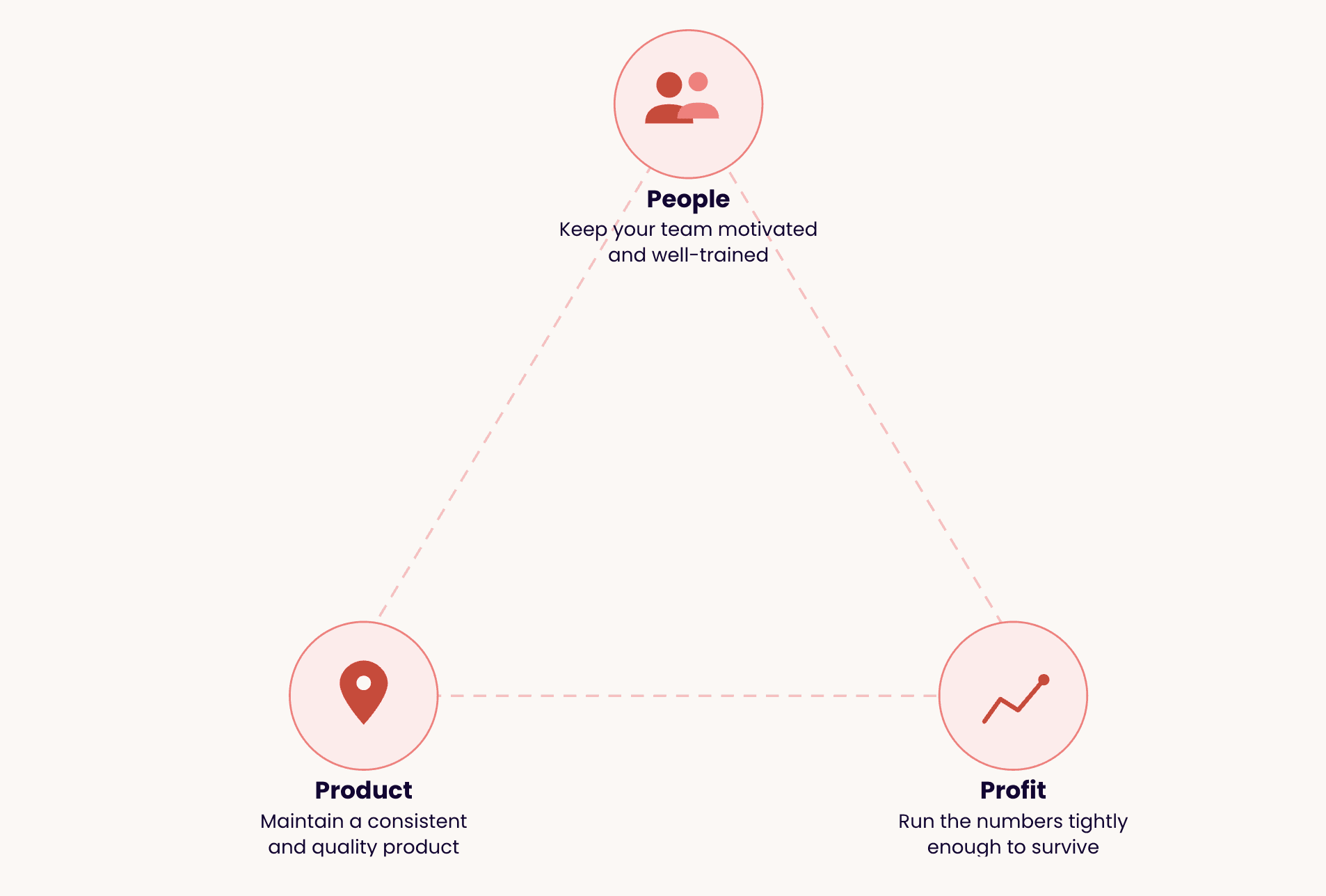
At its core, restaurant management is about three things:
People: Keep your team motivated and well-trained
Product: Maintain a consistent and quality product
Profit: Run the numbers tightly enough that the business actually survives.
Responsibilities of a Restaurant Manager
A restaurant manager has to take care of the end-to-end operations, which usually consists of 9 activities:
Explore further: 16 Best AI Agents For Restaurant Operations
Two Most Important Skills For Restaurant Managers
Yes, restaurant managers carry a wide range of responsibilities. However, from a higher-level perspective, everything ultimately comes down to two critical skills:
Manage systems
Develop people
But what does that actually mean? Let's deep-dive into each.
Manage systems
Managing Systems is about creating the infrastructure that allows the restaurant to run consistently and predictably, with or without the manager present.
A good system is what makes the world go round. Your job is to develop the system so that everyone in your team and organization (including you) has clear expectations of how things will unfold.
There are so many benefits to building systems:
Consistency: With systems, you ensure that guests get the same experience whether it's a Monday lunch or a Saturday dinner rush.
Scalability: A manager can only be in one place at a time. Systems allow the operation to run at the same standard across multiple shifts, multiple locations.
Speed: When processes are clearly defined, the team moves faster. Everyone knows what to do and when to do it.
Accountability: Systems create a visible standard. When something goes wrong, it's easy to identify whether the system wasn't followed or the system itself needs to be improved.
Here’s a basic framework of systems you need to build:
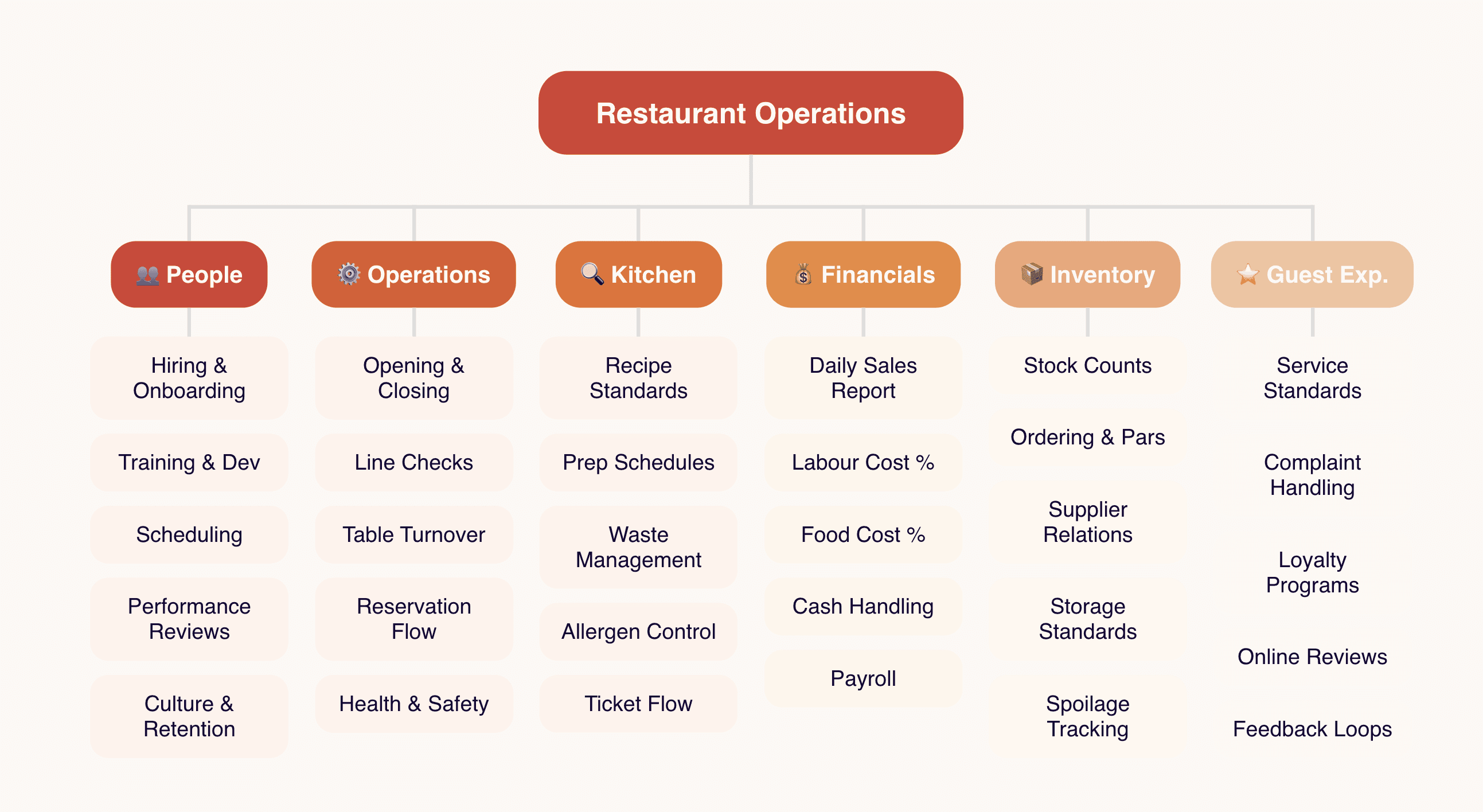
Develop people
Developing people is about building a team that is capable of working within the systems you've built and rise to the challenges the restaurant demands.
Your job as a restaurant manager is to invest in the people around you so that every individual understands their role, has the skills to perform it well, and feels valued enough to show up and give their best every shift.
As a restaurant manager, developing people means investing in:
Onboarding and training new hires effectively
Coaching employees in the moment
Setting clear performance expectations and following up on them
Recognizing and rewarding great work
Having honest conversations when standards aren't being met
Identifying high-potential team members and preparing them for more responsibility
Systems can be copied, but culture and talent have to be grown.
Daily Routine of a Restaurant Manager
Welcome to “A Day in the Life of a Restaurant Manager”:
5 Hard-earned Restaurant Management Best Practices
Lead by example
Your team watches everything you do. How you show up and how you handle pressure sets the standard for everyone else.
Good leadership also means treating your team with respect:
Treating every person with respect: How you treat your newest dishwasher speaks volumes to your entire team. Respect is not reserved for top performers; it's the baseline for everyone.
Doing the work, not just directing it: The best managers aren't afraid to jump on the line, run food, or clean a table when the situation calls for it. Nothing builds team trust faster than a manager who isn't above the work.
Being consistent: Your team needs to know what to expect from you. A manager who is energetic one day and disengaged the next creates uncertainty. Consistency in your behavior builds confidence in your leadership.
Master your numbers
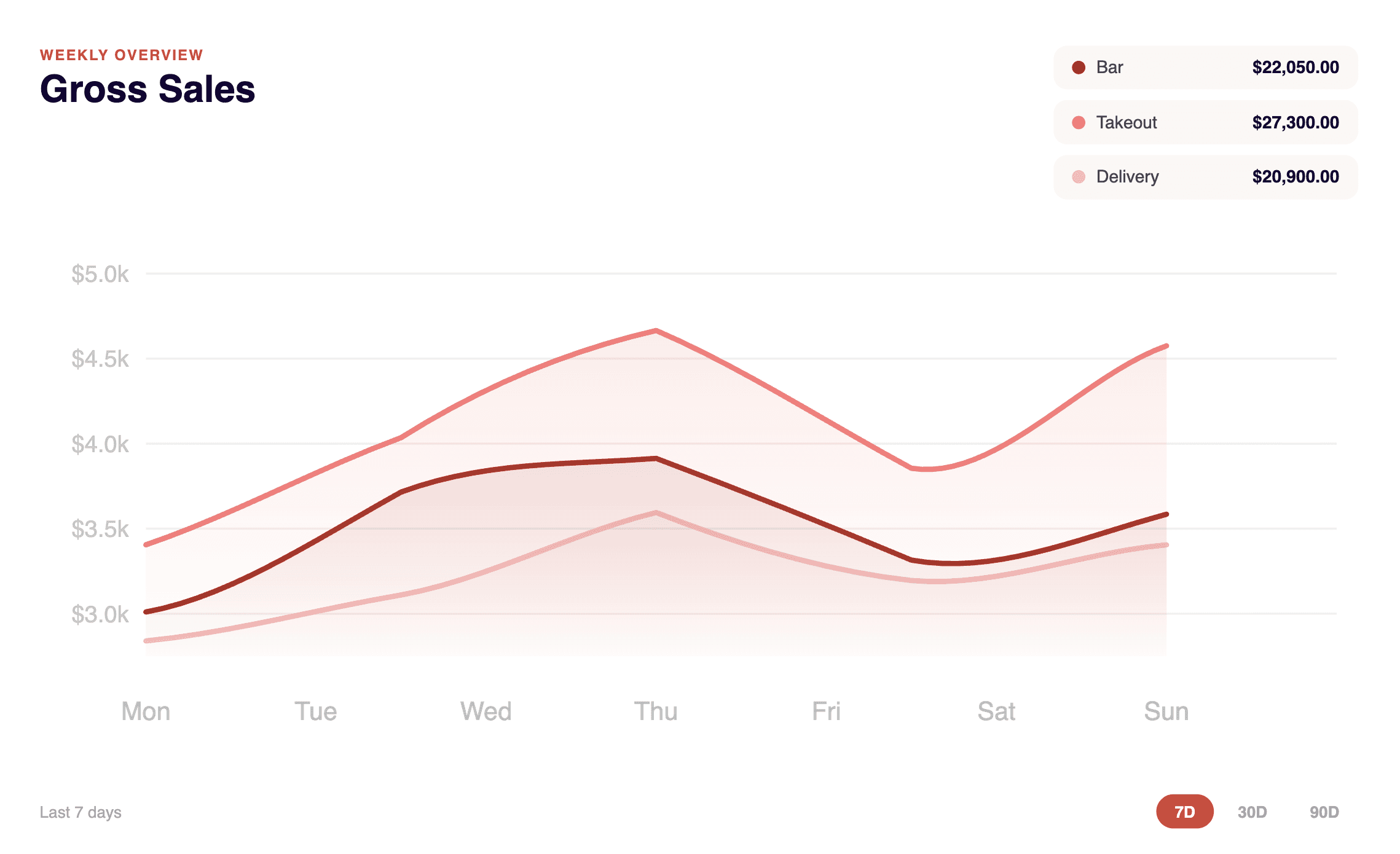
As a manager, you need to know your numbers. It's about building a system to collect restaurant intelligence, which helps you make more informed decisions.
The three most important metrics to keep a close eye on are:
Food Cost: What percentage of your revenue is being spent on ingredients? Small inefficiencies here add up fast.
Labor Cost: Are you overstaffing slow shifts or understaffing busy ones? Labor is typically one of the biggest expenses in any restaurant, and poor scheduling directly eats into your margins.
Daily Sales: Know what a good day looks like versus a bad one.
Here are 42 most important restaurant performance metrics that you should keep an eye on.
Of course, you'd also want a good restaurant analytics software to keep track of all those metrics more accurately.
Hire for attitude, train later
You can always coach someone on technical skills, but rarely their work ethic and their attitude.
When hiring, always look for someone that:
Show up ready
Take initiative
Care about the guest
Handle pressure well
Are coachable
Build systems before you need them
Proactively building systems means sitting down and asking: what needs to work perfectly in this restaurant, and do we have a clear process for it?
If the answer is no, that's where you start. Here are some advice:
Create checklists for recurring tasks: Opening procedures, closing procedures, prep lists, cleaning schedules. Checklists remove guesswork and ensure nothing gets skipped
Train before you need it: Cross-train employees on multiple roles so that a single absence doesn't derail the entire operation
Review regularly: A system that made sense six months ago may no longer fit your operation today. Schedule time to audit your processes and update them as the restaurant evolves
Develop your people
Every person on your team has different strengths and different motivations. The best managers take the time to notice these differences to lead accordingly.
Watch how they work: Are they confident on the floor but struggling in the kitchen? Do they have great guest interactions but fall behind during rushes? The details you pick up on the floor are more valuable than any formal review.
Recognize potential and act on it: If someone is ready for more responsibility, give it to them. Don't let talent sit idle because you haven't made the time to nurture it.
Address shortcomings with care: When someone is struggling, approach it as a coaching opportunity. Be honest, be specific, and give them a clear path to improve.
Multi-location Restaurant Management Best Practices
Managing one restaurant is already hard. Managing several is a real challenge.
Multi-location restaurant management is less about hospitality and more about building systems that deliver hospitality without you in the room.
Here are some good advice if you have to manage multi-site restaurants:
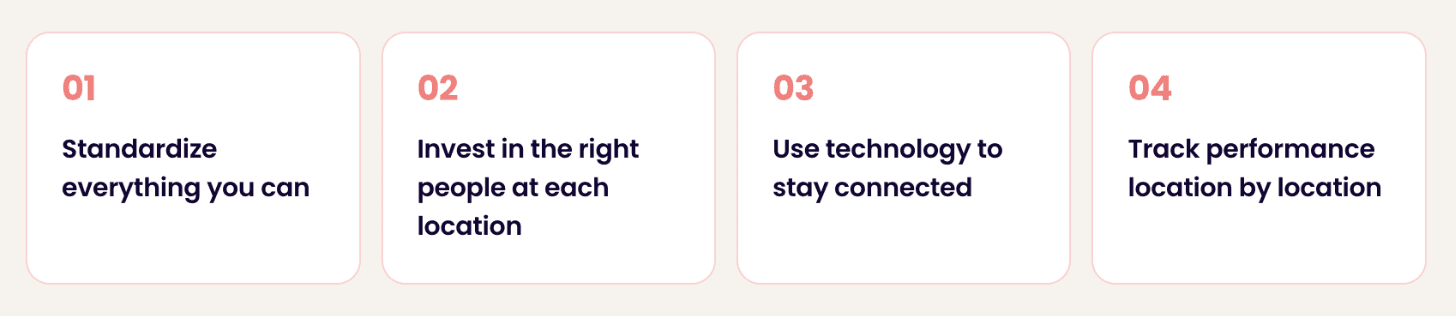
1. Standardize Everything You Can
Create systems, recipes, and processes that work identically across all locations. Consistency is what makes your brand trustworthy, and guests should have the same experience whether they visit location one or location five.
2. Invest In The Right People at Each Location
You can't be everywhere at once. Hire and develop strong general managers at each site who share your values and can make sound decisions independently. Your locations are only as good as the leaders running them.
3. Use Technology to Stay Connected
Lean on tools, because they are incredibly scalable. They also come with real-time data that lets you spot problems and opportunities without having to physically be present. Several key tools you should include in your tech stack are:
POS systems
Scheduling software
Inventory management software
Explore further:Best Restaurant Technologies to Grow Your Business
4. Track Performance Location by Location
Don't just look at the big picture. Monitor each location's sales, labor costs, and customer feedback individually. Knowing which location is thriving and which is struggling lets you act quickly before small problems become serious ones.
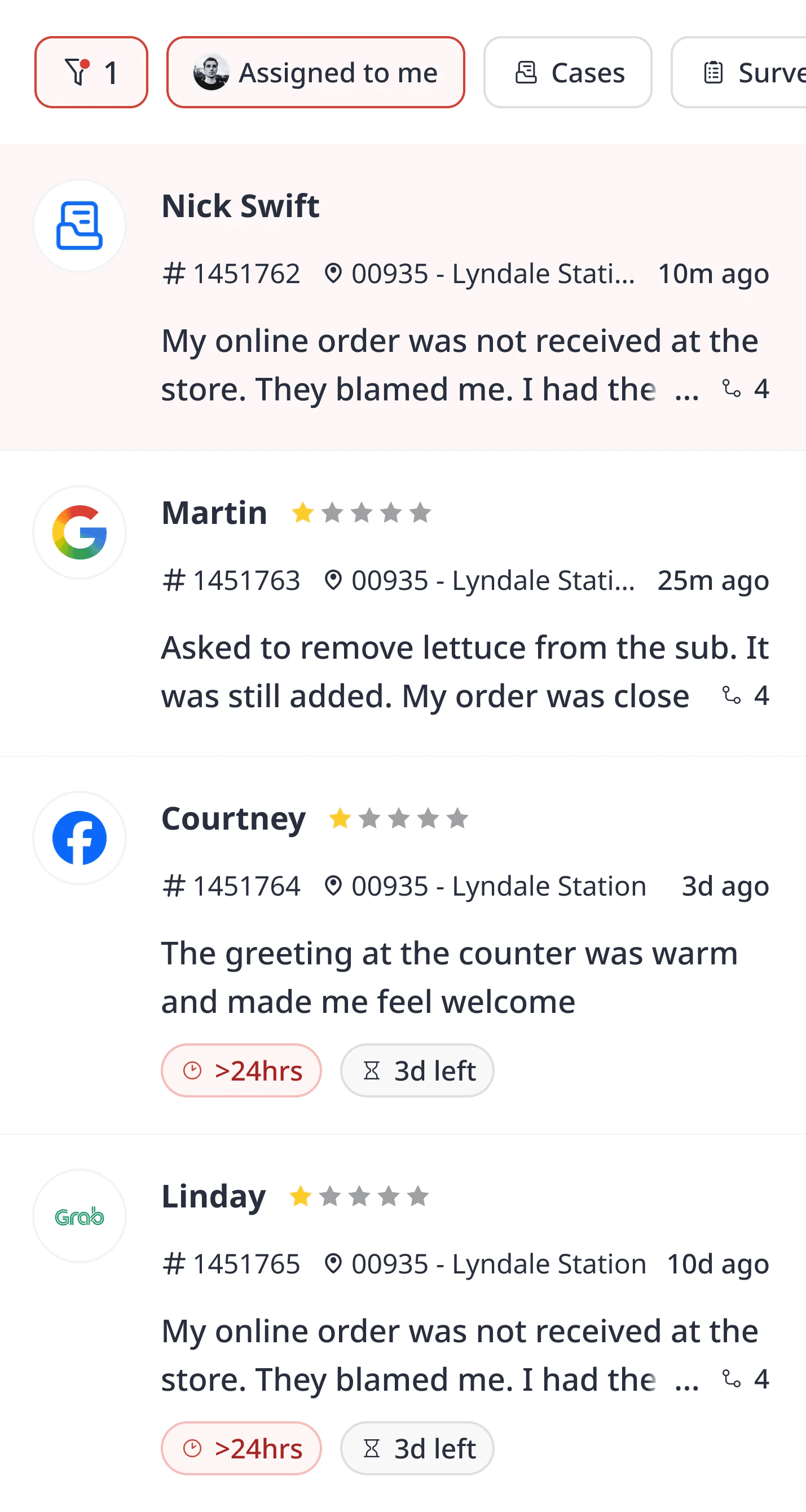
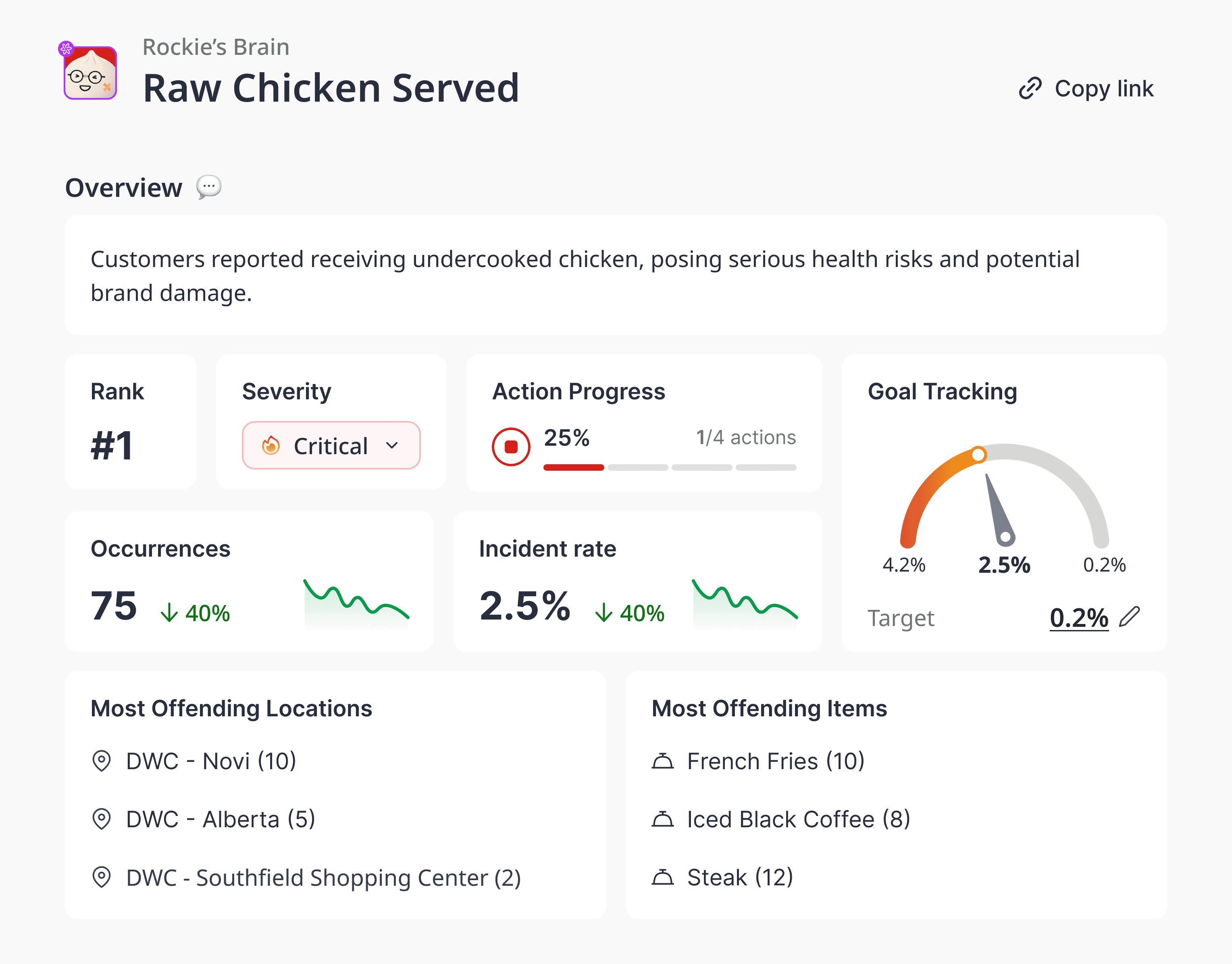
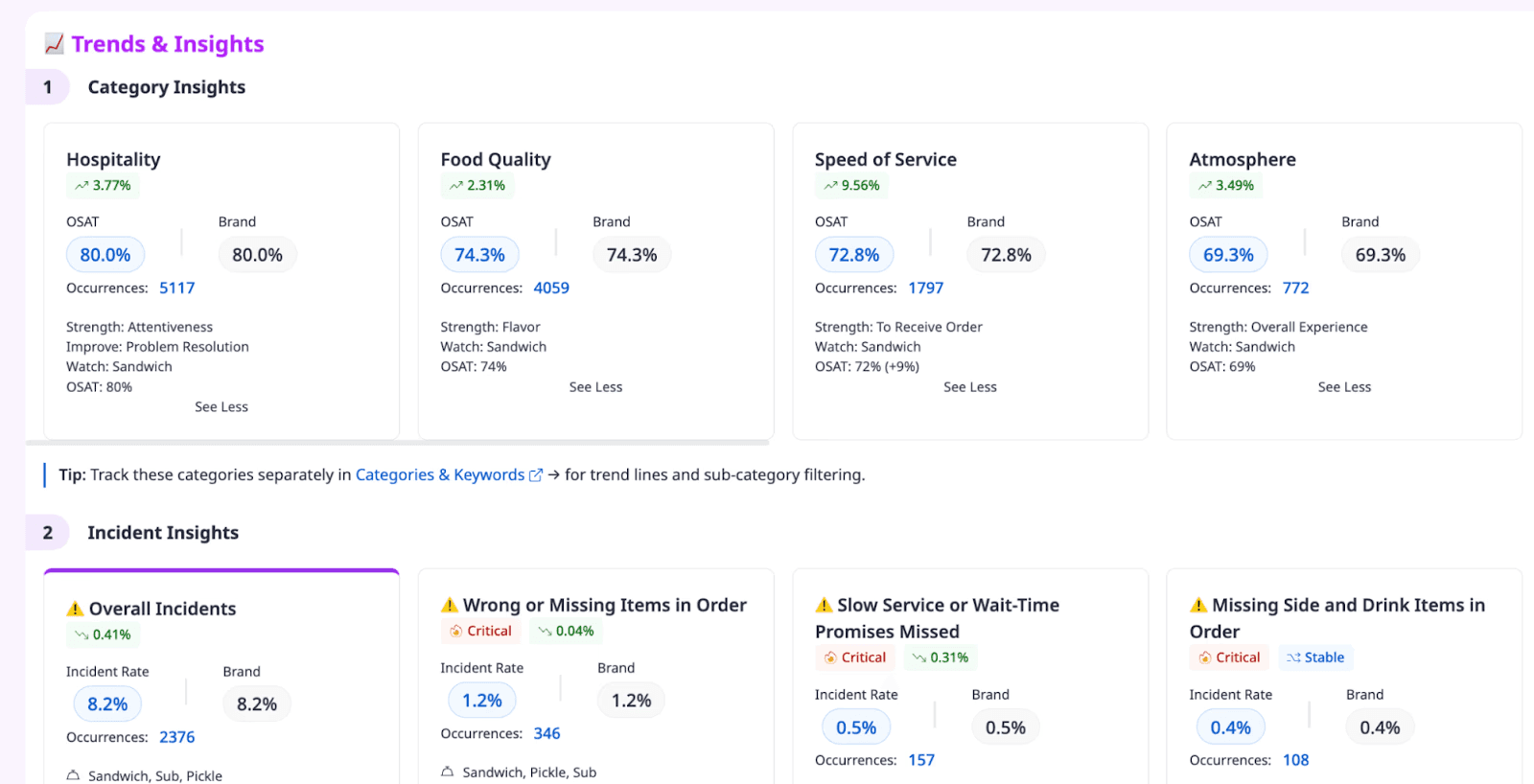
For example, in Momos, the leading reputation management software for multi-location restaurants, you can unify guest feedback in one place, and AI can surface location-specific guest satisfaction insights for you to have a comprehensive understanding of how each store is doing:
Top Tools and Software To Help You Manage Restaurants
Digital systems are constantly changing and updating, so this is one area where you'll need to learn and adjust on the job.
There are far too many possible systems to list out in full, but here's an overview of common tools and technologies used in restaurant operations.
Here are the most popular types of software you’d need to run your restaurant smoothly:
Point of Sale (POS): Your POS system handles every transaction, processes orders, and tracks sales data in real time. It is the central nervous system of your restaurant and the one piece of technology that everything else connects to.
Online Ordering & Delivery: Online ordering platforms let guests place orders remotely through your website, app, or third-party delivery channels. For many restaurants, this is now responsible for a significant and growing share of total revenue.
Kitchen Display System (KDS): A KDS replaces paper tickets with a digital screen that displays orders in real time as they come in. It keeps the kitchen organized, reduces miscommunication, and helps the team maintain speed and accuracy during peak hours.
Inventory & Supply Chain: Inventory management software tracks your stock levels, automates vendor ordering, and helps you control waste. Getting this right has a direct impact on your food cost, which is one of the biggest line items on your P&L.
Reputation & Guest Experience: Reputation management tools aggregate your reviews from Google, Yelp, TripAdvisor, and other platforms into one place. They help you monitor what guests are saying, respond quickly, and turn feedback into actionable improvements across your locations.
CRM & Loyalty: CRM and loyalty platforms help you build guest profiles, run targeted campaigns, and create rewards programs that give people a reason to come back. They turn one-time visitors into repeat customers and repeat customers into advocates.
Back-Office Operations: Back-office tools cover scheduling, payroll, accounting, and HR. They are not glamorous, but they are essential. Without them, the administrative side of running a restaurant quickly becomes overwhelming and error-prone.
And in each of those categories, there are always the market leaders that brands trust:
Restaurant Manager Salaries in 2026
A quick research shows the average annual salary of restaurant managers falls into the $57K - $62K range:
Career Path For Restaurant Managers
No two paths look the same, but the best restaurant managers are the ones that have worked nearly every position in the building.
Entry level roles teach the fundamentals of restaurant operation, how guests experience the restaurant, how the kitchen operates, and how the front and back-of-house have to work together. The soft skills learned here follow you for the rest of your career.
Mid-level management is where you start leading. As a bar or service manager, you're building schedules and managing small teams, all while staying close to daily service. It's the bridge between doing the work and overseeing it.
Upper management (general manager, director of operations, or owner) is where the full weight of the restaurant lands on your shoulders. Every decision is ultimately your responsibility. It's the hardest job in the building, and the most rewarding.
Manage your restaurant reputation with Momos
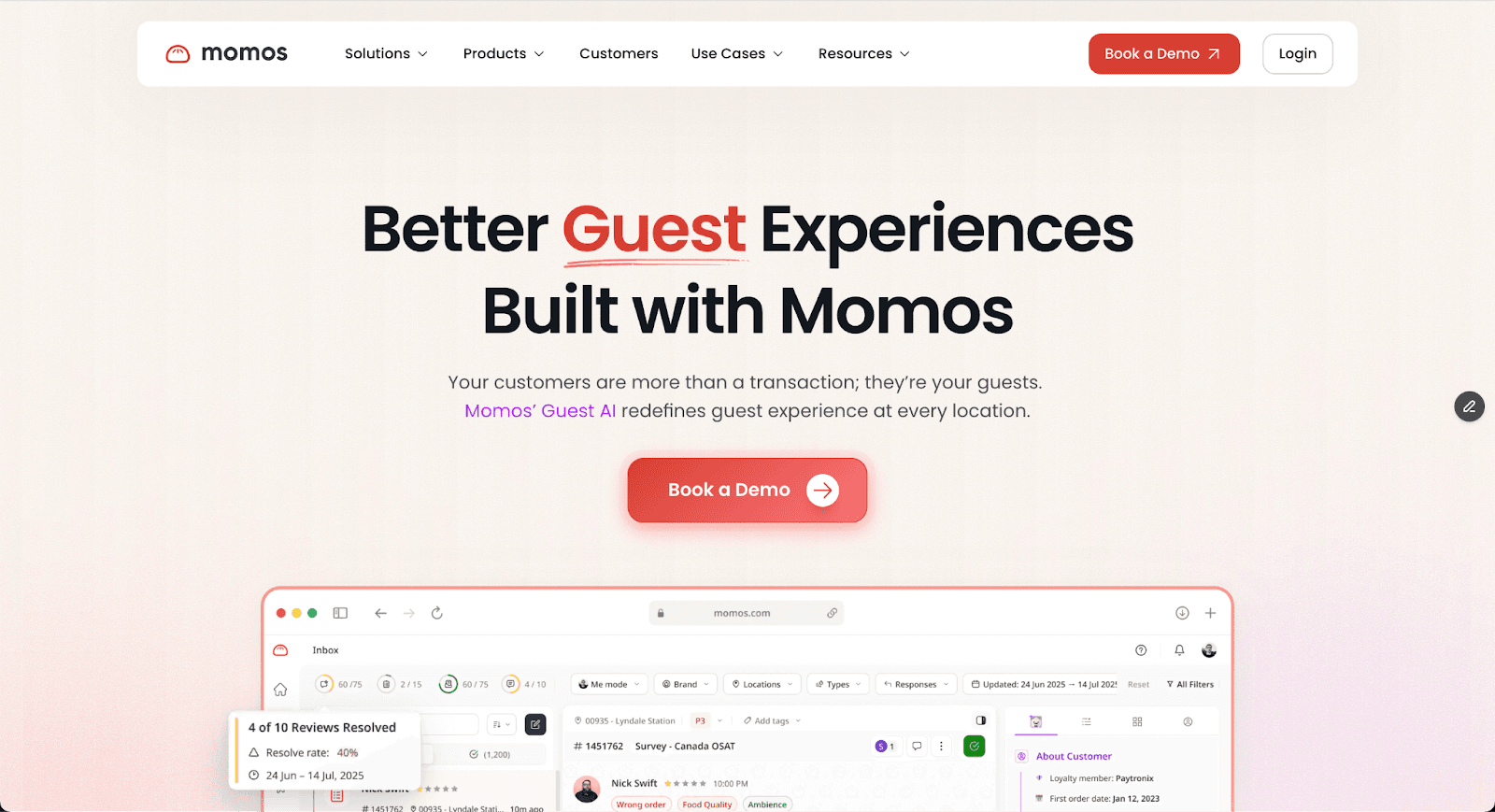
Your restaurant's reputation lives online now. Guests check reviews before they ever walk through your door. What they read on Google, Yelp, and TripAdvisor shapes their decision before you've had a chance to make a first impression.
With Momos, managers spend less time chasing feedback and more time acting on it. They turn guest sentiment into real improvements that show up in your ratings over time.
And so much more can be done with Momos:

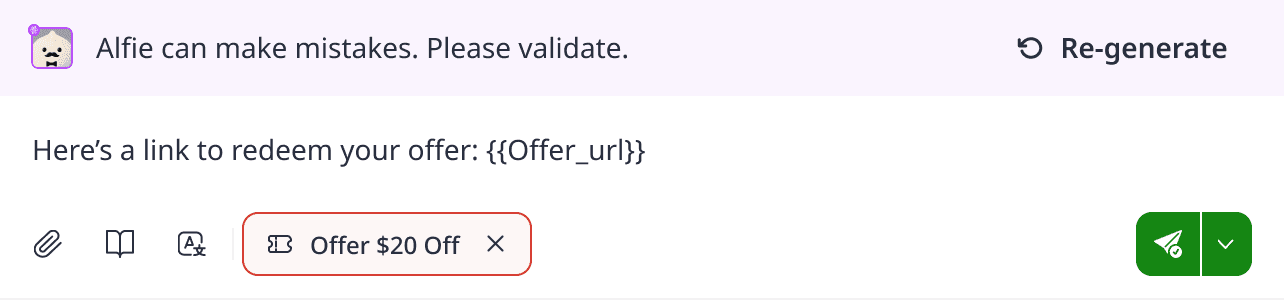
 AI agents automate all guest interactions, 24/7, across all locations of your restaurant.


" transform="translate(3.219 19.212)" width="152.45224485148515px"/><path d="M 0 11.619 C 7.071 11.39 33.491 21.738 40.35 21.268 C 38.499 18.19 37.116 14.915 35.507 11.625 C 33.7 7.867 32.587 3.926 31.702 0" fill="transparent" height="21.28391189647101px" id="I9fuJaf7q" stroke-dasharray="" stroke-linecap="round" stroke-linejoin="round" stroke-width="4.97" stroke="rgb(0, 0, 0)" transform="translate(139.727 55.754)" width="40.34950693069311px"/></svg>)