クチコミ返信におすすめのAIツール12選(2026年最新版)
執筆者:ヴィンセント・グエン

⟦embed:keyTakeaways⟧
If you're running a local business, you probably know the tremendous value of staying on top of customer reviews.
In fact, according to a research from Momos in the F&B industry, restaurants who reply to reviews consistently tend to see higher revenue.
That's an opportunity no one can afford to ignore.
It's easy to reply to every review when you're just a small store. However, as a multi-location business or a franchise, the volume of reviews grow exponentially. It's hard to keep up with that volume
That's exactly where an AI review response tool shines through.
12 AI Tools To Respond To Reviews
Online review is generally text-based and follows a highly templated format. That's the exact kind of work that AI can take over without you worrying about quality compromises.
An AI tool is:
Consistent in its output
Able to pick up your guest's sentiment to draft responses accordingly
Always diplomatic
Available 24/7
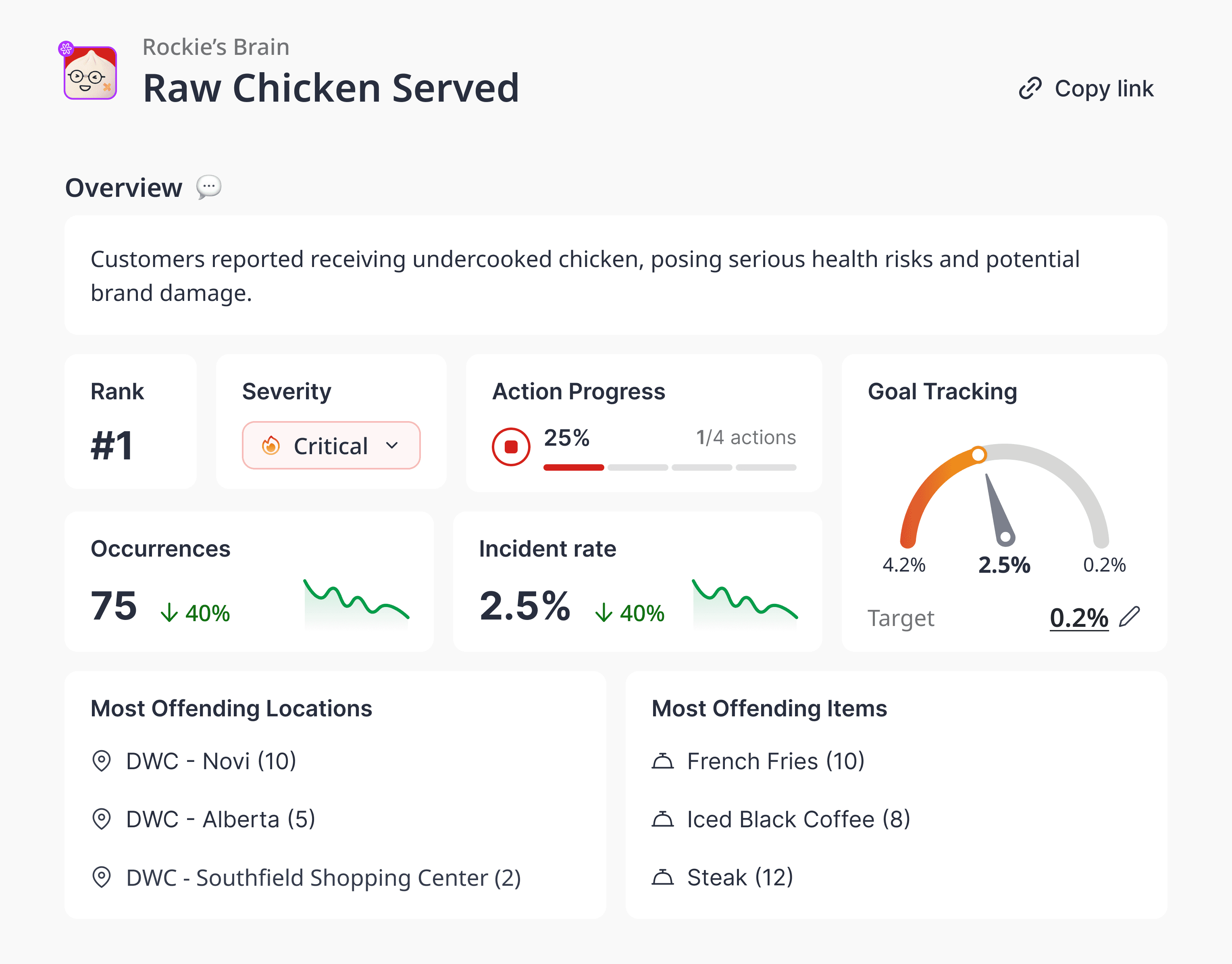
And it can even look at all of the reviews as a whole to analyze what's wrong with your restaurant that needs immediate attention. As you may know, customer reviews and complaints almost always point to some issues that you can fix.
With that being said, here is my recommendation list of the 12 best AI for you to respond to guest reviews more efficiently:
⟦embed:aI1h4IA9L⟧
1. Momos

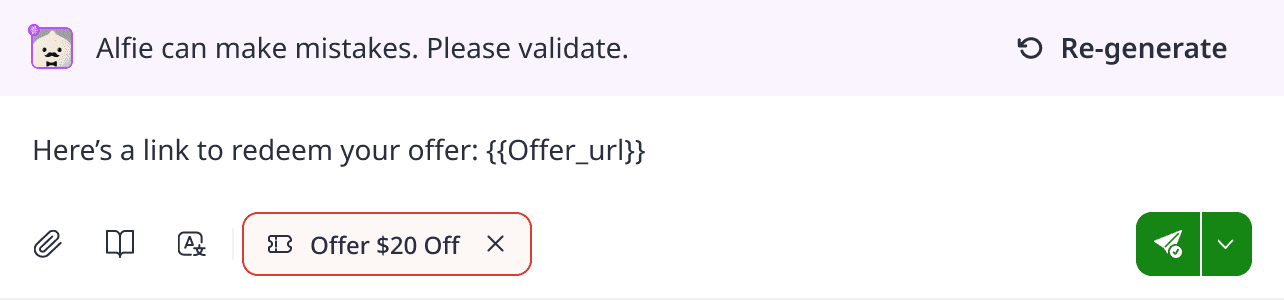
Momos answers restaurant reviews with an AI agent called Alfie, built for brands that run many stores. Alfie writes and posts a reply for each location in your house style, and it can follow up with a recovery offer when the reviewer had a poor visit.
Replies are one part of a wider guest experience platform, and the Momos team trains Alfie on your brand voice, menu and FAQs before launch. Lee's Famous Recipe Chicken, with 130 locations, raised its review response rate from 77.8% to 96.5% after moving to Momos in early 2025.
Key features
Fast answers: Alfie responds to each review quickly, so a regular gets thanked and an upset guest hears back while the visit is still fresh.
Knows the guest: Visit history, spend and loyalty data help Alfie recognize high-value guests and shape what it says to them.
Your brand rules: AI brand guidelines, added in 2025, keep every response within the tone, wording and escalation rules you set.
Make it right in the thread: A reply to a disappointed reviewer can include points, a coupon or an offer, sent through your loyalty program.
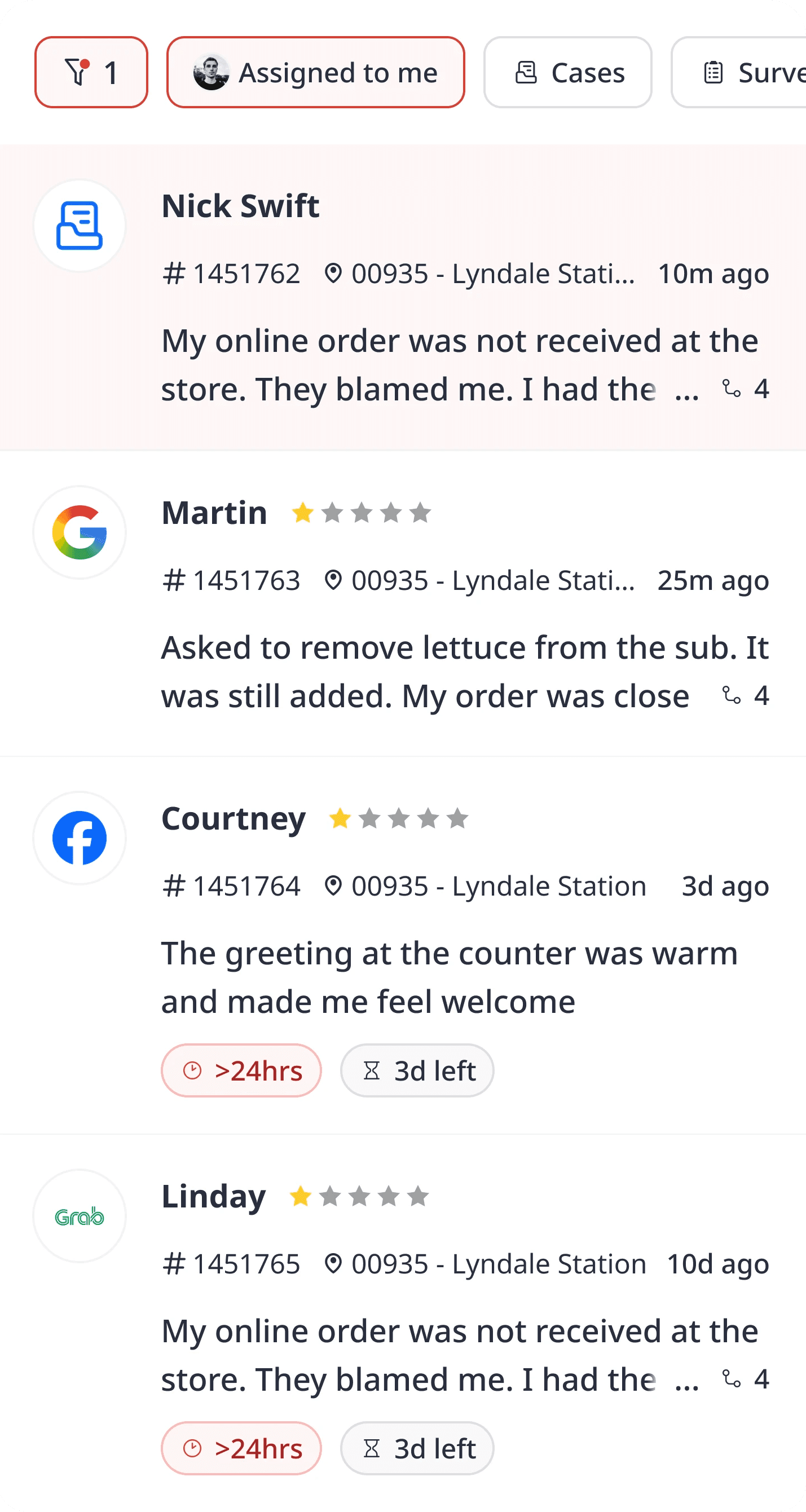
Human handoff: A review that needs a manager reaches them with the guest's past visits and a proposed reply attached.
Localized replies: Built-in translation answers a visitor who reviewed you in another language.
Pros
Publishes on its own: After you approve its answers at launch, Alfie posts replies itself, which keeps every store's response rate up.
Reaches past reviews: The same agent handles social DMs, surveys, delivery apps, website chat and in-app support.
Ongoing tuning: An onboarding specialist sets Alfie up, and customer success keeps refining its output afterward.
Proven at volume: Papa Murphy's has 97.7% of its review replies automated across more than 1,000 stores.
Cons
No list prices: You book a demo to get a quote, with no self-serve trial.
Sized for chains: A one-location restaurant or a business outside hospitality may find it more than it needs.
A week to launch: Training and sign-off with the Momos team come first, so automatic replies don't start on day one.
Price and plans
Momos doesn't publish prices; you get a custom quote after a demo.
⟦embed:Ouf06XoV8⟧
2. Birdeye
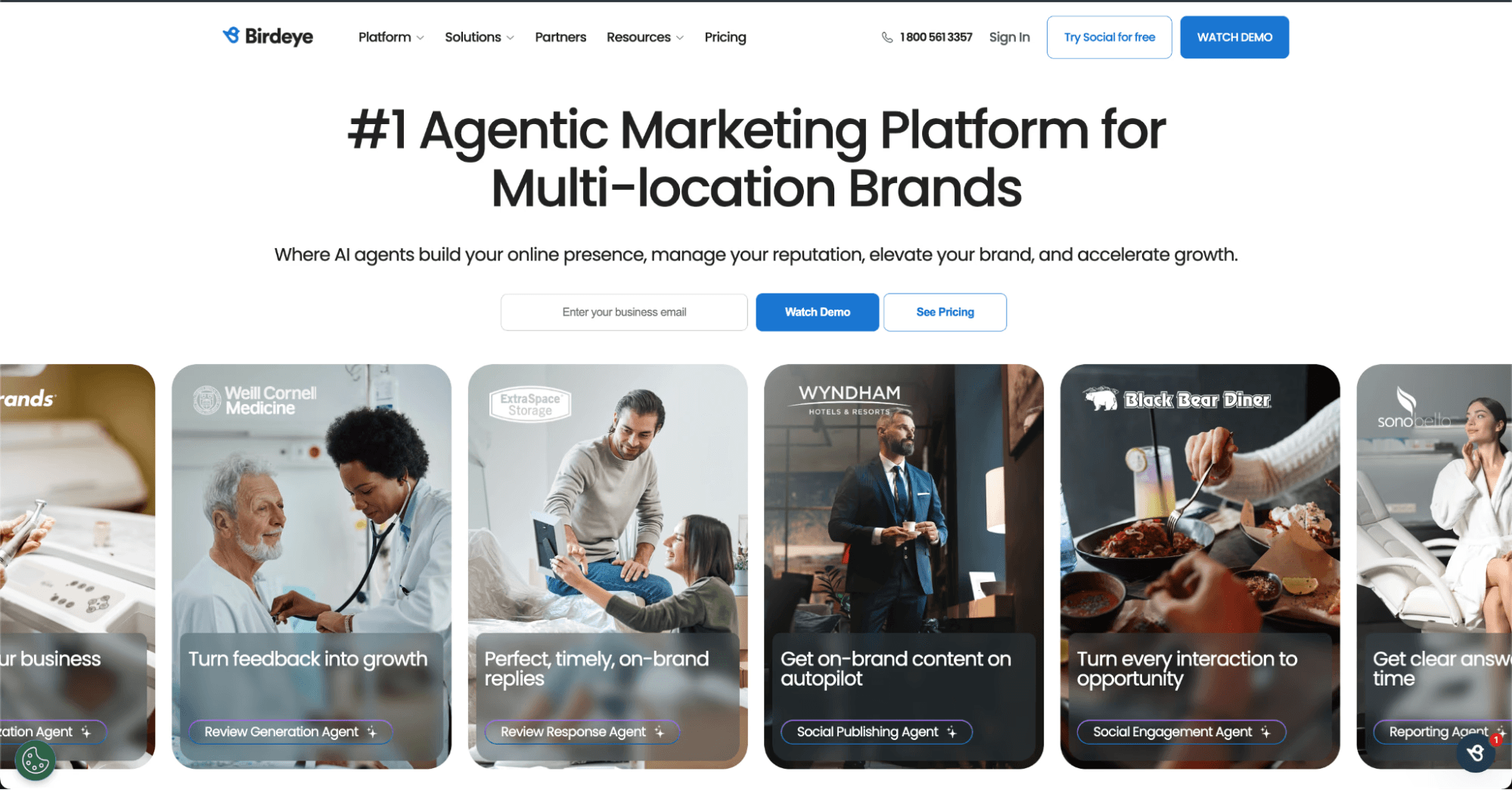
Birdeye is a marketing and reputation suite for chains and franchise groups, where review management shares one login with listings, messaging, social and surveys. When a review comes in, its AI can write a reply in your brand voice for a manager to check, or an agent can answer and post it without waiting.
Restaurants get their own version. Birdeye released it in January 2025 with models trained on restaurant data and Yelp monitoring through a partnership with Yelp, so feedback from diners on Yelp is watched alongside Google.
Key features
Two reply modes: Choose AI drafts that a person approves, or let Birdeye's agents handle responses end to end once your voice is set.
Negative review routing: Alerts and tickets send a poor rating straight to the manager of the store it mentions, so the reply comes from someone who knows what happened.
Requests after a visit: Text and email invitations ask guests to leave a rating, giving you more recent reviews to answer.
Listings with menus: Directory details stay current, and restaurants on SkyTab or Uber Eats can sync menu details to their listings.
Insights AI: Review sentiment is reported by location, district and region, so you can tell which stores draw the most complaints.
Pros
Replies at volume: Agents keep pace when dozens of locations collect reviews over a busy weekend.
Beyond reply drafting: Since View 2025, more than 10 agents have worked across reviews, listings, social and surveys.
Reviews and messages together: Texts, webchat, social messages and email land in the same platform as reviews, so one team can answer both.
User rating: Reviewers on G2 give Birdeye 4.7 out of 5.
Cons
Quote only: No price list is public; Birdeye prices by what you deploy across your locations.
Broad purchase: If you only want AI review responses, you're buying into a wide platform built for multi-location brands.
Price and plans
Birdeye keeps its prices private. You share your number of locations on its pricing page and get a custom quote.
3. Marqii
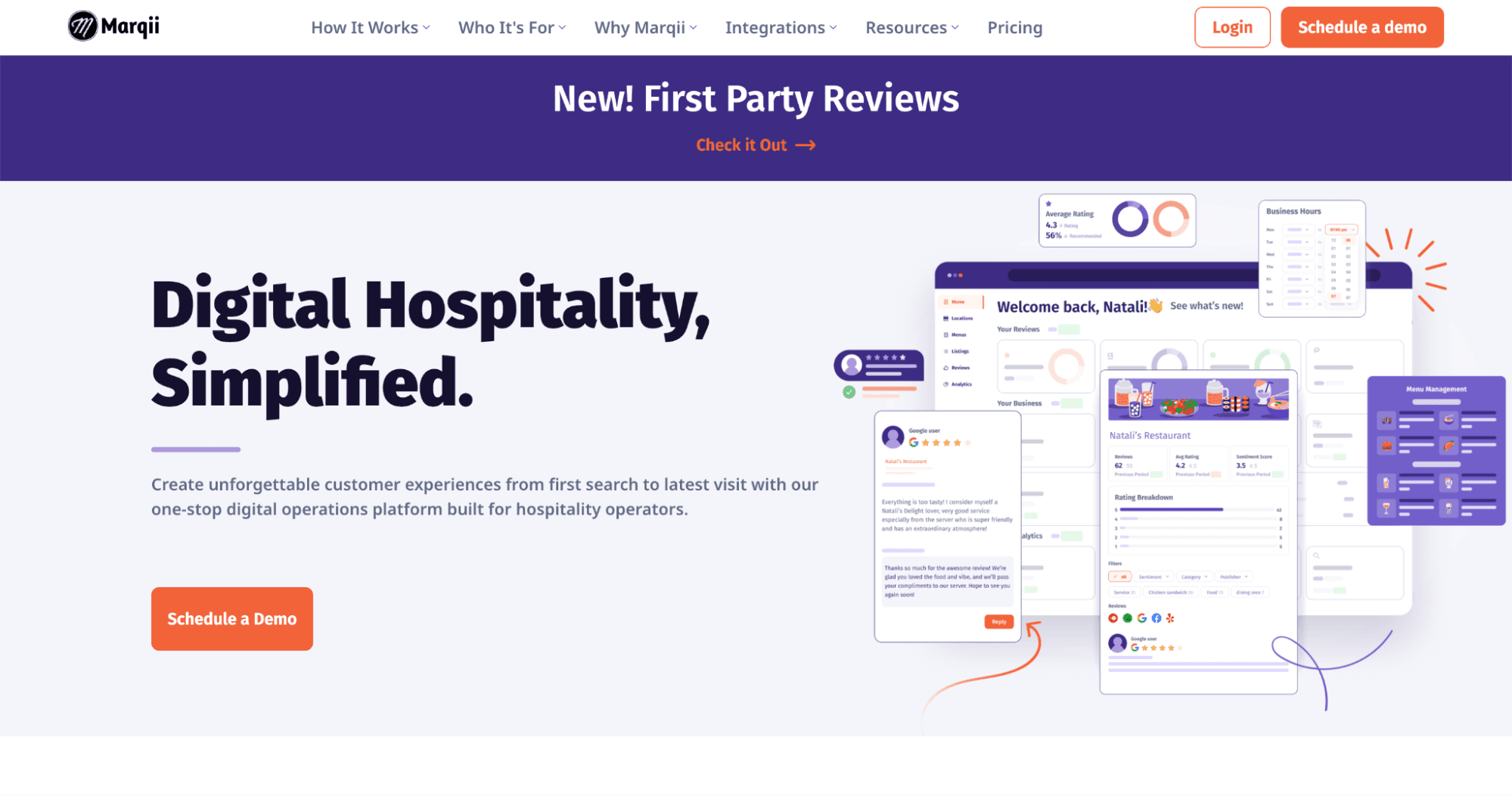
Marqii is a digital operations platform for restaurants that keeps menus, listings, reviews and social posts up to date from one dashboard. For review replies it offers two routes: AI drafts that your managers approve, and a done-for-you service in which Marqii's own team writes the responses.
Check where your guests leave reviews first: Marqii also monitors delivery and catering apps, and it posts replies on Google, Yelp and Facebook.
Key features
Suggested Review Response: One click creates a personalized draft, shaped by the prompts and tone settings you define for positive, neutral and negative reviews.
Managed Review Response: Brands that get more than 50 reviews a month can hand replies to Marqii's team, which also escalates critical reviews straight to you.
AI review summaries: Sentiment analysis and short summaries show what guests repeat across your locations.
Review Generation: Guests who order through a Marqii partner receive a text with a direct review link, which brings in fresh reviews to answer.
POS menu sync: Menu edits made in your POS reach Google, Yelp, Facebook and Apple Maps, which heads off complaints about dishes you no longer serve.
Pros
A person signs off: Marqii describes its drafts as "suggested by AI, approved by you," so a manager reviews each AI reply before it posts.
Room to scale: You can start with AI drafts and move your busiest locations to the managed service later, which is priced per review.
Restaurant focus: The reply tool is designed for restaurants, and DoorDash, Grubhub and ezCater ratings show up beside your Google reviews.
Published prices: Every plan and add-on has a price on Marqii's website.
Cons
Replies on three sites: Responses go out on Google, Yelp and Facebook only, while reviews on delivery and catering apps stay read-only.
AI drafts start on Scale: Suggested replies come with the Scale plan at $180 per location, per month.
No free trial: You can book a free demo instead, and plans run on a yearly contract.
Price and plans
Marqii doesn't offer a free trial or free plan; you can book a free demo. Plans are priced per location, per month, on an annual contract, and managed replies cost extra, from $100 a month for 50 reviews.
Base: $90 per location, per month (listings and menus).
Growth: $145 per location, per month (adds review monitoring and replies).
Scale: $180 per location, per month (adds AI-suggested replies, review generation and social).
Marqii Package: $250 per location, per month (adds Host location pages).
4. Reputation
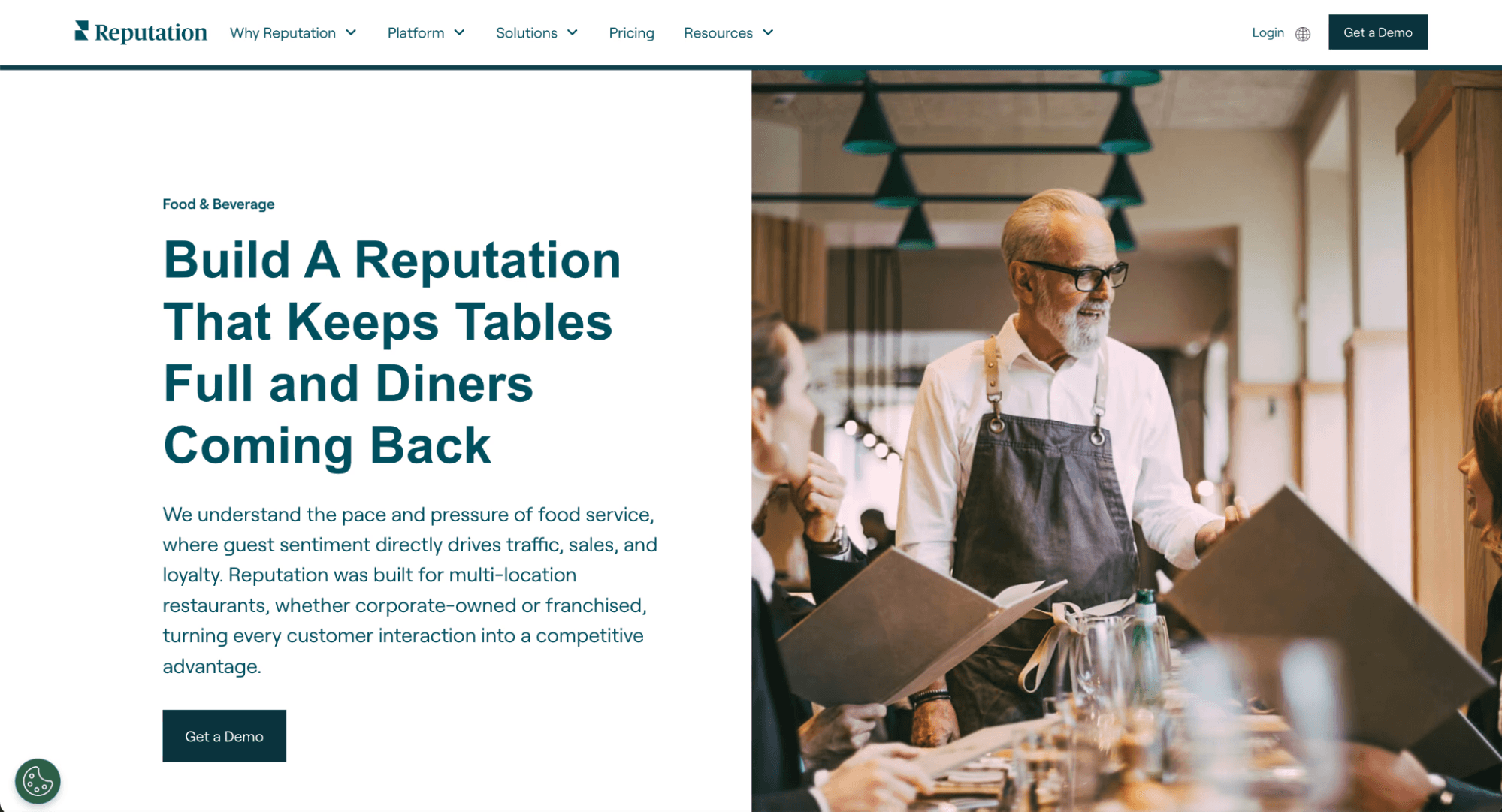
Reputation, formerly Reputation.com, is an enterprise reputation and customer experience platform for multi-location brands. Every plan includes review management with AI responding, and higher tiers add surveys, sentiment analytics and tools that track how AI search engines describe you.
For a restaurant group, the draw is answering reviews for every location from one queue while new review requests go out automatically after orders. Tortilla and Mitchells & Butlers are among its hospitality customers.
Key features
AI responding: Rep Core, the entry plan, covers review collection, review requests and AI-drafted responses.
Shared review queue: Feedback from Google, Yelp, Facebook, Tripadvisor and more reaches one inbox your managers work through together.
Order-triggered requests: Invitations by text, email or QR code go out after a dine-in check, delivery order or POS event.
Theme analytics: Sentiment and text analysis group comments into topics like cleanliness and service, which shows what moves your ratings.
Reputation IQ: Launched in May 2026, it answers questions you type about your feedback without a custom report.
Pros
Published prices: Plans start at $80 per location per month, so you can estimate costs before a sales call.
Requests and replies in one place: The same system that asks guests for reviews also drafts the answers.
AI search tracking: AI Reputation Manager shows how ChatGPT, Gemini and Perplexity present your brand to people asking where to eat.
Strong user rating: Reputation holds a 4.5 out of 5 on G2 across 2,470 reviews.
Cons
Cost per location: At $80 to $150 per location per month, the bill grows quickly for a large group.
Extras cost more: Social tools, actions and ticketing, competitive insights and premium integrations are add-ons without a published price.
No free trial: The pricing page has no trial; you request a demo instead.
Price and plans
Reputation publishes its prices per location, per month, and quotes Enterprise plans separately.
Rep Core: $80 per location, per month.
Rep Core + Pulse: $115 per location, per month.
Rep Core + Surveys: $150 per location, per month.
Enterprise: Custom pricing for 125+ locations.
⟦embed:bnAlfieQuiz⟧
5. Praising.ai
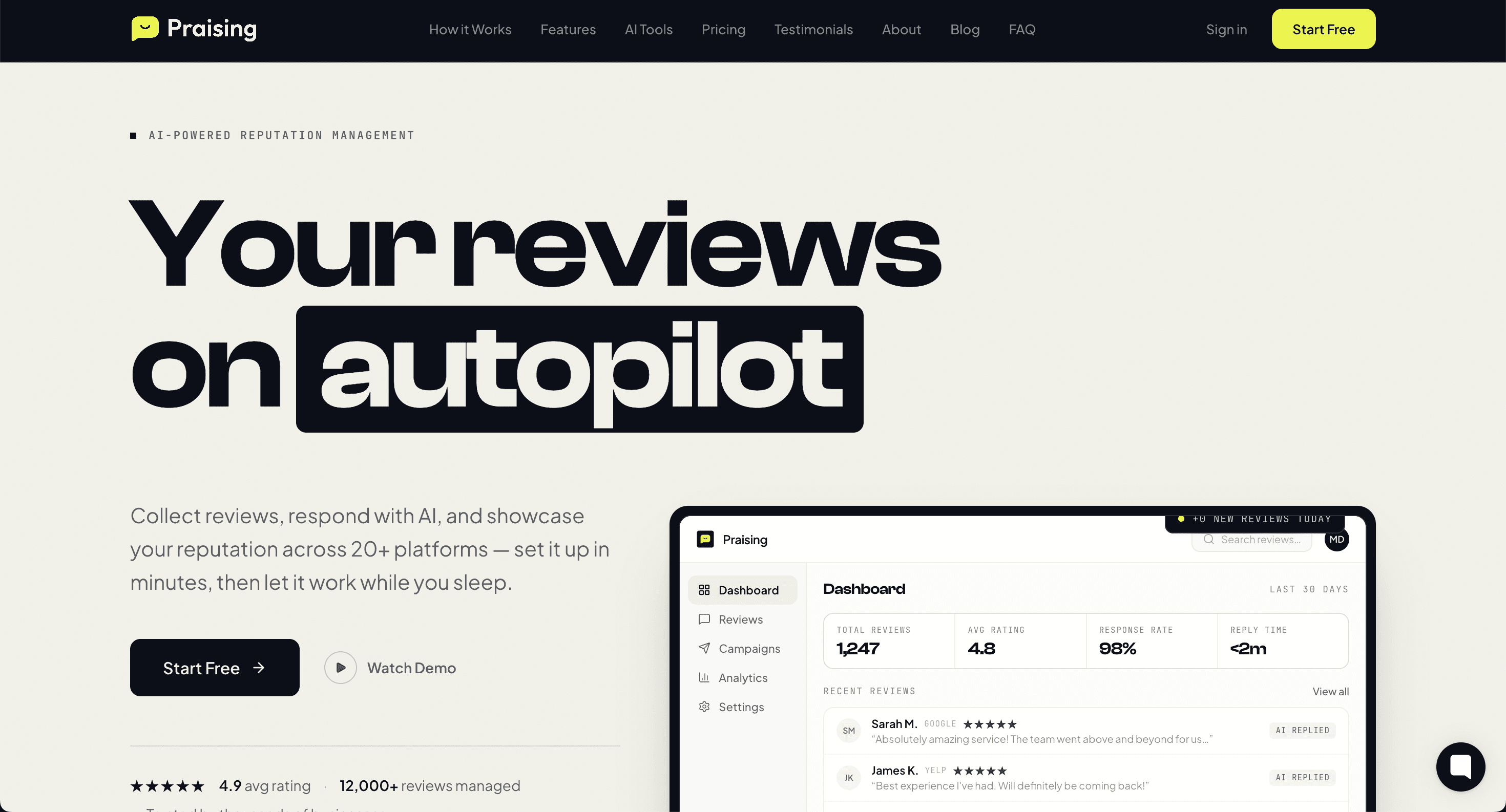
Praising.ai is a low-cost review tool for local businesses, with a version of its site aimed at restaurants. It emails guests a review request after a visit, gathers your Google and Trustpilot reviews in one inbox, and has an AI agent draft a reply to each new one for you to approve.
For an independent restaurant that still answers Google reviews by hand, its free plan is an inexpensive way to try AI replies.
Key features
Drafts for every new review: The AI agent writes a reply to each new Google and Trustpilot review around the clock, and nothing is posted until you approve it.
A tone you set once: Choose a warm, professional or apologetic voice, give 1-3 star reviews their own instructions, and get drafts in the reviewer's language.
Post-visit requests: Request emails go out automatically with reminders for guests who haven't clicked, and paid plans add texts you send by hand.
A review page with a private option: Guests arrive by link, QR code, NFC tag or a counter kiosk, then post publicly or message the owner.
Visibility checks: Maps Ranking shows where you appear around your address, and AI Ranking counts how often an AI assistant names you.
Pros
Low cost: There's a Forever Free plan, and paid plans run from $19 to $49 a month with no contract.
Several locations on one plan: Growth covers up to three locations and Pro up to ten.
You keep control: Every draft waits for your OK before it goes public.
Fast-moving product: The changelog has added features nearly every month in 2026.
Cons
Two review sources imported: Only Google and Trustpilot reviews reach the inbox; Yelp, Tripadvisor, OpenTable and Facebook are linked and aren't monitored.
No delivery apps: DoorDash, Uber Eats and Grubhub reviews aren't connected.
Manual texts and integrations: Texts go out by hand, and a POS or reservation system connects only through the API and webhooks.
Short track record: AI reply drafts, text requests and the API all launched in July 2026.
Price and plans
Praising.ai has a free plan, and each paid plan starts with a 14-day free trial that needs a card. Paying yearly saves 17%.
Forever Free: $0 for one location, with manual replies.
Core: $19 per month for one location.
Growth: $29 per month for up to 3 locations.
Pro: $49 per month for up to 10 locations.
6. RepliFast
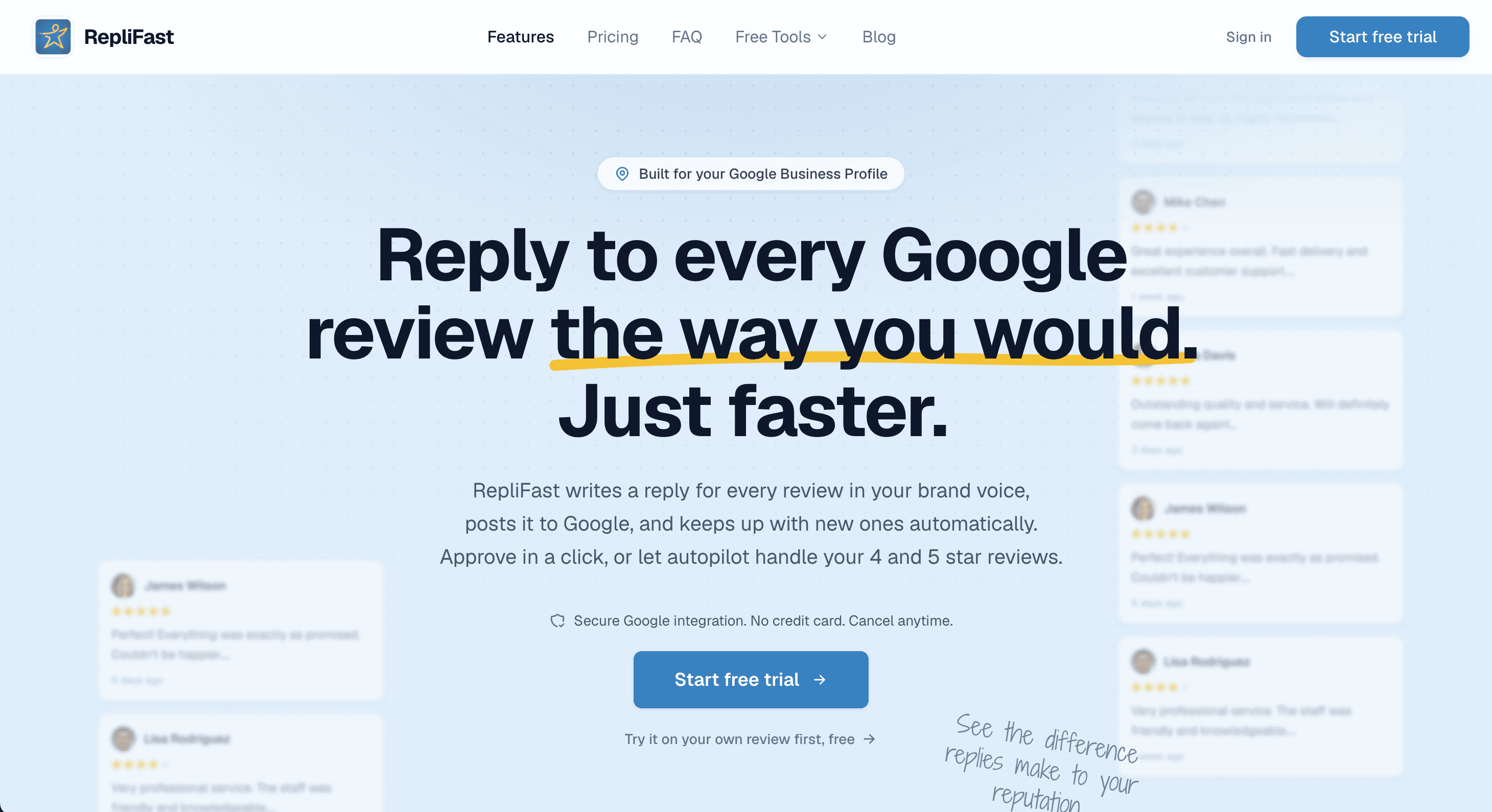
RepliFast is an inexpensive AI reply tool that helps small businesses keep up with their Google Business Profile reviews. It connects through Google's official API, writes each reply in your tone and in the reviewer's language, and on its Pro plan can post replies by itself within minutes of a new review.
It handles Google reviews only, which keeps it simple for an independent restaurant whose main job is answering every Google review. Kevin Hofmann founded it in 2025, and updates arrive often: a backlog handoff to its review agent shipped in July 2026, followed by per-location pricing in August.
Key features
Replies in your voice: You set the tone, signature and house rules, and the AI drafts a response to each review in any of 50+ languages.
Star-rating rules: Choose which ratings post on their own, for example 4- and 5-star thank-yous, while 1- to 3-star reviews wait in a queue for you.
Context check: When a critical review names a staff member or describes an incident, RepliFast pauses and asks you for one line of context.
Backlog catch-up: Batch generation works through older unanswered reviews in a single pass.
Review insights: Pro adds weekly summaries of recurring complaints and praise.
Visibility Pack: Pro also drafts Google Posts and service updates from your reviews and website.
Pros
Low cost: Paid plans start at $12 a month billed annually, and the free plan covers 5 replies a month.
Careful with bad reviews: Replies to 1- and 2-star reviews never post without your approval, whatever rules you set.
Easy to try: The Pro trial needs no credit card, and nothing is charged automatically when it ends.
Cons
Google only: Reviews on Yelp, Tripadvisor, delivery apps and other sites aren't covered.
No team seats: Team seats aren't included, so it suits an owner or a single manager.
Autopilot on Pro only: On Starter you approve and post every reply yourself, up to 200 a month per location.
Early-stage company: RepliFast started in 2025, and the testimonials on its site come from shops and a tradesman.
Price and plans
RepliFast has a free plan, and you can try Pro free for 14 days or 15 posted replies, whichever comes first, with no credit card. Paid plans are priced per location, billed monthly or annually.
Free: $0, with 5 AI replies a month for one location.
Starter: $15 per month, or $12 per month billed annually.
Pro: $29 per month, or $19 per month billed annually.
7. MagicReply
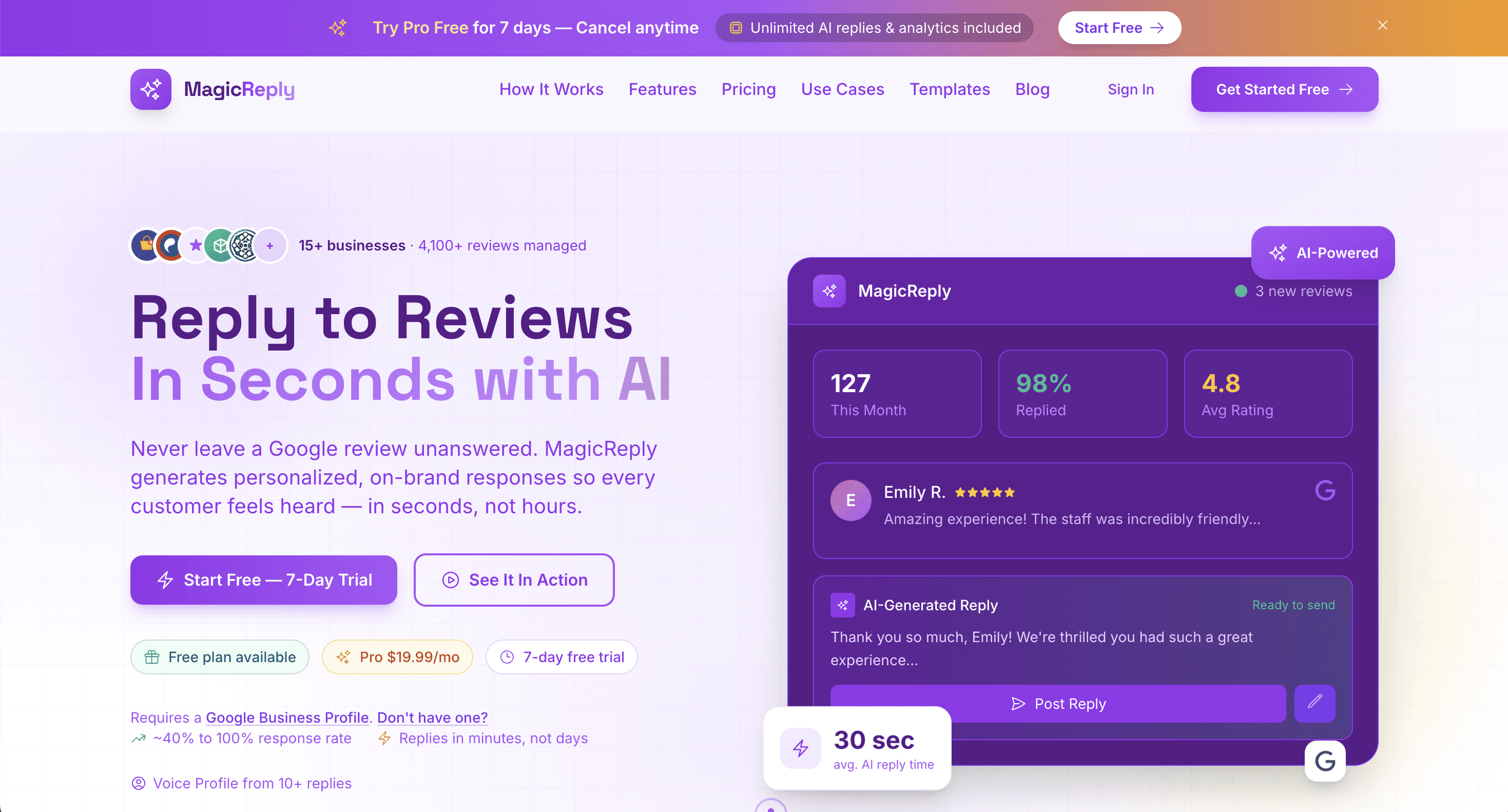
MagicReply writes replies to your Google reviews with AI, matching the way your business already talks to guests, and can post them to your Business Profile for you. It's a small, low-cost product for local businesses, and its restaurant page says replies can mention the dishes, service speed and ambiance a guest wrote about.
Most of its recent updates landed in March 2026: voice profiles set per location, branded review request emails with a direct Google review link for each storefront, and Chrome Extension 2.0, which fills AI replies straight into Google's review box.
Key features
Editable drafts: Each Google review gets an AI reply you can change or regenerate before it goes live.
Voice profile: MagicReply learns your greeting, sign-off and vocabulary from 10+ past replies, and each location can keep its own.
Auto-reply rules: Replies can post automatically based on star rating, keywords or sentiment, with delays and approvals.
Chrome extension: Insert a reply inside Google's own interface and adjust its tone and length there.
Team approvals and analytics: Managers can approve replies before they publish, and a dashboard tracks response rates and sentiment trends.
Pros
Low monthly cost: Pro is $19.99 a month, and Business covers unlimited locations for $49.99.
Free to start: A free plan lets one location try AI replies before paying.
Restaurant templates: Its free template library includes replies for praise of food and service, food quality complaints and wait times.
Hands-off option: Rules can thank five-star reviewers automatically during a busy service.
Cons
Google only: Yelp, TripAdvisor, Facebook and delivery app reviews aren't supported.
Small free allowance: The free plan's AI replies and Google posts are a one-time total that doesn't renew each month.
One location on Pro: A second storefront means moving up to Business.
Card for the trial: Paid-plan trials need a card and bill automatically unless you cancel.
Price and plans
MagicReply has a free plan for one Google location, and both paid plans start with a 7-day free trial. Businesses with 10+ locations can ask for a custom enterprise plan.
Free: $0, with a limited total of AI replies and Google posts.
Pro: $19.99 per month for one location, with unlimited AI replies.
Business: $49.99 per month for unlimited locations and team collaboration.
8. Malou
Malou is a restaurant marketing platform from Paris that puts AI review replies, local SEO, listings, social media and AI search visibility under one login. Its reply tools start from your brand's own voice guidelines and score each answer before it goes out.
Groups can use the self-serve MalouApp or pair it with Copilot, which assigns a dedicated marketing expert. Riviera Dining Group and MELT Oberkampf are among its named customers.
Key features
Tone matching: Drafts follow your written brand guidelines and adjust to each review's sentiment, warmer for praise and more careful for complaints.
Reply quality score: Each answer is rated against Google's best practices, with tips that help managers fix a weak reply before posting.
Sensitive review alerts: Mentions of hygiene or discrimination raise an alert, so a person can answer those reviews.
Theme detection: Semantic analysis shows which topics keep coming up, location by location.
Local search tie-in: Listings and local SEO sit beside the reply queue, so each restaurant's search presence is managed in the same place.
Pros
Coaching built in: The quality score shows managers what a good reply looks like as they write.
Escalation for risky topics: Alerts separate hygiene and discrimination complaints from everyday reviews.
Hands-on help: Copilot adds a marketing expert when your team can't keep up with replies and posts.
Cons
No public prices: Each plan is quoted by location count.
Add-ons: Store Locator and Boosters are sold separately from the plans.
Restaurant-only: A brand that also runs other kinds of locations would need a second tool for those.
Price and plans
Malou doesn't publish prices. Its Essential, Growth and Full plans are quoted by the number of locations, and locations added mid-contract are prorated.
9. Nuxa.ai
Nuxa.ai now sends visitors to Semperi, the AI service its company, Nuxa, Inc., sells to independent restaurants and other local businesses. Semperi drafts a reply in your voice to every new Google review, and it also builds your website, writes social posts, takes orders and bookings, and sends a weekly report.
Semperi is made by the team behind Fleksa, and the company says 4,200+ restaurants run on the platform behind it. Its approach to review replies is cautious: nothing goes live until you approve it, and a low rating reaches you first with a calm draft.
Key features
Drafts for every Google review: Semperi checks your Google Business Profile daily and writes a reply in your voice to each new review.
Low ratings first: A two-star review comes to you with a reply that offers to make things right, and it waits for your yes.
Tone you can adjust: Ask for "shorter" or "warmer" in chat, and Semperi keeps that preference for later replies.
Weekly report: Orders, sales, reviews, posts and bookings are summed up once a week with one suggested next step.
Marketing around the reviews: Your website, Instagram and Facebook posts, email and texts, and delivery app orders through KitchenHub run in the same service.
Pros
Owner stays in control: Every reply needs your approval, which suits owners who worry about AI posting the wrong thing.
Published prices: Plans are listed per location, and the first 3 months cost $1 a month.
More than replies: Review handling sits with your website, posts and orders, so a small team manages a single service.
Cons
Google only: Semperi covers reviews on your Google Business Profile; Yelp, Tripadvisor and delivery app reviews aren't included.
No hands-off mode: Replies post only after you tap Send, so a busy week can leave reviews waiting.
Plan contents unclear: The pricing page doesn't say which plan includes review replies.
New name, short track record: The move from Nuxa to Semperi came without named customers or dated product news.
Price and plans
Semperi starts with a free scan, then costs $1 a month for the first 3 months on any plan. After that, prices are per location, per month.
Site: $99 per location, per month.
Starter: $299 per location, per month.
Growth: $499 per location, per month.
10. Connexup
Connexup is a restaurant growth platform that combines commission-free online ordering, kiosk and QR ordering, loyalty and delivery app connections with AI review replies. Its review tool is trained on your restaurant's profile, menu and policies, and you can buy it on its own for each Google Business Profile.
It suits independent and small restaurants, especially on Square POS, that want quick, multilingual replies to Google reviews without signing a contract.
Key features
Trained replies: AI drafts each response from your restaurant's profile, menu and policies, in a tone you set anywhere from playful to formal.
Manual or automatic: Staff can review and publish each draft themselves, or a fully automated mode posts replies with no manual step.
72-hour backstop: If a review sits unanswered for 72 hours, the AI writes a reply and, with Auto-Publish on, posts it right away.
Multilingual responses: Replies can go out in English, Spanish, Chinese and other languages without hiring multilingual staff.
Receipt review prompts: Online and in-store receipts link guests to Google and Yelp, and reviews can be traced to specific orders.
Review analytics: Sentiment summaries and rating trends show which dishes or staff members guests mention most.
Pros
Low entry cost: Review replies are sold separately at $39 per Google Business Profile each month, billed month to month.
Free trial: You get 30 days free with no credit card or contract.
Control over posting: You choose between approving every draft and letting the AI publish on its own.
Bundle option: Ordering, kiosk, loyalty and review replies can all come from one vendor.
Cons
Google only for now: Connexup lists Yelp and TripAdvisor replies as coming soon.
Per-order fee on the suite: The Starter Suite charges 2.5% per order on top of $149 a month.
Loyalty is quoted: The loyalty program sits in the Advanced & Custom Suite, which has custom pricing.
Square only: Square is the only POS with a native integration.
Price and plans
The Starter Suite and each standalone product come with a 30-day free trial and no credit card. Billing is monthly and prorated, with no setup fees, and you can cancel anytime.
Reviews Management Only: $39 per Google Business Profile, per month.
Starter Suite: $149 per month plus 2.5% per order (web, kiosk and QR ordering, Square POS integration).
Advanced & Custom Suite: Custom pricing (mobile app, brand website, loyalty and promotions).
11. OvationUp
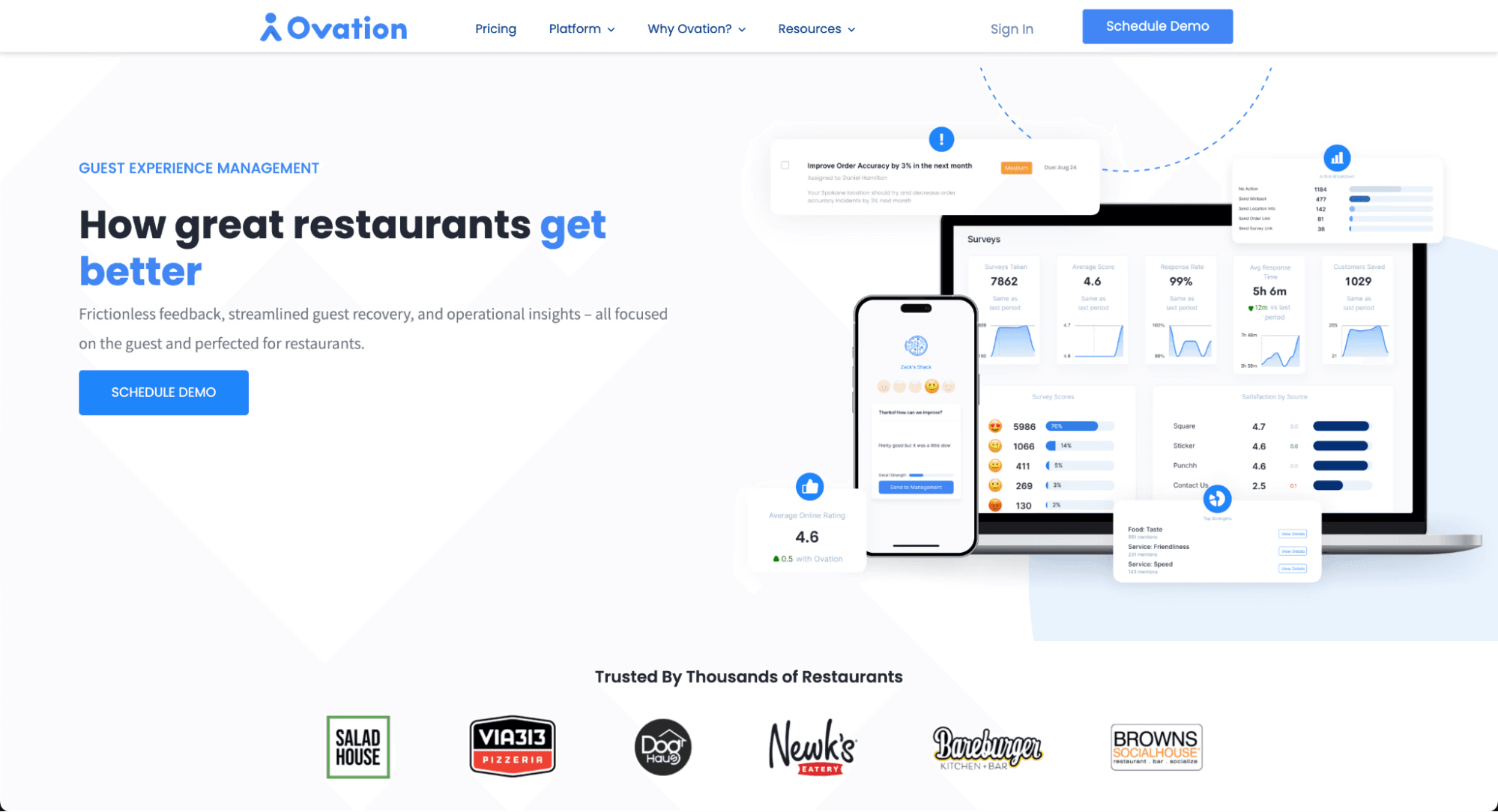
OvationUp, marketed as Ovation, is a guest experience platform for multi-unit restaurant brands. It began with text surveys and guest recovery, and since October 2025 it also answers public reviews: AI suggests a reply to each review or survey comment, and a person edits and sends it.
For review replies, the advantage is context. The team answering a one-star review on Google works in the same platform that collects private survey answers and sends recovery messages. Bareburger and Taziki's Mediterranean Cafe are among its customers.
Key features
AI-suggested replies: Drafts for public reviews and private feedback appear ready to edit, and teams that prefer fixed wording can use templates.
Brand Voice: Since May 2026, one set of tone instructions applies to review replies, automated responses and winback texts.
Filtered review inbox: Sort Google, Yelp and Facebook reviews, among others, by platform, star rating or store to see what needs an answer first.
Recovery alerts: A negative survey answer notifies the manager in real time, while the visit is still fresh.
Two-question SMS surveys: Your POS or ordering system triggers the text after an order, and table QR codes cover dine-in guests.
Pros
A person approves every reply: Drafts are suggestions, so someone on your team stays responsible for what's posted under your name.
Same tone everywhere: Brand Voice keeps public replies and private texts consistent across locations.
Order context: Integrations with over 50 POS, online ordering and loyalty systems tie feedback to real orders.
Restaurant focus: Comment themes such as speed, cleanliness and food quality match how restaurants run.
Cons
No public price list: Every account gets a custom quote, so budgeting starts with a sales conversation.
Recent review module: Public review replies arrived in the fall 2025 release, later than in tools built around reviews from the start.
Restaurant-only design: Groups that also run other kinds of businesses may need a separate tool for those.
Price and plans
Ovation doesn't publish prices; quotes depend on your physical locations and ghost kitchens, with discounts for volume.
12. Qualtrics
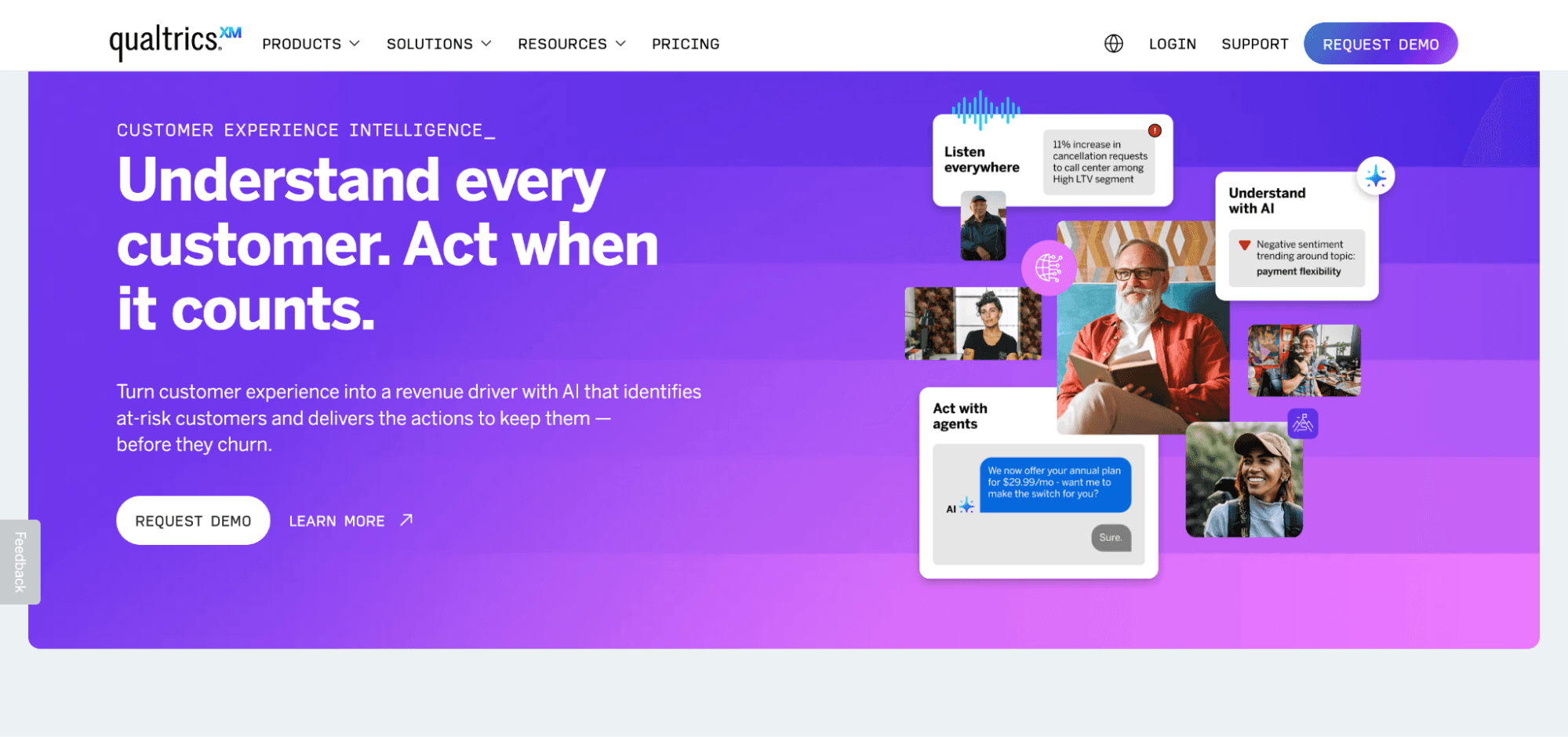
Qualtrics sells an enterprise experience management suite for researching customers, staff and brand perception. Replying to reviews is one task inside a much bigger feedback program that also runs surveys, location dashboards and AI agents.
On the reply side, its online reputation management module suggests answers written in your brand's voice, and staff post them from the same dashboards that hold survey results. That setup suits a chain whose insights team wants every public reply connected to the rest of its guest data.
Key features
Brand-voice drafts: Suggested responses follow the tone you set, so a location manager starts from a draft instead of an empty text box.
Replies inside dashboards: Reviews connected through Google Places or Facebook can be answered without leaving Qualtrics.
Reviews from several sites: Google, Yelp, Facebook and TripAdvisor reviews are collected in one place for reading and reporting.
Routing for negative reviews: Critical feedback goes to the team that can fix the issue behind it.
Sentiment on every review: Text analytics tags each review with themes and sentiment, which helps you decide which ones need the most careful answer.
Pros
Replies linked to research: Because reviews sit beside surveys, analysts can see which complaints come up in both places.
Consistent tone across locations: Brand-voice suggestions help dozens of managers sound like the same company.
Recovery beyond the reply: Experience Agents can start a real-time service recovery when a low score comes in.
G2 rating: Reviewers give Qualtrics Customer Experience 4.3/5 on G2 (751 reviews).
Cons
Limited reply sources: Answering from dashboards works for Google Places and Facebook connections, and only for users granted read and reply access to the project.
Heavy for reply-only needs: If AI review responses are all you want, a full research suite priced by interactions is a large purchase for one task.
No self-serve start: The pricing page shows no prices, no free plan and no trial.
Price and plans
Qualtrics doesn't publish prices. Its CX plans, including one for location-based industries such as restaurants, are priced by interactions, and you get a quote after a demo.
AI Review Response Tools: FAQ
Can AI respond to my restaurant's reviews?
Yes, AI tools can read each review, pick up the guest's sentiment and draft a reply that fits it. Because reviews are mostly text and follow a fairly predictable pattern, this is work AI handles well. You get replies that are consistent, diplomatic and available around the clock, even when a review comes in at midnight.
Why should a restaurant reply to every review?
Restaurants that reply to reviews consistently tend to see higher revenue. A quick, personal reply makes happy guests feel appreciated and shows upset guests that someone is taking care of them. Reviews and complaints also point to issues you can fix, so reading them closely pays off beyond the reply itself.
Will AI review replies sound generic?
They don't have to. Good tools learn your brand voice from guidelines or examples, and many mention the specific dishes, service or atmosphere a guest wrote about. Some also draw on the guest's visit history and past issues, which makes each reply feel written for that person.
Should I approve AI replies before they go live?
Most tools let you choose. You can review and edit drafts before posting, or let the AI auto-publish replies to positive reviews while you check the negative ones yourself. For complaints that need a person, look for a tool that flags them with the full conversation so your team can step in informed.
How much do AI review response tools cost?
Costs range from low monthly plans aimed at independent restaurants to custom-quoted enterprise platforms priced by location. Simple tools that focus on Google review replies are the cheapest, while platforms that add analytics, surveys and guest recovery cost more. Match the tool to your review volume and how many locations you run.
What's the best AI review response tool for a restaurant group?
Multi-location groups usually need replies across every platform plus a way to escalate and recover unhappy guests. Momos was built for restaurants, and its AI agent Alfie replies within minutes in your brand voice, recognizes VIP guests and can issue points, coupons or offers on the spot. When a human is needed, it hands the ticket over with full context.
 AIエージェントが、貴店の全店舗におけるすべてのお客様対応を年中無休・24時間体制で自動化します。


" transform="translate(3.219 19.212)" width="152.45224485148515px"/><path d="M 0 11.619 C 7.071 11.39 33.491 21.738 40.35 21.268 C 38.499 18.19 37.116 14.915 35.507 11.625 C 33.7 7.867 32.587 3.926 31.702 0" fill="transparent" height="21.28391189647101px" id="I9fuJaf7q" stroke-dasharray="" stroke-linecap="round" stroke-linejoin="round" stroke-width="4.97" stroke="rgb(0, 0, 0)" transform="translate(139.727 55.754)" width="40.34950693069311px"/></svg>)