How AI is Turning Bad Reviews Into Saved Revenue
Written By: Amanda Jacob
Every 1-star review isn’t just a hit to your reputation—it’s a lost customer, a missed opportunity, and in many cases, real lost revenue.
But now, AI is helping businesses flip the script. Instead of reacting days or weeks later, multi-location brands are detecting unhappy customers the moment they speak up, then acting instantly with automated recovery workflows.
The result? Customers stay. Revenue is saved. Reputation rebounds.
The Outcome: Real-Time Recovery, Real Revenue Retention
When AI powers your review and feedback response:
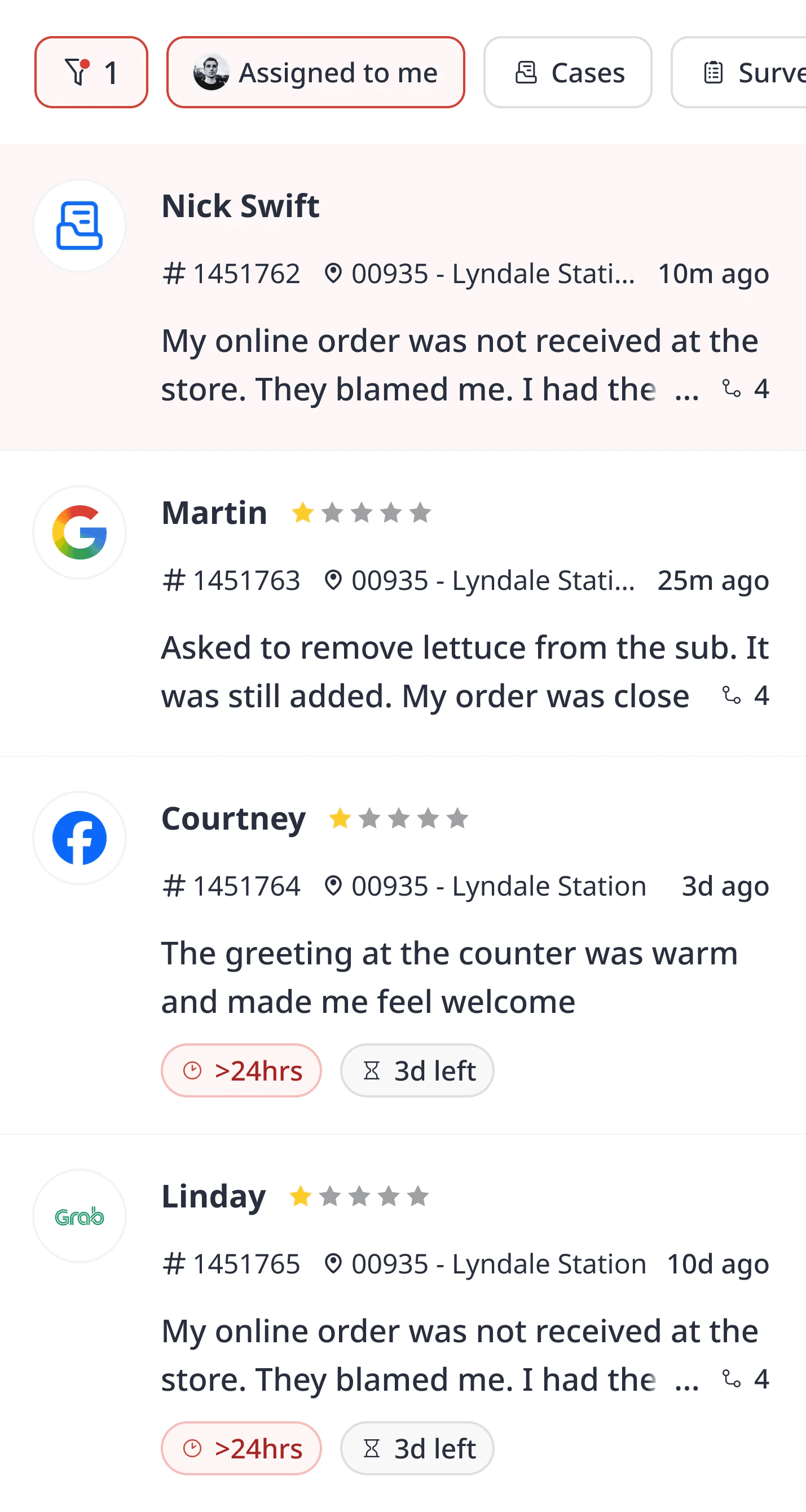
Negative reviews are detected in seconds, not days
Escalation is automatic, not manual
Store teams or CX leads get real-time alerts with context
Recovery is fast, consistent, and proven to work
That’s not just smart service. It’s ROI-positive customer retention.
Why Most Brands Miss the Moment
Many businesses still rely on manual scanning of platforms or weekly review reports. That’s too late.
By the time someone notices a bad review:
The customer has moved on
The issue has snowballed on public platforms
The business misses its chance to respond meaningfully
Common consequences of delayed review management:
1-star reviews sitting unanswered for days
No clear ownership of follow-up
Franchise or store managers are unaware of the complaint
Lost lifetime value from customers who might’ve returned
How AI Detects and Escalates Negative Sentiment
Detection is just the start. The magic happens when brands respond quickly, personally, and with resolution.
What effective AI-powered recovery looks like:
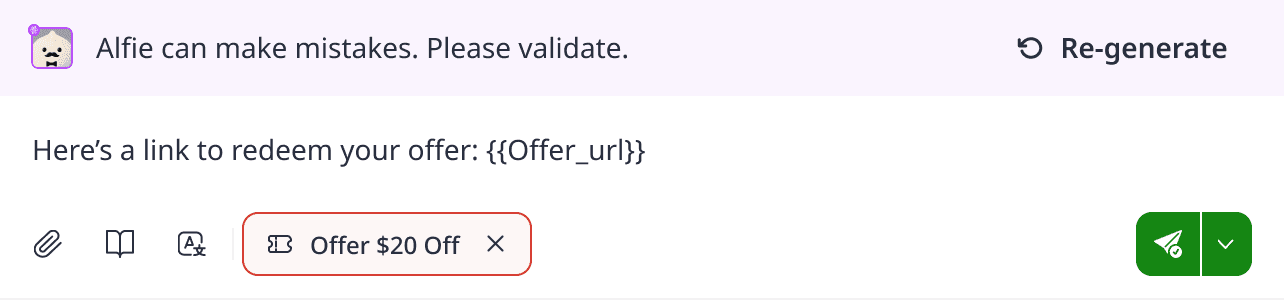
A store manager gets an alert and suggested reply
The response is sent within minutes, not hours
A recovery offer is included (e.g., refund, coupon, apology call)
The customer feels heard, and updates their review or returns
Businesses that respond to negative reviews within 24 hours see up to a 33% higher customer return rate (source: ReviewTrackers).
Use Case: Saving Revenue Through Real-Time Recovery
A multi-city café chain started using AI to detect bad reviews instantly. One morning, a 2-star review came in mentioning “undercooked eggs” and “rude tone from the barista.” AI flagged the sentiment, auto-routed it to the regional manager, and suggested a personalized response + offer.
Within 15 minutes:
The customer received a message from the store
A free breakfast voucher was issued
The review was updated to 4 stars with a comment: “Impressed by the fast response.”
That single action preserved the customer’s trust—and their future spend.
Why Recovery is the New Marketing
Saving a relationship is often more valuable than acquiring a new customer.
Business benefits of AI-powered recovery:
Protects customer lifetime value (especially for high-frequency visits)
Improves public perception through fast, visible resolution
Boosts local SEO as updated reviews lift ratings
Reduces frontline pressure, since automation handles triage
A bad experience doesn’t have to mean losing customers—if you act fast enough.
How to Put This in Place
To turn reviews into recovery opportunities, businesses need:
A system that pulls in real-time review data from all platforms
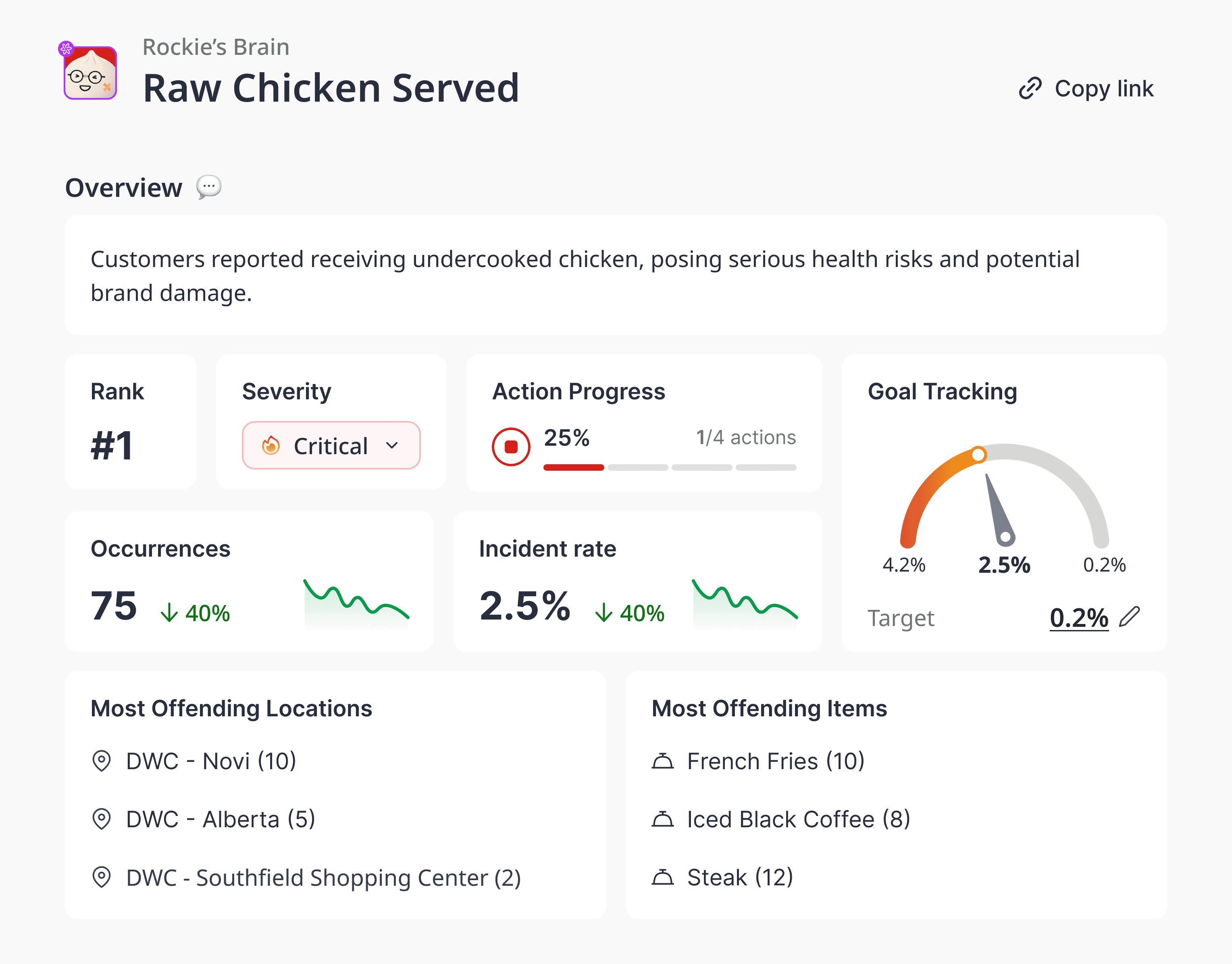
Sentiment analysis that flags priority issues
Routing logic based on store, region, or issue type
Recovery playbooks or templates for a consistent response
Tracking to close the loop on outcomes
AI can handle the speed. You handle the humanity.
Key Takeaways for Business and CX Leaders
Bad reviews are a revenue problem, not just a PR problem
AI helps spot unhappy customers instantly—before they churn
Fast, tailored recovery turns reputation risks into loyalty wins
For multi-location brands, automated response and escalation is no longer optional—it’s essential
Stop Losing Customers You Could’ve Saved
AI is giving operators, CX leads, and marketers a second chance, one bad review at a time. The only question is: will you act fast enough to take it?
👉 The future of customer recovery isn’t reactive—it’s real-time.
 AI agents automate all guest interactions, 24/7, across all locations of your restaurant.


" transform="translate(3.219 19.212)" width="152.45224485148515px"/><path d="M 0 11.619 C 7.071 11.39 33.491 21.738 40.35 21.268 C 38.499 18.19 37.116 14.915 35.507 11.625 C 33.7 7.867 32.587 3.926 31.702 0" fill="transparent" height="21.28391189647101px" id="I9fuJaf7q" stroke-dasharray="" stroke-linecap="round" stroke-linejoin="round" stroke-width="4.97" stroke="rgb(0, 0, 0)" transform="translate(139.727 55.754)" width="40.34950693069311px"/></svg>)