レストランの評判管理に最適なソフトウェア16選
執筆者:ヴィンセント・グエン

飲食店を経営されている方なら、優れた評判(レビュー)がどれほど大きな価値をもたらすかをご存じかと思います。
地域密着型の小さなお店であれば、良い評判を築いて管理していくのもそれほど難しくはありません。しかし、複数店舗を展開するようになると状況は一変し、管理は急激に困難になります。その理由は以下の通りです。
口コミがGoogle、DoorDash、UberEats、TripAdvisorなど数多くのプラットフォームに分散しているため、一箇所ですべてを把握することがほぼ不可能になる。
仮にすべての口コミを把握できたとしても、離れてしまったお客様を呼び戻すために、丁寧な返信文を一つひとつ作成するには膨大な時間と労力がかかる。
顧客行動の深いデータ分析がなければ、お客様が実際のサービスにどう感じたのか、何が原因で不満を抱いたのかの本質を掴めない。
こうした課題を解決するために欠かせないのが、飲食業界向けの評判管理(レピュテーションマネジメント)ツールです。本記事では、以下の内容について詳しく解説します。
おすすめの飲食店向け評判管理ツール16選
各ツールの主な強みと特徴
各ツールがどのような企業・店舗に最適か
各ツールの価格帯(目安)
飲食店の評判管理ソフトには、どのような機能が必要でしょうか?
レストランの評判管理(レピュテーションマネジメント)とは、自店舗が世間からどのように評価されているかを戦略的にコントロールする取り組みのことです。効果的な評判管理を行うには、主に以下4つの活動が必要となります。
SNS、口コミサイト、メディア、フォーラムなどにおいて、自社のブランドがどのように語られているかを把握する
ポジティブで信頼性の高い情報を積極的に発信し、ネガティブな情報を打ち消す
批判的な意見に対して、迅速かつ誠実、そして建設的な方法で対応する
提供するサービスの質を、常にその評判に恥じないレベルに維持する
知っておきたい、レストラン向け評判管理ソフト16選
以上の基準を踏まえ、レストラン向けにおすすめする評判管理ソフト16選をご紹介します。
1. モモ
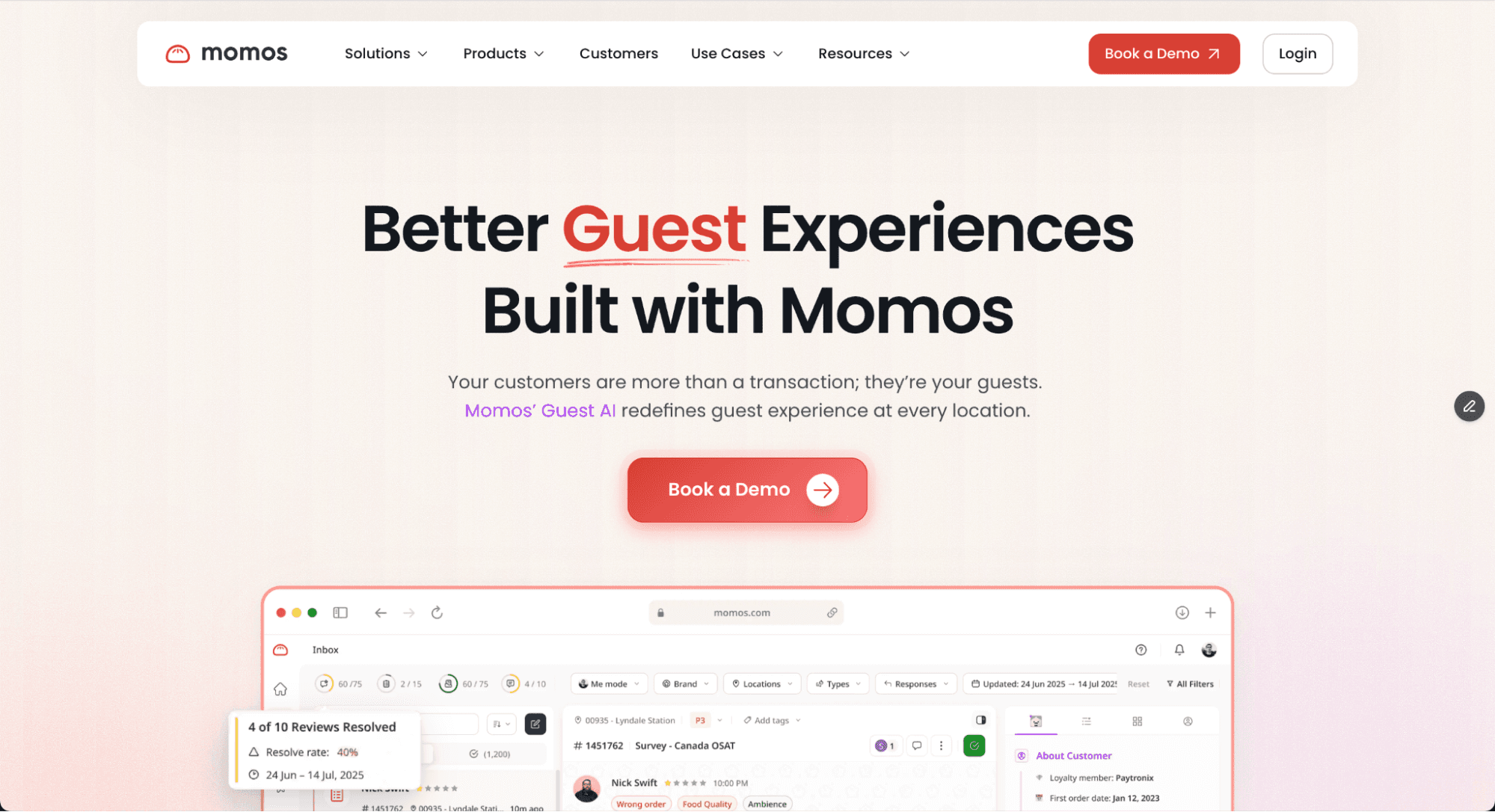
Momosは、複数店舗を展開する飲食店やホスピタリティ企業向けに特化した、最先端のAI搭載型レピュテーション管理プラットフォームです。
地域密着型の個人店からグローバル展開するフランチャイズまで、規模を問わず、すべての店舗の評判管理を1つの管理画面で完結させるために必要な機能が揃っています。
Momosで実現できる主な機能は以下の通りです。
1. すべてのレビューを1つの「統合インボックス」で一元管理
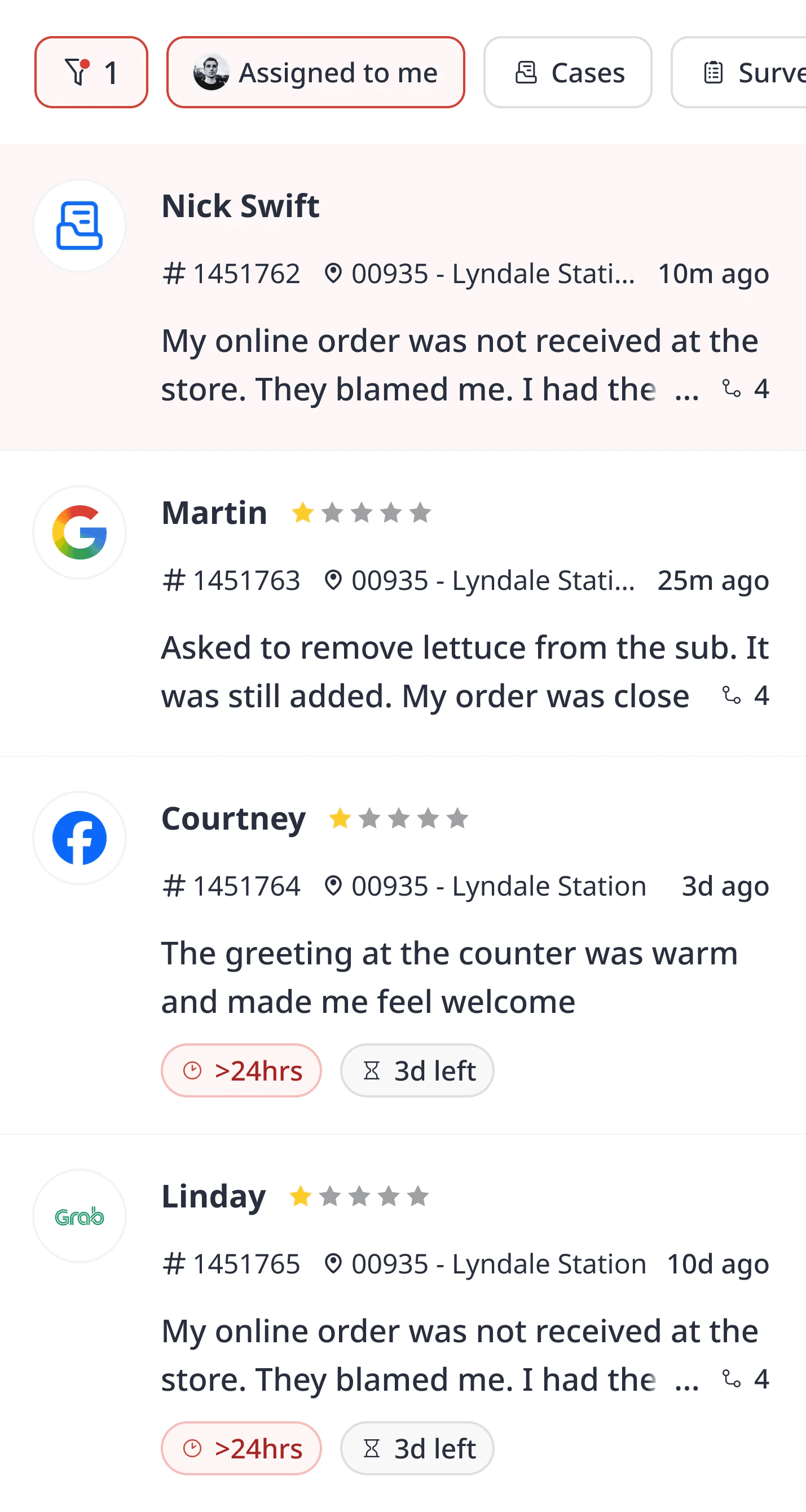
Momosは、各店舗のレビュー、アプリストアへのフィードバック、SNS、メール、アンケート、POS、さらにはデリバリーサービス(3PD)に寄せられる意見まで、あらゆる顧客の声を1つの「統合インボックス」に集約します。
たとえば、以下の画面のように、アンケート、Yelp、Instagram、Googleなどに届いたすべてのレビューが1つのインボックスに統合され、チーム全員で共有して対応できるようになります。
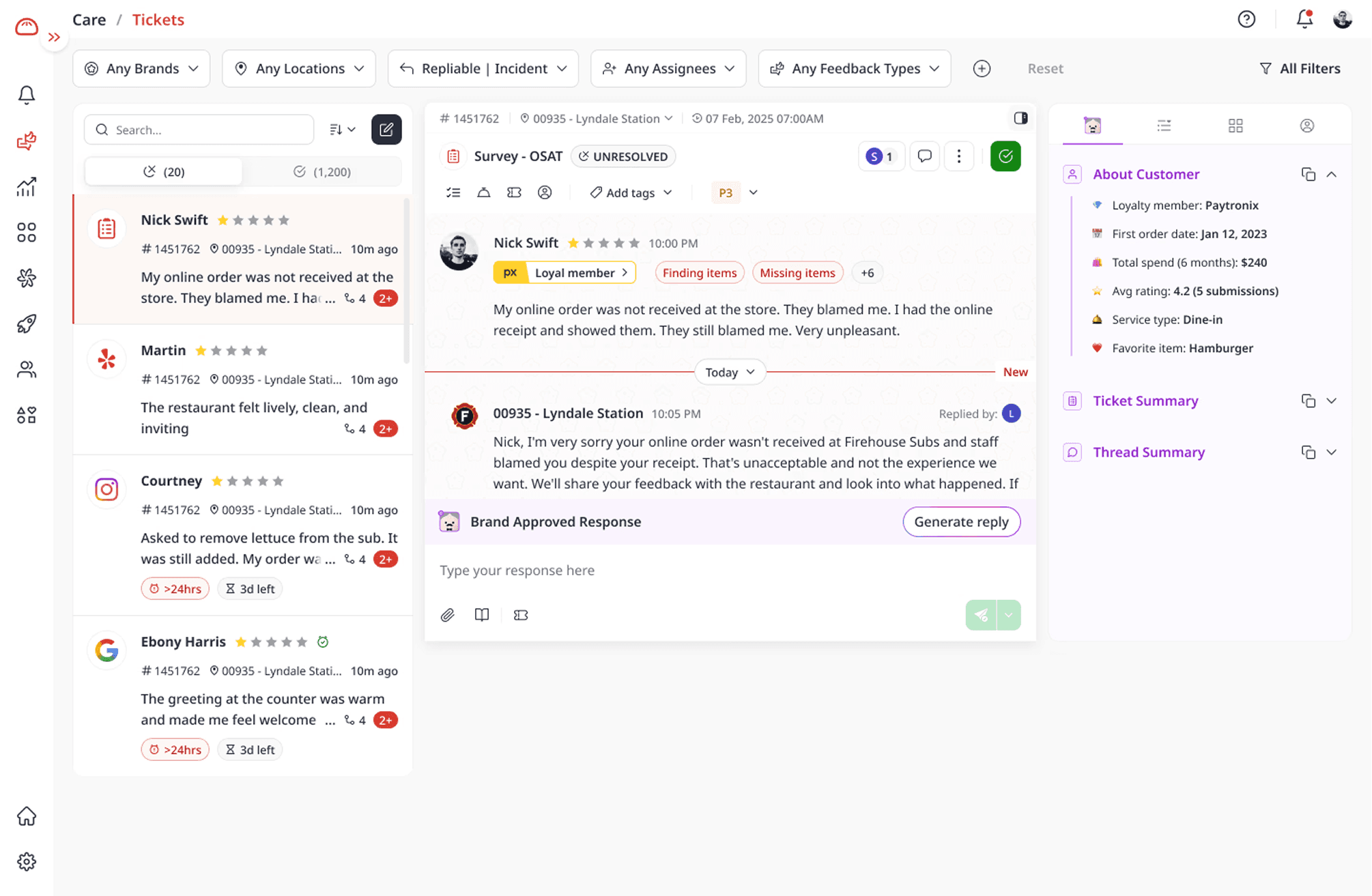
さらに画期的なのは、Momosが各レビューの内容を詳しく読み解き、以下の要素を自動で分析する点です。
レビューの文脈(お客様が何について話しているか)
顧客感情(センチメント)(お客様が満足しているか、またその感情の原因は何か)
カテゴリ別の分析(料理の質、スタッフの接客、店内の雰囲気、待ち時間など、具体的なトピックの特定)
2. 問い合わせ対応の完全自動化
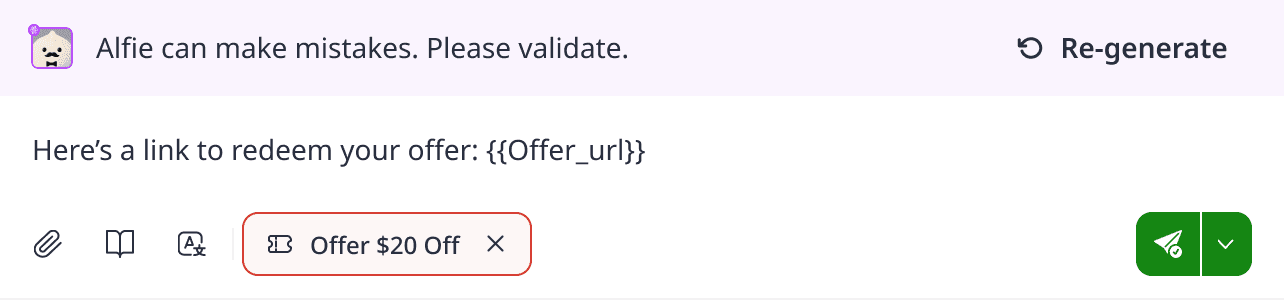
収集されたレビューに対し、カスタマーサポート特化型AIエージェントのAlfieが瞬時に対応します。貴社のブランドイメージに沿った、パーソナライズされた返信文を自動で作成するため、レビューを未回答のまま放置してしまう心配はありません。
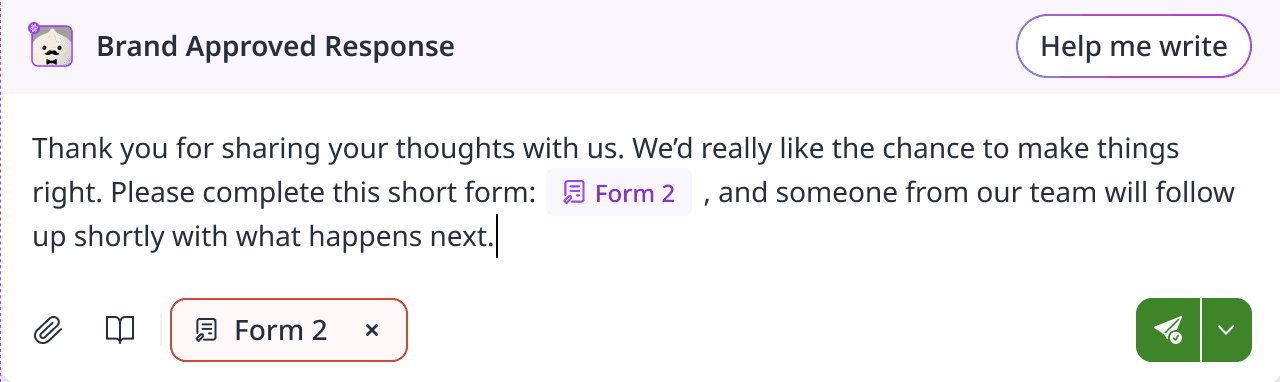
ブランドのガイドラインをアップロードしたり、事前にカスタム返信用のライブラリを用意しておくことで、Alfieが作成する返信のトーン&マナーを貴社のブランドイメージに合わせて柔軟に調整できます。
3. 店舗運営の改善につながるヒントを可視化
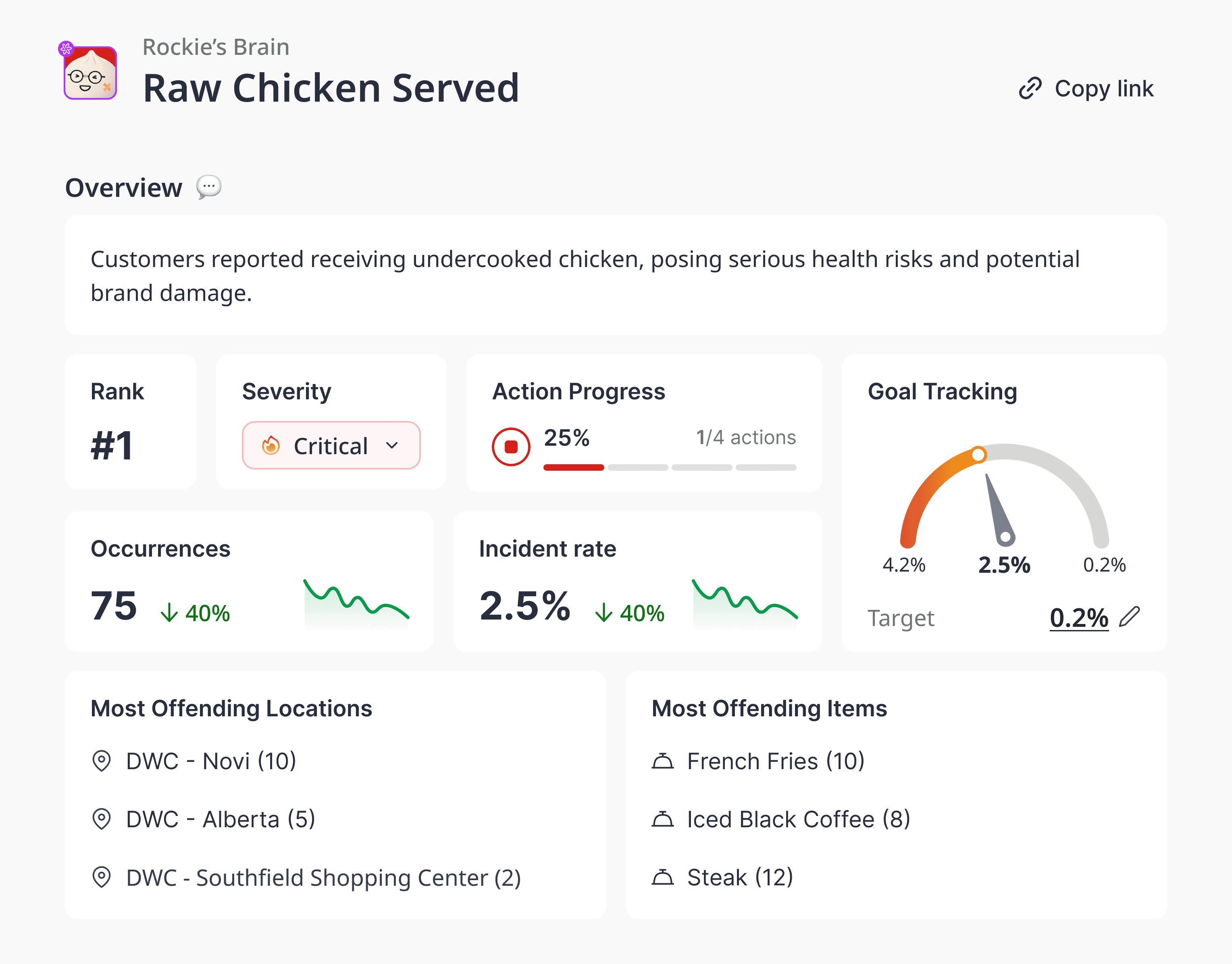
さらに、Momosのダッシュボードを使用すれば、各店舗のオペレーション状況を一目で把握できます。分析ページでは、必要に応じてデータの詳細を深く掘り下げて確認できます。
高評価・低評価につながっている要因の特定
トラブルや問題が最も頻発している店舗やエリア
問題の発生頻度
顧客満足度の時系列での推移
例えばこちらの画面では、デモ店舗のOSAT(総合顧客満足度)がカテゴリ別に分析されているほか、各店舗で発生した主なトラブル履歴もあわせて確認できます。
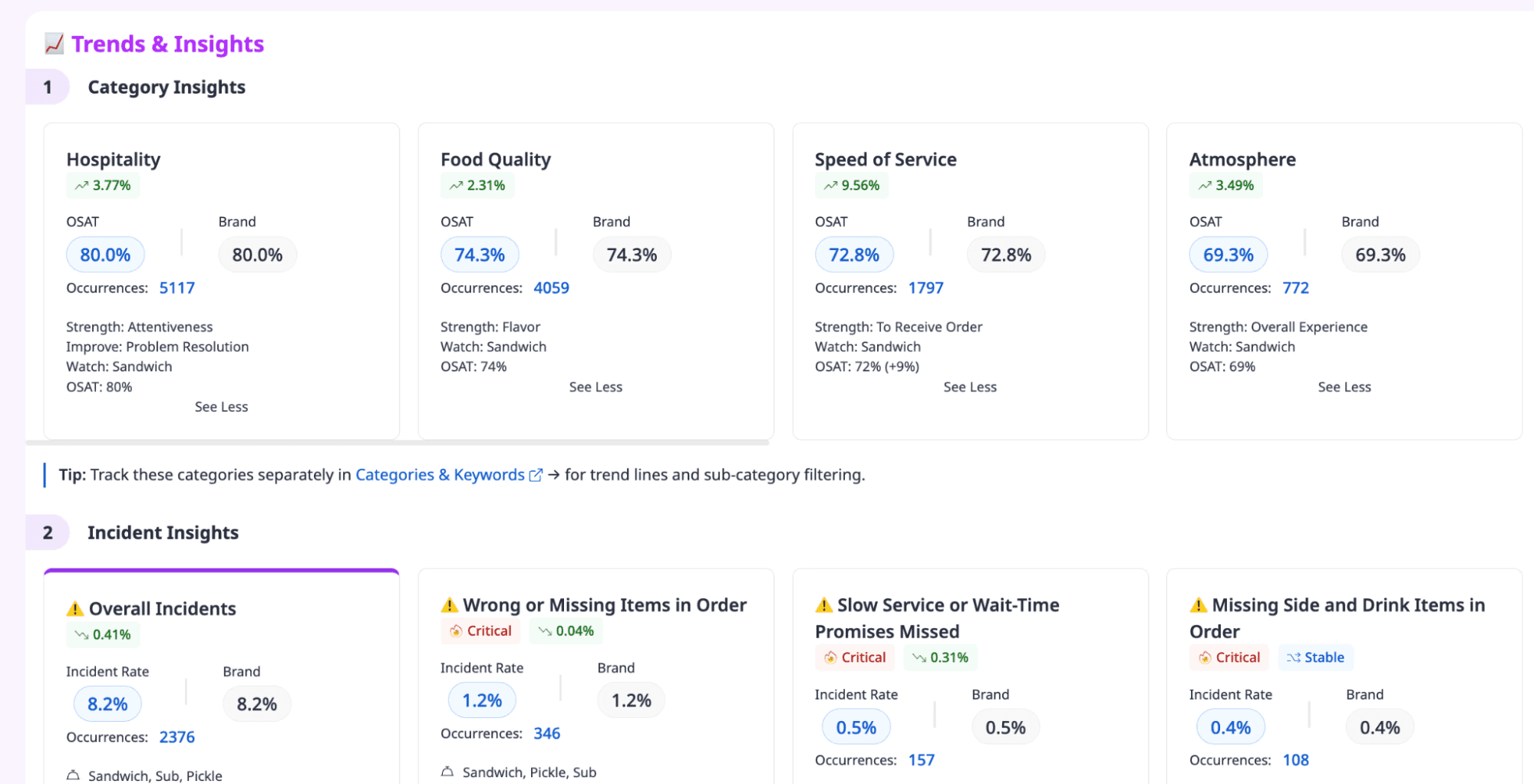
これらの詳細なデータ(インサイト)を活用することで、以下のようなアクションが可能になります。
特定の店舗で起きた問題を、他の店舗に広がる前に早期に対処・解決する
顧客体験(CX)を向上させ、お客様にリピートしていただき、売上を拡大するための具体的な戦略を立てる
マーケティングチームが顧客ロイヤルティを高めるためのキャンペーンを、的確に企画・実施できるよう方針を示す
2. ReviewTrackers
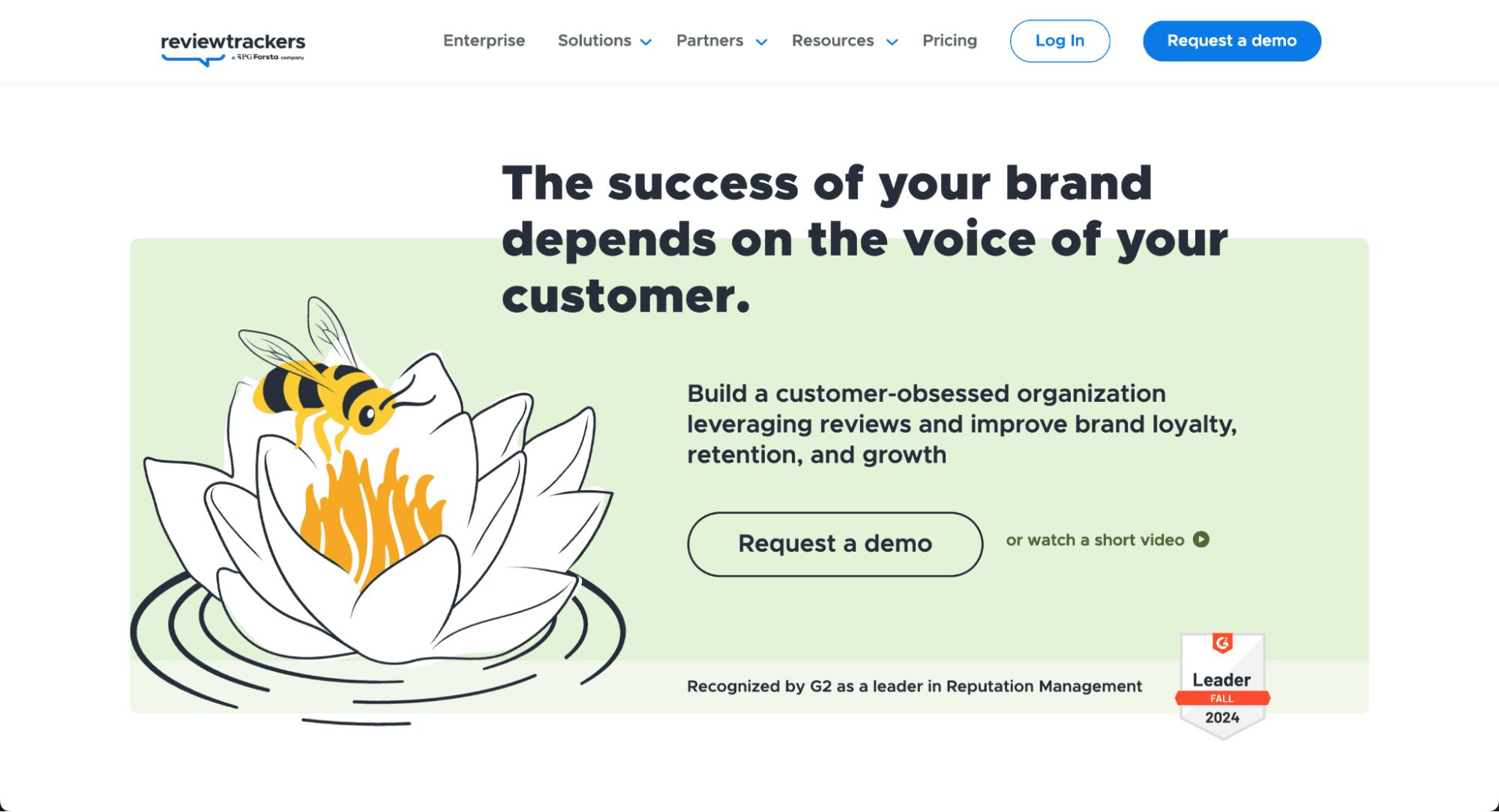
ReviewTrackersは、複数店舗を展開するブランド向けのクチコミ管理プラットフォームです。すべての店舗の状況を把握し、一元管理されたダッシュボードからクチコミに返信できます。
主な機能:クチコミの収集と詳細な分析を行い、テンプレートを使用してプラットフォームから直接返信できます。
選ばれる理由:シンプルでありながら効果的で、飲食業界にとどまらず、医療機関、空調サービス(HVAC)、自動車関連など、地域のさまざまな実店舗ビジネスに対応しています。ダッシュボードから得られるインサイトは、運営チームが的確な意思決定を行うのに役立ちます。
このようなお客様におすすめ:ネット上の評判を重視する、複数店舗を展開するすべての事業者様。
料金:月額89ドルから(年間契約の場合)。
Webサイト:ReviewTrackers
3. Chatmeter
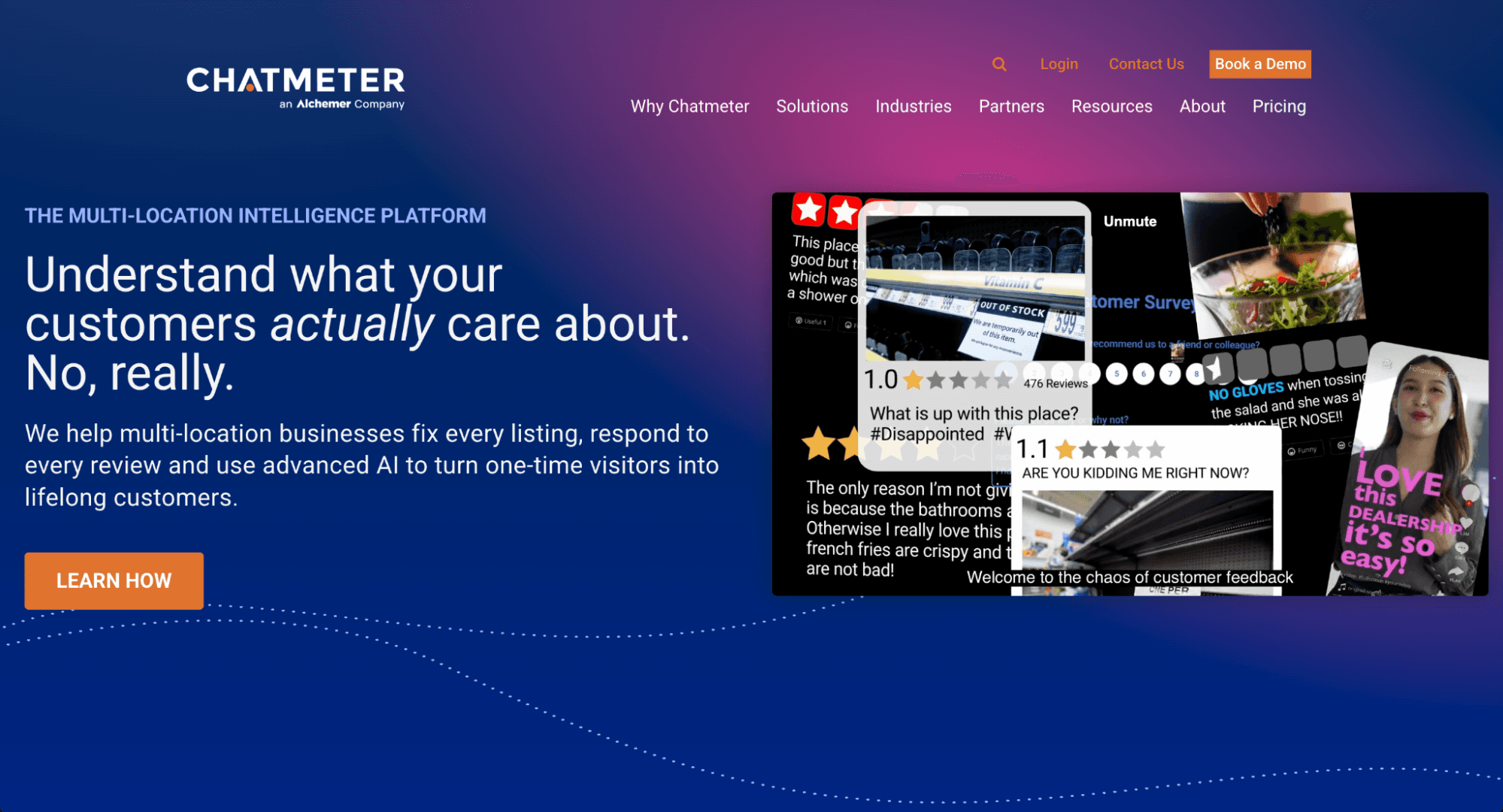
Chatmeterは、AIを活用した「ディープ・リスニング」を通じて顧客との繋がりやレピュテーション・マネジメント(評判管理)を再定義する、複数店舗を運営するブランド向けのインテリジェンス・プラットフォームです。現地店舗の責任者から経営幹部に至るまで、ビジネスの隅々までを一元的に可視化します。
主な機能・メリット:AI分析機能「Sentiment」を利用することで、何百万件もの口コミを店舗ごとの顧客体験インサイトへと変換できます。低評価の口コミが入った際にはすぐに通知が届くため、迅速な対応が可能です。また、自動化ワークフローの活用により、手作業による業務負荷を削減できます。
選ばれる理由:全店舗におけるデジタル上のプレゼンスを一元的に管理できる点が、ユーザーから高く評価されています。口コミへの監視と返信、各種プラットフォーム上でのビジネス情報の更新、Googleビジネスプロフィールの最適化をスムーズに行えるようになるため、効果的なローカルSEO対策と視認性の向上が実現します。
このようなお客様におすすめ:実績のあるパートナー企業をお探しのブランドに最適です。小売、飲食、医療、金融サービスをはじめとする幅広い業界で、93%という極めて高い契約継続率を誇ります。
料金プラン:非公開。最新の価格につきましては、Chatmeterに直接お問い合わせください。
ウェブサイト: Chatmeter
関連記事: The Importance of Restaurant Intelligence(レストランにおける店舗インテリジェンスの重要性について)
4. Superorder
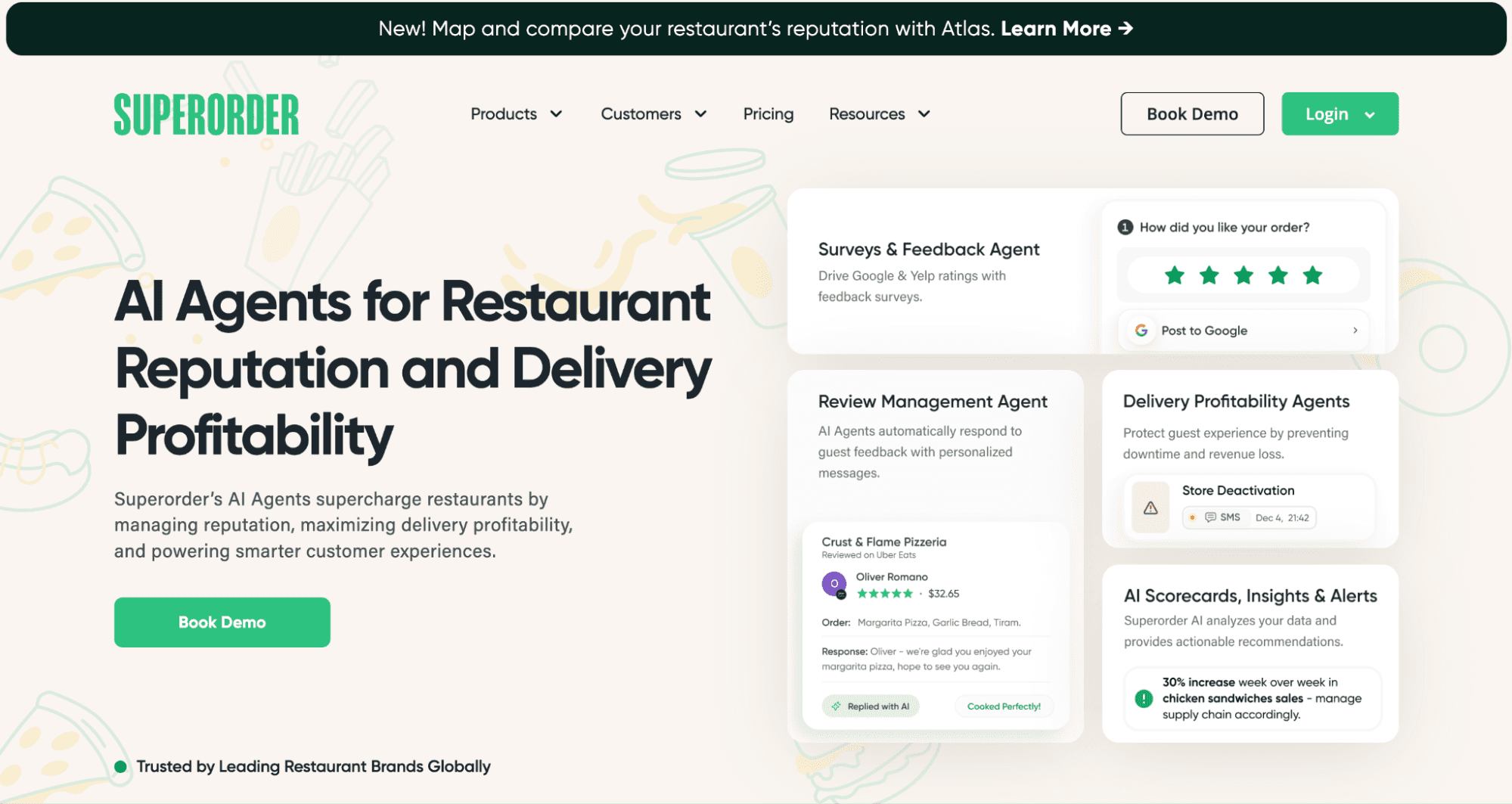
Superorderは、AIエージェントの力を活用して、クチコミへの返信を完全に自動化・パーソナライズできる飲食店向けの評判管理ソフトウェアです。
主な機能:オンライン注文、顧客プロフィール、フィードバックを活用したエンゲージメントを1つのプラットフォームに統合できます。Superorderを導入すれば、毎回の注文からファーストパーティデータを収集できるだけでなく、アンケート型のフィードバック機能を活用し、悪いクチコミがネット上に公開される前に迅速に対処できます。さらに、AIによる最適なカスタマイズ返信や、プロンプト、SMSのアラートによるリアルタイム通知も受け取ることができます。
特長:フィードバック管理のワークフローにより、顧客からの不満や問題を非公開のまま、スピーディーに解決へと導きます。
このようなお客様におすすめ:デリバリーの注文が一定数あり、大がかりなカスタマーサービスやマーケティングのツールを導入することなく、顧客との関係性やフィードバックを主体的に管理したい飲食店経営者様。
料金:非公開。個別お見積もりについてはSuperorderに直接お問い合わせください。
ウェブサイト:Superorder
5. Tattle
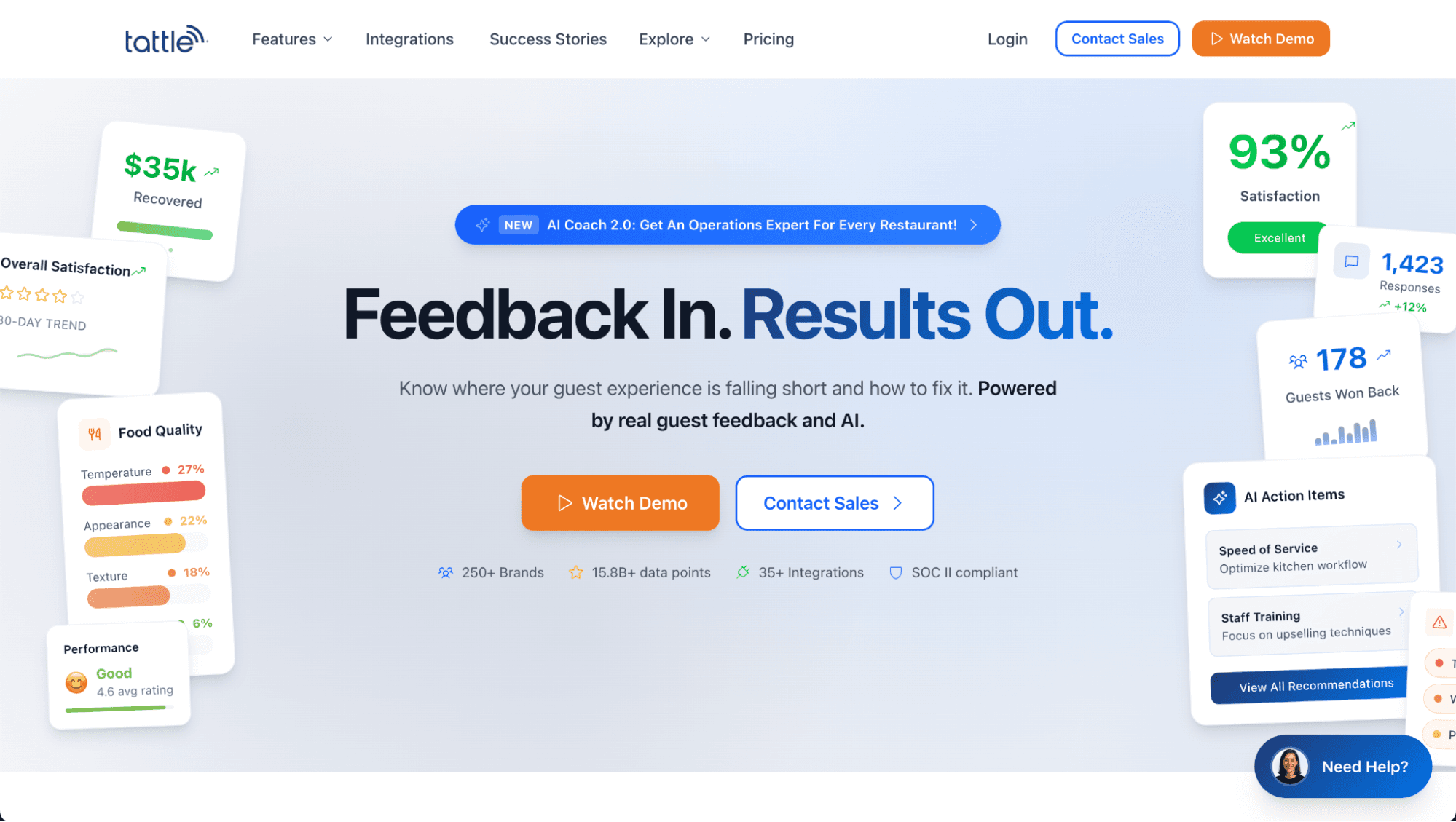
Tattleは、主に飲食店やホスピタリティ業界向けの顧客フィードバックおよびレピュテーション管理プラットフォームです。複数のサイトに寄せられたレビューを一元化し、運営担当者が行動につなげられるインサイトへと変えます。
Tattleでできること:
Google、Yelp、配達サービスなど、各サイトの顧客レビューを1か所で確認できます
複数のサイトにログインしなくても、Tattleのダッシュボードからすばやくレビューに返信できます。
取引後に送信するアンケートを通じて、お客様から非公開のフィードバックを収集できます。
AIによる提案を活用して、感情の傾向を分類し、改善すべき点を分かりやすくできます。
時系列でトレンドを追跡したり、店舗同士を比較したりできます。
Tattleが選ばれる理由: Tattleは、すべてのコメントと評価を1つのダッシュボードに集約して表示することで、確認作業の時間を節約します。10以上のレビューサイトをいちいち確認しなくても、チームが傾向や課題を見つけやすくなります。さらに、フィードバックを提供スピードや正確性といった運営項目に直接ひも付けるため、どこを最優先で改善すべきかが分かります。
こんな方に最適です: フィードバックを明確に把握し、顧客対応をもっとスムーズにしたい飲食店です。
料金: Tattleの料金は公開されていないため、見積もりは会社への問い合わせが必要です。
ウェブサイト: Tattle
6. Qualtrics
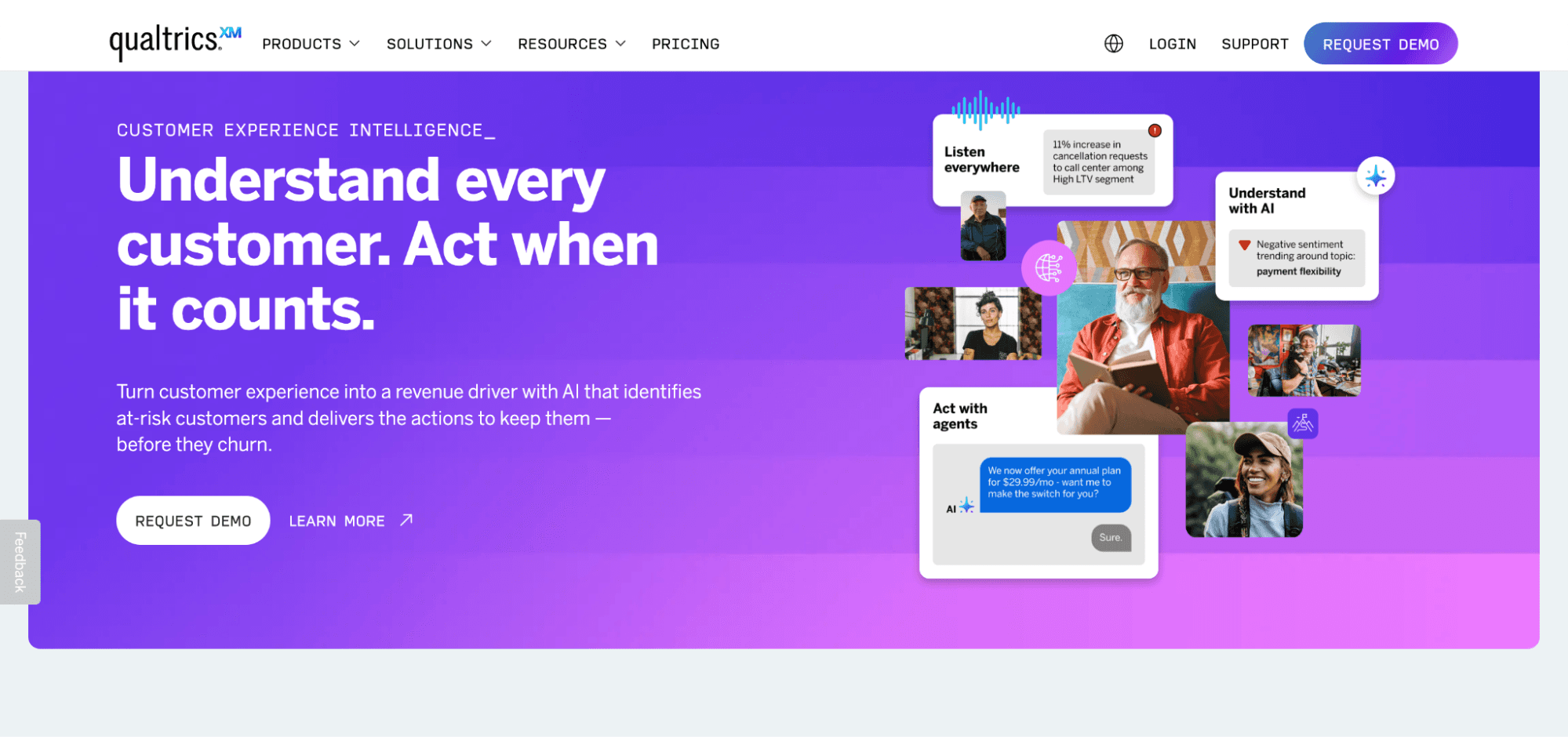
Qualtricsは、企業がお客様や従業員からのフィードバックを聞き取り、改善につなげるための、顧客体験およびフィードバック管理プラットフォームです。Qualtricsでは、こうした取り組みをExperience Management(XM)と呼んでいます。
Qualtricsでできること:
アンケート、Webサイトやアプリでの行動、チャット、SNS、電話、オンラインレビューなど、さまざまなフィードバックを一か所に集約できます。
AIと高度な分析機能を活用し、感情(ポジティブ/ネガティブな印象)、傾向、そして顧客体験を左右する要因を把握できます。
結果はダッシュボードや視覚的なレポートで表示されるため、チームは課題や機会をすぐに見つけられます。
アラートやワークフローを設定すれば、特定のフィードバックをきっかけに通知やフォローアップ対応を自動で実行できます。
CRMシステム、コンタクトセンター向けツール、その他の業務ソフトウェアと連携できるため、得られたインサイトを日々の業務フローに組み込めます。
Qualtricsが選ばれる理由: Qualtricsは、AIを活用した体験向けツールへの投資を進めており、インサイトや推奨アクションをより簡単に得られるようにしています。
主な対象: Qualtricsは、主に大企業や、顧客体験、製品、人事、オペレーションに携わるチームで利用されています。
料金: Qualtricsでは、エンタープライズ向けプランの多くについて詳細な料金を公開していません。見積もりについては営業担当へのお問い合わせが必要です。
Website: Qualtrics
7. Marqii
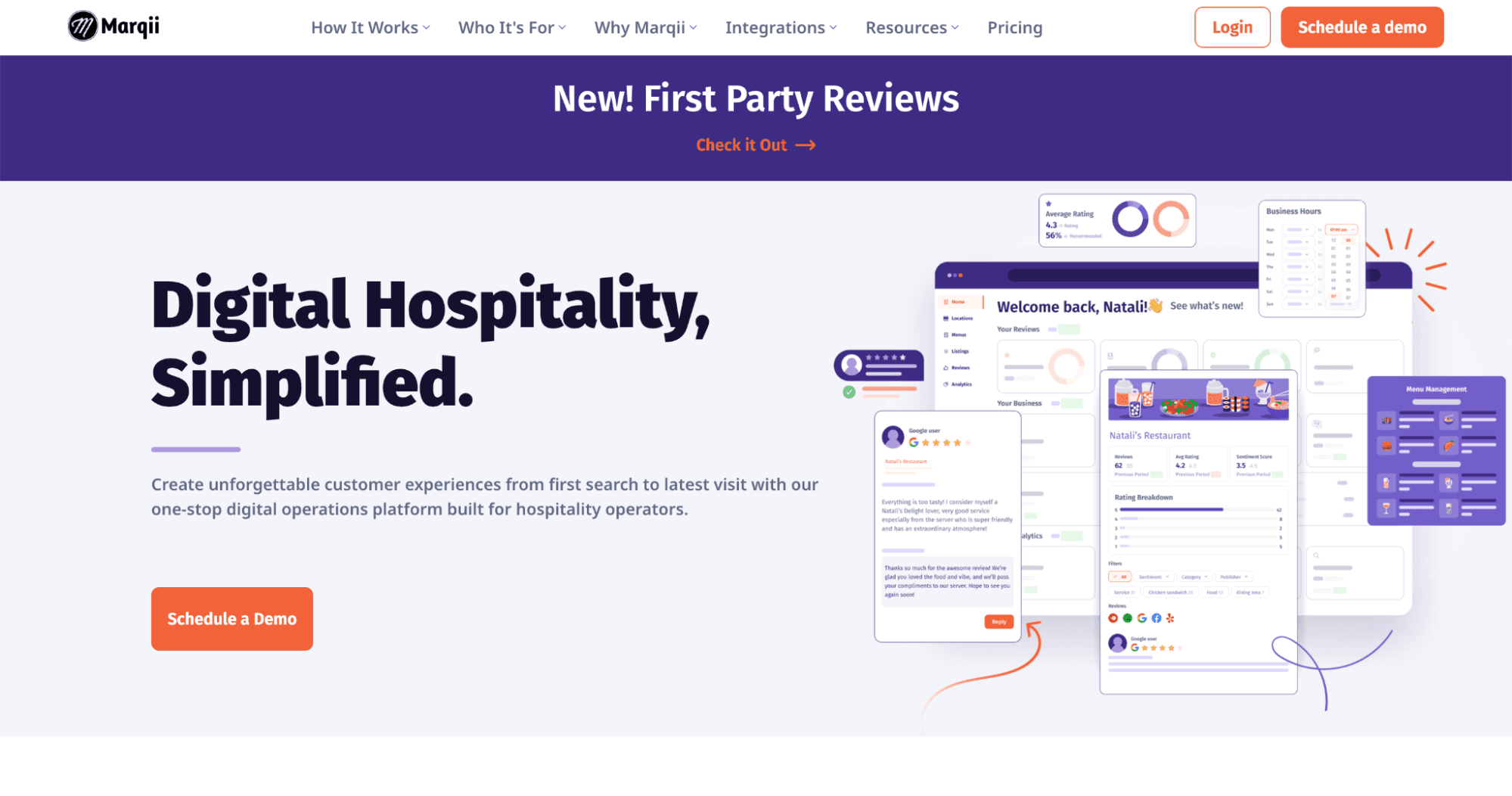
Marqiiは、レストランやホスピタリティ事業者様向けに設計されたデジタル運用プラットフォームです。オンライン上の情報発信、ゲストからのフィードバック、検索での見つけやすさ、メニュー管理を、ひとつの場所でまとめて管理できます。
複数のアプリやプラットフォームを行き来することなく、掲載情報やレビューを常に最新の状態に保てるように設計されています。
Marqiiでできること:
Google、Yelp、Facebook、OpenTable、Uber Eats、Grubhub、ezCaterなどのレビューを、各サイトに個別ログインすることなく確認・返信できます。
POSでメニューを変更すると、Marqiiが検索サイトやレビューサイト全体へ自動で反映できます。これにより、時間と手間を大幅に削減できます。
営業時間、写真、特別オファー、連絡先情報をオンライン上のあらゆる場所で正確に保てるため、検索で見つけてもらいやすくなります。
Marqiiは、レビューへの返信案を素早く作成できるため、返信対応にかかる時間を短縮できます。
Marqiiでは、チームでFacebook投稿の作成・予約投稿ができるほか、Google Business Profileの更新も一元管理でき、SNSパフォーマンスの分析も行えます。
Marqiiの特長: Marqiiは、デジタルホスピタリティに必要な機能を一元化したプラットフォームを目指しています。評判管理、メニューや掲載情報の更新、SEO最適化、SNSコンテンツ、ゲストからのフィードバックまで、すべてをひとつの場所で管理できます。
おすすめの方: Marqiiは、複数店舗を展開するレストランやホスピタリティブランドに適しています。
Webサイト: Marqii
8. 評判
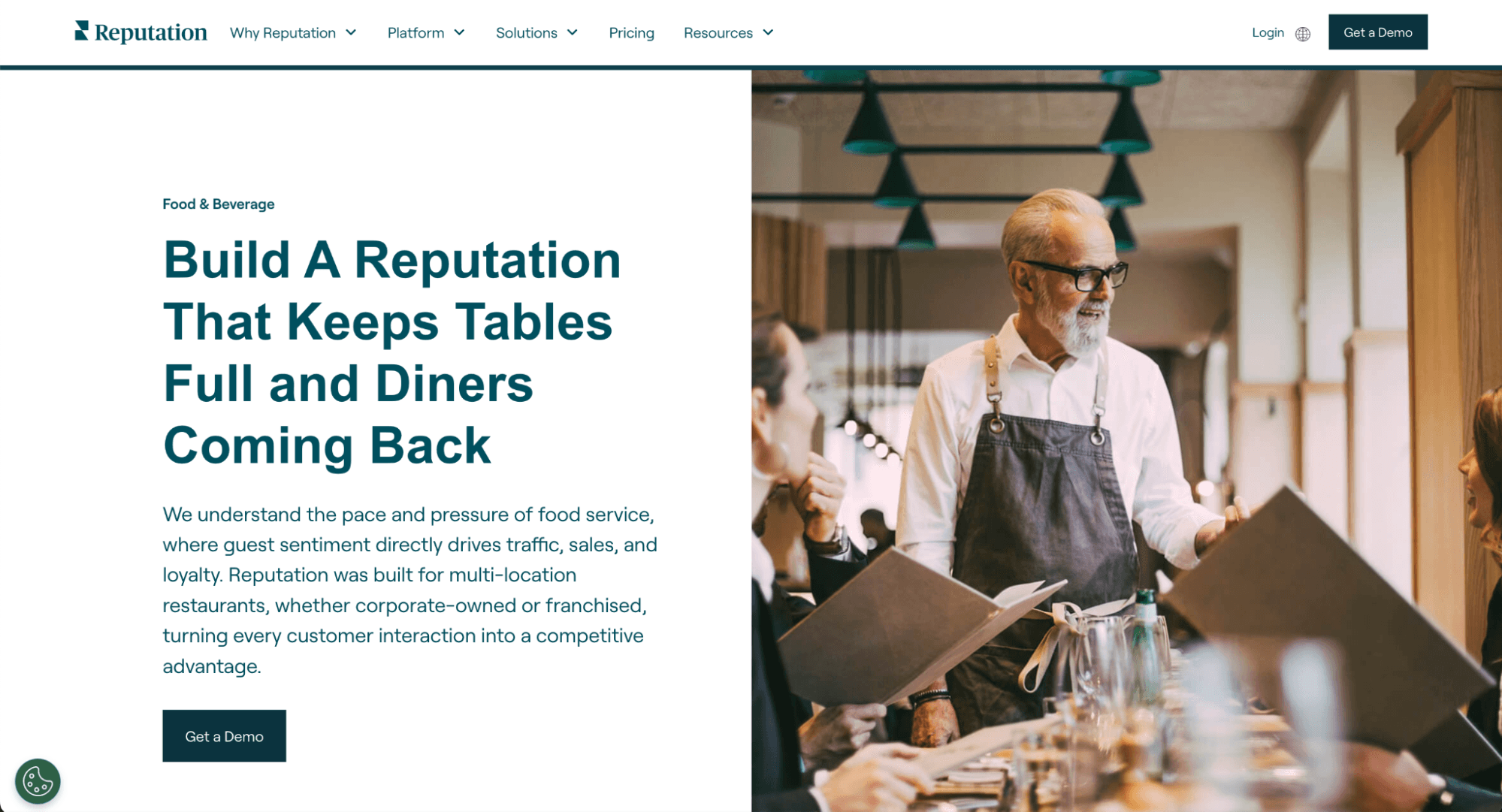
Reputation.comは、複数拠点を展開する企業向けのレピュテーション管理および顧客体験管理プラットフォームで、ブランドが大量の顧客フィードバックを収集し、活用できるよう設計されています。
レビュー、アンケート、掲載情報、SNSデータを一つのシステムに集約し、オンライン上の評判と実際の顧客体験の両方を向上させられます。
Reputation.comでできること:
Reputation.comを使えば、Google、Yelp、Facebook、TripAdvisorなど主要プラットフォームのレビューを一つのダッシュボードで監視・返信できるため、タブを行き来する必要がなくなります。
また、感情分析やテキスト分析により、大量の非構造化フィードバックを、サービス品質、スタッフの対応、清潔さなどに関する実行可能なインサイトへ変換できます。
さらに、レビュー依頼の自動化、ネガティブなフィードバックへのアラート、柔軟に設定できるワークフローを備えており、課題を迅速に適切なチームへ振り分けられます。
Reputationが際立つ理由:Reputationは、お客様が会話し、投稿し、レビューし、推薦する場において、「企業の目と耳」としての役割を掲げています。ReputationのAI搭載プロダクト群は、公開・非公開の膨大なフィードバックデータを分析し、企業が行動に移せる予測インサイトを導き出すことで、オンライン上の評判向上を支援します。
特におすすめの業界:私どもの見立てでは、Reputationの導入企業は主に医療業界が中心で、この領域に特化して設計されています。加えて、飲食、自動車、不動産の企業も多く見受けられます。
料金: Reputationは料金情報を公開していません。最新の料金を確認するには、Reputationへお問い合わせいただく必要があります。
Webサイト: Reputation.com
How Much Do These Reputation Management Software Cost?
Here are the pricing of the tools we've reviewed above. You can contact each vendor for more updated information.
Momos: No public price list. Pricing is quote-based, so you book a demo to get a number. Third-party listings put it in the low hundreds per month for small teams, scaling by locations and users, with custom enterprise deals.
ReviewTrackers: Per location, per month, billed yearly. Entry pricing is listed at $89 per location per month. Other sources report $120 per location/month, dropping to $100 for 3+ locations, plus a one-time $100 setup fee. A 10-location brand usually lands in the $500 to $1,000/month range.
Chatmeter: No published price. Custom quote only, priced per location with unlimited users, and no free trial. Vendr transaction data suggests roughly $16,000 to $42,000 per year.
Superorder: No published price. Store-based pricing with a 30-day money-back guarantee, billed on the first of each month. You need a demo for a quote.
Tattle: Plans start at $59 per location per month, with a public pricing calculator on their site. They only recommend the platform for brands with 10 or more locations.
Qualtrics: Enterprise pricing, quote only. Verified contract data shows a median of about $30,000 per year, with deals ranging from roughly $6,880 to $139,920. CoreXM alone usually runs $25,000 to $50,000 per year for smaller enterprise teams.
Marqii: Public per-location pricing. As of July 2026: $90/month per location (Base), $145/month (Pro, adds review management), and $180/month (Full Suite, adds social and first-party reviews), all billed per location on an annual contract. Groups with 5+ locations get custom pricing, and done-for-you review responses cost $100/month (50 reviews) up to $375/month (500 reviews).
Reputation: Published at $80 to $150 per location per month, with custom enterprise terms above 125 locations. The entry plan is Rep Core at $80 per location per month.
10. Cloutly
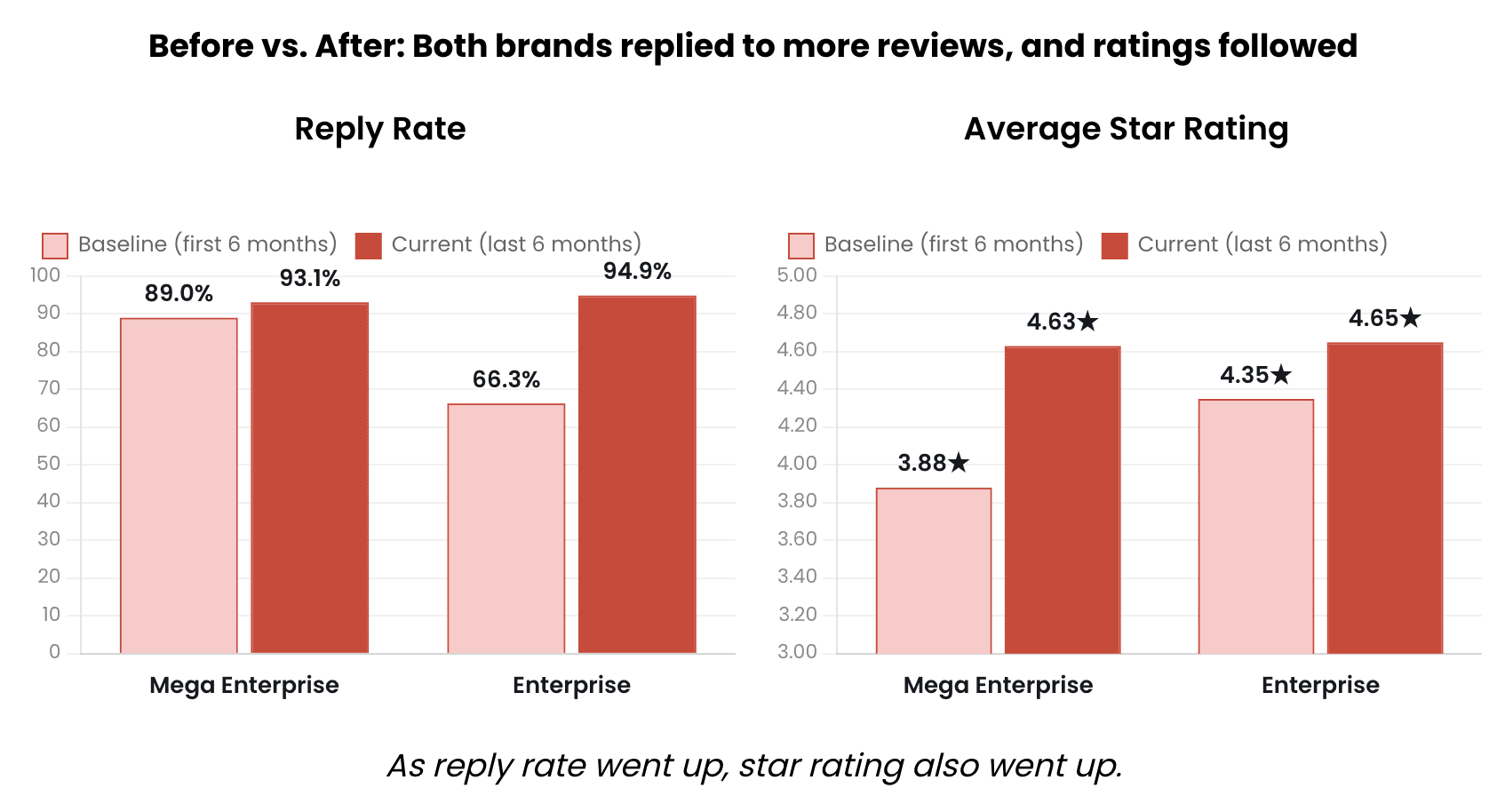
Absolutely. In fact, Momos published an article on how replying to more reviews can lead to an increase in review score, and ultimately revenue.
You can read it here: How Does Review Reply Rate Impact Your Restaurant Revenue?
Put simply:
Reply to more reviews → better star rating: If you consistently respond to reviews, there will be a decent increase in the restaurant’s average Google rating.
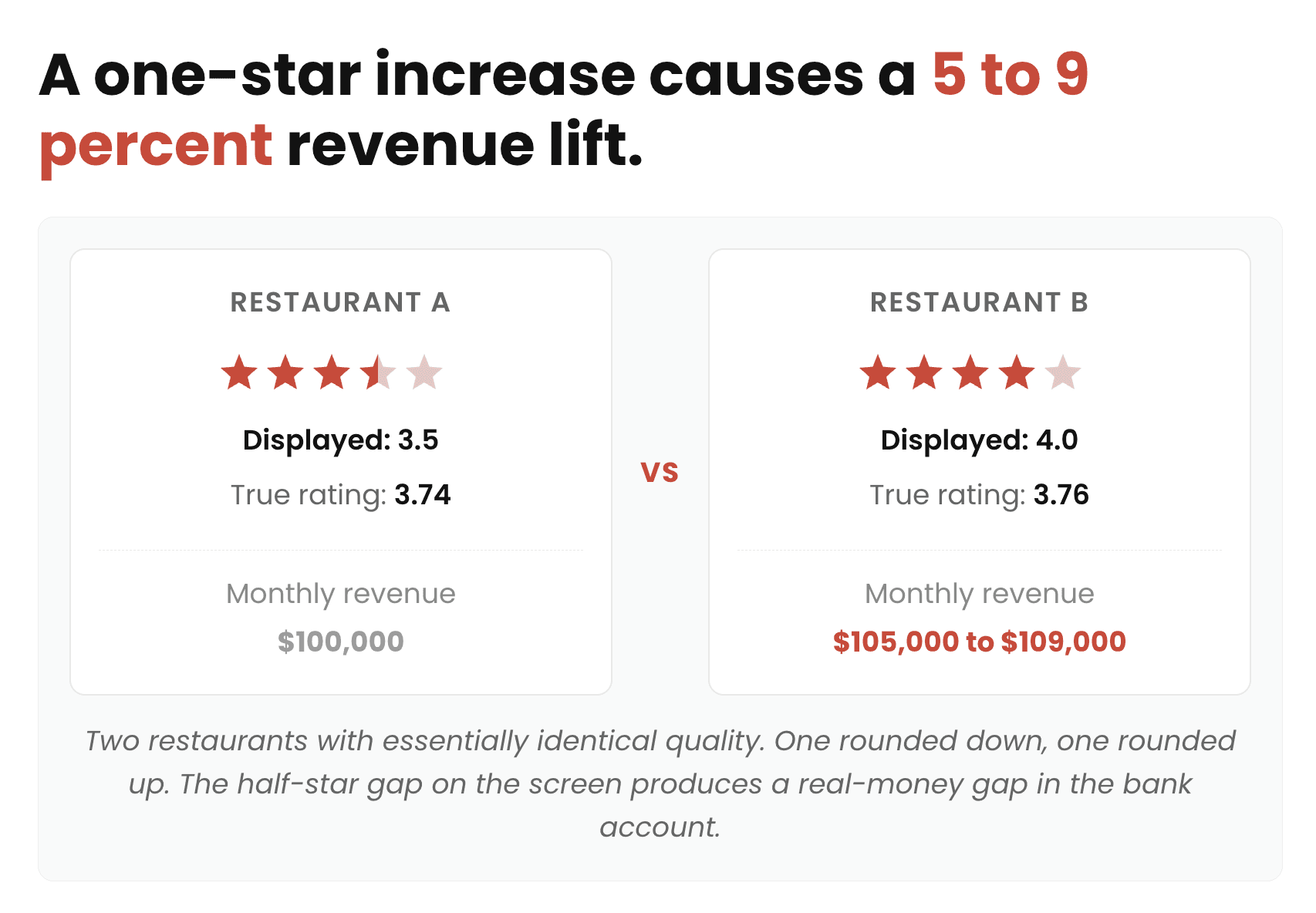
Better rating → more customers/revenue: Higher visible ratings make customers more likely to choose the restaurant. Michael Luca’s Harvard study found that a 1-star increase → roughly 5–9% higher revenue.
So the business loop is:
→ Reply to reviews
→ improve guest perception + rating
→ attract more customers
→ increase revenue.
What Should Restaurant Reputation Management Software Tell You?
Restaurant reputation management software should help you understand what customers think about your brand and where you can improve the guest experience.
Depending on the tool, you should be able to track:
Online ratings and review volume
Review sentiment and common customer complaints
Positive and negative feedback trends
Reputation performance across locations
Performance across review platforms
Response rates and response times
Changes in ratings over time
Customer feedback by location, service area, or category
At a minimum, your reputation analytics should help you answer questions like:
Which locations have the best and worst ratings?
What are customers praising most?
What complaints appear most often?
Are ratings improving or declining over time?
Which locations need immediate attention?
How quickly are teams responding to negative reviews?
Which issues are affecting customer satisfaction?
How does our reputation compare across locations and competitors?
How To Choose Restaurant Reputation Management Software?
Start by identifying where your restaurant receives customer feedback and what you want to improve. Some platforms focus primarily on review monitoring, while others combine reviews with surveys, social media, customer feedback, and broader guest experience analytics.
When comparing your options, consider:
Review coverage: Make sure the software monitors the review sites and platforms that matter to your restaurant.
Sentiment analysis: Look for tools that can identify common themes and trends across large volumes of feedback.
Multi-location management: Restaurant groups should be able to monitor and compare locations from one dashboard.
Review response tools: Check whether teams can respond to reviews efficiently from one place.
Alerts: Real-time notifications can help managers respond quickly to negative feedback.
Reporting: Look for customizable reports that show ratings, sentiment, review volume, and trends.
Integrations: Check whether it connects with your POS, surveys, CRM, and other customer data sources.
Automation: Automated workflows can reduce the amount of manual reputation management work.
Ease of use: Managers should be able to quickly understand what is happening and what needs attention.
Pricing: Compare pricing based on locations, users, review volume, and available features.
How Much Does Restaurant Reputation Management Software Cost?
Restaurant reputation management software can range from free tools to several hundred dollars per month, depending on the number of locations, review volume, features, and integrations.
Some platforms offer basic review monitoring and response features at a low monthly cost. More comprehensive platforms combine review management with surveys, sentiment analysis, customer insights, reporting, and multi-location management.
In general, expect to pay:
Free: Basic review monitoring or limited reputation management features
$30 to $100/month: Basic review monitoring, alerts, and response management
$100 to $300/month: Review analytics, sentiment analysis, automation, and reporting
$300+/month: Comprehensive multi-location reputation and guest experience management
Enterprise: Custom pricing based on locations, users, review volume, integrations, and data requirements
When comparing prices, look beyond the monthly subscription. Additional locations, review volume, premium analytics, integrations, onboarding, and advanced automation can all affect the total cost.
For larger restaurant groups, it is also worth considering the potential value of improving ratings, responding to customer issues faster, and identifying recurring problems across locations.
Integrations Technical Checklist For Feedback Management Software
Before purchasing, make sure the platform integrates with your existing tech stack:
AI built for hospitality: Does the platform use AI specifically designed for restaurant groups? For review automation, look for an AI solution built specifically for restaurants.
POS system: Can it receive transaction-close signals to trigger review requests? Native integrations with Toast, Square, and Lightspeed can eliminate the need for middleware.
Reservation system: Does it integrate with OpenTable, SevenRooms, or Resy? These integrations can trigger personalized post-visit review requests and improve conversion.
Loyalty / CRM: Can you include review requests in post-visit loyalty or reward emails? Confirm that the platform connects with your existing CRM or loyalty system.
Multi-location controls: Can corporate teams set response templates and brand guidelines while allowing individual locations to manage their reviews?
API access: Does the platform offer API access for pulling review data into BI tools such as Tableau or Looker?
Benchmark Metrics After Deployment
You should track these metrics after implementation to measure whether the platform is improving your restaurant's reputation and review performance:
Review volume: Track the number of new reviews generated per location each month.
Review conversion rate: Measure the percentage of review requests that result in a submitted review.
Average rating: Monitor changes in Google, Yelp, Tripadvisor, and other key review platforms.
Response rate: Track the percentage of reviews receiving a response, especially negative reviews.
Response time: Measure how quickly your team responds to new reviews.
Sentiment: Monitor changes in positive, neutral, and negative customer sentiment.
Negative review rate: Track the share of new reviews that are negative and whether it decreases over time.
Location performance: Compare review volume, ratings, and sentiment across individual locations to identify underperforming restaurants.
 AIエージェントが、貴店の全店舗におけるすべてのお客様対応を年中無休・24時間体制で自動化します。


" transform="translate(3.219 19.212)" width="152.45224485148515px"/><path d="M 0 11.619 C 7.071 11.39 33.491 21.738 40.35 21.268 C 38.499 18.19 37.116 14.915 35.507 11.625 C 33.7 7.867 32.587 3.926 31.702 0" fill="transparent" height="21.28391189647101px" id="I9fuJaf7q" stroke-dasharray="" stroke-linecap="round" stroke-linejoin="round" stroke-width="4.97" stroke="rgb(0, 0, 0)" transform="translate(139.727 55.754)" width="40.34950693069311px"/></svg>)